





 Portuguese
  English
  Spanish
  4 min of reading
  0 comments


Experts Analyze The Biggest Global Risks For 2025, Revealing Which Threat Could Impact The World Most Significantly In The Coming Years.
The world seems to be facing an unprecedented moment of tension. Increasing armed conflicts, the accelerated advancement of artificial intelligence, and ever more severe impacts of climate change are putting governments, businesses, and society in front of interconnected challenges. To understand the main threats the planet may face in 2025, Newsweek consulted experts in global risks. Here are the points raised by these analysts.
A Perfect Storm Of Interconnected Risks In 2025
Oliver Jones, Global Strategy Leader at EY, highlighted that the biggest threat is not a single event, but the combination of multiple interconnected risks.
“The possibilities range from a global tariff war to the worsening of conflicts in Ukraine and the Middle East. And the worst part is that none of these threats is a ‘black swan’; they are all plausible and can materialize together,” he explained.
-
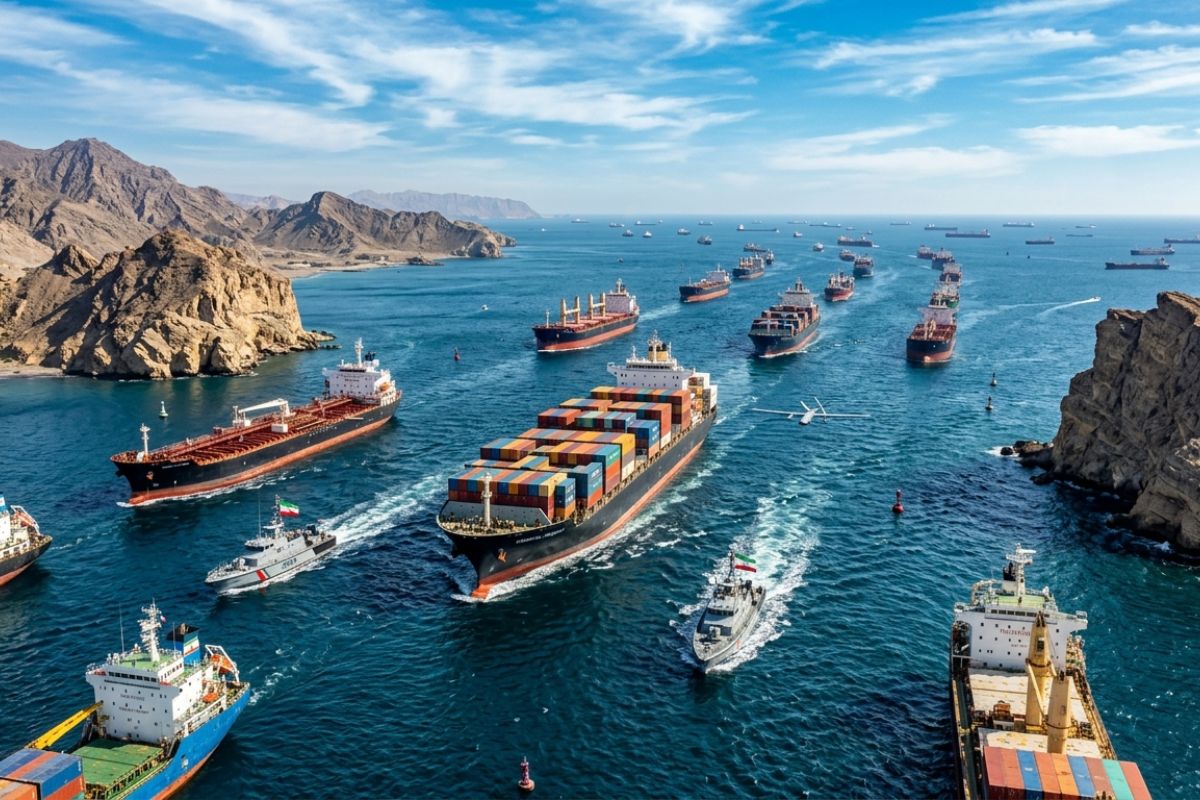
Iran authorizes the passage of ships with essential goods in the Strait of Hormuz, requires coordination and protocols; UN postpones resolution to reopen the oil route, while China, France, and Russia reject the use of force.
-
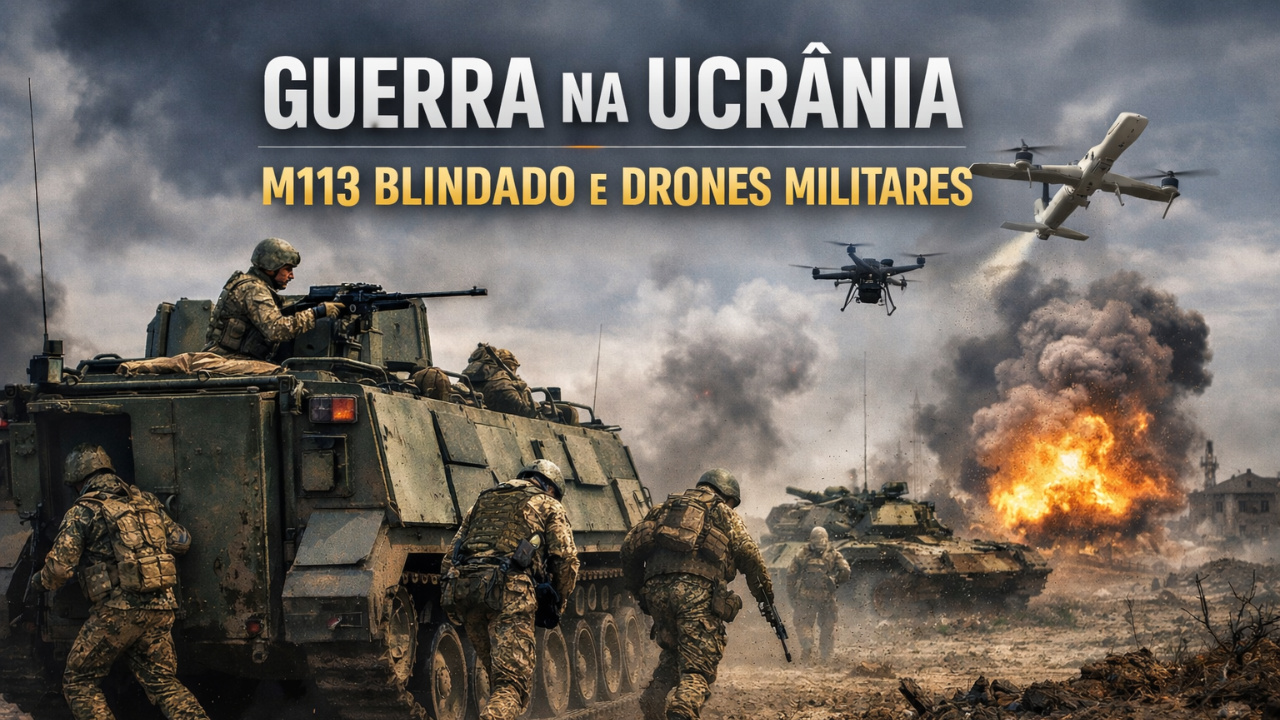
The Ukraine war exposes the strength of the M113 armored vehicle amid modern warfare with military drones.
-
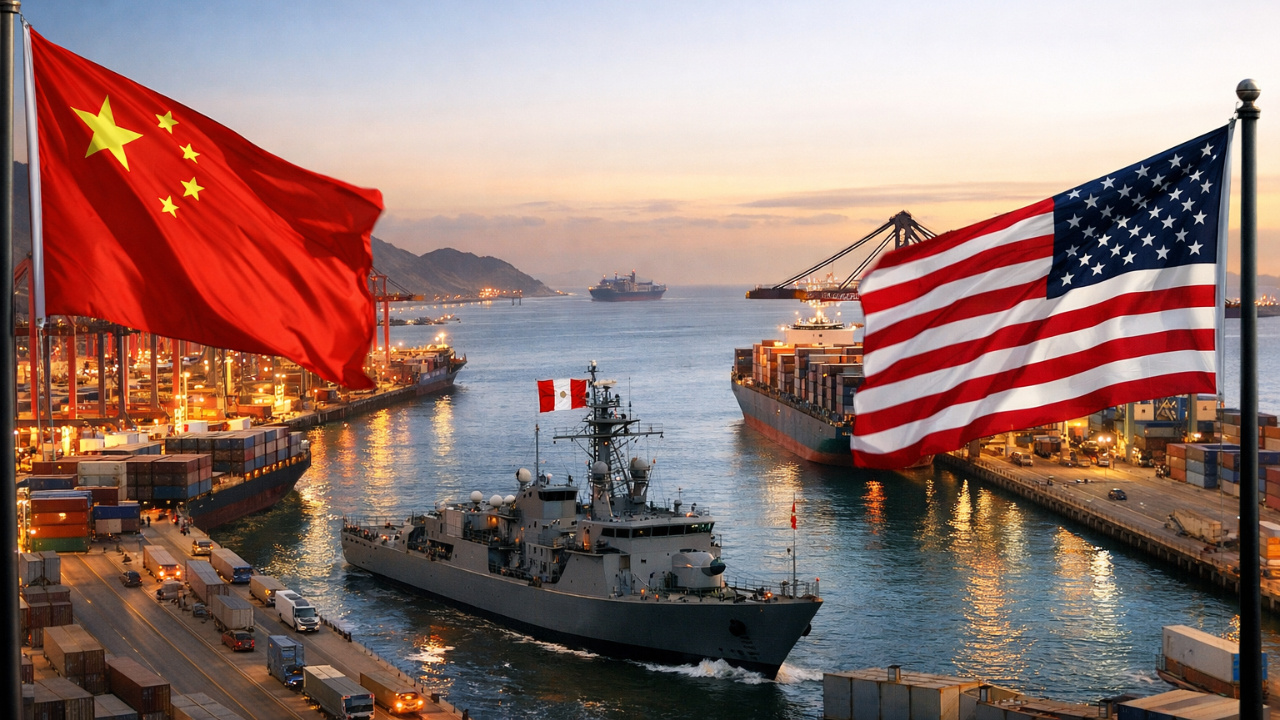
Maritime geopolitics: China and the USA compete for strategic ports in Peru.
-
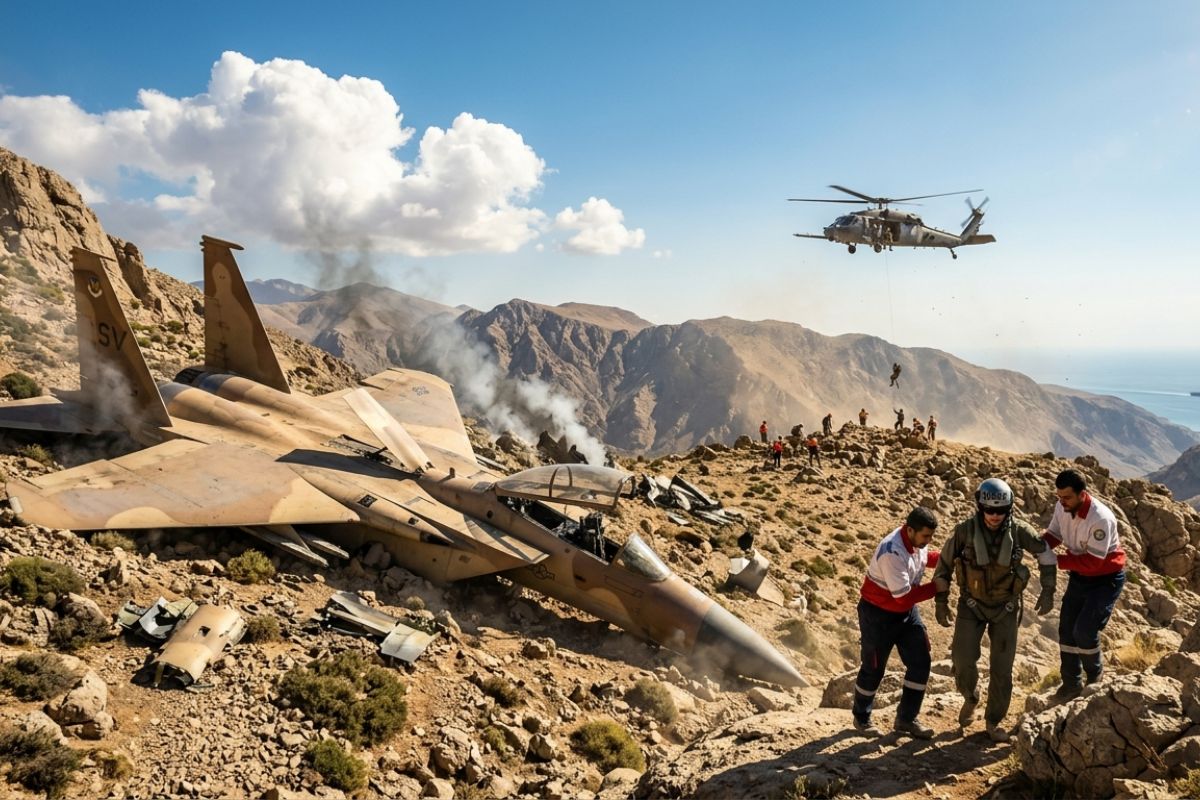
Iran shoots down two US aircraft: F-15 fighter crashes in mountainous area, one crew member is rescued and another is still missing; second crash in the Persian Gulf exposes still active air defense, says US intelligence.

He also emphasized that the technological competition between the United States and China, as well as elections in France and Germany, could empower populist parties, exacerbating instabilities.
According to Jones, the current scenario requires governments and companies to adopt a holistic view to face what he calls “the perfect storm” in 2025.
Geopolitical Denialism In 2025: The New Danger
Tina Fordham, founder of Fordham Global Foresight, presented another relevant concern: “geopolitical risk denialism.”
According to her, many people in the developed world underestimate global risks because they have never directly experienced significant conflicts or crises.
“The idea that the United States or other wealthy countries are immune to global events is a dangerous mistake. This mentality leads to underinvestment in preparedness and strengthens adversaries,” Fordham stated.
She warns that the 21st century brings threats that do not respect geographical barriers and recommends that leaders prepare for a “New Geopolitical Risk Supercycle.”
The Hypocrisy In Addressing Global Threats
Christian Mölling, Director of Europe at Bertelsmann Stiftung, brought an even sharper point of view. For him, one of the biggest dangers is believing that problems can be solved in isolation, without triggering side effects.
Mölling mentioned the deepening cooperation between China, Russia, Iran, and North Korea, often referred to as “the CRINK alliance.” He criticizes the Western approach, which, in his view, misprioritizes threats and does not act with the necessary intensity.
This alliance exploits vulnerabilities in the West and exacerbates strategic dilemmas. The biggest challenge of 2025 will be dealing with the synergies of these interconnected threats, he highlighted.
Increasing Fragmentation And Disorder
Marco Vicenzino, global strategy consultant, predicted that the world will be even more fragmented by 2025. Although nation-states will continue to be the main global actors, he pointed out that non-state actors will play an increasing role, both in the virtual and physical environment.
According to Vicenzino, revisionist autocracies led by China and Russia will seek to replace the Western liberal order. Meanwhile, the so-called “Global Rest,” comprised of over 140 countries, complicates the scenario by seeking balance among competing interests.
He highlights that emerging powers such as India and Indonesia will increasingly have the capacity to influence global developments.
Artificial Intelligence: Opportunity Or Danger?
A common point among experts was the concern over the uncontrolled advancement of artificial intelligence. While it was not the main focus of the analyses, Jones mentioned that asynchronous regulations of technology could increase risks.
He warns that AI can be both a tool for solving problems and a factor of imbalance.
An example of this is the technological competition between the major global powers. Companies and governments face the challenge of balancing innovation with responsibility in a scenario where mistakes can have catastrophic consequences.
Climate Change And Mass Migrations
Climate change continues to be one of the most predictable yet neglected threats. Jones drew attention to the impacts of international migration caused by natural disasters and climate crises. “These issues are often treated as local problems, but they have profound global repercussions,” he stated.
Recent examples include floods in Europe and heatwaves in Asia, which forced millions to leave their homes. The lack of international cooperation to address these issues can intensify conflicts, especially in already unstable regions.
A Final Reflection From The Experts
What all experts agree on is that the challenges of 2025 will not be solved with simplistic solutions. The interconnectedness of risks, from geopolitical tensions to environmental crises, requires comprehensive strategies and international coordination. As Tina Fordham stated: “Chance Favors The Prepared Mind.” Preparation begins now.









-

-

-

7 pessoas reagiram a isso.