





 Portuguese
  English
  Spanish
  3 min of reading
  2 comments


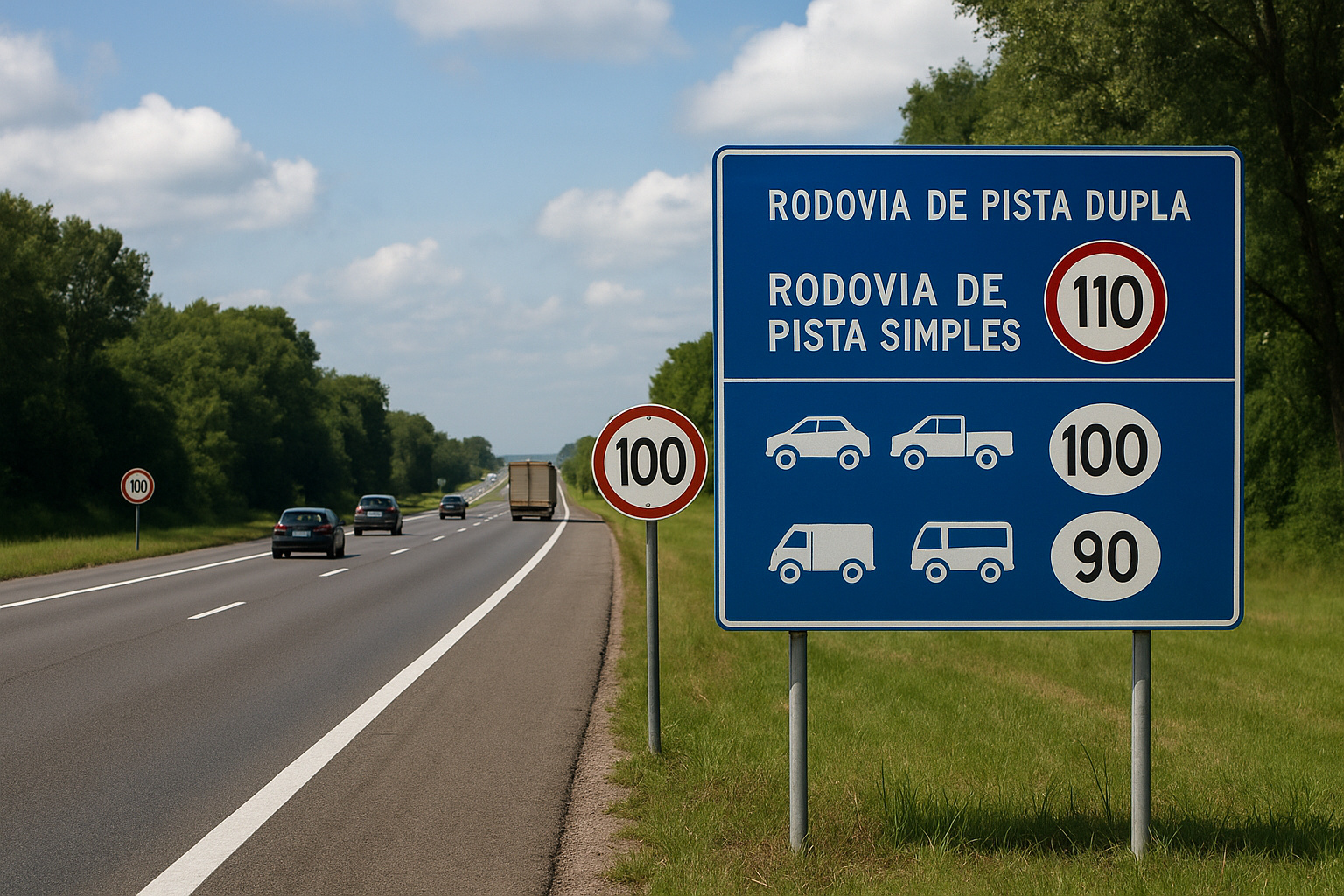


Understand, Clearly and Directly, How Law 14.440/2022 Redefined Speed Limits on Single, Dual Highways and Rural Roads
Since 2022, the Law 14.440 changed speed limits on Brazilian highways, and therefore, drivers need to pay extra attention to traffic signs. The update came into effect in September 2022, after approval by the Federal Senate and regulation by the Contran, which generated practical changes on single lanes, dual carriageways, and rural roads.
The DNIT began updating the signs in 2023, ensuring national standardization. Therefore, understanding the new limits has become essential to avoid fines and drive safely.
Next, see how the rule has changed:
-
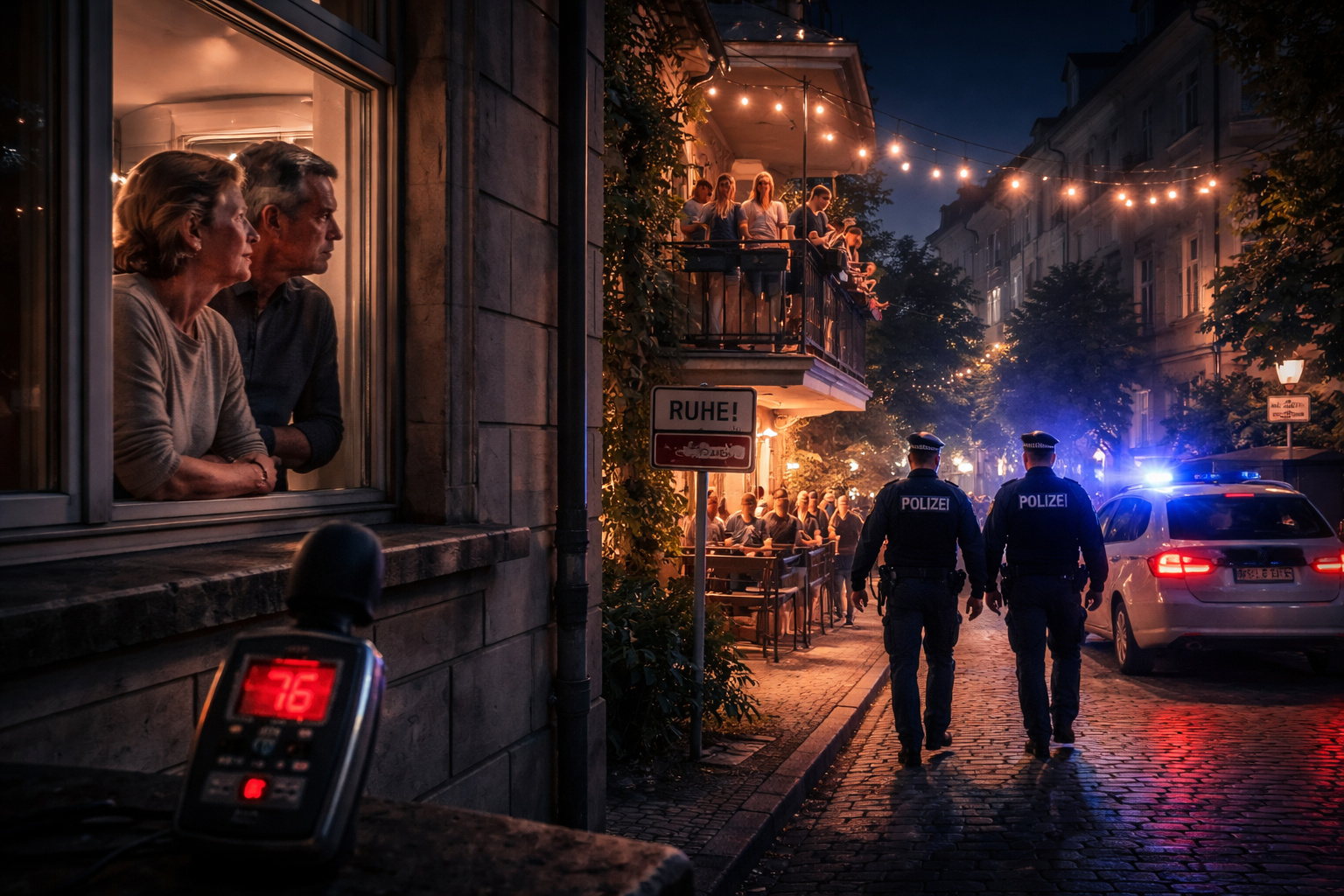
The noise law will no longer be in effect at 10 PM starting in June with a new rule valid during the 2026 World Cup.
-
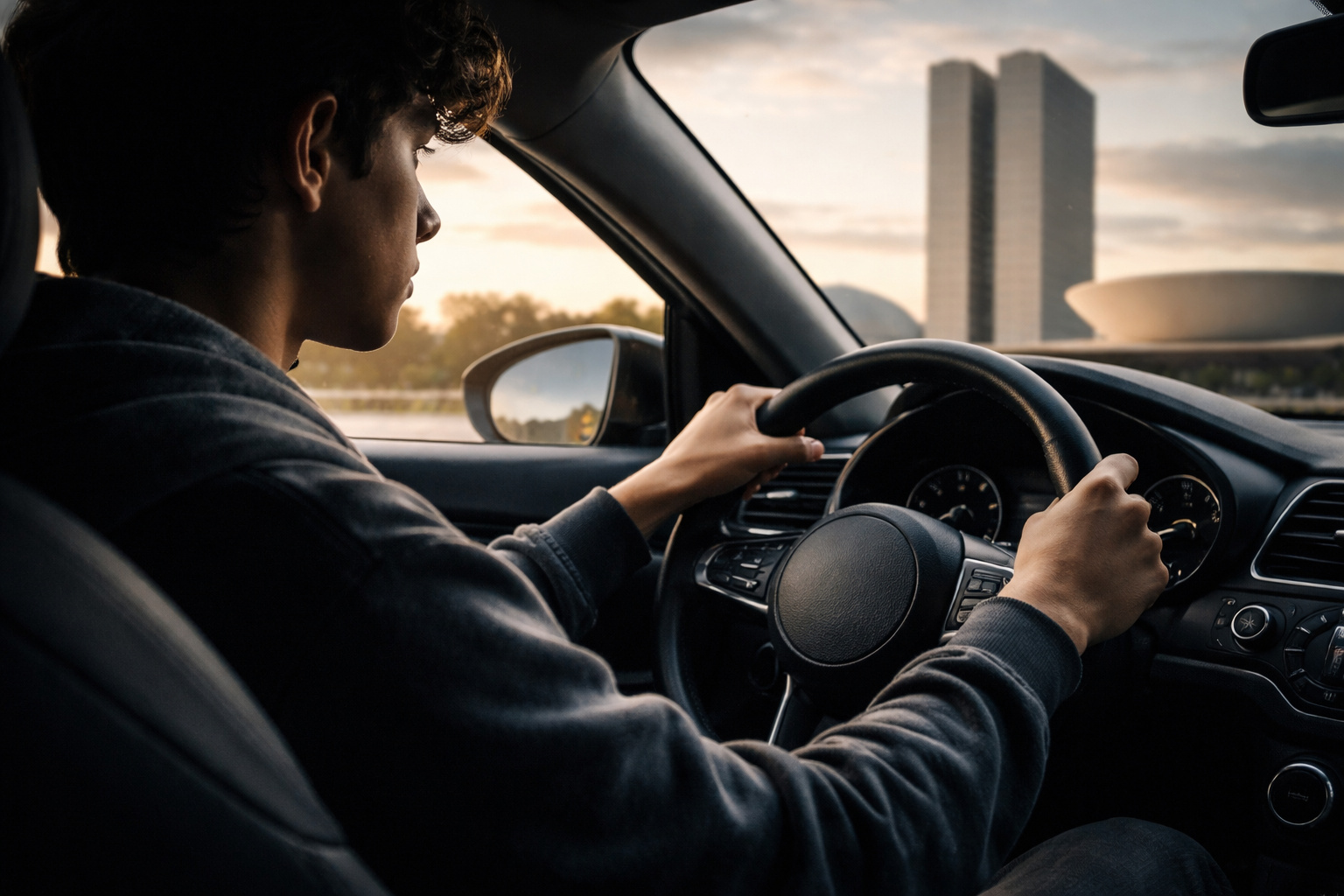
The Chamber opens a debate on driver’s licenses at 16 years old as part of a reform that includes around 270 proposals to change the Brazilian Traffic Code and may redesign rules for licensing, enforcement, and circulation in the country.
-
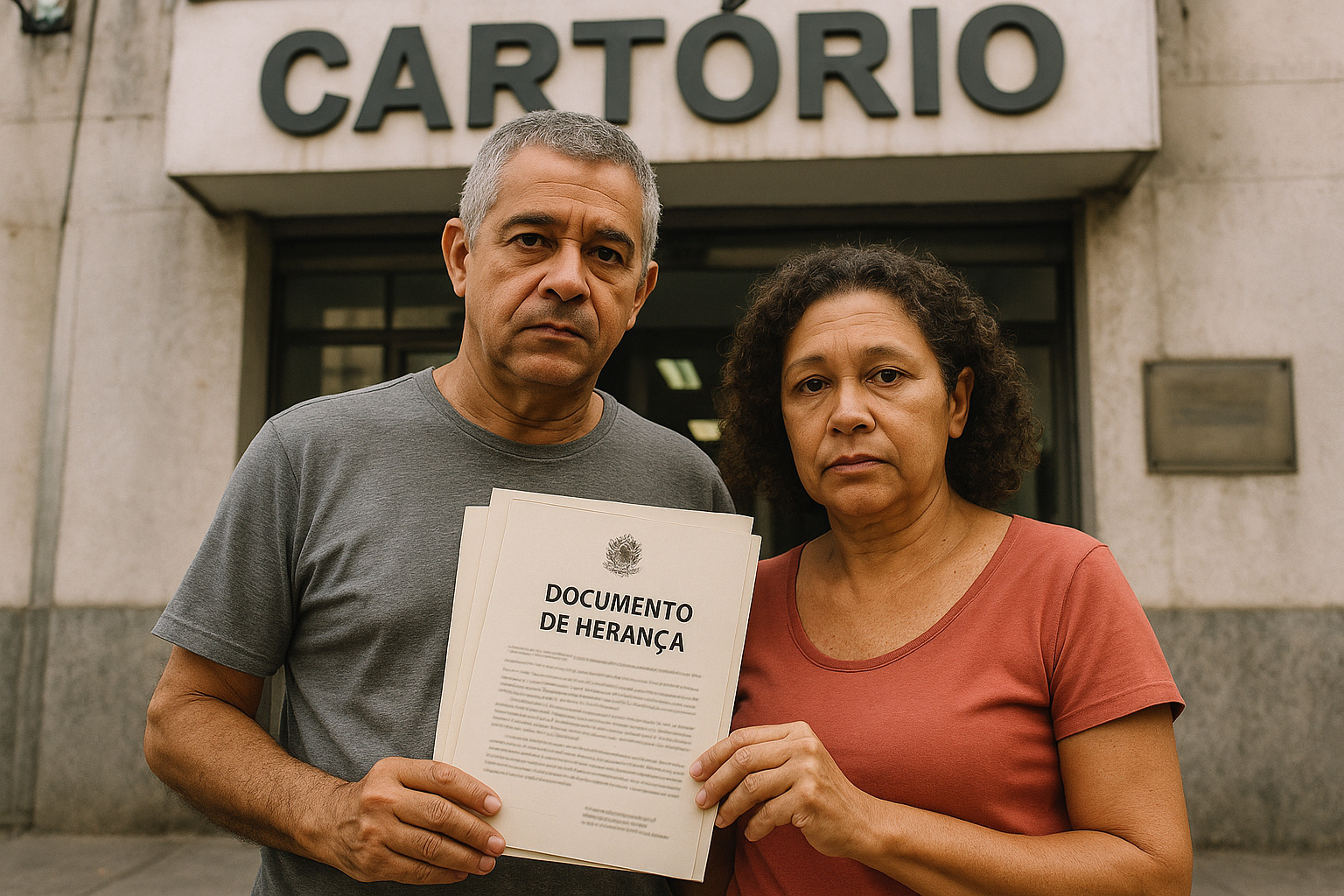
The new Civil Code could revolutionize marriages in Brazil with “express divorce” and changes that could exclude spouses from inheritance.
-
Banco do Brasil sues famous influencer for million-dollar debt and intensifies debate on delinquency, risks of seizure, and direct impact on Gkay’s credibility.


How Speed Limits Defined by the CTB Work
The rule of the Brazilian Traffic Code divides limits according to the structure of the road, thus, the values become consistent with the safety available on each type of track.
Dual Carriageways
- Have a physical separation between directions, such as central medians or guardrails.
- For cars, motorcycles, and pickups, the limit is 110 km/h since 2022.
- For trucks and buses, the limit remains at 90 km/h, as determined by the Contran.
Single Carriageways
- Are roads with division only by yellow lines, which requires extra caution.
- For cars, motorcycles, and pickups, the limit is 100 km/h.
- For trucks and buses, the limit remains at 90 km/h, with increased enforcement by the PRF.
Unpaved Rural Roads
- On dirt or gravel roads, all vehicles must comply with the limit of 60 km/h, as per the CTB.
- The sign always prevails over the general rule, and therefore, drivers must follow the value indicated in the signage.
Why the Legislation Changed and How It Affects Safety
The change aimed to align speed to the available infrastructure, and thus reduce common risks on Brazilian highways. Since 2022, dual highways like BR-101 and BR-116 have started operating with higher limits for light vehicles, because the physical separation between directions reduces head-on collisions. This improves traffic flow and decreases travel time on safe stretches.
On the other hand, single highways like BR-163 received stricter limits, precisely because poorly calculated overtakes were among the main causes of serious accidents before 2022, according to PRF data. The standardization at 100 km/h aimed to harmonize speeds between cars and trucks, making driving more predictable.
Additionally, stretches with inclines, sharp curves, or a history of accidents may have even lower limits, and therefore, local signage should be prioritized by all drivers.
Impacts of the Change on Brazilian Highways
The DNIT carried out a nationwide task force between 2022 and 2023 to recalibrate radars and update signs, thus ensuring uniform application of the law. Preliminary data from the DNIT and PRF indicate a decrease in severe accidents on stretches standardized at 100 km/h, especially in high-traffic regions. At the same time, dual carriageways with a limit of 110 km/h did not register a significant increase in occurrences, which reinforces the effectiveness of the legislative review.
As a result, driving with attention to the limits has become indispensable, especially since electronic enforcement started operating with revised parameters in 2023.
Given this, how do you intend to adapt your driving to the new rules that shape the routine of millions of Brazilian drivers?










Se acabar com a indústria da multa onde colocam radar sem informação da velocidade… será uma benção…
Brs estão com placas sem atualizações com velocidades de 80kmh e mal sinalizadas. Enquanto reduzem a velocidade de veículos motos e camionetes em rod simples para 100kmh mantém bitrem treminhao e tantas outras carretas e caminhões a 90kmh isto é fazer com que eu continue o pensamento a respeito que quem faz estas mudanças de ignorantes ridiviarios há que se não estão no ar condicionado ado dos órgãos públicos estão dentro de aeronaves e nao nas rodovias e falar em ridículas estas casca de ovo que dizem chamar de asfalto não segura ao solo nas curvas de arrasto das carretas aos quais vcs dão privilégio ou seja são canalhas oq está brincando de rodovias