





 Portuguese
  English
  Spanish
  5 min of reading
  0 comments


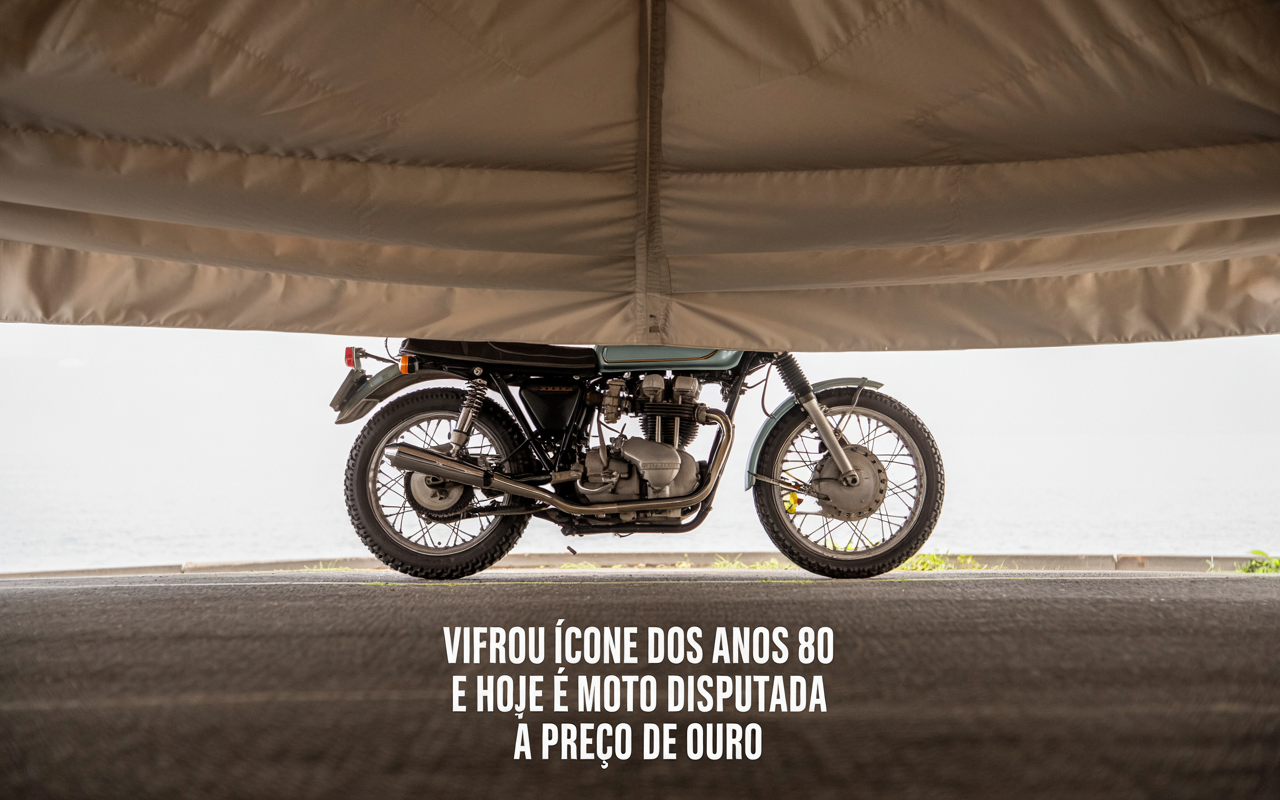
Honda CB 400, A Classic Motorcycle From Honda That Gained Trust in the Brazilian Market and Continues to Be a Relic for Collectors and Enthusiasts.
When it was launched in Brazil in the early 1980s, few imagined the impact that the Honda CB 400 would have on the national motorcycle market. Received with skepticism, especially by those who still viewed Japanese bikes with caution, the model did not take long to prove its value. Today, more than four decades later, the CB 400 is considered a true classic motorcycle from Honda, sought after at auctions, vintage gatherings, and collector groups — often selling for prices that exceed modern entry-level bikes.
The Rise of the Honda CB 400
The Honda CB 400 arrived in Brazil in 1980, becoming the first motorcycle with a two-cylinder engine produced on national soil.
With advanced technology for the time and performance superior to its low-displacement rivals, the CB 400 quickly carved out a space for itself. Its robust style, mechanical reliability, and ease of maintenance turned it into a bestseller, a status symbol and, eventually, a hallmark of the 80s.
-
Less than a Tera TSI, up to 710 km of range and charging in 9 minutes: the new BYD Song Ultra expands the Chinese brand’s bet on increasingly faster, more technological, and competitively priced electric SUVs.

-
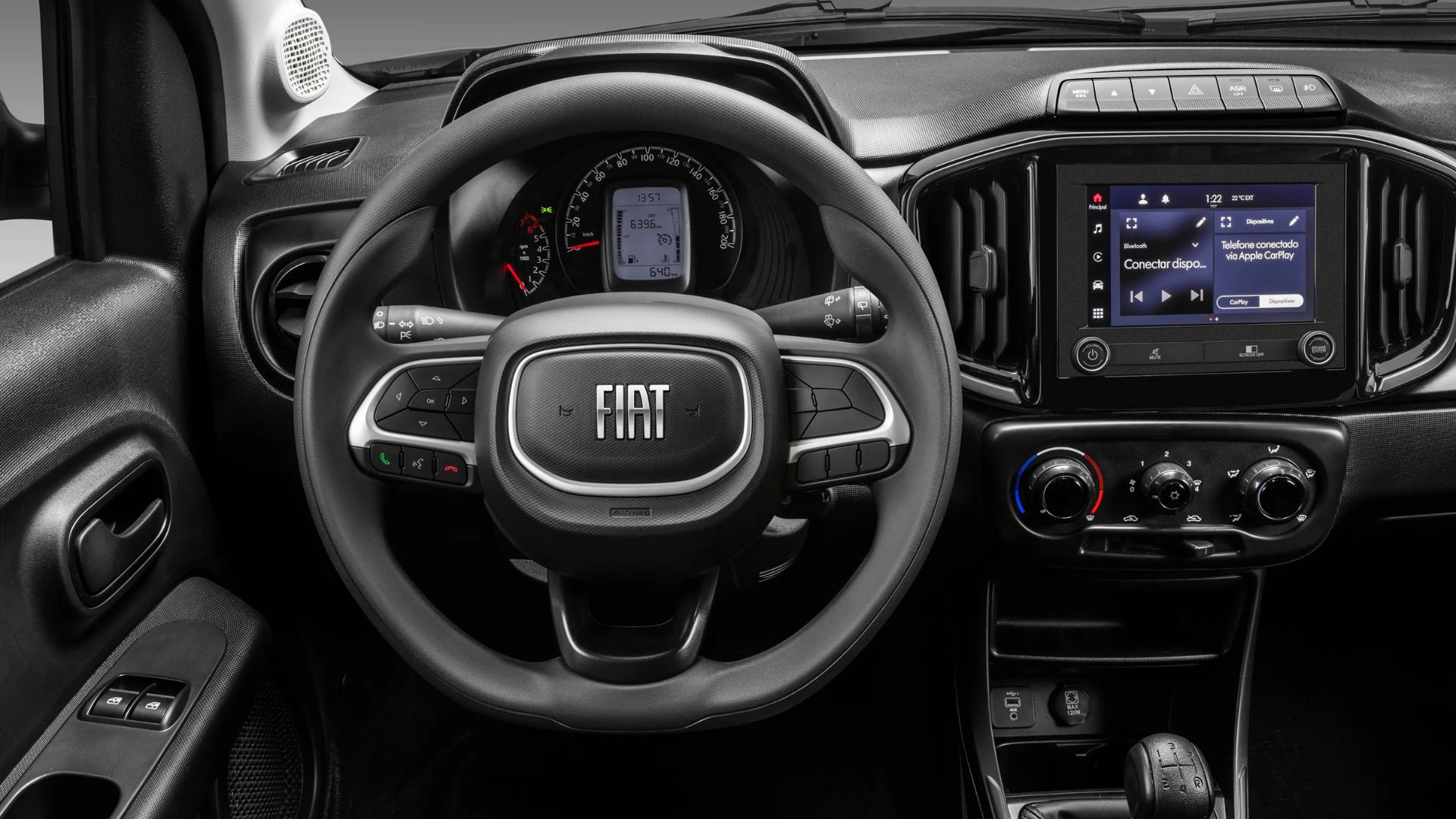
With a 1.0 engine producing 75 hp and costing less than R$ 70,000, Fiat’s car returns to the podium as the cheapest in the country; a temporary promotion for the 2026 Like version reduces the price of the Fiat Mobi.
-
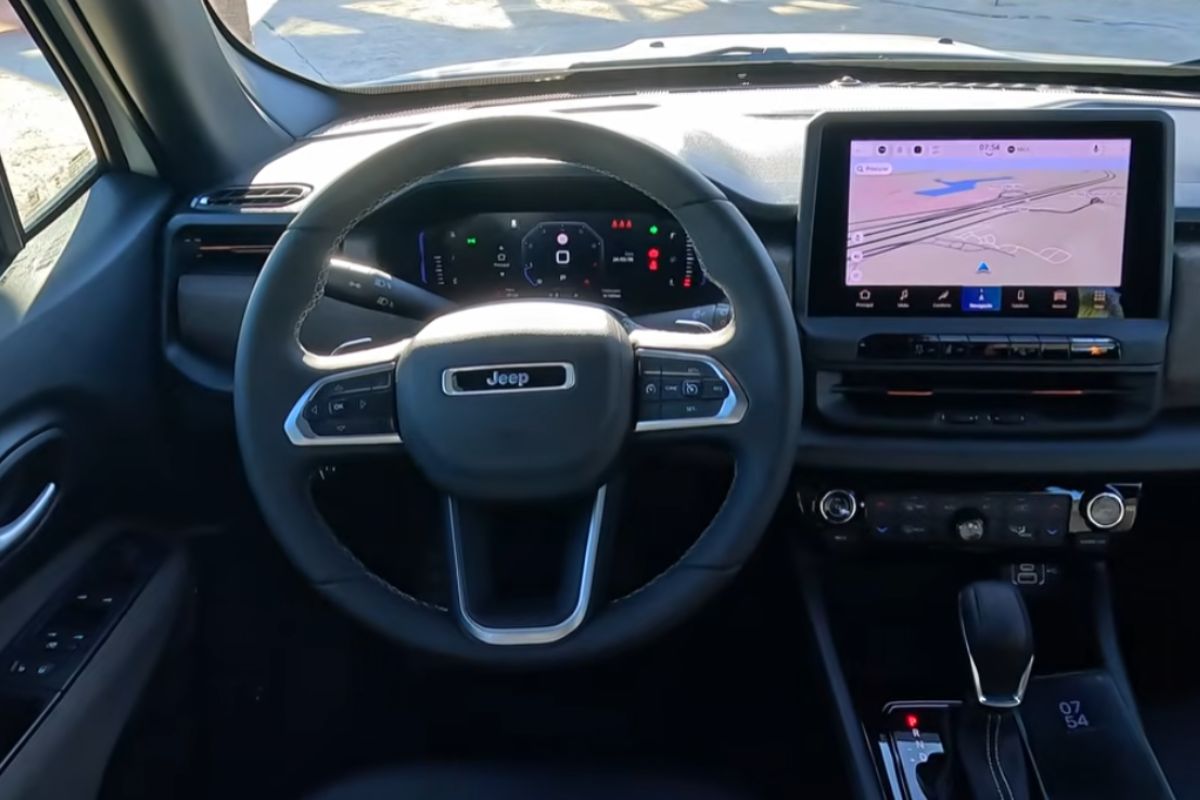
With a mild hybrid system of 48 V, 176 hp and a price of R$ 175,990 in the Sahara version, the new Jeep Renegade changes mostly on the inside, improves slightly in fuel consumption, and remains almost the same car.
-
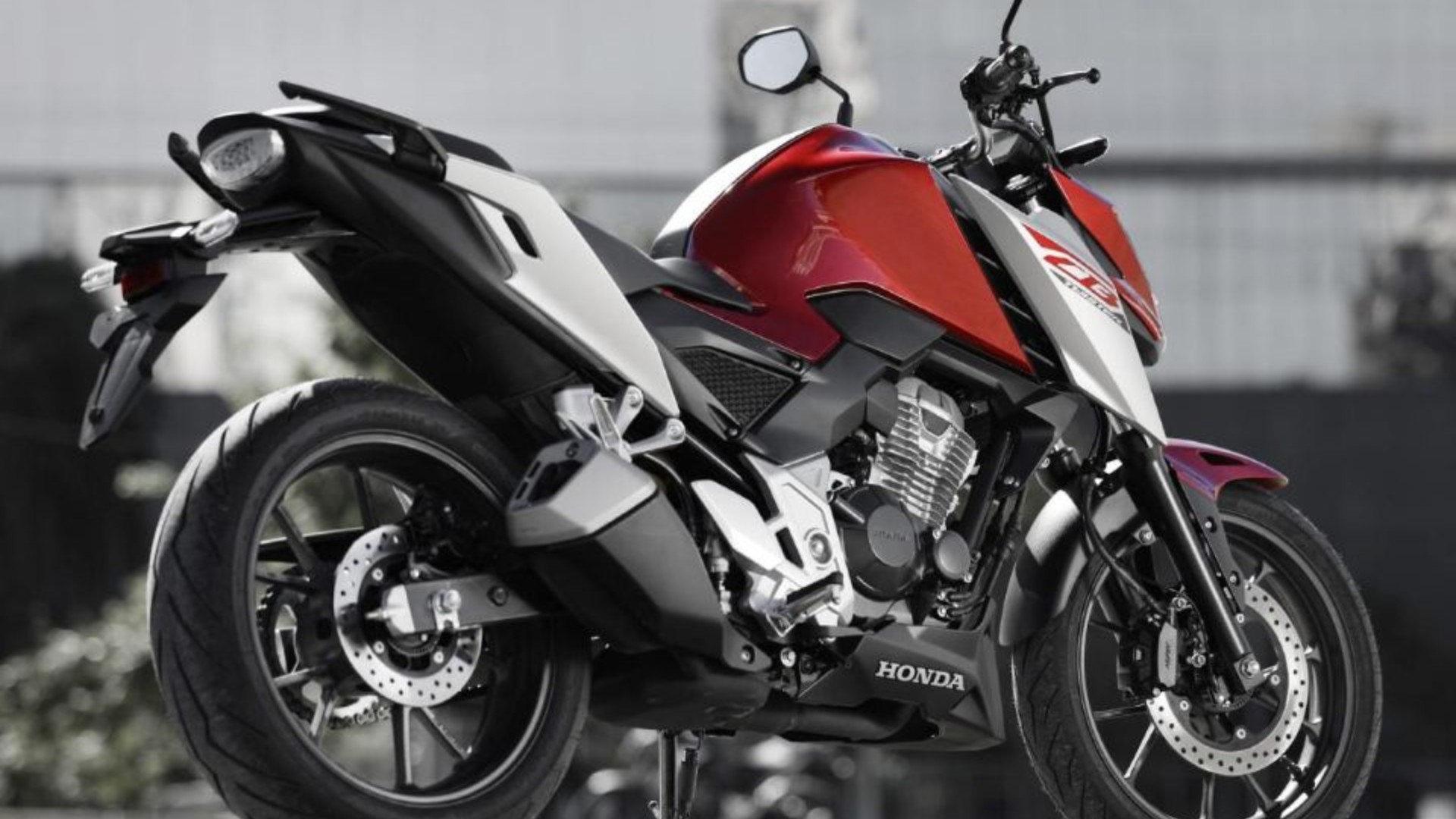
With a 293.5 cm³ engine and a range of up to 400 km with a 14.1-liter tank, the Honda CB 300F Twister 2026 has up to 24.7 hp, an initial price of R$ 25,150, and already exceeds R$ 29,000 in the Fipe Table.

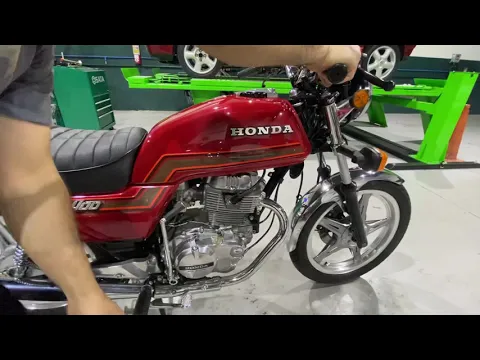

The model that gave rise to the Brazilian CB 400 was the Honda CB 400N, launched in Japan in 1978. With the expansion of the brand’s Brazilian subsidiary, the Honda motorcycle underwent adaptations to meet local requirements. The national version began production in Manaus in 1980, featuring a 395 cm³ OHC (Overhead Camshaft) engine, two parallel cylinders, and a power output of 40 hp — impressive numbers for the market at the time.
The launch was bold. In a country where most motorcyclists used low-displacement bikes as an economical means of transportation, a nearly 400 cm³ motorcycle seemed risky. But Honda’s gamble paid off.
The CB 400 positioned itself as an intermediate option between urban models and high-cost sports bikes, attracting professionals, enthusiasts, and young people seeking performance with reliability.
Technical Highlights and Differentiators of the CB 400
The Honda CB 400 introduced concepts that would be adopted by various generations of motorcycles in Brazil. Among the technical highlights were:
- Two-Cylinder Engine: guaranteed linear torque and good performance even at low RPMs.
- Front Disc Brake: a rare safety feature in national motorcycles at the time.
- Electric Start: convenience and innovation for the 80s motorcyclist.
- Steel Tubular Frame: lightweight, resistant, and stable.
These characteristics made the CB 400 a versatile motorcycle: comfortable for urban use, durable for travel, and reliable for everyday commuting. Additionally, the low maintenance cost and availability of parts made it one of the most beloved bikes among mechanics and experienced motorcyclists.
Honda CB 400 and the Culture of the 80s
The 1980s were marked by a strong advance of youth culture in Brazil. Amid the country’s redemocratization, musical and artistic movements emerged, along with a new middle class eager for consumption and freedom. In this context, the CB 400 became a symbol.
The presence of the motorcycle in national films, advertisements, and on the streets contributed to its iconic status. It was common to see young people flaunting the “CBzona,” as it was affectionately called, at motorcycle gatherings and around universities.
Customized models, with personalized paint, raised handlebars, and sporty exhausts were part of the period’s aesthetics. The Honda classic motorcycle was not just a vehicle: it was an extension of its owner’s personality.
Used Market and Current Valuation of the Honda Classic Motorcycle
Over the years, the CB 400 ceased production — the last model went out of production in 1984, being replaced by the CB 450. However, the valuation of the motorcycle began to rise in the used market starting in the 2000s, driven by nostalgia and the search for classic bikes.
Currently, finding a CB 400 in good condition is a difficult task. According to market research conducted by platforms such as OLX and Webmotors in 2024, restored and original models can exceed R$ 25 thousand, a value higher than many new entry-level motorcycles.
Specialized auctions and vintage gatherings, such as Moto Classic in São Paulo, confirm the high demand. Some specimens of special edition, such as the CB 400 Custom, can be negotiated for even higher prices, depending on their originality and condition.
Communities, Events, and Restoration
The popularity of the CB 400 fostered the emergence of communities and groups dedicated to its restoration and preservation. On Facebook and WhatsApp, thousands of enthusiasts exchange information about parts, specialized workshops, and restoration techniques.
Many owners choose to maintain the originality of their models, preserving original paint, wheels, and exhausts. Others prefer a more personalized approach, with adaptations in café racer, scrambler, or bobber styles. In both cases, the historical and sentimental value of the motorcycle remains intact.
Specialized workshops in São Paulo, Curitiba, and Belo Horizonte stand out for their experience in dealing with the Honda classic motorcycle, offering everything from paint restoration to engine rework with original period parts.
Legacy and Influence of Honda’s Motorcycle in the National Industry
The impact of the CB 400 goes beyond its commercial success. It influenced the development of future medium-displacement motorcycles in Brazil and consolidated Honda’s image as a trusted brand among motorcyclists.
Furthermore, the brand’s experience with local production of the CB 400 contributed to Honda’s industrial growth in the country, which now leads the national market by a wide margin.
The history of the Honda CB 400 is an example of exceeding expectations. Launched under skepticism, it has traversed decades as a reference for performance, style, and reliability. Today, it is regarded as a gem by motorcycle enthusiasts and collectors, reaffirming its place as a Honda motorcycle that marked an era and remains influential.
More than just a motorcycle, the CB 400 represents a generation. A symbol of freedom, innovation, and style that still resonates in the garages, tracks, and hearts of Brazilians. Whether as a restored relic or a vivid memory of the 80s, it continues to roar — now with the respect and admiration it has always deserved.








-

-

3 pessoas reagiram a isso.