Portuguese
  Spanish


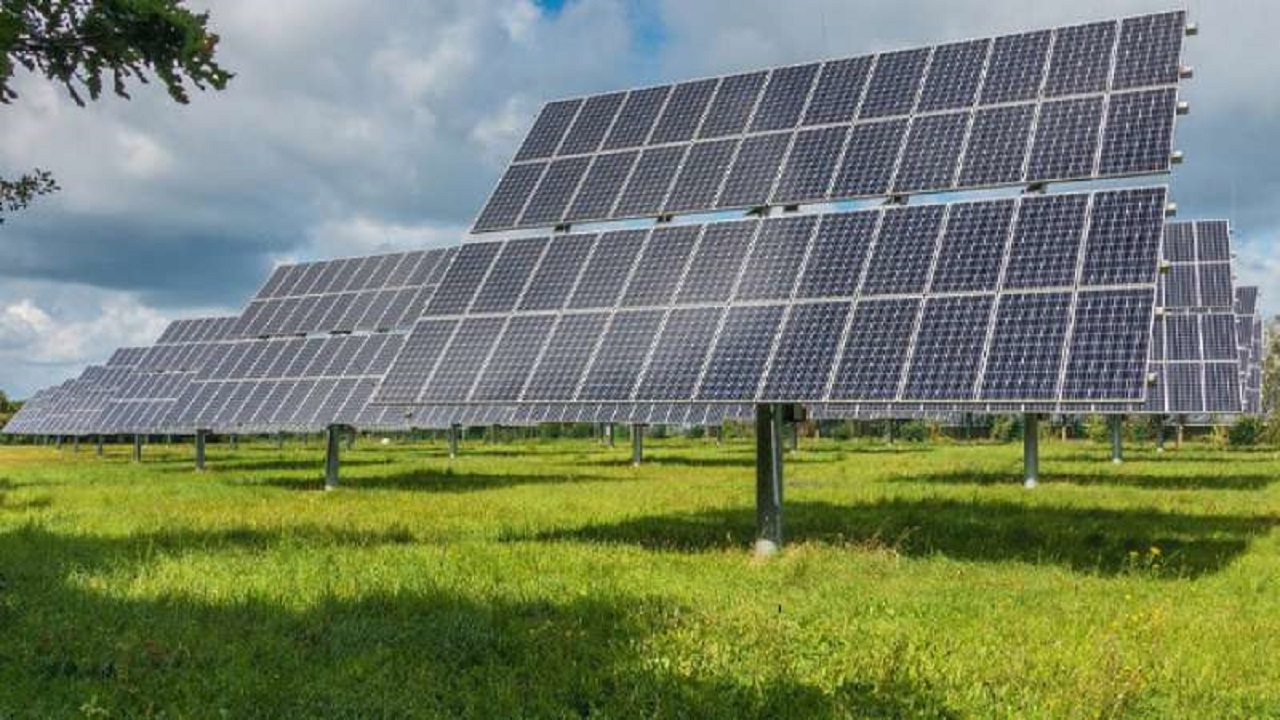

In Comparison to the Itaipu Hydroelectric Plant, Brazil Currently Has a Large Capacity for Solar Energy Generation, but There are Still Unexplored Places with High Potential to Host New Solar Complexes
Brazil currently has sufficient capacity to produce a quantity of solar energy very similar to that produced by the Itaipu Hydroelectric Plant. In a recent milestone, the country managed to surpass the mark of 13 gigawatts (GW) of operating power in large solar plants and in small and medium-sized photovoltaic systems installed on rooftops, facades, and also on land.
Read Other Related News
Investments in the Solar Energy Generation Sector Grew by Over 40% Since 2012
When comparing the amount of GW produced by the country with the amount produced by the Itaipu Binational Hydroelectric Plant, it is due to the fact that Itaipu is one of the largest hydroelectric plants in the world, with an installed and operational capacity of 14 GW.
According to data provided by the Brazilian Solar Photovoltaic Energy Association, Absolar – responsible for conducting technical studies and gathering various companies in the energy generation sector – solar energy has already received over R$ 66.3 billion in investments and has generated over 390,000 jobs in Brazil since 2012. It has also enabled the avoidance of approximately 14.7 million tons of CO2 emissions, which commonly occur during the electricity generation process.
-
Fired during apartheid and with a little borrowed money, an electrician started with a borrowed truck and transformed electrical services into a group connected to energy, real estate, and infrastructure in South Africa.

-
Wood has ceased to be just a construction material in Yale research and has become insulation for electrical transformers that face intense heat, aging, and increasing pressure from the renewable energy-powered grid.
-
More than 1,000 residents of a remote island in Kiribati now have clean water and electricity with solar systems operated by the community itself.
-
Ceará brings together 7 giants and R$ 66 billion to transform Pecém into the largest green hydrogen hub in Brazil, with final decisions expected by the end of 2026.


Large-Scale Solar Plants Represent 2.4% of the Country’s Total Energy Matrix
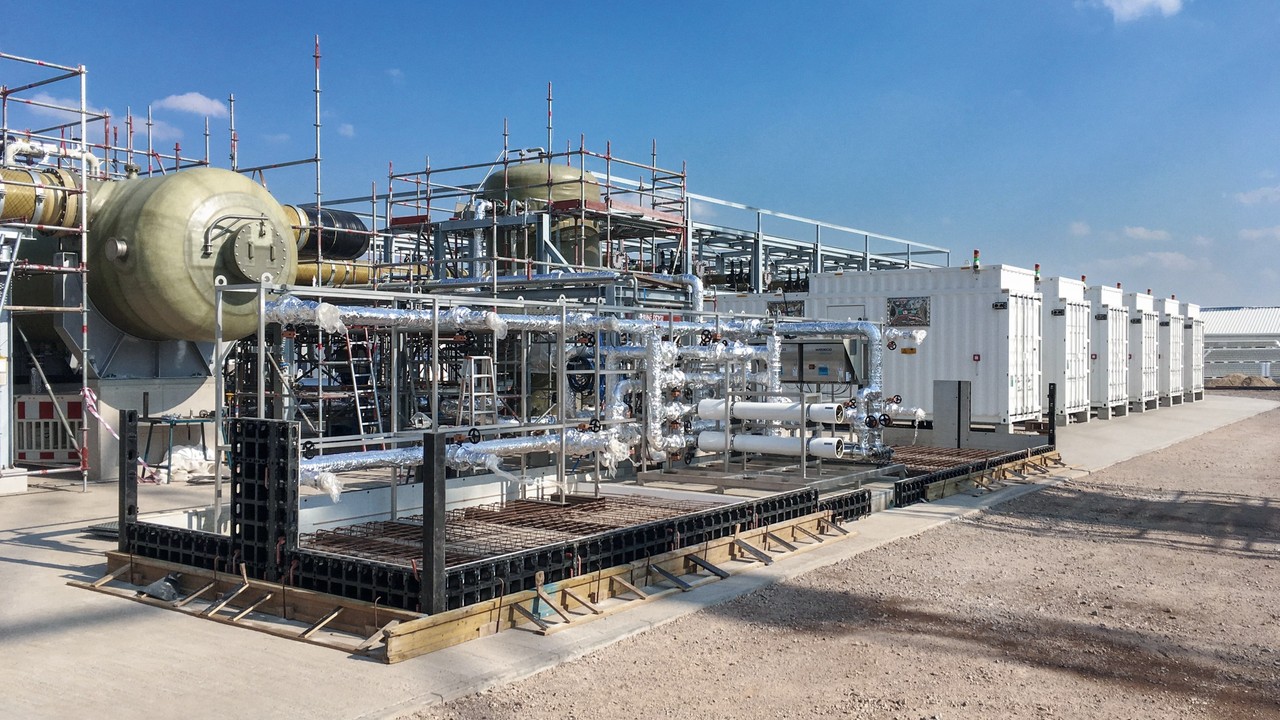
Of the total 13 gigawatts of power, energy generation through solar panels installed on buildings and residences, known as distributed generation, currently represents 8.4 GW of installed power. In terms of large-scale solar plants, about 4.6 GW represent their installed capacity, equivalent to 2.4% of the country’s total energy matrix.
According to Absolar, large-scale solar plants rank 6th in the list of the largest sources of photovoltaic energy generation in Brazil, with several large plants currently spread across the following states: Bahia, Ceará, Paraíba, Pernambuco, Piauí, Rio Grande do Norte, Tocantins, Minas Gerais, and São Paulo. The state of Bahia is the leader in distributed solar energy generation in the country.
The CEO of Absolar, Rodrigo Sauaia, highlighted that large-scale plants can generate energy at a cost up to ten times lower compared to emergency fossil thermal plants or even electricity imported from neighboring countries, which has been one of the factors increasing tariffs for consumers.
Country Development with Solar Energy Generation
Sauaia reported that the advancement of solar energy generation is extremely important for the social, economic, and environmental development of the country. He highlighted the versatility and agility attributed to solar technology generation systems, as it only takes a single day of installation to transform a business or any residence into a small generator of clean, renewable, and accessible energy.
The Executive Director of Consulting at Absolar noted that there are several industries that have yet to migrate to the solar energy system and stated that there are many areas with excellent potential for hosting solar power plants or farms.