





 Portuguese
  English
  Spanish
  6 min of reading
  0 comments


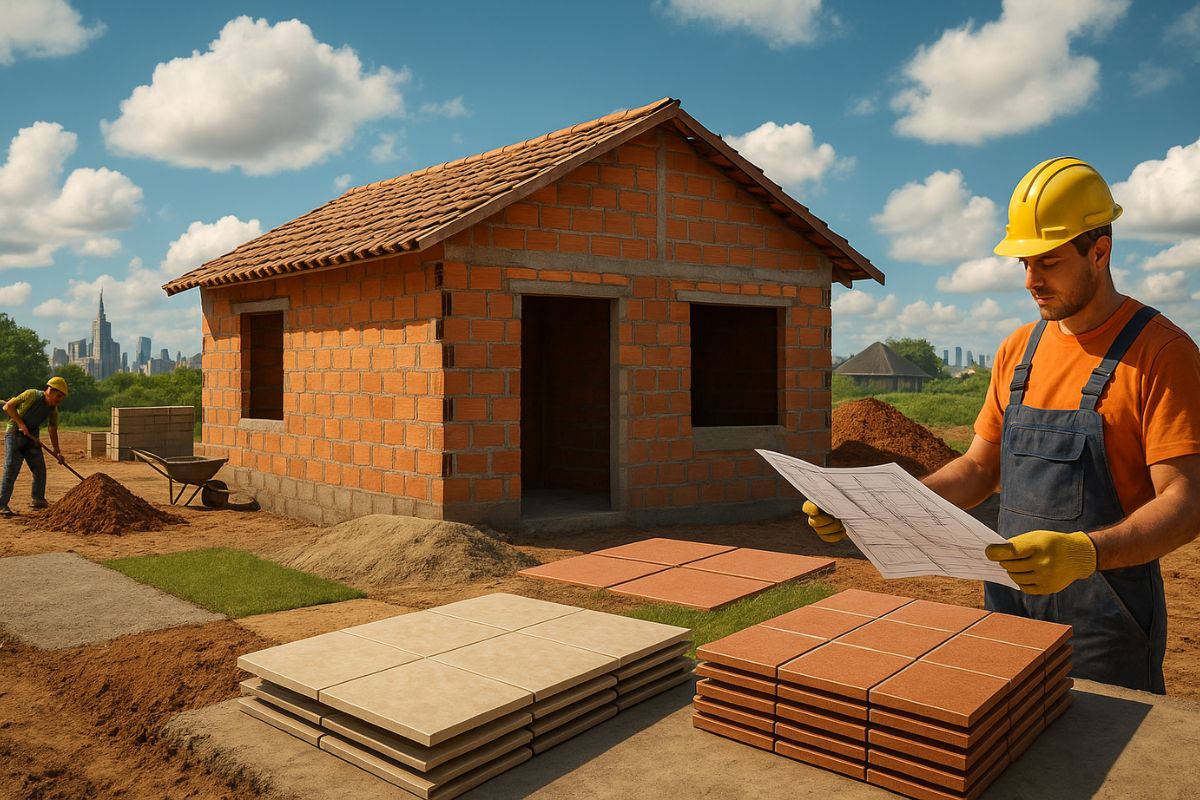
Building A House In 2025 Requires Rigorous Planning: A 95 M² Home May Cost Around R$ 218 Thousand In São Paulo, While In Santa Catarina The Same Project Almost Doubles, And Finish Standard, Land, And Labor Can Change Everything In The Final Budget.
Building a house is the dream of many people, but in 2025 this dream comes with numbers that cannot be ignored. In August 2025, the average cost to build a house in São Paulo is around R$ 1,493.22 per square meter, which puts a 95 m² house in the range of approximately R$ 218 thousand. In Santa Catarina, the same project costs about R$ 2,982.45 per square meter, showing how the location where you decide to build a house completely changes the account.
At the same time, building a house continues to be the most direct way to have a property the way you always wanted: customized layout, choice of materials, and environments planned for the family’s routine. However, between the dream and the keys in hand, there are decisions about flooring type, architectural design, land conditions, and labor contracting model that can either reduce or multiply the total cost of the construction.
How Much Does It Cost To Build A 95 M² House In 2025
Based on the data from August 2025, a good reference for those looking to build a house is the CUB/m², the Basic Unit Cost used by the construction industry.
-
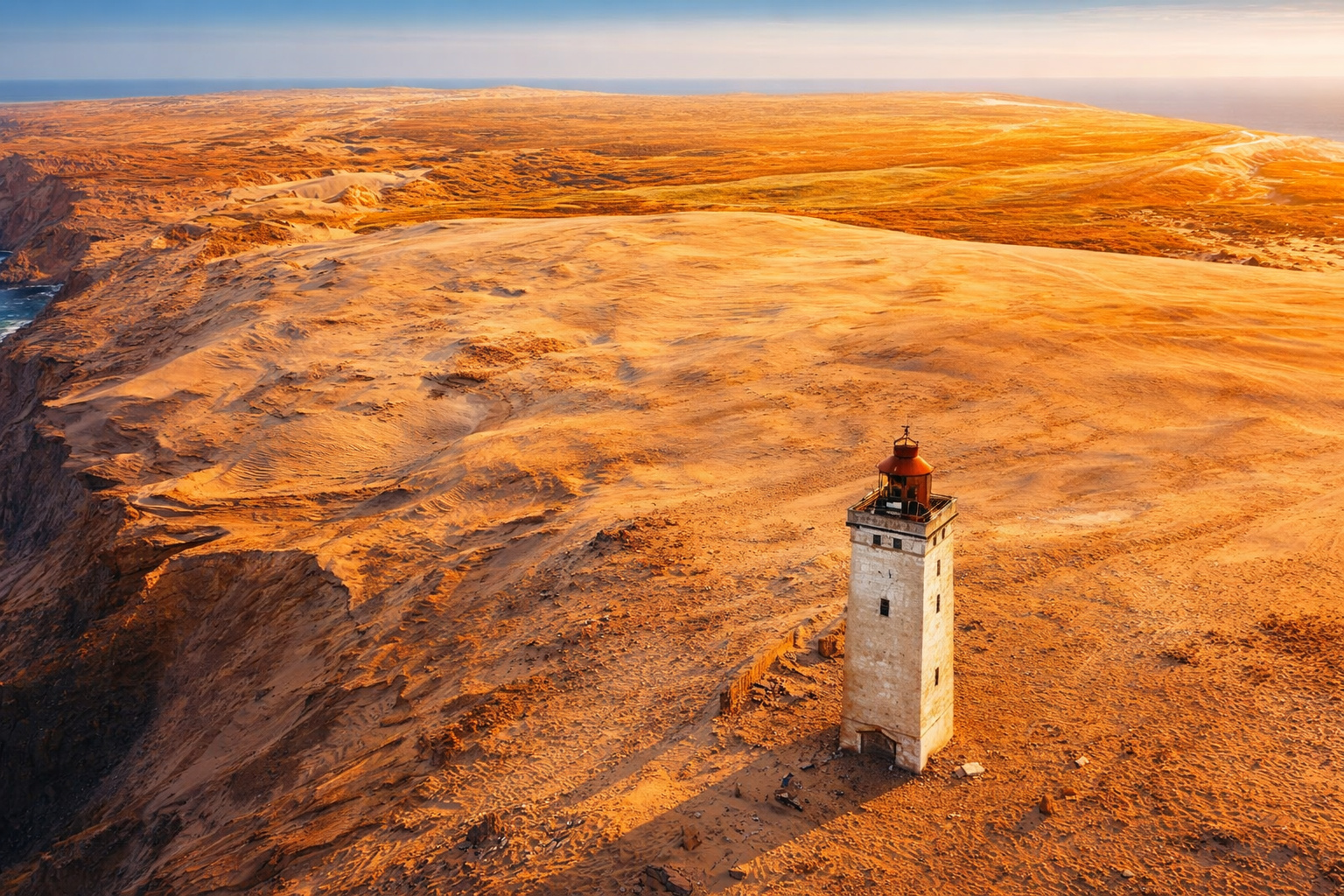
Attracting around 250,000 people a year, a lighthouse 200 meters from the sea, on a 60-meter high cliff, on the North Sea coast in Denmark, becomes one of the most impressive examples of how nature can threaten historical buildings.
-
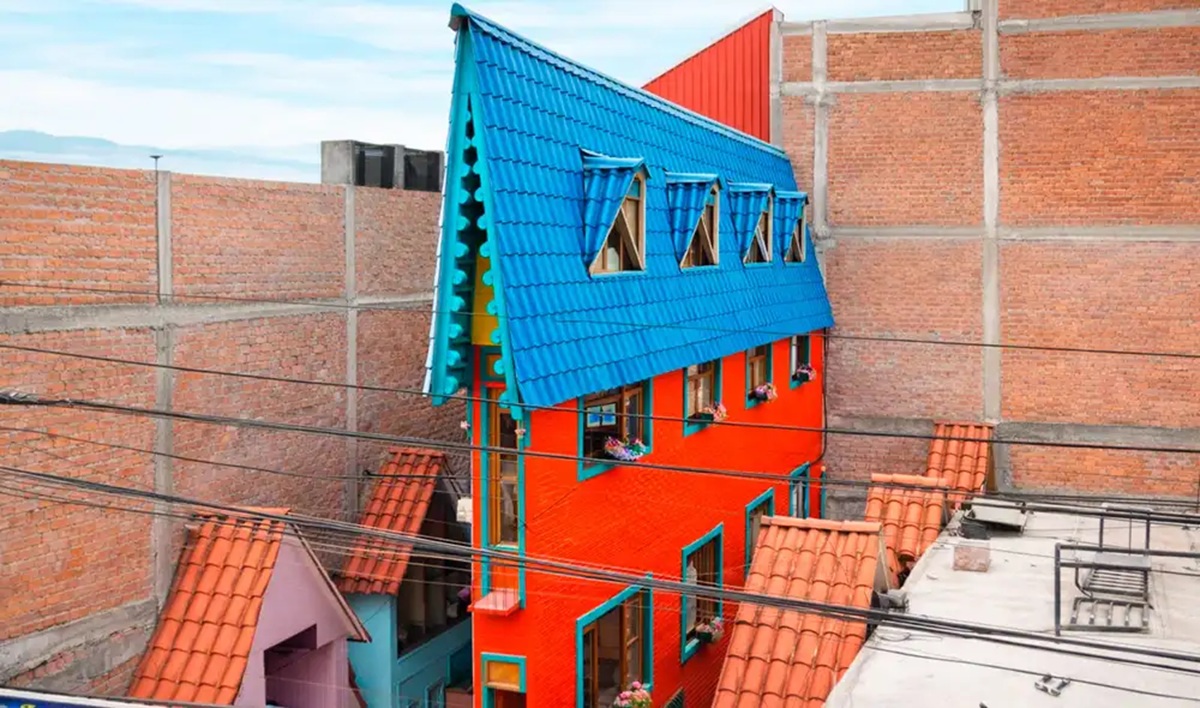
The narrowest house in the world is only 63 centimeters wide, but inside it can accommodate a bathroom, kitchen, bedroom, office, and even two staircases.
-
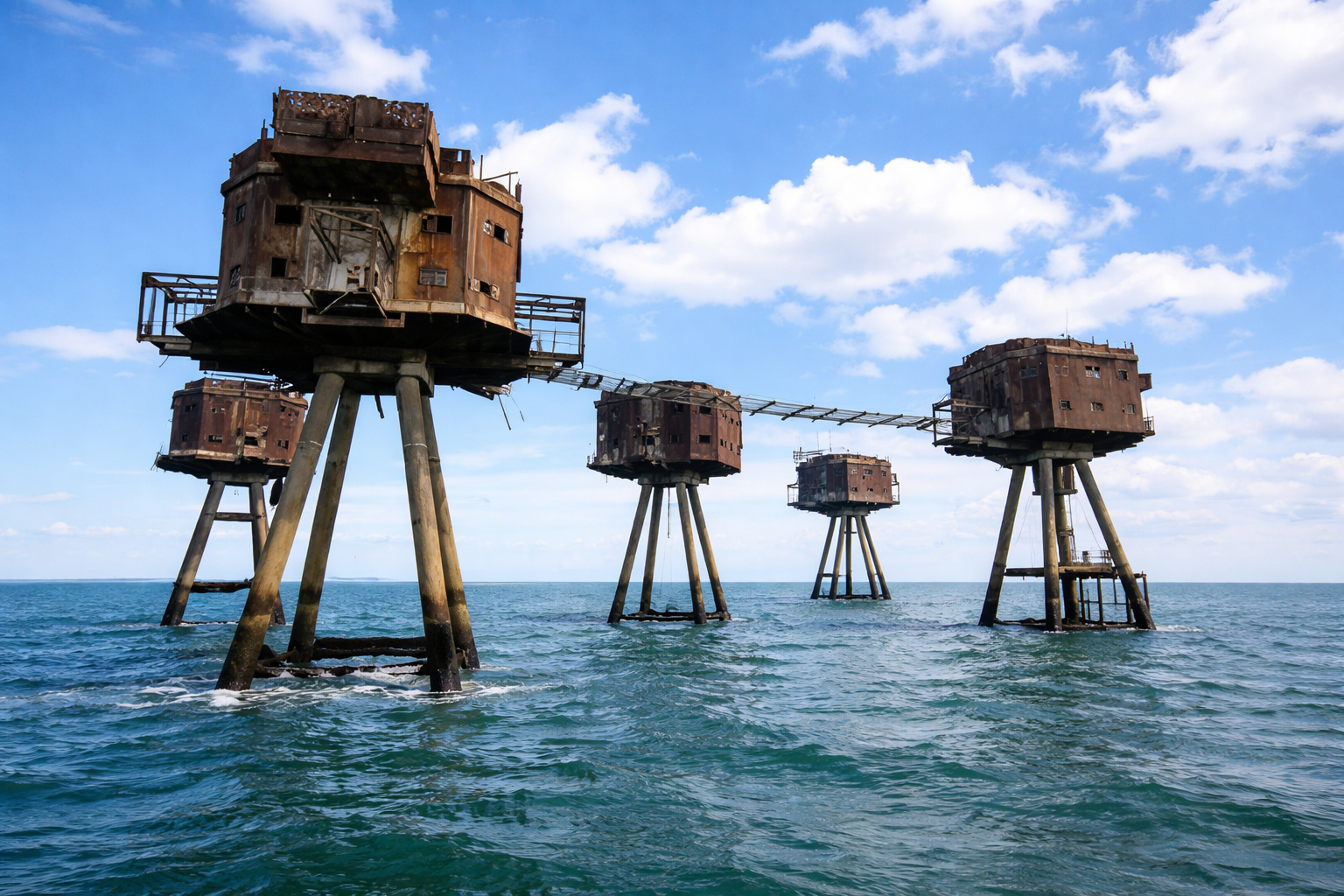
In the middle of the sea, these enormous concrete and steel structures, built by the British Navy to protect strategic maritime routes, look like they came straight out of a Star Wars movie.
-
For years, no one could cross a neighborhood in Tokyo because of the tracks, but an impressive solution changed mobility and completely transformed the local routine.

In São Paulo, the CUB of a standard single-family home is close to R$ 1,493.22 per square meter, which puts a 95 m² house at around R$ 218 thousand.
It is important to understand that the CUB is not the exact price of your construction but a regional average. Each house construction project has its peculiarities, such as the number of bathrooms, roof type, the presence of a garage, suite, office, or higher ceiling.
Therefore, the CUB serves as a starting point to estimate the budget, never as a final fixed amount.
What Most Affects The Cost Of Building A House
When someone asks how much it costs to build a house, the answer almost always starts with “it depends.” And it depends a lot. Among the factors that most impact the final value are:
Finish Standard
The finish of the house is one of the biggest villains or allies of the budget. Switching from a popular standard to a high standard can multiply the cost of materials several times, especially for items like flooring, coverings, fixtures, and metals.
The choice between ceramic tile and porcelain tile, between leaving the wall in just plaster or applying joint compound or acrylic, between a simple ceiling and a recessed ceiling with moldings—all these factors change the cost per square meter.
Fixtures, faucets, mixers, and showerheads follow the same logic: there is a significant price gap between basic lines and more sophisticated versions.
House Architecture
The architecture also directly impacts the cost of building a house. Two houses with the same area can have very different final values.
More cuts in the roof, more details in windows and doors, higher ceilings, and additional rooms increase material consumption and execution complexity.
A compact house with a simple layout tends to have a lower cost per square meter than a project full of volumes, special balconies, large glazed openings, and many rooms or leisure areas.
Land Type
The land is another critical point. Building a house on flat land is one thing; on a slope, decline, or very uneven soil is another.
Irregular plots require more foundation structure, retaining walls, cuts, and fill, as well as more elaborate solutions for vehicle and pedestrian access. All this translates into more concrete, more steel, more work hours, and consequently, more cost.
Type Of Labor Contracting
Finally, the type of labor contracting model significantly alters the budget. Hiring a contractor or construction company tends to be more expensive but brings a package that includes a structured team, management, labor costs, and formal responsibilities.
On the other hand, taking over the management of the construction and hiring freelance professionals or small teams can reduce direct costs, but it requires time, knowledge, and willingness to oversee purchasing materials, scheduling, and execution. What you save in money is often paid in effort and risk.
Price Ranges For Building A House
Considering all these variables, it is not an exaggeration to say that it is possible to build a house for around R$ 50 thousand, in simple, small projects with basic materials.
At the same time, a house can easily exceed R$ 500 thousand when combining a larger area, high finishing standard, more sophisticated architecture, complex land, and hiring a construction company.
In practice, those looking to build a house need to understand that the final value results from the sum of dozens of choices along the way.
Every decision regarding square footage, number of rooms, roof type, flooring, covering, fixtures, fittings, and even lighting details affects the budget.
How To Estimate The Cost Of The Work In Practice
To move from theoretical doubt to numbers closer to reality, some strategies help a lot.
One option is to hire a specialized estimator, who usually charges per square meter and prepares a detailed budget based on your project and the reality of your region. This professional can translate the design into quantities of materials and work hours, closely approximating the final cost.
Another alternative is to talk with the engineer or architect responsible for the project. Not all prepare a complete cost forecast, but these professionals usually provide good references regarding values and ways to save without compromising safety or functionality.
Additionally, using the CUB/m² of your state as a reference is a simple way to get an initial idea of how much it costs to build a house within a specific standard. It does not replace a complete budget, but organizes the reasoning and avoids estimates that are completely out of line with reality.
Spreadsheets And Software For Better Planning
For those who like to control everything in detail, there are spreadsheets and specific software for construction budgeting. Well-structured spreadsheets allow you to enter the house area, type of flooring, number of rooms, type of painting, and other parameters to generate a list of materials and services with estimated quantities.
Budgeting programs go further and calculate costs by stage of the work, helping engineers, builders, and companies organize the flow of expenses. For those building a house only once, it may not be worth training on complex systems, but understanding that these tools exist helps grasp the logic of price formation.
How To Use This Information To Plan Your House In 2025
In summary, building a house in 2025 means balancing dream and spreadsheet.
The figures from 2025 show that the cost per square meter is already high, especially in states like São Paulo and Santa Catarina, and that decisions about finish standards, architecture, land, and labor can bring the project closer to or further away from your available budget.
Based on references like the CUB/m², support from professionals, use of spreadsheets or software, and a critical eye for what is essential and what is merely desire, it becomes easier to make conscious decisions and avoid unpleasant surprises throughout the construction.
For you, which of these factors weighs most when deciding whether it is worth building a house in 2025: the cost of the land, the finishing standard, the type of project, or the way to hire labor?





-

-

-

-

-

14 pessoas reagiram a isso.