





 Portuguese
  English
  Spanish
  3 min of reading
  0 comments


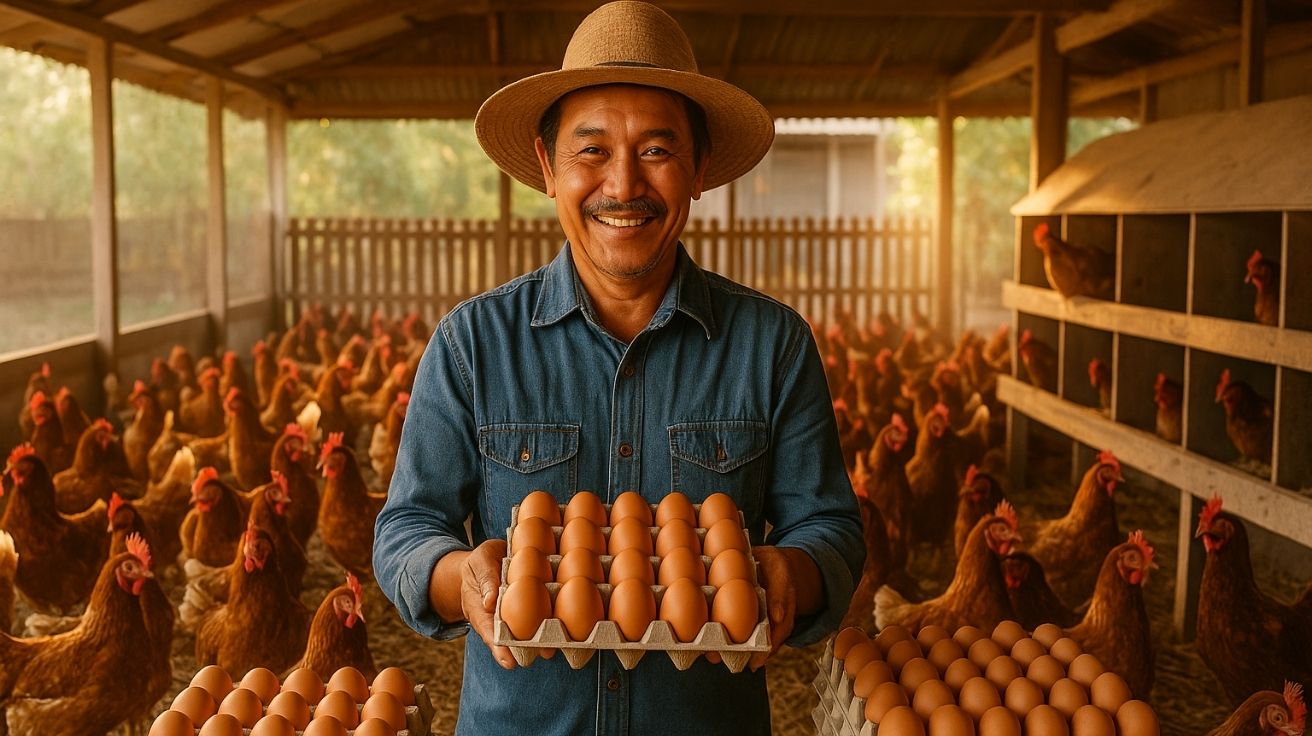
With Planning and Good Pricing, Rural Producer Earns Over R$ 2,800 Per Month with Eggs, Even on a Small Scale and with Simple Structure in the Field
Raising 200 laying hens in the backyard can yield a profit of over R$ 2,800 per month, according to updated data shared by the channel Investidor Rural. The calculation considers hens already in full laying phase, with an average productivity of 85%, and actual market prices practiced in May 2024.
Despite seeming simple, the activity requires attention to production costs, especially with feed, which accounts for the largest part of expenses. Still, with organization and financial control, it’s possible to transform a flock of 200 birds into a stable source of income in the family agribusiness.
ARTICLE CONTINUES BELOWSee also
The rise in oil prices in the Middle East is already affecting Brazilian sugar: mills in the Central-South are seeing their margins shrink just as ethanol gains strength.

Rain gains strength in April, potentially exceeding 150 mm, placing the North, Northeast, and the coasts of the South and Southeast at the center of the heaviest forecast of the week.

A fish that survives out of water, crawls on land until it finds another river, and whose female lays 80,000 eggs at once is infesting rivers and lakes in Brazil, and no one can stop this invasion.

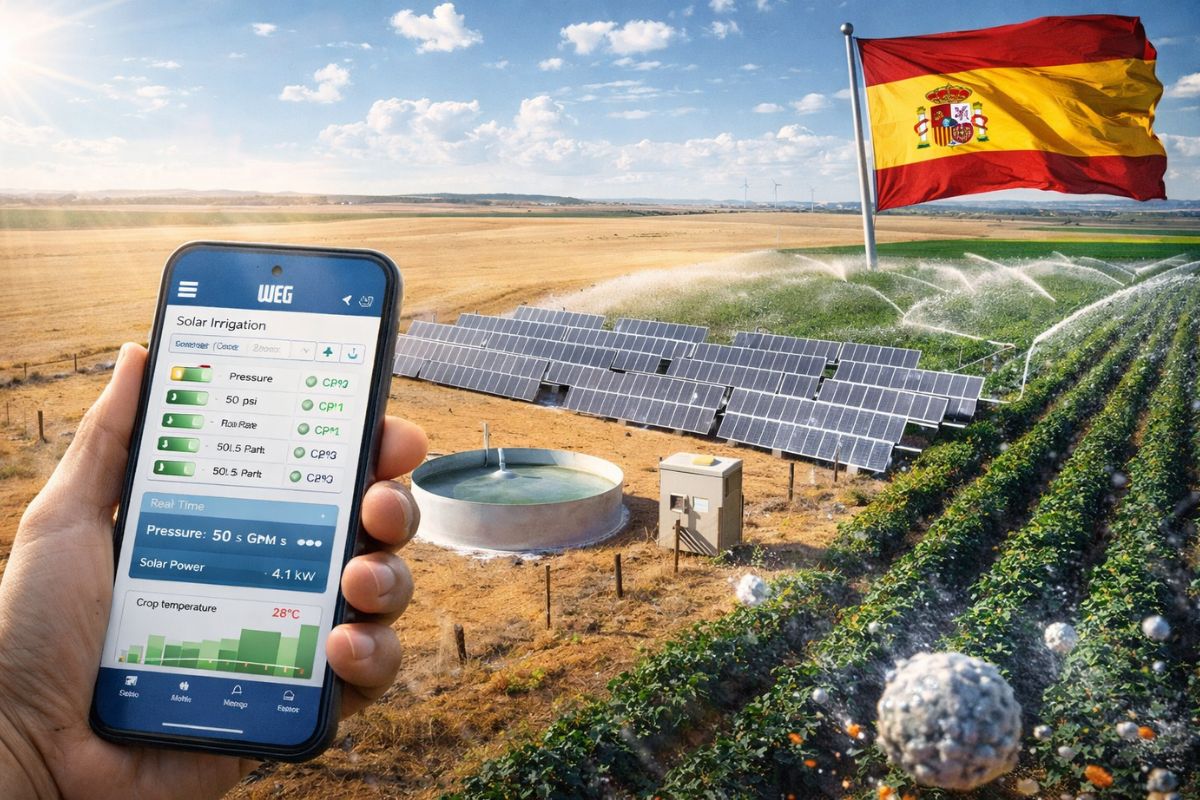
WEG took its technology to Spain to create a solar irrigation system that operates independently without needing an electrical grid, and now farmers control everything remotely via their mobile phones.
Feed and Packaging Are the Highest Costs for Rural Producers
In a simulation done by the producer, each hen consumes about 110 g of feed per day, resulting in a monthly consumption of approximately 300 kg for 200 birds. With an average price of R$ 2.30 per kilogram, the total cost for feeding was R$ 1,568.60. The hens produced an average of 170 eggs per day, totaling 5,270 eggs per month, or 439 dozen.

Other costs included R$ 439.17 for packaging, R$ 400 for fuel, R$ 19.84 for electricity, and R$ 9.56 for water, resulting in a total operational cost of R$ 2,437.17 for the month.
These figures represent the reality of a poultry operation with simple infrastructure, installed on a small family farm, with local deliveries and controlled energy usage, including nighttime lighting to regulate the laying cycle.
Egg Price Determines Profit and Can Vary by Region
The most decisive factor for the final profit is the pricing of a dozen eggs. Selling at R$ 10, the estimated monthly profit would be R$ 954.50. However, selling at R$ 12 per dozen, which is the price practiced in the producer’s region, the final profit rises to R$ 2,832.83, which represents more than the net salary of most formal jobs in the country.
For those able to charge even higher prices, such as R$ 15 per dozen (a common price at fairs or direct to consumer deliveries), the profit exceeds R$ 4,100 per month. This reinforces the importance of knowing the local market well, investing in customer relationships, and maintaining the quality of the eggs and packaging.
Egg Production in the Field Requires Preparation, Study, and Financial Control
Despite being profitable, raising laying hens requires discipline, financial planning, and knowledge of management, nutrition, and health of the birds. The producer strongly recommends that interested parties study the subject and simulate costs based on their own reality, including vaccines, infrastructure, equipment, labor, and market seasonality.
The initial investment in the barn, feeders, drinkers, and the hens themselves was not considered in this calculation, as the profits analyzed only assess the monthly flow after the beginning of laying. However, the return on investment can occur in a few months, especially if costs are well controlled and the producer knows how to price correctly.
The use of tools such as production and expense control spreadsheets was also highlighted as essential to maintaining the financial health of the business. The producer shares one of these tools for free with his followers.
Investidor Rural Channel Shows Practically How to Live Off Raising Chickens
The video published by the Investidor Rural channel presents a straightforward step-by-step guide, focusing on clarity and realism. The content attracts thousands of views by demonstrating, in practice, how much raising laying hens yields, with real data that can be adapted to any region of Brazil.
According to the producer, raising animals in the field, even on a small scale, can represent the main source of income for the family, as long as it is done responsibly and with planning. The secret lies in accurately calculating costs and mastering the process of production and sale of eggs.










-

-

-

-

-

24 pessoas reagiram a isso.