





 Portuguese
  English
  Spanish
  3 min of reading


Energy Consumption Decline in October Was Felt Across Several Sectors. Factors Beyond Increased Electricity Bills Are Involved in the Issue.
According to the Comerc index, the main sectors of the economy experienced a slight decline in energy consumption in October. Although it was a retraction of only 0.27%, the decrease in energy use by some sectors was offset by an increase in energy consumption from others.
The decline within the historical margin was driven by the Retail (0.11%), Manufacturing (3.56%), Auto Parts and Vehicles (3.66%), and Electromechanics (4.61%) sectors.
- Renovigi Aims for Solar Power Generation to Supply Electric Cars in the Northeast
- Electricity Bill: Expected to Rise in 2022 Up to Three Times Higher than in 2021, the Search for Decentralized Solar Energy Surges in Brazil
- COP26: What Changes Regarding Oil and Renewable Energy?
Consumption Fluctuation May Not Be Solely Related to Increased Electricity Bill Amounts
In contrast to the declining sectors, there were five sectors with an increase in consumption: Pulp and Paper (0.29%), Steel and Metallurgy (1.40%), Construction Materials (1.51%), and Packaging (1.71%).
-
Brazil Ignores Trump’s threats to BRICS, Buys 42 tons of gold and reduces the Dollar’s share by 6.45% in international reserves.

-
Havan buys historic football land in Blumenau for a million-dollar amount protected by a confidentiality clause and is already planning to change even the layout of streets to build a megastore in half-timbered style costing 80 million reais.

-
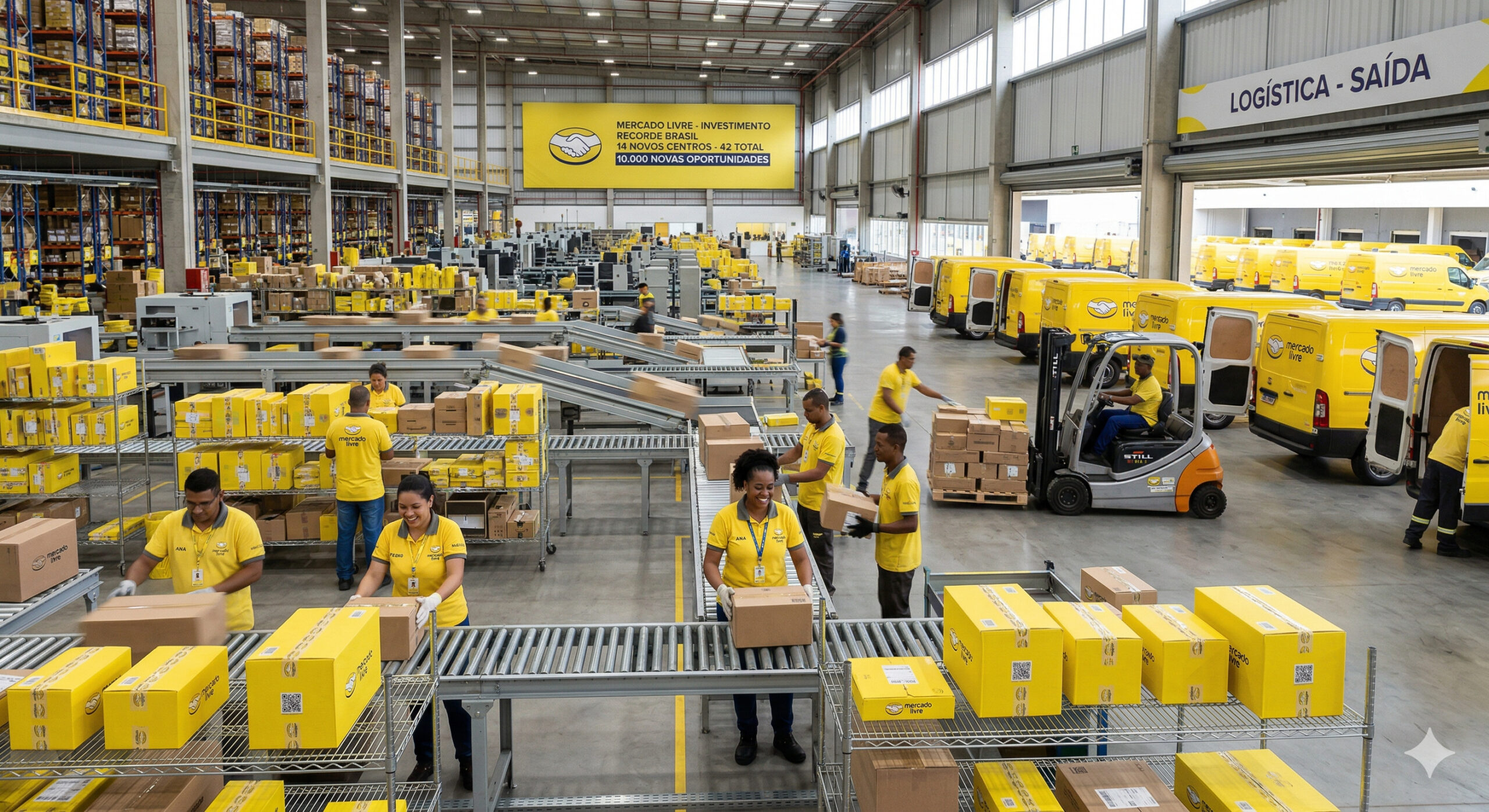
Mercado Livre “opens the vault” and announces a record investment of R$ 57 billion in Brazil in 2026, a value 50% higher than the previous year, with an expansion plan that includes 14 new logistics centers, totaling 42 units in the country and hiring an additional 10,000 employees.
-
How investment in technology can revolutionize the national economy and enhance industrial gains, according to a study that highlights the direct impact on productivity, innovation, and wealth retention within Brazil.


The increases in energy consumption shown by the Comerc index are not solely due to the escalation in electricity prices caused by the water crisis.
Among the markets experiencing the largest declines in October this year, we can also observe the influence of another crisis, a global one, that many markets are currently facing: the chip crisis.


In fact, the most extreme declines were observed in markets that, in some way, were negatively affected by the difficulties producers faced in supplying the chip market fully.
Additionally, it is noteworthy that there was an increase in energy consumption during this October, where we see, for example, the paper and pulp sector, which experienced a considerable increase in demand due to the rise in consumption of hygiene wipes, driven by the pandemic.
The packaging market also saw a significant increase in its activities due to the rise in online purchases caused by Covid restrictions.
Another aspect to consider is the decrease in energy consumption also caused by self-generated energy.
Various markets are rethinking their energy matrix in light of rising grid electricity prices, considering self-generation possibilities.
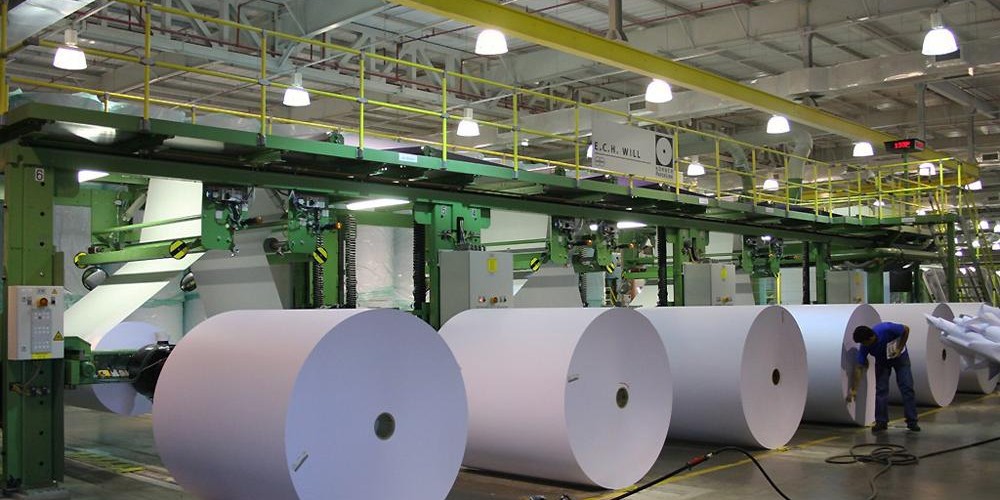
A clear example of this is the number of pulp and paper companies that have set up or are in the process of establishing small thermoelectric plants, using their own chips and other waste from the paper and pulp production to generate at least part of the energy used in the factory.
Another detail to highlight is the increase in the installation of solar panels in companies. According to the monthly energy report, there was a 67% increase in solar energy generation in Brazil in 2021, partly related to companies and industries.








Seja o primeiro a reagir!