






 Portuguese
  Spanish



Energy Consumption Decline in October Was Felt Across Several Sectors. Factors Beyond Increased Electricity Bills Are Involved in the Issue.
According to the Comerc index, the main sectors of the economy experienced a slight decline in energy consumption in October. Although it was a retraction of only 0.27%, the decrease in energy use by some sectors was offset by an increase in energy consumption from others.
The decline within the historical margin was driven by the Retail (0.11%), Manufacturing (3.56%), Auto Parts and Vehicles (3.66%), and Electromechanics (4.61%) sectors.
- Renovigi Aims for Solar Power Generation to Supply Electric Cars in the Northeast
- Electricity Bill: Expected to Rise in 2022 Up to Three Times Higher than in 2021, the Search for Decentralized Solar Energy Surges in Brazil
- COP26: What Changes Regarding Oil and Renewable Energy?
Consumption Fluctuation May Not Be Solely Related to Increased Electricity Bill Amounts
In contrast to the declining sectors, there were five sectors with an increase in consumption: Pulp and Paper (0.29%), Steel and Metallurgy (1.40%), Construction Materials (1.51%), and Packaging (1.71%).
-
Brazilian Job Market Surprises: Unemployment Falls to 5.6%, Hits Record Low for May, Brazilian Incomes Rise, and Underemployment Reaches Lowest Level Ever Recorded by IBGE

-
Chinese E-commerce Giant Predicts Robots Will Replace 700,000 Delivery Workers as Autonomous Vehicles Expand to 200 Cities, Offering Training for Workers to Maintain Their Machines

-
Trump warns Europe with 100% tariff threat on digital tax, potentially impacting wine and trade agreements
-
As Homeownership Becomes Unattainable in Brazil, Japanese Municipalities Offer Abandoned Houses for as Low as $3,000 to Revitalize Aging, Emptying Cities


The increases in energy consumption shown by the Comerc index are not solely due to the escalation in electricity prices caused by the water crisis.
Among the markets experiencing the largest declines in October this year, we can also observe the influence of another crisis, a global one, that many markets are currently facing: the chip crisis.


In fact, the most extreme declines were observed in markets that, in some way, were negatively affected by the difficulties producers faced in supplying the chip market fully.
Additionally, it is noteworthy that there was an increase in energy consumption during this October, where we see, for example, the paper and pulp sector, which experienced a considerable increase in demand due to the rise in consumption of hygiene wipes, driven by the pandemic.
The packaging market also saw a significant increase in its activities due to the rise in online purchases caused by Covid restrictions.
Another aspect to consider is the decrease in energy consumption also caused by self-generated energy.
Various markets are rethinking their energy matrix in light of rising grid electricity prices, considering self-generation possibilities.
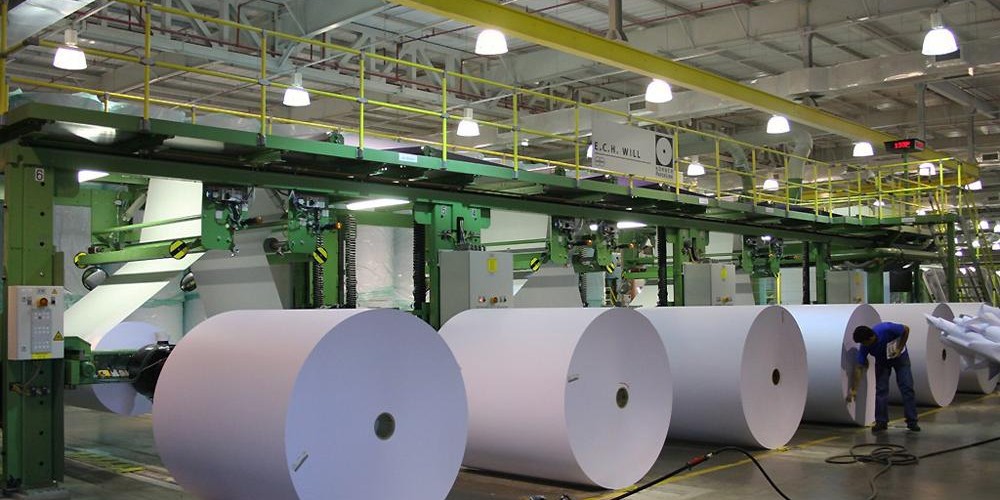
A clear example of this is the number of pulp and paper companies that have set up or are in the process of establishing small thermoelectric plants, using their own chips and other waste from the paper and pulp production to generate at least part of the energy used in the factory.
Another detail to highlight is the increase in the installation of solar panels in companies. According to the monthly energy report, there was a 67% increase in solar energy generation in Brazil in 2021, partly related to companies and industries.


