





 Portuguese
  English
  Spanish
  4 min of reading
  1 comment


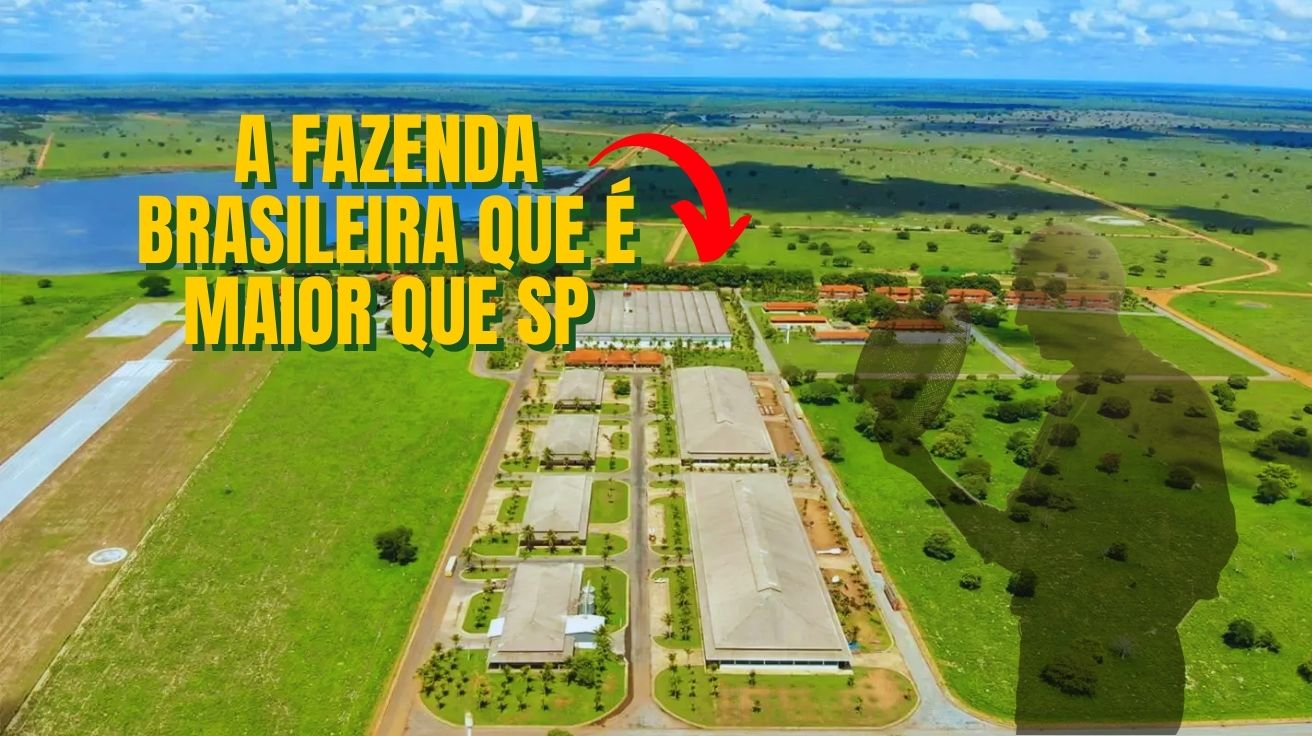


With an area larger than the city of São Paulo, a Brazilian farm surprises not only by its size but by merging technology, sustainability, modern cattle raising, and agricultural innovation in a single space that functions as a true integrated rural community.
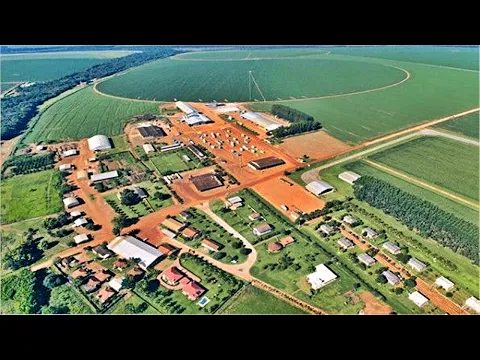
Located in Querência, Mato Grosso, Fazenda Roncador is one of the largest rural properties in the country, with an impressive area exceeding 153 thousand hectares, surpassing even the area of the city of São Paulo.
According to data from Forbes magazine, the São Paulo capital occupies about 152.1 thousand hectares, meaning Fazenda Roncador has a larger area than the largest metropolis in Brazil.
Who is the Owner of Fazenda Roncador?
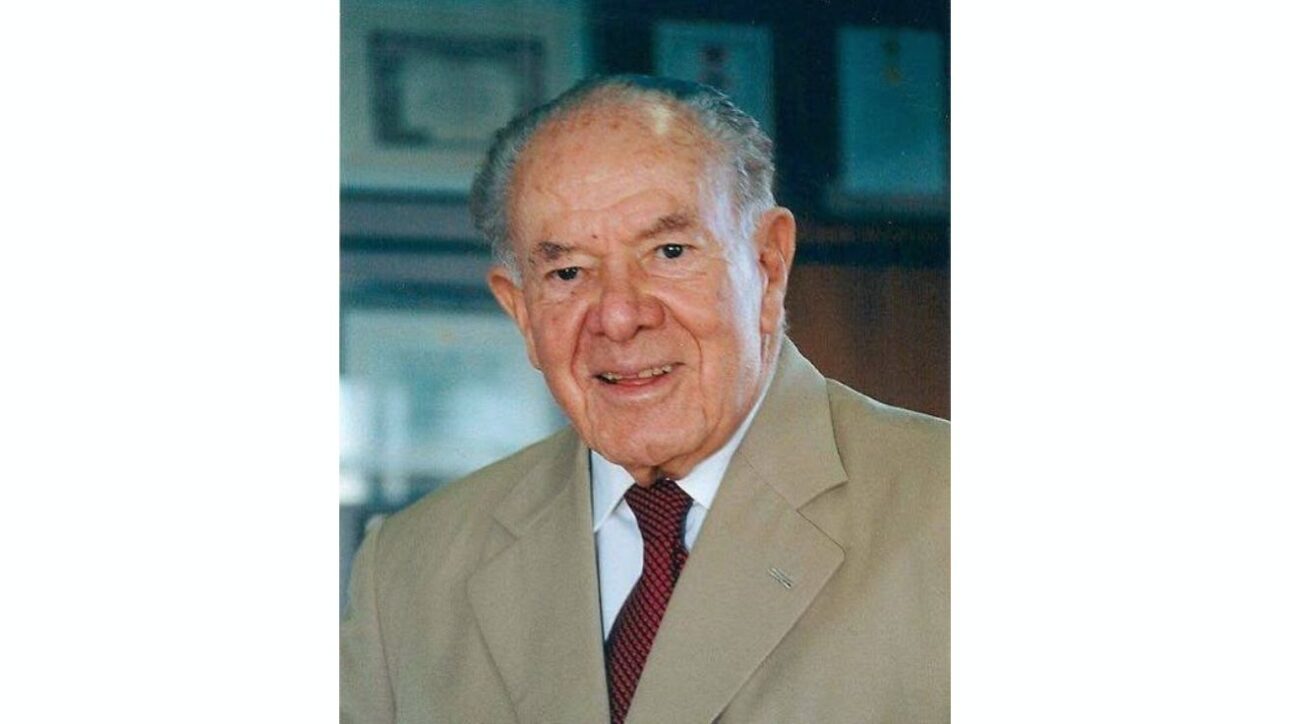
Fazenda Roncador was founded in the 1970s by Pelerson Soares Penido, a visionary entrepreneur who also participated in the construction of Brasília and founded the highway concessionaire CCR.
-
Amazon has just announced a new fee on all deliveries, and your online purchases will become more expensive starting April 17, including for those buying from the United States here in Brazil.

-
Home environment can influence the brain, mood, and well-being: studies indicate an increase of up to 15% in productivity, a reduction of 12% in stress with plants, and a direct impact of the circadian rhythm on the 24 hours of the day.

-
He sold his share for R$ 4 thousand, saw the company become a giant worth R$ 19 trillion, and missed the opportunity of a lifetime.

-
Elon Musk’s Starship megafrocket puts $8 billion at risk, raises alarms in the market, and could affect technology, mining, and space internet startups in the coming years.


After his passing in 2012, the property underwent a sharing process among his heirs.
Currently, the farm is managed by his grandson, Pelerson Penido Dalla Vecchia, known as Peleco, who leads the “new” Roncador focusing on sustainability and innovation.
The property, which was once the largest cattle ranch in Brazil, now has 53,041 hectares under Dalla Vecchia’s administration, remaining a reference in sustainable agricultural practices.
Integration Between Production and Preservation
The grandeur of this farm is not limited to its size but also to how it combines high productivity with sustainable practices, establishing itself as a reference in the national and international agribusiness.
Located in one of the most promising regions for agriculture in the country, Roncador has a management model that balances production and environmental preservation, dedicating half of its total area exclusively for the conservation of native ecosystems.
This integration between production and preservation is made possible by the use of regenerative techniques that respect the soil and the environment.
Annually, the farm plants about 40 thousand seedlings of native species, contributing to the maintenance of local biodiversity and helping to capture carbon from the atmosphere, an important factor in combating climate change.
Moreover, the biological pest control system used eliminates the need for pesticides, reinforcing the property’s commitment to the health of the ecosystem.
Integrated Agriculture and Livestock for Greater Efficiency
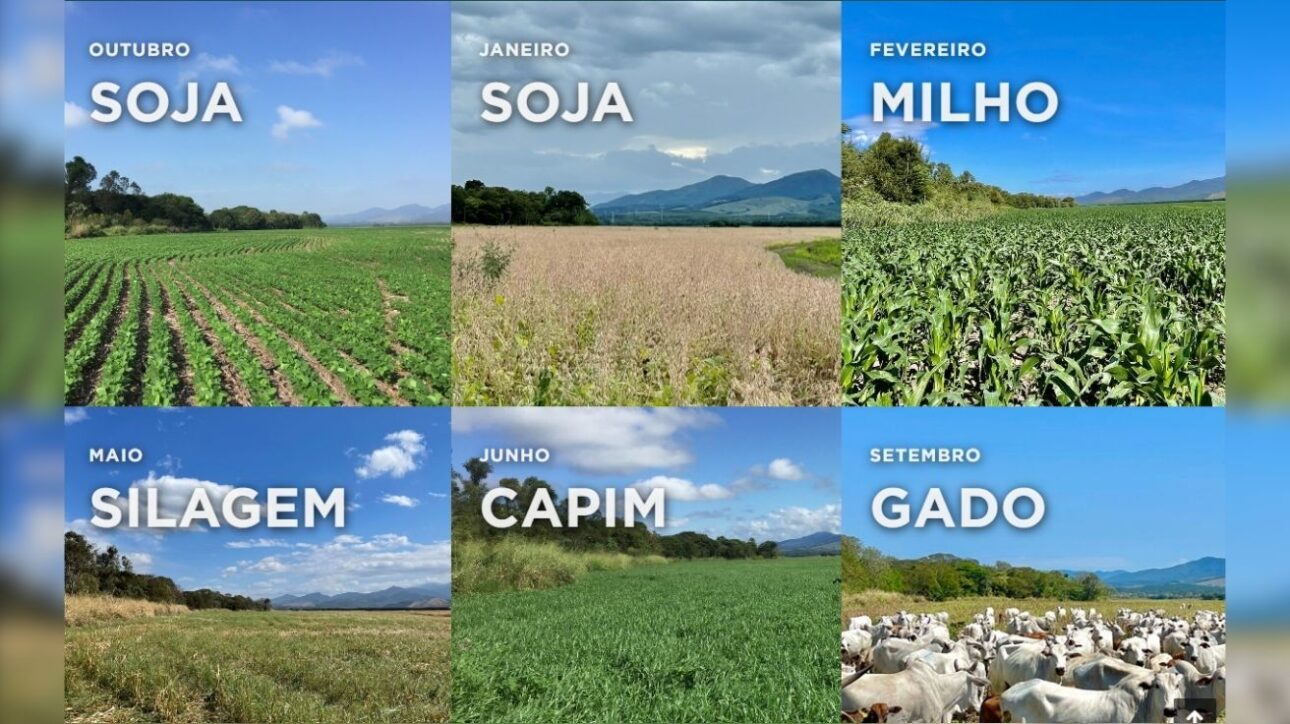
Another aspect that distinguishes Fazenda Roncador is the integration between agriculture and livestock, known as the ILPF system (Integration of Crop-Livestock-Forest).
In this system, soy is cultivated in the same spaces where cattle are raised, keeping the soil always covered and fertile, which reduces environmental wear and improves productivity.
In 2019, the farm produced over 166 thousand tons of soy and 5.2 thousand tons of meat, impressive numbers that demonstrate the efficiency of this model.
Animal Welfare and European Standards
In addition, animal welfare is a priority at Roncador.
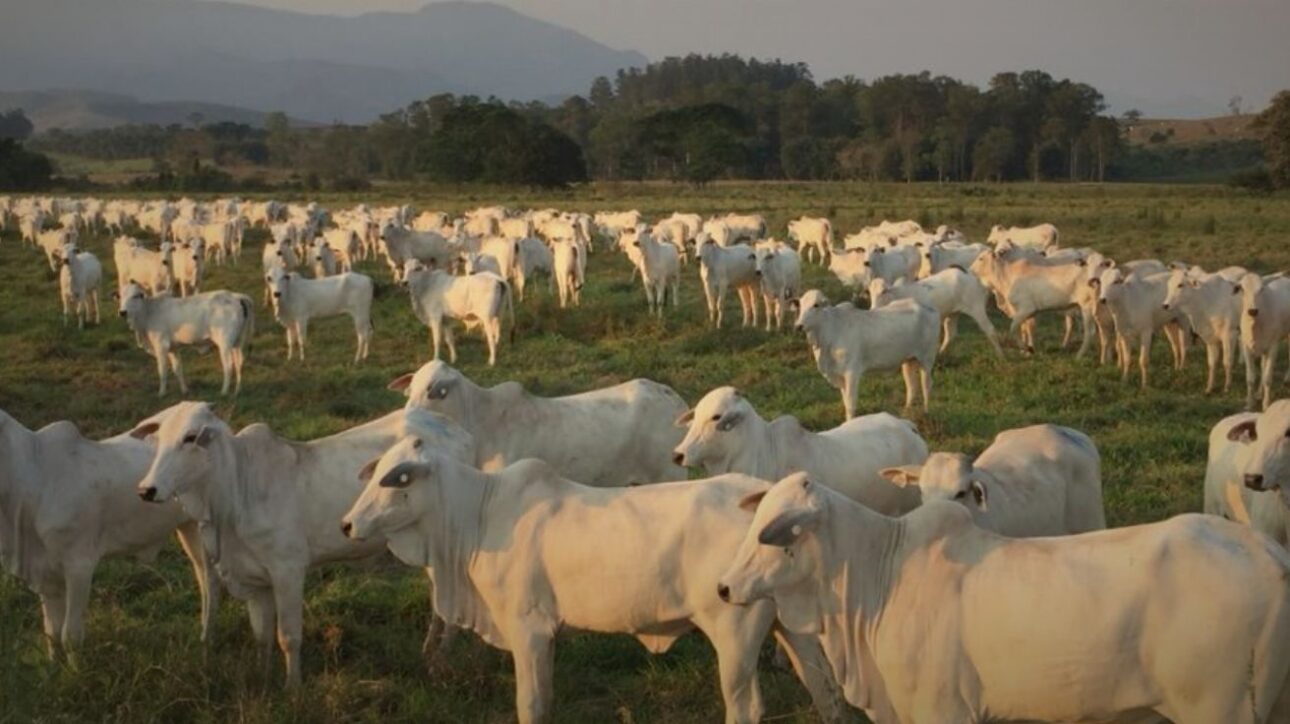
Unlike many traditional farms, the animals are raised free-range, without barbed wire fencing and with specific techniques to minimize the stress of cattle.
The farm adopts the strict breeding standards of the European Union, including complete tracking of animals and rigorous sanitary control, becoming an example of responsible and sustainable production.
Farm as Community
Fazenda Roncador is not just a large producer, but also a true community where about a thousand people live and work.
The property offers complete infrastructure, with schools, churches, sports courts, a supermarket, sewage network, and its own water supply system, ensuring a good quality of life for residents and demonstrating a solid social commitment.

A Model for the Future of Agribusiness
The current context of Brazilian agribusiness reveals a growing search for sustainable and innovative practices, and Fazenda Roncador is at the forefront of this transformation.
In addition to preserving large areas of native vegetation, the farm invests in technologies that improve the efficiency of agricultural and livestock production, contributing to food security and regional economic development.
While Roncador attracts attention for its size and the balance between production and conservation, other properties in Brazil are also growing and adopting sustainable systems.
Fazenda Nova Piratininga, for example, located between Goiás and Tocantins, is another giant that has heavily invested in technology and modern agricultural practices, reinforcing Brazilian prominence in the global agribusiness scenario.
With the evolution of agricultural practices and the increasing demand for responsibly produced food, Fazenda Roncador stands out not only for its size but also for the quality and innovation it presents in its management.
It represents a model that can inspire small, medium, and large producers to invest in sustainability without compromising productivity.
Did you already know Fazenda Roncador and its innovative practices? Which of these sustainable strategies do you find most interesting for the future of agribusiness in Brazil?



Me criei em S.Miguel do Araguaia. Conheço a Roncador, Querência MT. 154.000 ha. Várias matrículas. +- 50% de aproveitamento. Arrendada há décadas pela SLC. Talvez seja a terceira maior do Brasil. Pois existe a fazenda Serra Negra 173.000 ha. no Piauí. Do Grupo Edson Queiroz. E no topo está a Fazenda Nova Piratininga com 203.000 ha (135.000 ha sede em São Miguel do Araguaia GO / 68.000 ha em Araguaçu TO.) em uma única matrícula. Com mais de 130.000 reses. Existe bastante publicações de sensacionalistas se prontificando em saber demais sobre. Portanto, é esse o ranking das três maiores fazendas do Brasil. Desculpe a fraqueza. 🙏