





 Portuguese
  English
  Spanish
  5 min of reading
  4 comments




A Story of Brazilian Ingenuity Forgotten by the Government. The Creation of a Flying Jeep in the 1970s Could Have Revolutionized Agricultural Aviation, But Due to Lack of Support, It Fell into Oblivion. The Legacy of Innovation Remains Relevant.
In the 1970s, while Brazil was still facing the peak of military dictatorship and heavily investing in road infrastructure, a Brazilian engineer dared to dream of the skies.
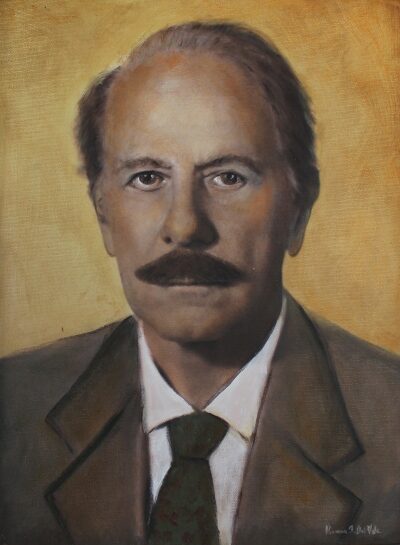
His name was Romeu Corsini, and his ambitious project became known as the SP-18 Onça, a light aircraft with short takeoff capability that nearly revolutionized agricultural aviation in the country.
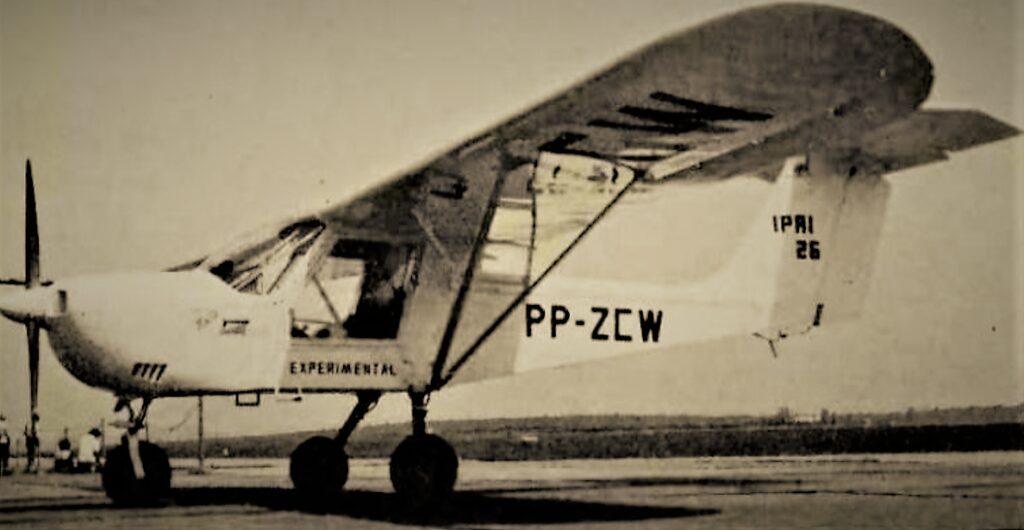
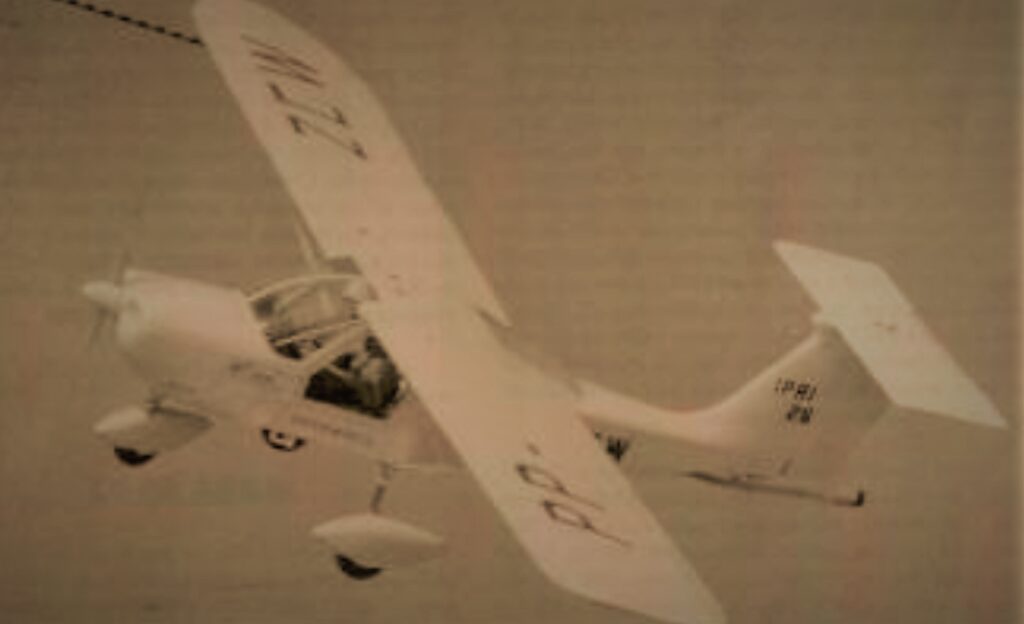
The SP-18 Onça, initially named IPAI-27 Flying Jeep, was a national attempt to create a multifunctional “flying car”, aimed especially for use in rural areas.
-
They were brilliant! Scientists discover that our ancestors in China were already making super advanced tools 160,000 years ago, changing everything we knew.

-
Scientists unveil 3 million years of climate secrets hidden in the ice of Antarctica.

-
Sleeping at different times each day can be a bomb for your heart and even double your risk of having a heart attack.

-
Ancient farmers created “aggressive plants” that changed nature forever.


The experimental model, conceived with ingenious solutions and accessible materials, was an example of typical Brazilian creativity and innovation.
Even with its proven utility, the project was ignored by the government and never received the necessary investment to achieve industrial scale.
A Flying Jeep Born from National Engineering
The SP-18 Onça was developed with a focus on simplicity, strength, and efficiency.
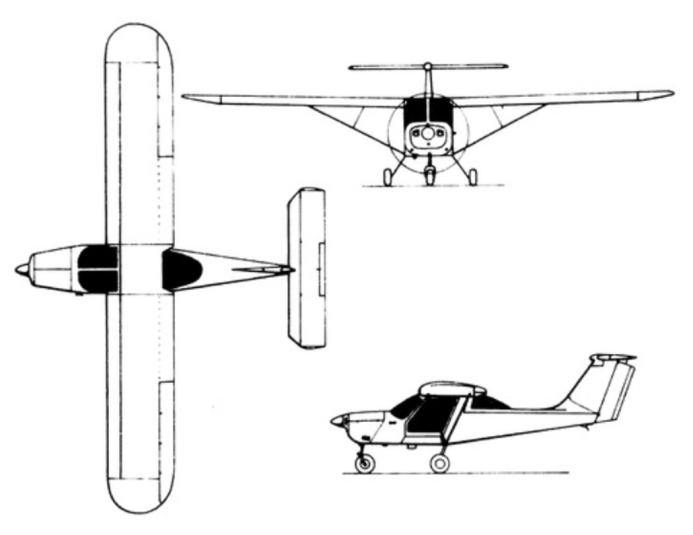
The aircraft was a single-seat monoplane with a fixed landing gear, constructed with a welded steel tube frame, covered with canvas.
The wooden wings with a high lift profile ensured stability at low speeds, while the “T” shaped rudder facilitated precise maneuvers — ideal for takeoffs and landings on short or improvised runways.
Romeu Corsini envisioned the flying jeep as a revolutionary tool for Brazilian agriculture, especially in hard-to-reach areas.
In a country with vast rural expanses poorly served by transportation infrastructure, a low-cost aircraft with simple maintenance could transform production distribution, access to remote areas, and even pest control.
But despite the evident utility of the project, Corsini faced a harsh reality: the lack of interest from public authorities and national industries.
For years, he conducted tests, adjusted the model, and sought partnerships, but the dream of seeing the SP-18 soar in the Brazilian skies on a large scale never materialized.
The Ignored Legacy That Inspired Other Creations
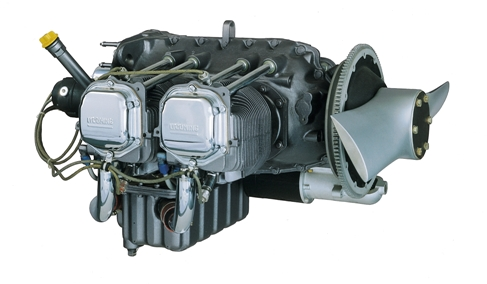
Even without government support, the SP-18 Onça left important marks in the history of experimental aviation in Brazil.
The project served as a basis for other aircraft developed in the following years, such as the IPAI-26 Tuca, also authored by Corsini.
In addition, the SP-18 was used as a study object by students and professors of aeronautical engineering at the Federal University of São Carlos (UFSCar), where Corsini also collaborated academically.
Corsini’s vision was far ahead of its time.
Today, in times of increasing interest in urban air vehicles, such as transport drones and electric vertical takeoff and landing aircraft (the so-called eVTOLs), the 1970s flying jeep project gains new recognition as a seed of ideas that are only now being revisited with seriousness by major aerospace companies.
According to data from 2025, companies like Embraer (with its subsidiary Eve Air Mobility) and startups like Vertical Aerospace in the U.S. and Europe are investing billions in projects for electric urban aircraft driven by artificial intelligence and focused on sustainability.
But in Brazil, more than 50 years ago, an engineer was already envisioning similar solutions, albeit with modest resources and almost no support.
Where Is the SP-18 Onça Today?
Although it never entered industrial production, the SP-18 Onça is still remembered by enthusiasts of experimental aviation and researchers of the history of technology in Brazil.
Some photos of the aircraft survive in digital archives, and reports of test flights continue to be discussed in specialized forums.
The original prototype underwent successive modifications over time, and there are records that it may have been stored in private workshops.
However, there is no confirmation whether it is still preserved or was dismantled after testing.
The absence of public policies aimed at technological innovation, especially during the military period, helped bury many visionary projects like Corsini’s.
The regime’s priority at the time was the expansion of the road network and heavy industrialization, sidelining proposals that required autonomous scientific development and risk investment.
Vision That Inspired the Future
Romeu Corsini passed away without seeing his flying jeep gain national recognition, but his journey still inspires inventors and engineers in Brazil.
In times when the country seeks to reposition itself in the global race for sustainable technologies and smart mobility solutions, remembering initiatives like his is essential to understand the creative potential wasted due to the lack of incentive.
According to professor and aeronautical engineer Carlos Henrique dos Santos from UFSCar, “the SP-18 was one of the first examples in Brazil of how engineering can be adapted to local needs with simple, effective, and accessible solutions. Corsini had a vision of Brazil that many still cannot see.”
When Brazil Ignored Its Own Genius
The story of the SP-18 Onça and Romeu Corsini is not just a curiosity about aircraft.
It is a portrait of how Brazil, so often, neglects its own talents and innovations due to a lack of structured public policies and a long-term strategic vision.
Today, with the world watching urban air mobility technologies, it is inevitable to think: what if Brazil had bet on the flying jeep in 1975?
How many engineers, projects, and companies could have emerged from that seed?
How many Romeu Corsinis still exist in Brazil, merely waiting for an opportunity to help the country take off with their ideas?
And you, had you ever heard of the Brazilian flying jeep from the 1970s?
Do you think the country gives due value to national innovation or is it still crawling in this area? Share your opinion in the comments!








Caso semelhante ao carro elétrico de Amaral Gurgel, da mesma época do Jipe voador
Um país que não incentiva seus criadores e cientistas jamais será uma grande potência. Pessoas como Santos Dumont só obteram sucesso quando apoiadas por outros países ou com muita persistência. Amaral Gurgel foi um dos pioneiros no carro elétrico e carro movido a água, além de ser fabricação nacional. O que o governo brasileiro fez? Ignorou o mesmo, preferindo trazer montadoras estrangeiras.
E uma pena que este gênio não tenha sido valorizado,e como ele outros tantos gênios foram ignorados ,por um país que menosprezou uma pessoa muito inteligente
O Brasil sempre foi assim gênios são ignorados,bajuladores e incompetentes estão no comando de estatais e desonestos no comando do país!