





 Portuguese
  English
  Spanish
  2 min of reading
  0 comments


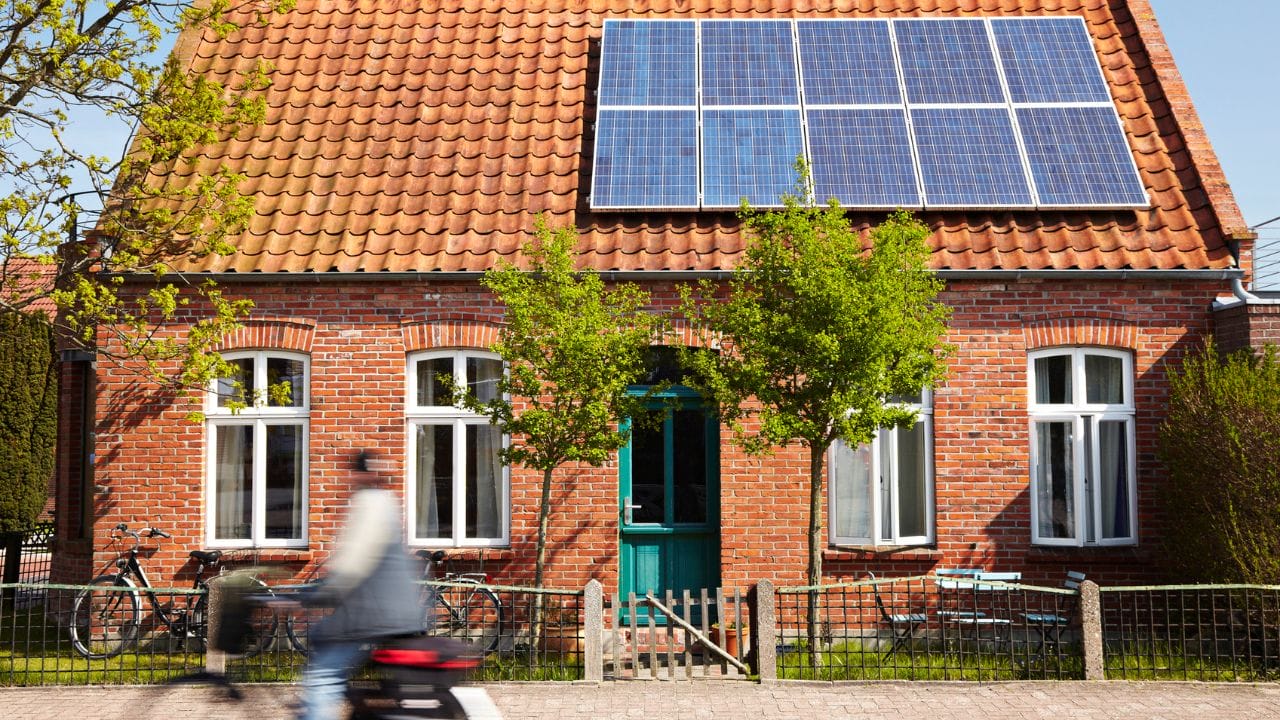
As Solar Technology Advances And Becomes More Accessible, It Is Likely That We Will See An Adaptation In The Structures Of Taxation And Costs Associated With Its Use.
In the world of sustainable energy, one of the most persistent myths is that by adopting solar photovoltaic energy, consumers would completely eliminate their electricity bills. However, the reality is a bit more complex. Although installing solar panels brings significant savings in electricity expenses, there are certain fees and minimum costs that remain applicable.
The installation of solar energy systems in homes, businesses, or industries transforms the way energy is consumed and managed. Solar panels capture sunlight, converting it into electricity. This energy, once transformed from direct current to alternating current by the photovoltaic inverter, can be used internally or injected into the utility’s grid, generating energy credits.
Inevitable Costs For Electricity Bill


Despite energy self-sufficiency during the day and generating credits for nighttime use or on cloudy days, users connected to the utility’s grid are still subject to some costs. These include:
-
A Canadian retiree creates a hydroelectric system on a real river, generating energy continuously throughout the day and demonstrating how the power of water can supply a house with stability even in a simple structure.

-
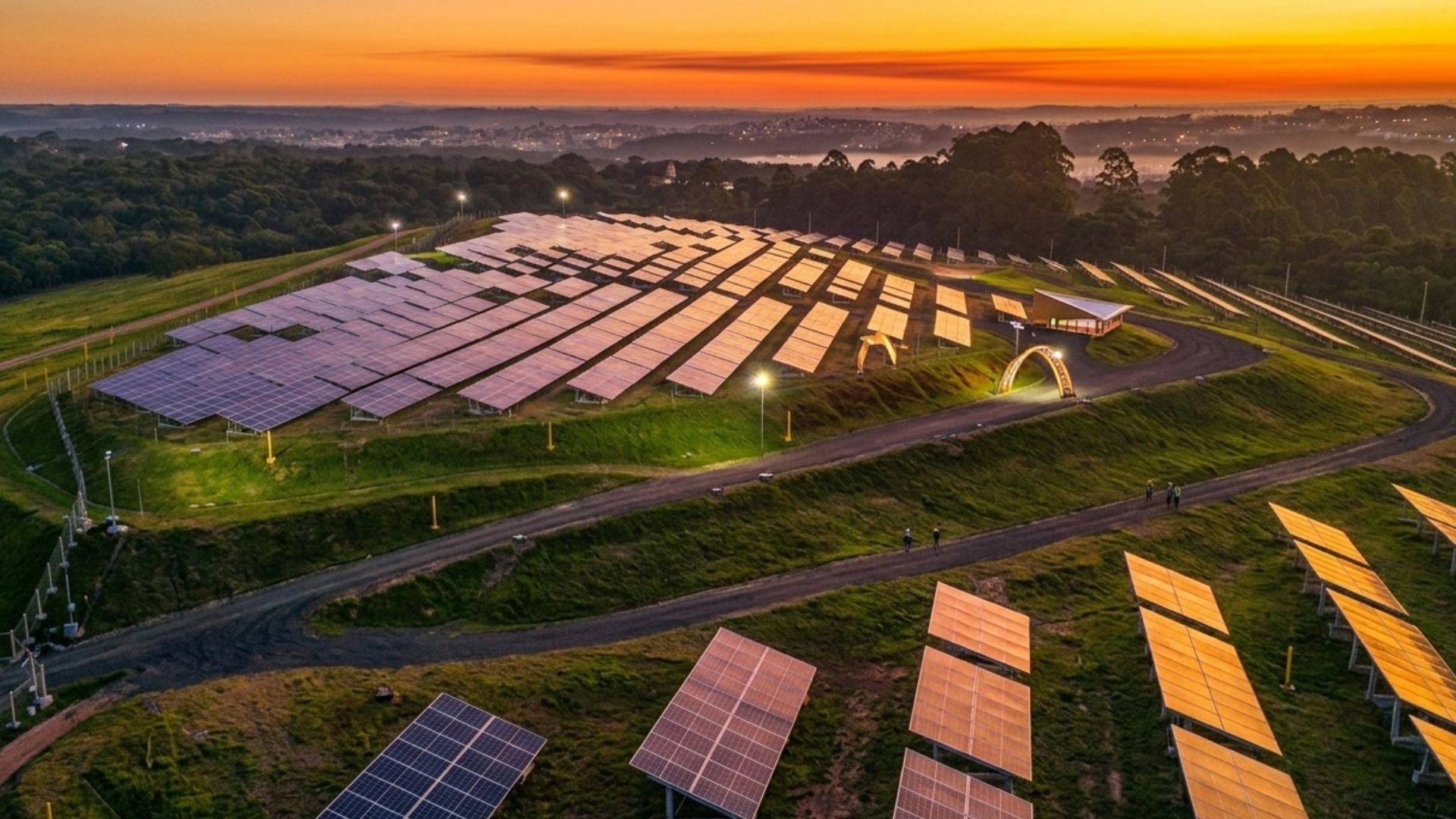
Solar Pyramid draws attention by converting solar energy into million-dollar savings and repositioning the City Hall of Curitiba as an example of innovation, sustainability, and intelligent use of public resources.
-
Petrobras reaffirms its commitment to the market and ensures that it will carry out the energy transition safely to maintain national sovereignty.

-
Researchers discover a possible hydrogen deposit of up to 46 million tons beneath an ancient coal basin, and the volume could exceed half of the entire global production.

- Availability Cost: A fee charged for the availability of the electrical grid, varying according to the type of connection (single-phase, two-phase, or three-phase) and that must be paid even if there is no actual energy consumption from the grid.
- Public Lighting Fee: Regardless of self-generated energy, all users contribute to the maintenance of public lighting, with amounts that may vary according to the consumption range and the current tariff flag.
Wire B – A New Reality For Those Who Generate Their Own Solar Energy
In addition to the availability cost and the public lighting fee, solar energy systems installed from January 2023 are subject to “Wire B.” This additional cost refers to the use of the grid for the transmission of injected energy, marking a new phase in the relationship between photovoltaic generators and utilities.
Despite these fees, the installation of solar energy remains a financially advantageous option. The savings generated on the electricity bill, in the long term, outweigh the initial installation costs and the minimum maintenance fees for the grid connection.
Furthermore, the environmental benefits of reducing dependence on non-renewable energy sources reinforce the value of solar energy as a smart and sustainable choice. The important thing is that consumers interested in adopting solar energy are well-informed about all aspects involved, thus ensuring financially and environmentally conscious decisions.







Seja o primeiro a reagir!