





 Portuguese
  English
  Spanish
  5 min of reading
  0 comments


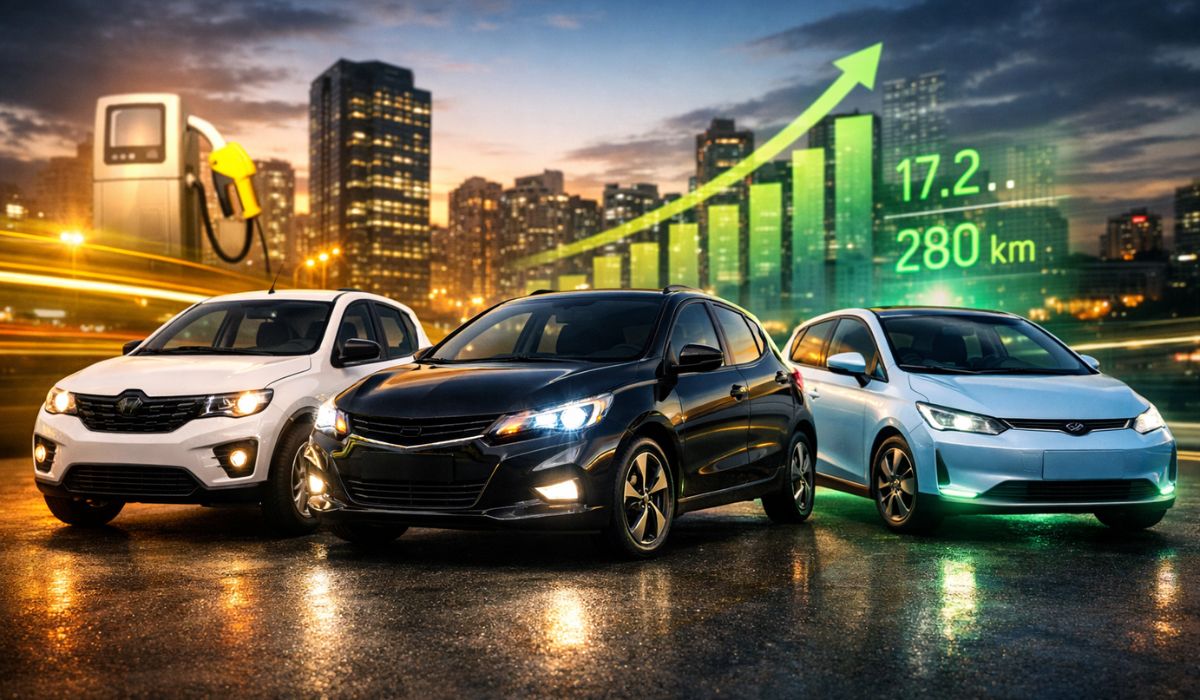
The Update of PBEV Brings Together Official Measurements of Consumption, Efficiency, and Autonomy in Hundreds of Versions Sold in Brazil and Facilitates the Comparison Between Technologies and Configurations, Using Standardized Criteria Used in Vehicle Labeling.
Inmetro updated the table of the Brazilian Vehicle Labeling Program (PBEV) with data from 794 versions of brand new cars sold in Brazil in 2026.
The material gathers standardized measurements of consumption in the city and on the road, autonomy of electric vehicles, and indicators related to emissions and energy efficiency.
The table is used as a reference to compare vehicles within the same category and helps the consumer understand how different versions perform in official tests.
-
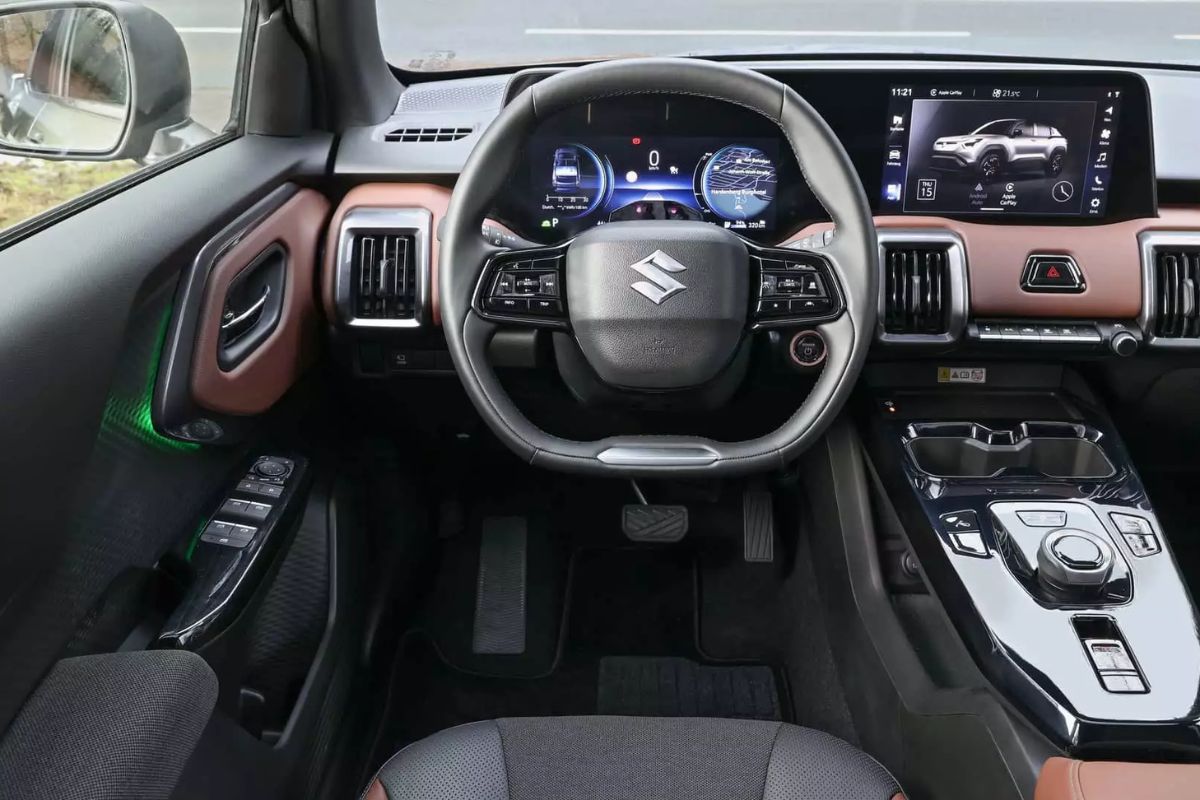
The 2026 electric Vitara arrives in Brazil and proves that Suzuki is not leaving: 4×4 traction, 184 hp, 61 kWh LFP battery, 293 km range, R$ 259,000, and a trunk capacity of 224 L.
-
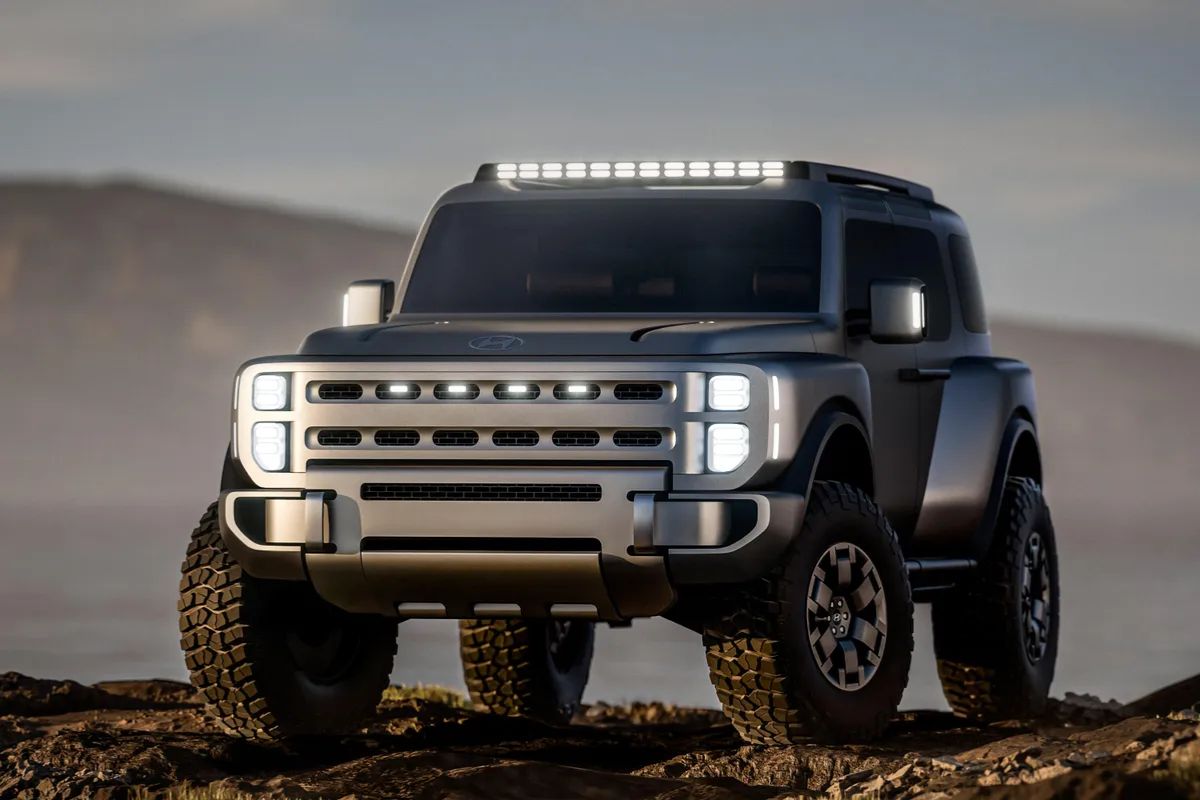
Hyundai has unveiled the Boulder, a square SUV with a body-on-frame design, 37-inch mud tires, and carriage-style doors that seems to be made to take on the Ford Bronco and the Scout Traveller in the United States.
-
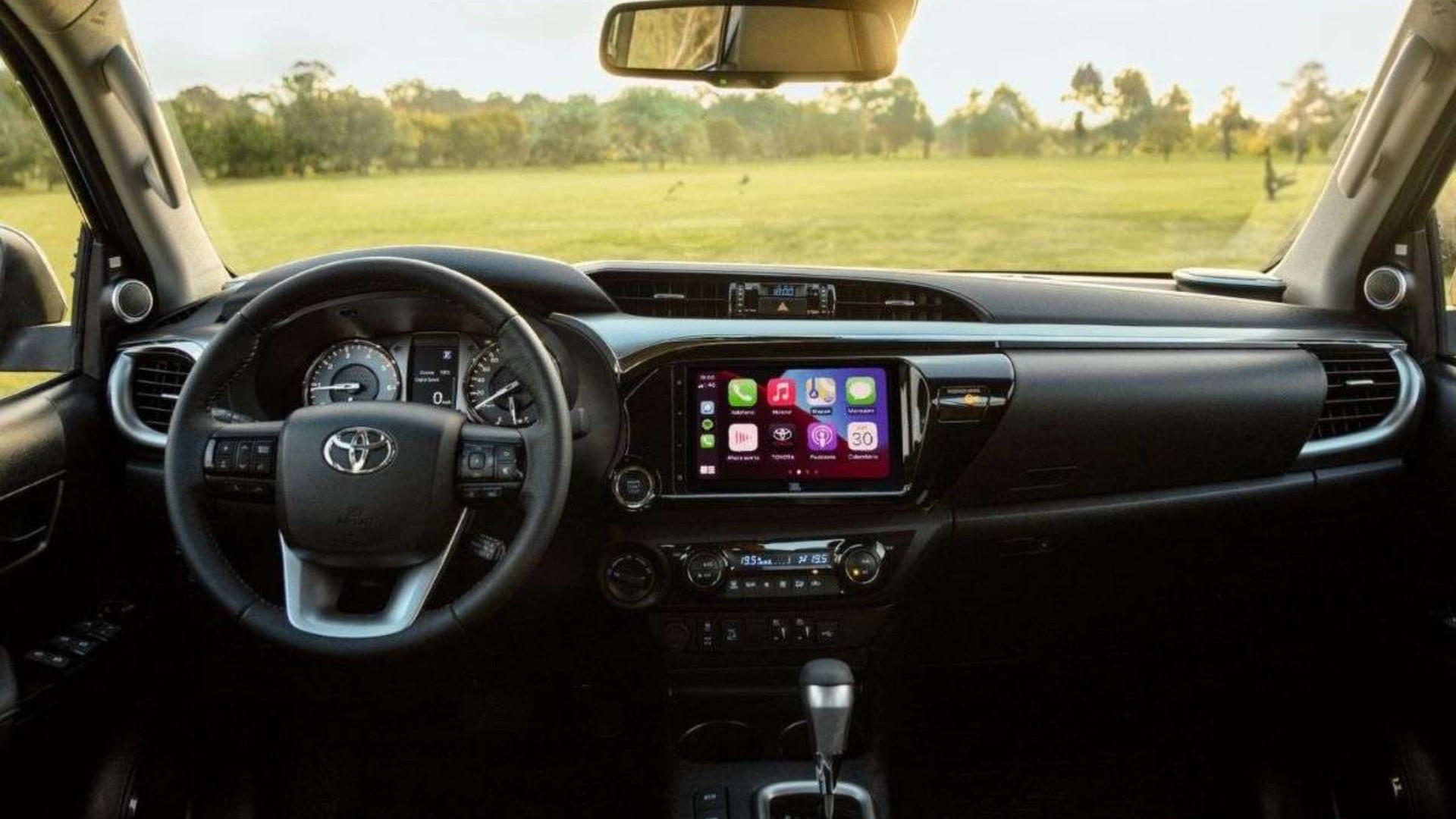
The Toyota Hilux is R$ 75.5 thousand cheaper and bets on the 2.8 turbodiesel engine with up to 204 hp and 50.9 kgfm to catch up with the VW Saveiro, which leads with 4,472 sales.
-
The new Renault Koleos has a screen exclusively for the passenger that is invisible to the driver, heated rear seats, and 29 assistance systems, but its Chinese competitors cost R$ 40,000 less and deliver more power.

Since this is a technical survey, results may vary depending on engine type, transmission, tires, calibration, and other details of each configuration.
What PBEV Measures and How to Read Inmetro’s Numbers
For combustion cars, PBEV presents urban and road consumption, with results separated by fuel when the model is flex.
In electric vehicles, Inmetro uses specific units for this type of vehicle, such as energy consumption indicators and range per full charge, which prevents a direct comparison in “km/l” with gasoline or ethanol models.
Although the tests are standardized, Inmetro considers the values as a comparative reference.
In daily use, consumption can change due to traffic, terrain, temperature, load, tire calibration, and driving style, among other factors that are not the same for all drivers.
Therefore, when analyzing the list, the most common guidance in labeling materials is to always observe the exact version, as the same model may have significant variations in consumption depending on the package, transmission, and final weight.
More Fuel-Efficient Compact Flex Models in 2026 and Urban Consumption
Among combustion cars, compact models with a 1.0 engine continue to stand out in terms of efficiency in urban cycles.
This is mainly because, in general, they are lighter vehicles with mechanical systems designed to reduce consumption in everyday commuting.
In the frequently mentioned category for urban consumption, the Renault Kwid 1.0 has a mark of around 15 km/l in the city with gasoline, depending on the version.

The Chevrolet Onix 1.0 also ranks among the compact cars with good urban performance, with numbers typically in the range of 13 to 14 km/l in the city, varying by configuration and fuel.
The Fiat Mobi 1.0 is in the same group, maintaining urban averages close to 14 km/l in readings published in the labeling, again with variations depending on the version.
Meanwhile, the Volkswagen Polo 1.0 MPI, mentioned as a slightly more spacious alternative among the compact lineup, shows competitive consumption in the urban cycle compared to similarly sized models.
Despite the advancement of electrification, these models remain relevant for comparison as they cater to an entry-level segment focused on usage costs.
In terms of table reading, the difference between versions can be decisive, which is why PBEV distinguishes the same car across multiple configurations.
Hybrids with Better Urban Consumption and Performance in Traffic
Hybrids tend to excel in urban consumption because many low-speed and stop-and-go situations favor the electric motor’s operation.
Practically, this means that performance in the city may be better than on the highway, depending on the hybrid system and driving style.
Among the more well-known examples in Brazil, the Toyota Corolla Hybrid is often associated with urban consumption above 17 km/l in official measurements, with fluctuations depending on the version and fuel.

The Toyota Corolla Cross Hybrid, being an SUV, shows numbers that may vary compared to the sedan, but still tends to maintain high urban averages within its segment, also around 17 km/l in some versions and testing conditions.
As PBEV organizes results by version, buyers often find differences even among hybrids of the same model, which underscores the need to check the specific label.
Another important consideration is to take into account the usage profile: hybrids tend to show gains more in urban routes, while on the highway, the combustion engine may operate more frequently.
More Efficient Electric Cars and Range in the Official Cycle
For electric vehicles, Inmetro does not use “km/l”, but rather energy consumption and range indicators per charge.
This alters the logic of comparison and often generates confusion for those accustomed to looking solely at liters and kilometers.
Among the models referenced regarding efficiency in electrification, the BYD Dolphin Mini stands out for its good energy efficiency indices and a range exceeding 280 km in the official cycle in some versions.

The Renault Kwid E-Tech is associated with an urban proposal focusing on cost per kilometer traveled, with range and consumption varying depending on the configuration listed in PBEV.
In this group, the table serves as a starting point for comparing versions and understanding the range per charge within the test standard.
However, actual experience can fluctuate due to factors such as average speed, air conditioning use, external temperature, and charging conditions, which also affect effective range.
What Changes for Those Buying a Car in 2026
The 2026 update emphasizes three fronts that clearly stand out in the interpretation of PBEV.
1.0 compacts continue to be a reference for fuel economy among flex models, especially for those who drive mostly in the city and seek low consumption.
2. Hybrids maintain an advantage in urban use within their segments, especially in more congested traffic scenarios.
3. Electric vehicles concentrate the best results for energy efficiency within the specific indicators of this technology.
For those evaluating this type of vehicle, reading the PBEV requires attention to energy consumption and range, and not just an equivalency with combustion cars.
When it comes to making a decision, the label allows for a comparison of versions that, on paper, may seem identical but deliver different results in standardized tests.
Industry experts typically recommend that analysis is done considering the driver’s routine and type of journey, as the same car may consume more or less depending on predominant usage.
In a market with more options and a greater variety of engines, the official table serves as one of the tools available to reduce uncertainty in comparing versions.








Seja o primeiro a reagir!