





 Portuguese
  English
  Spanish
 3 min of reading
  2 comments


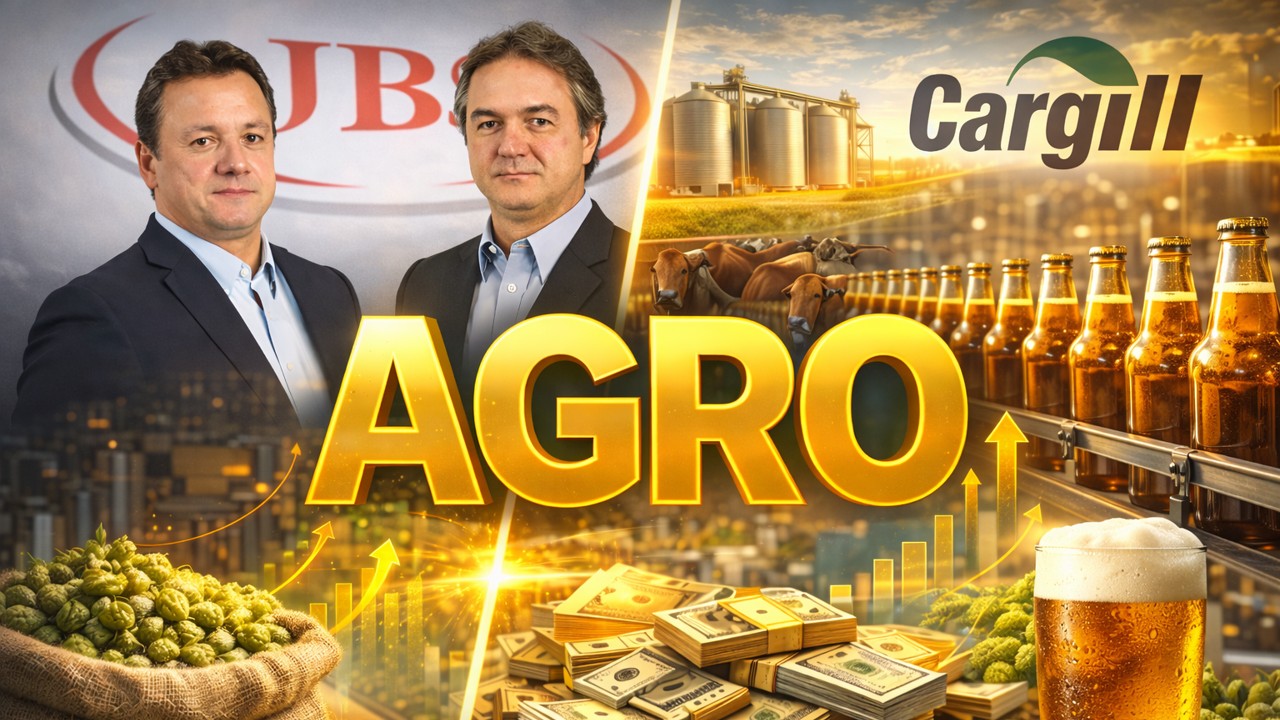


Forbes Brazil Ranking Reveals Who the Giants of Agribusiness Are, Where They Come From, Who Controls the Businesses, and How Much Each One Moves
The Brazilian agribusiness showed its strength again in 2025. According to Forbes Brazil’s retrospective, the five largest companies in the sector together generated a revenue of BRL 1.120 trillion, registering a growth of 4.16% compared to the previous year. This result reinforces the central role of agribusiness in the national economy, driven by productive scale, operational efficiency, exports, and investments in technology and sustainability.
Next, see who these companies are, who is behind each, where they operate, and why they move such significant figures.

1st JBS — The Largest Agribusiness Company in Brazil
JBS holds the first place by a large margin. The company is currently the largest food company in the world, with a global presence in beef, pork, poultry, and processed foods.
-
He sold his share for R$ 4 thousand, saw the company become a giant worth R$ 19 trillion, and missed the opportunity of a lifetime.

-
Elon Musk’s Starship megafrocket puts $8 billion at risk, raises alarms in the market, and could affect technology, mining, and space internet startups in the coming years.

-
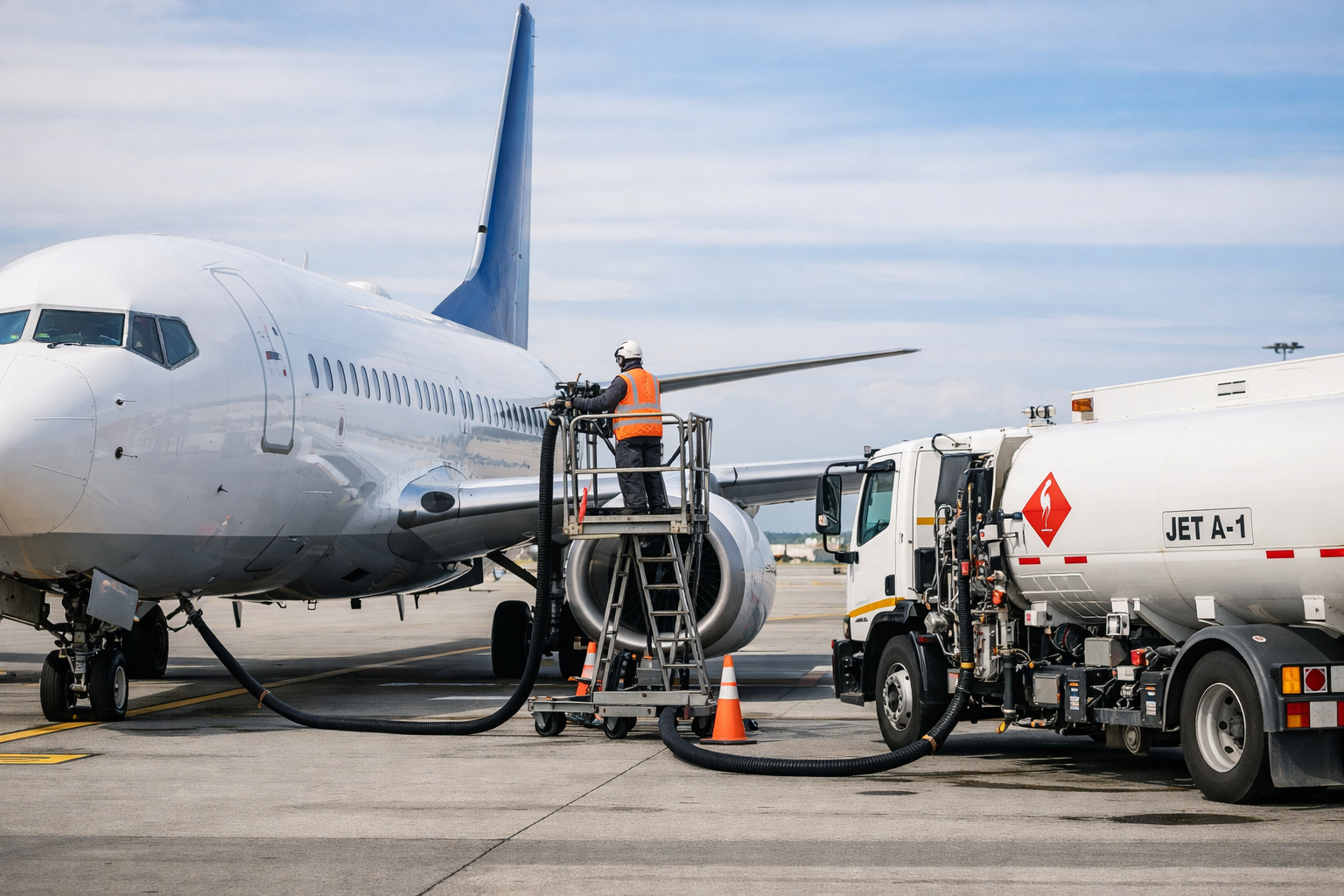
Airfare prices may rise with increasing fuel costs, and the government is considering urgent measures to avoid a direct impact on the wallets of Brazilians.
-
Chocolate prices soar nearly 15% and become a luxury item for Easter 2026, with increases surpassing inflation and changes in Brazilian consumption habits.


- Revenue: over BRL 370 billion
- Control: Batista family (Joesley and Wesley Batista)
- Origin: Goiás (founded in Anápolis)
- Operation: in over 20 countries
JBS has established itself as a global giant by combining international acquisitions, industrial scale, and a strong presence in the external market, becoming one of the most internationalized Brazilian companies in history.

2nd Marfrig Global Foods — Animal Protein Focused on Added Value
Marfrig Global Foods ranks second. The company has a strong presence in beef and industrialized products, with significant operations in the Americas.
- Revenue: around BRL 160 billion
- Control: entrepreneur Marcos Molina
- Origin: São Paulo
- Highlight: focus on higher value-added products
Marfrig gained relevance by betting on operational efficiency, established brands, and integration with major global food networks.
3rd Cargill Foods — Global Giant with a Strong Base in Brazil
The Cargill, American multinational, ranks third among the largest agribusiness companies in Brazil. The company is heavily involved in grains, food, animal nutrition, and agricultural trading.
- Revenue in Brazil: estimated at BRL 140 billion
- Control: Cargill–MacMillan family (USA)
- Presence in Brazil: since 1965
- Operation: soy, corn, cotton, food, and logistics
Despite being foreign, Cargill plays a strategic role in the flow of Brazilian agricultural production and in connecting national agribusiness with the international market.
4th Ambev — Beverages Also Count as Agribusiness
Although often associated only with the beverage sector, Ambev ranks among the largest agribusiness companies due to its enormous demand for barley, corn, sugar, and agricultural inputs.
- Revenue: above BRL 80 billion
- Control: AB InBev group
- Origin: São Paulo
- Highlight: agricultural chain integrated with beverage production
Ambev is one of the largest buyers of agricultural inputs in the country, positioning it as a key player within the Brazilian agribusiness ecosystem.

5th Bunge Foods — A Century-Old Tradition in Agribusiness
Closing the ranking, Bunge remains one of the most traditional companies in the agricultural sector in Brazil, with a strong presence in grains, vegetable oils, and food.
- Revenue: around BRL 75 billion
- Control: publicly traded (headquartered in the USA)
- Presence in Brazil: over 100 years
- Operation: soy, wheat, fertilizers, and logistics
Bunge is a key player in the agricultural export chain and in the processing of commodities, especially soy.
Billion-Dollar Agribusiness Reinforces the Weight of the Sector in the Brazilian Economy
The combined revenue of BRL 1.120 trillion from the five largest companies shows that agribusiness remains one of the pillars of the Brazilian economy, even in a challenging global scenario. The growth observed in 2025 reflects:
- increased productivity,
- consolidation of large groups,
- strength of exports,
- integration between industry, field, and logistics.
The numbers also help explain why Brazil continues to be one of the main protagonists in global agribusiness. And what do you think about Brazilian agribusiness?







Essas empresas devem ao banco do Brasil?
Essas são queridinhas do bnds