





 Portuguese
  English
  Spanish
  3 min of reading
  16 comments





Did You Know That Certain Traffic Violations Can Result in Fines Exceeding R$ 35,000? Discover What These Violations Are, the Consequences for Drivers, and How to Avoid Such Severe Penalties
In Brazil, the year 2025 began with changes in traffic laws. A new legislation, focused mainly on serious infractions, is now in effect and has brought surprises for drivers. The main novelty?
Exorbitant fines and the possibility of suspension of the National Driver’s License (CNH). For those who haven’t updated yet, the impacts can be devastating, with fines exceeding R$ 6,000.
Drivers who disregard the rules will face consequences that go beyond financial penalties. Temporary loss of the right to drive and vehicle removal are some of the penalties foreseen. Understanding the changes is not just necessary; it is urgent.
-
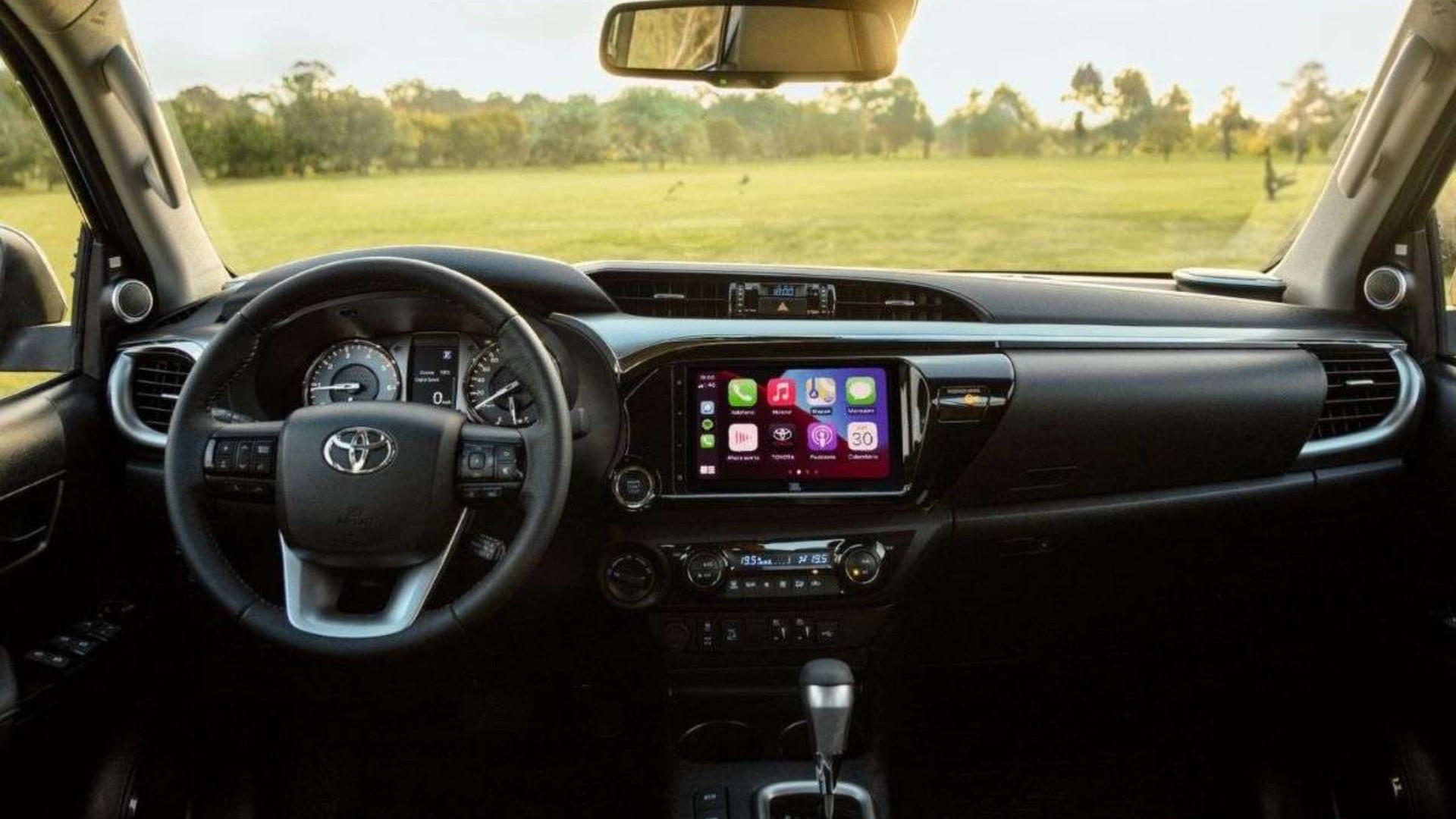
The Toyota Hilux is R$ 75.5 thousand cheaper and bets on the 2.8 turbodiesel engine with up to 204 hp and 50.9 kgfm to catch up with the VW Saveiro, which leads with 4,472 sales.
-
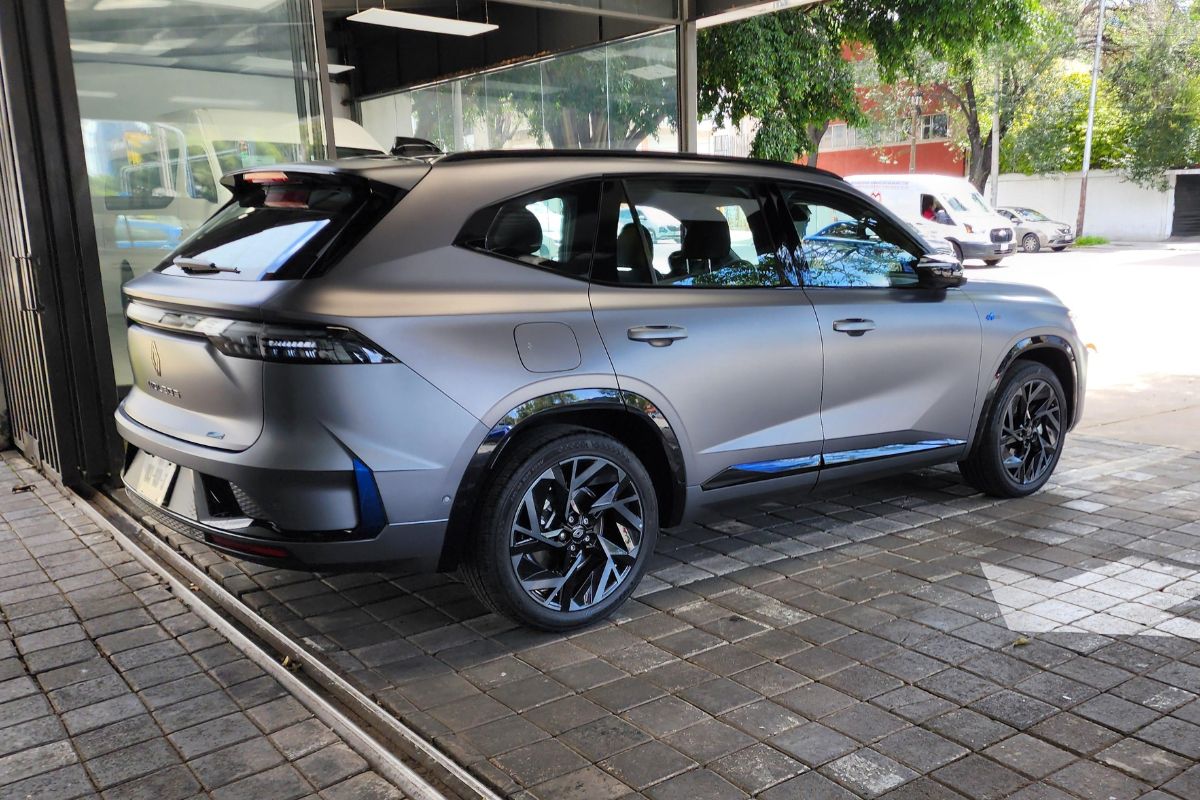
The new Renault Koleos has a screen exclusively for the passenger that is invisible to the driver, heated rear seats, and 29 assistance systems, but its Chinese competitors cost R$ 40,000 less and deliver more power.
-
The car stored for 38 years: when opening the barn door, what appears is breathtaking and looks like a scene from a movie!

-
Fiat works miracles in the Brazilian market, lowers the price of its 0 km hatch to R$ 69,990, reestablishes the model as the cheapest car in the country, and reignites the battle against Kwid and C3.

Tighter Rules for Serious Violations
The new legislation has toughened punishment for infractions that deliberately disturb traffic. Based on the Article 253-A of the Brazilian Traffic Code (CTB), these infractions now have fines calculated at up to 20 times the value of a serious infraction. This means that a driver can pay R$ 5,869.40 for a single penalty.
And it doesn’t stop there. Those who reoffend within 12 months will see the fine double to R$ 11,738.80. Infractions committed in a coordinated or organized manner reach impressive amounts of R$ 17,608.20. In cases of organized reoffending, the penalty can reach R$ 35,216.40.
Points on the CNH: The Limit for Suspension
To avoid losing the CNH, it is essential to understand how the points system works. Infractions accumulate points that, if they exceed the allowed limit, lead to suspension.
- No Serious Infractions: up to 40 accumulated points.
- 1 Serious Infraction: limit reduced to 30 points.
- 2 or More Serious Infractions: only 20 points allowed.
The suspended driver is required to undergo a re-education course to regain the right to drive. Therefore, following the rules is not just a matter of safety but also of keeping the license active.
The Weight of Serious Infractions
Serious infractions, in addition to accumulating 7 points on the CNH, come with fines of at least R$ 293.47.
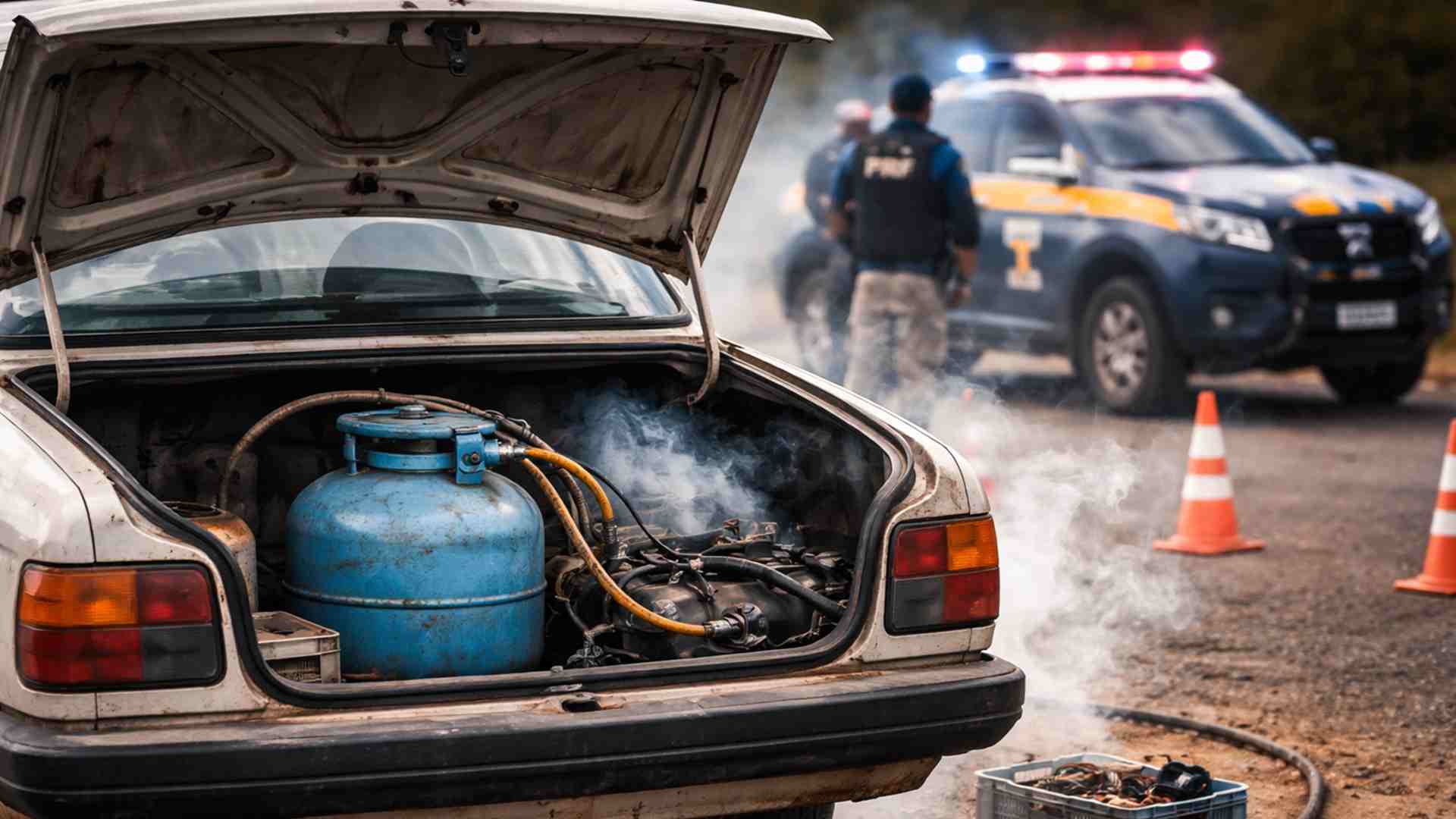
In more severe situations, they may result in vehicle retention, document confiscation, and even imprisonment. These measures aim to enhance safety and curb risky behaviors on Brazilian roads.
Important Changes in CNH Renewal
Another novelty introduced in 2025 is the requirement for additional theoretical and practical exams to renew the CNH. This measure aims to ensure that drivers are always updated on the rules and fit to drive.
Moreover, basic items, such as vehicle mirrors, will undergo rigorous inspection. This adds to the efforts of the National Traffic Council (Contran) to promote safer traffic and reduce the likelihood of accidents.
Impacts and Expectations
The new traffic rules, even if controversial, reflect an attempt to change behaviors and reduce accident rates in the country.
The weight of the fines and the strictness of the penalties indicate that tolerance for infractions will be minimal from now on.
Still, many drivers question the effectiveness of these measures, especially due to the high costs involved.
However, the government hopes that education in traffic and the severity of punishments will be able to change drivers’ mindsets in the long run.
In the meantime, the biggest challenge for Brazilian drivers will be to adapt quickly to the new requirements and, of course, avoid any slip-ups that could weigh on their finances – or on their right to drive.







Fazer exames práticos e teóricos de novo, vamos vender tudo logo e enfiar no **** desses políticos, eles andam de aviões, o negócio é arrecadar.
Esse tipo de matéria fajuta só serve pra ganhar visualizações, enrola e não informa nada que as pessoas já não tenham conhecimento.
Eles estão muito preocupados com a arrecadação! Esses valores são EXTORSIVOS! RIDÍCULOS!!!!!!