





 Portuguese
  English
  Spanish
  5 min of reading
  0 comments


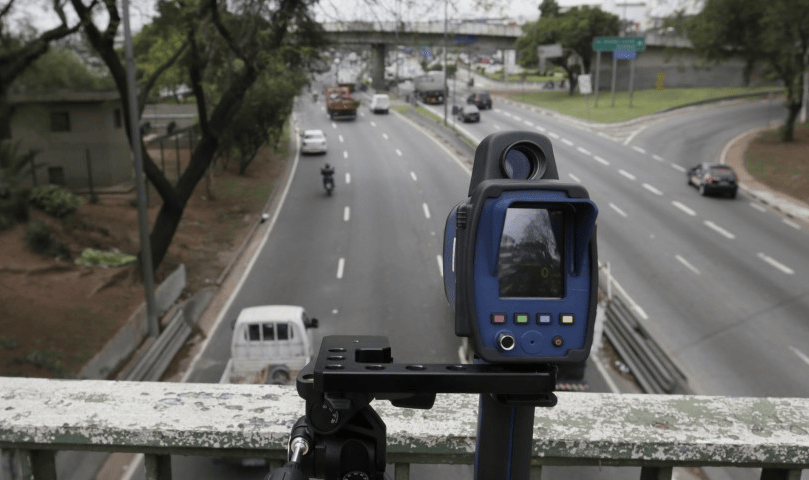
Who Has Never Been Startled by an Unexpected Traffic Fine, Especially When the Responsible Party Was a Mobile Radar?
Who has never been startled by an unexpected traffic fine, especially when the responsible party was a mobile radar?
These devices, being portable and difficult to locate, become a true nightmare for drivers, who often find themselves fined without knowing exactly where they went wrong.
But, after all, how do these radars work and what do drivers need to know to avoid surprises?
-
Sleeping at different times each day can be a bomb for your heart and even double your risk of having a heart attack.

-
Without help and without heavy machinery, a woman builds a house from scratch with stone, wood, and cement, erects a chimney, creates a complete leisure area, and transforms an empty lot into her dream home.

-
Couple transforms abandoned house after years of being closed; residence was overgrown with weeds, had a green pool, and a deteriorated structure in the interior of Rio de Janeiro.

-
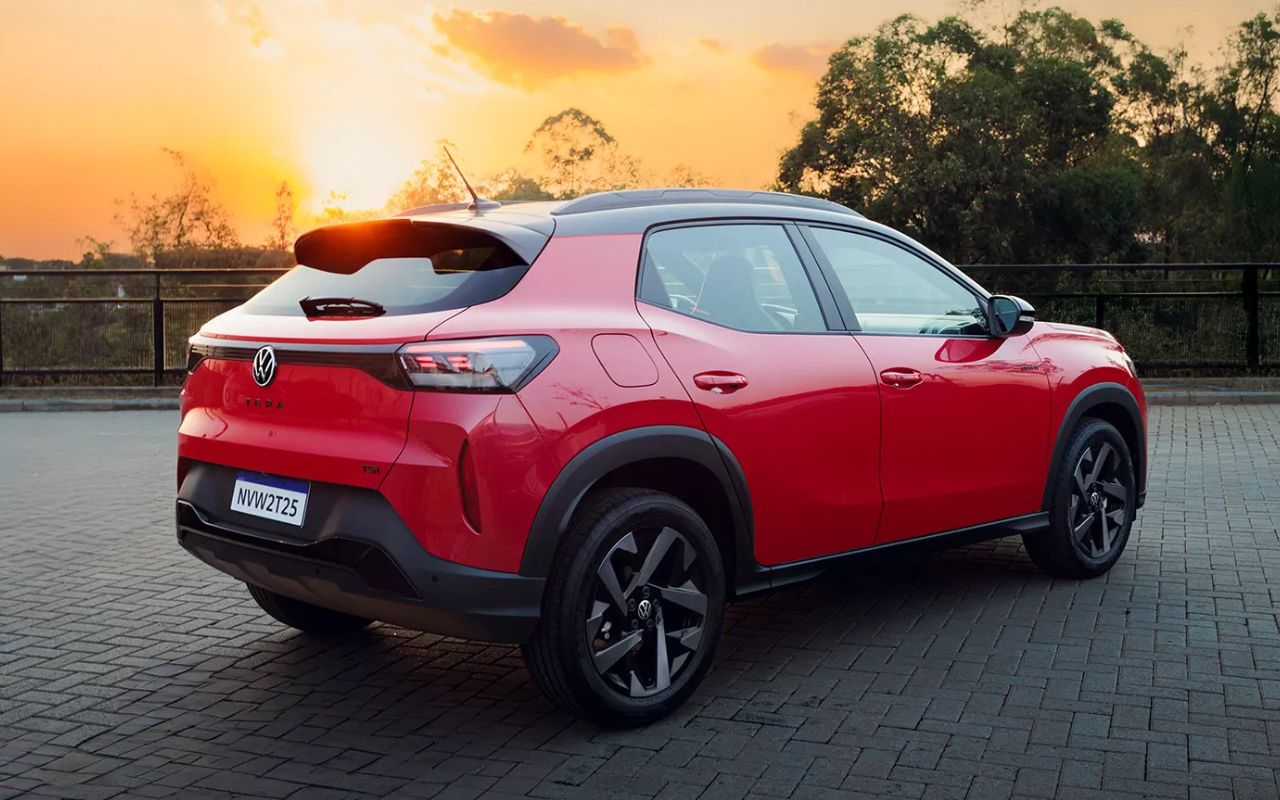
It surpassed the T-Cross, Creta, and Tracker: with nearly 8,000 units sold, the Volkswagen Tera was the best-selling SUV in March 2026.

What Are Mobile Radars and How Do They Work?
Mobile radars, also known as portable radars, are devices used by traffic agents to measure vehicle speed in real-time.
Unlike fixed radars, which are installed on posts or directly on the asphalt, mobile radars are much more flexible.
They can be handled like a gun by a highway police officer or mounted on a patrol car or tripod, making them easy to transport and apply at different points on highways and urban roads.
These devices operate based on the Doppler effect, a physical phenomenon that involves the emission of electromagnetic waves.
These waves are directed at the vehicle, and the change in frequency of the waves upon returning allows for the calculation of the car’s speed.
When the driver exceeds the speed limit, the radar records the offense and the vehicle’s license plate, ensuring that the fine is imposed.
The Regulation of Mobile Radars: Transparency and Visibility
On November 1, 2020, Resolution No. 798/2020 from the National Traffic Council (Contran) came into effect, bringing new rules for speed enforcement on roads.
Among the most important changes is the requirement that radars, whether fixed or mobile, can no longer be installed in hidden or camouflaged locations.
The goal is that enforcement has an educational character, allowing drivers to perceive the presence of the radar and adjust their speed before being fined.
According to the new regulation, mobile radars can only be used by properly uniformed agents and in overt actions, meaning that agents can no longer hide to conduct enforcement.
Additionally, the resolution requires that all sections where mobile radar enforcement occurs must be disclosed by traffic agencies online.
This ensures that drivers are aware in advance of where they may be monitored and adjust their speed accordingly.
Even with the Regulation, Radars Continue to Be Used Irregularly
Although Resolution 798/2020 was an attempt to make enforcement more transparent, there are still cases of infractions committed by traffic agents.
It is common for drivers to report being fined by mobile radars hidden behind trees, walkways, or other obstacles.
One of the most controversial situations was recorded on video when a driver caught a Federal Highway Police (PRF) officer trying to hide behind a tree while operating a portable radar.
This type of practice is illegal as it directly contradicts Resolution 798, which requires that mobile radars be visible to drivers.
Although the law prohibits this kind of conduct, it is important to understand that, in practice, not all agents strictly follow the rules.
If you have been fined by a hidden mobile radar, know that it is possible to appeal this fine based on Resolution 798/2020.
How to Protect Yourself If Caught?
If you believe you have been unfairly fined by a hidden mobile radar, it is essential to know how to act to ensure your rights.
Here are the steps you can take to try to annul the fine:
- Gather Evidence: Take photos or record videos of the location where the radar was positioned. This may include images showing whether the radar was hidden by objects such as trees, walkways, or other obstacles.
- Check the Signage: Resolution 798/2020 requires that the speed limit signage be clear and visible before enforcement. If the speed limit sign (R-19) was not visible or was poorly positioned, it can be used in your favor.
- File an Appeal: After gathering evidence, the next step is to file a formal appeal with the agency responsible for the fine, such as the PRF or the Department of Highways (DER).
In the appeal, highlight the violation of the rules in Resolution 798/2020, stating that the radar was hidden and that the agent was not acting overtly.
- Attach the Evidence: In the appeal, it is essential to attach the photos or videos that prove the radar was hidden, as well as demonstrate that the speed limit signage was not clear.
With this, the fine may be annulled if the infraction is confirmed as irregular.
Changes in Enforcement and Driver Awareness
The aim of Resolution No. 798/2020 is to make enforcement more educational, giving drivers the chance to reduce their speed before being fined.
With the requirement for mobile radars to be visible, driver behavior can be adjusted based on what they see on the roads.
This does not mean drivers can relax, but rather that enforcement should be more transparent and fair.
Still, the lack of consistent enforcement and the irregular application of rules by traffic agents have generated discomfort among drivers.
In a country with so many highways and various forms of enforcement, transparency must be a priority to ensure that drivers can behave responsibly without the fear of being caught by surprise.
Mobile Radar and the Future of Enforcement on Highways
The mobile radar, while an effective tool for ensuring safety on the roads, is still the subject of controversies and legal disputes.
With the latest regulation, drivers now have more guarantees that enforcement will be transparent and fair.
However, many challenges remain, especially regarding the enforcement of regulations and driver education.
Will mobile radars always be a fair tool for enforcement or will the practice of “hiding them” continue to be a problem?
How do you think enforcement can be improved to ensure fairness on Brazilian roads?









Seja o primeiro a reagir!