





 Portuguese
  English
  Spanish
  3 min of reading
  0 comments


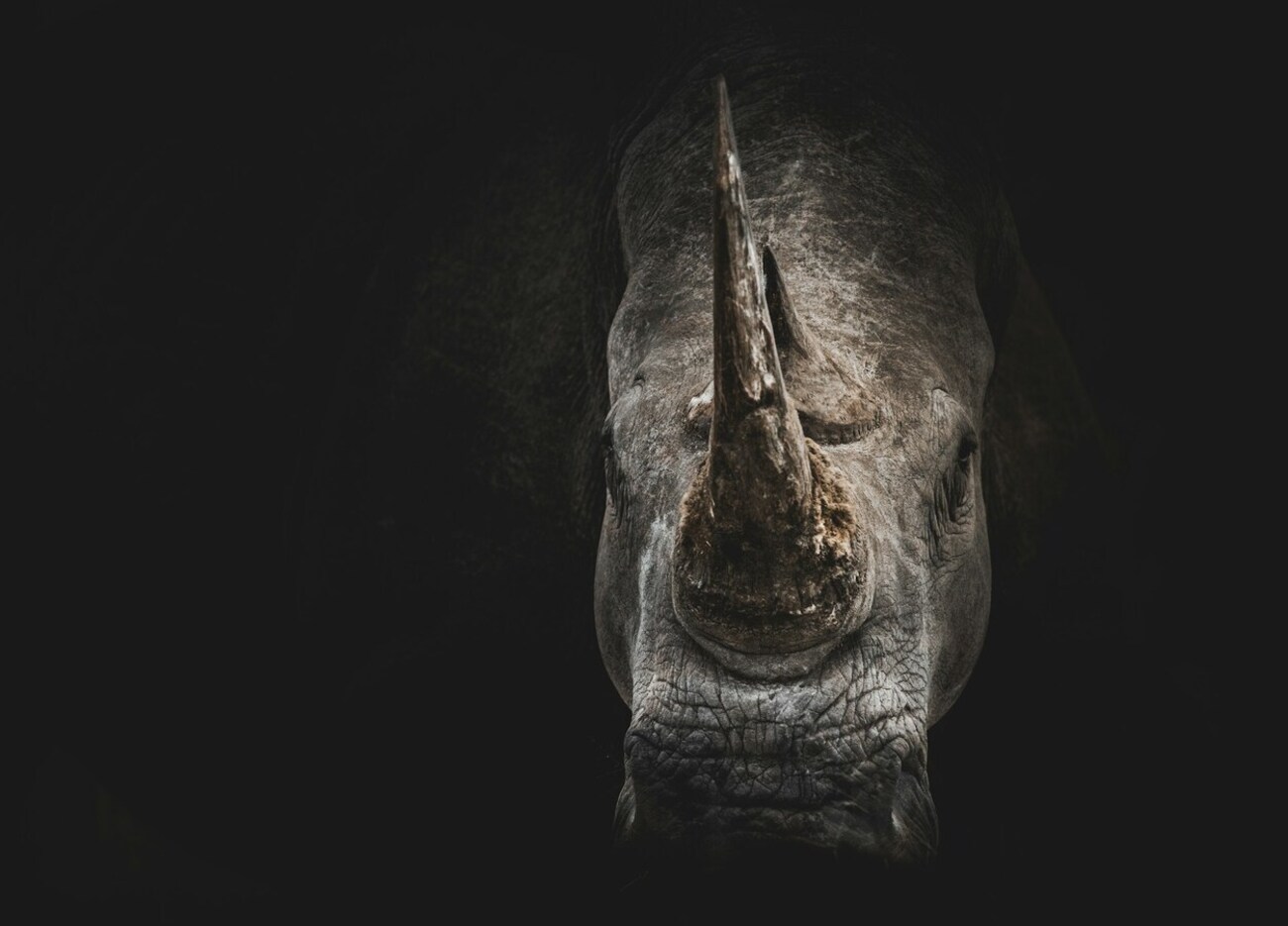
Rhisotope Project Uses Safe Radioactivity to Make Rhino Horns Detectable, Offering Preventive Strategy Against Poaching and Trafficking in South Africa
A new South African strategy aims to turn the most coveted object for poachers into a weapon against trafficking. Researchers from the University of Witwatersrand have started injecting radioactive isotopes into rhino horns. The technique seeks to complicate smuggling and facilitate detection of the material at airports and ports.
According to scientists, the substance poses no risk to the animals. It can be identified by radiation sensors, allowing for anticipation of criminal actions rather than merely reacting to attacks.
Rhisotope Project
Named Rhisotope, the project is the result of six years of research. It was developed in collaboration with nuclear authorities and conservationists. In the preliminary phase, about 20 animals from a sanctuary underwent testing.
-
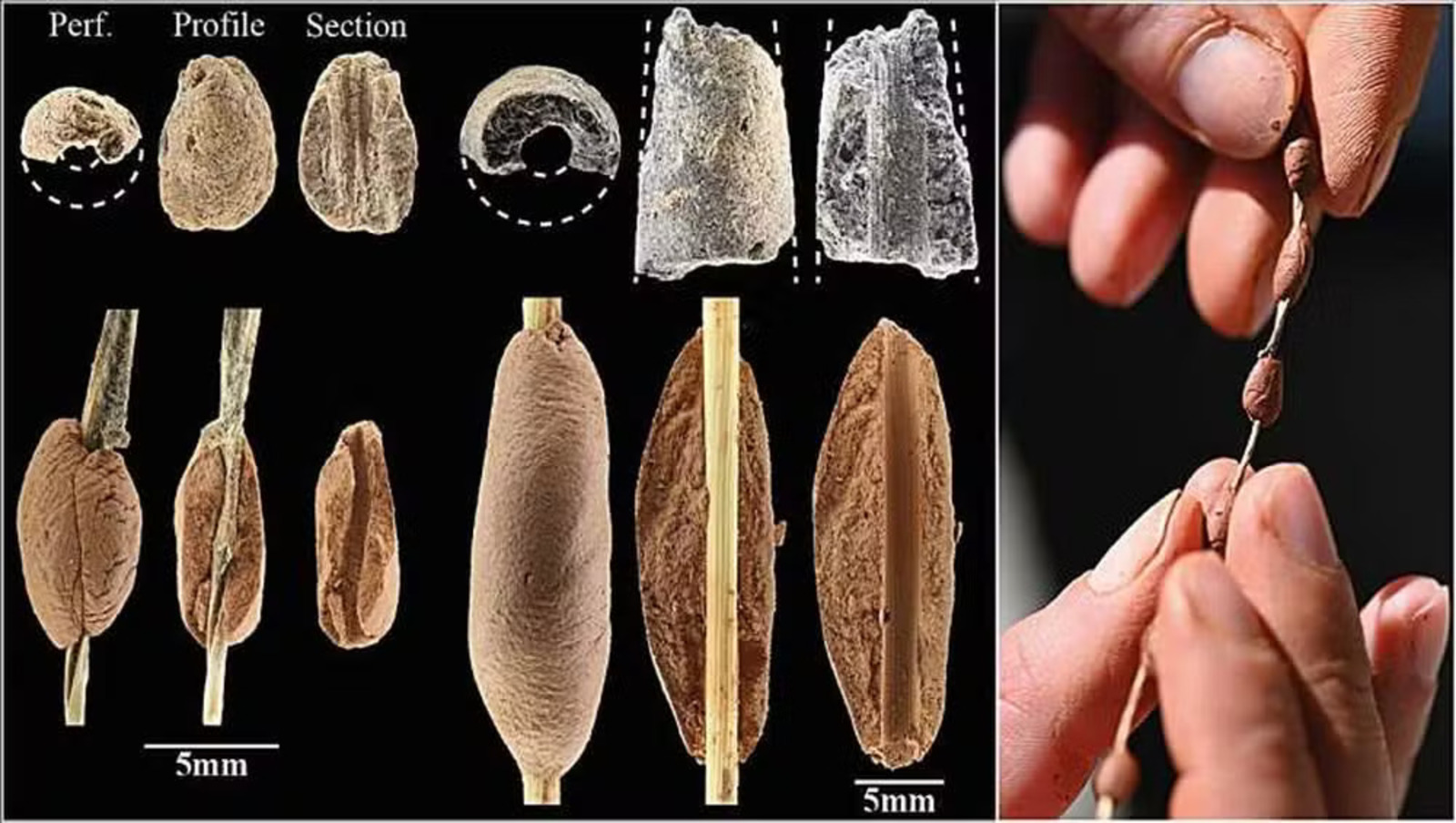
Children have been making clay pieces for 15,000 years in Southwest Asia, and fingerprints preserved on 142 ornaments helped archaeologists prove this.
-
New semi-autonomous legged robot technology challenges the limitations of space exploration by operating almost without human intervention on the Moon.

-
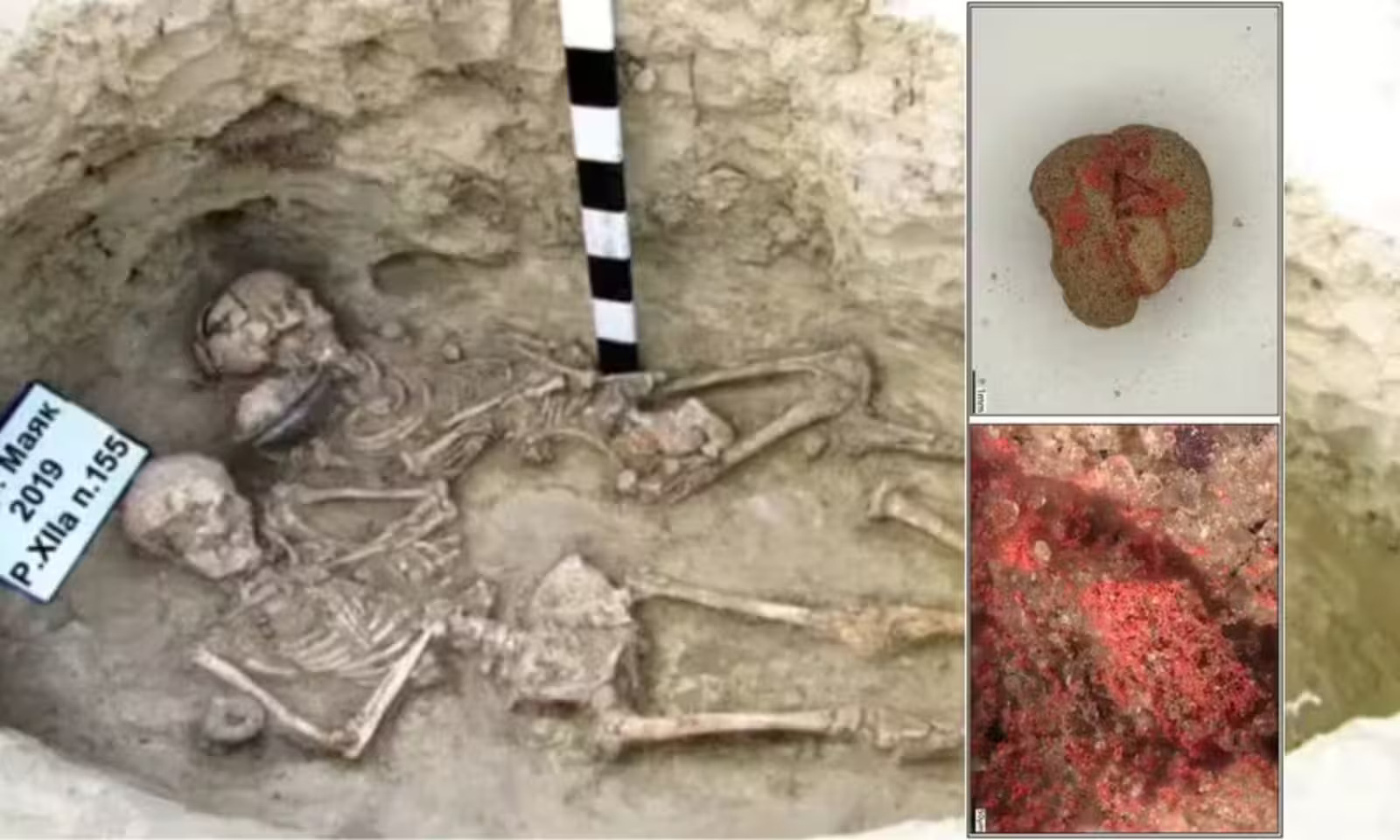
Super toxic red mineral found in the double burial of two women aged 1,900 years near the banks of the Dnieper River in Ukraine.
-
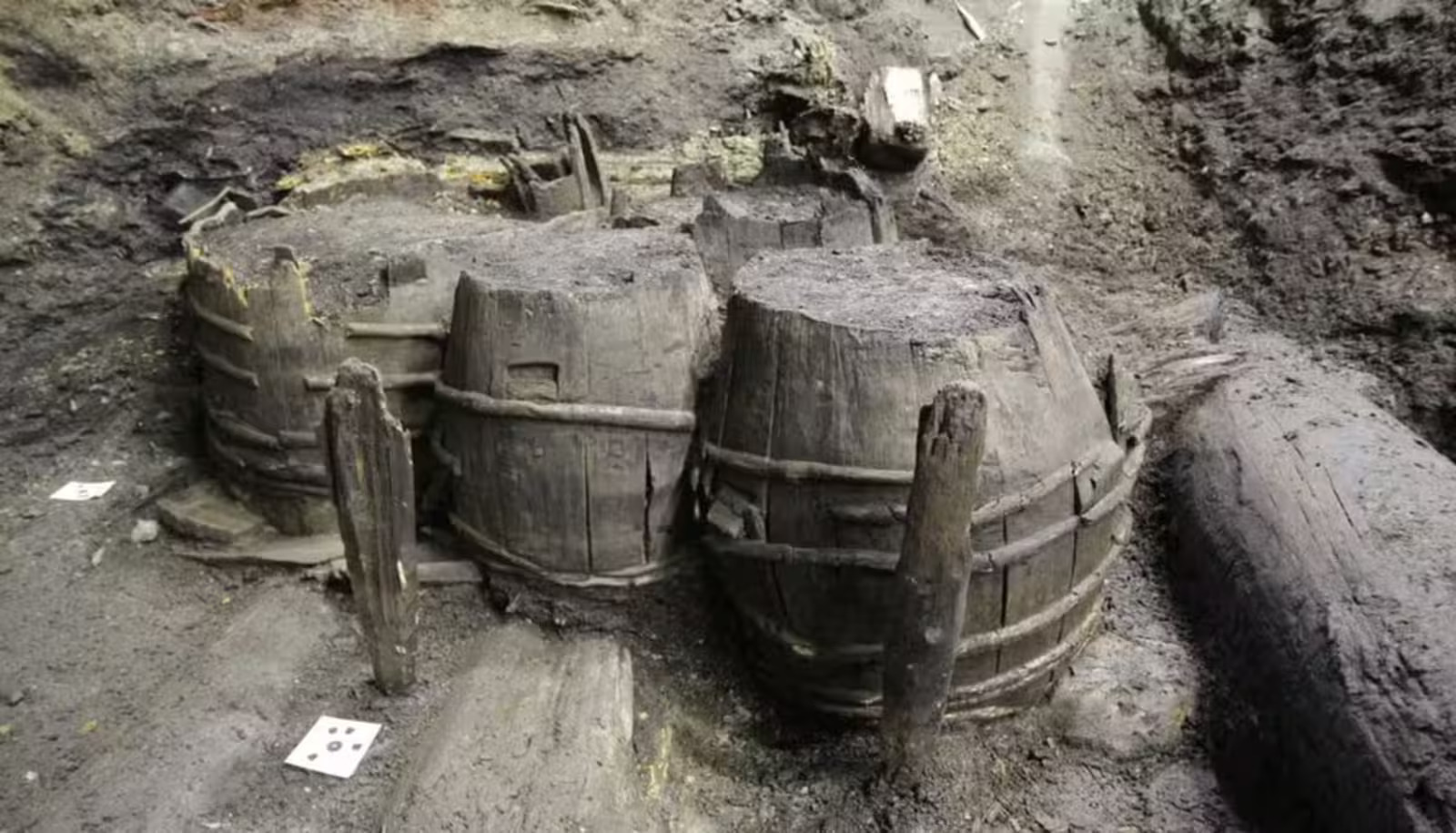
No one expected this under a common street: archaeologists find 3 intact oak barrels, buried about 400 years ago, with traces of lime and pieces related to 17th-century construction.

After positive results, the technique was applied to five rhinos in Kruger National Park, which is home to a quarter of the African population of the species. The goal is to expand its use to more individuals.
“The process is completely safe for the animal and effective in making the horn detectable in international customs’ nuclear security systems,” said James Larkin, the project’s scientific director, to The Guardian.
He explained that even a horn with radiation levels far below the planned thresholds managed to trigger alarms.
In some cases, detectors identified the material hidden inside fully loaded 12-meter containers.
Pressure from Illegal Poaching
South Africa is home to about 16,000 rhinos, the largest population in the world. At the same time, it leads in illegal poaching rates, aided by the concentration of the species and the difficulty of oversight in vast areas.
According to the NGO Save the Rhino, over 400 animals are killed annually since 2021. By the first quarter of 2025, 103 had already been slain.
The rhino horn is in high demand in the illegal market, particularly in China and Vietnam. Although it is primarily made of keratin, the same material found in human nails and hair, it is used in traditional medicine, where it is falsely associated with medicinal properties.
Additionally, the material has become a status symbol among elites, further increasing its value.
Preventive Approach
For Larkin, the radioactive technology represents a breakthrough as it is preventive. “At least one animal is still being poached every day.
I believe these numbers will only increase if we do nothing,” he stated to the BBC.
He considers the technique “a significant tool” to reduce deaths, as it allows for proactive action.
Conservationists’ Opinion
Activist Jamie Joseph from Saving the Wild described the measure as “innovative and much needed.” However, she emphasized that it is not the definitive solution.
“Only more effective legislation and political will can end the rhino crisis. But it will certainly help to hinder the flow of horns and allow for better mapping of illegal channels by providing reliable data,” she told the BBC.
With information from Super Interessante.








Seja o primeiro a reagir!