





 English
  Francês
  Alemão
  Italiano
  Japonês
  Norueguês
  Portuguese
  Spanish
 3 min of reading


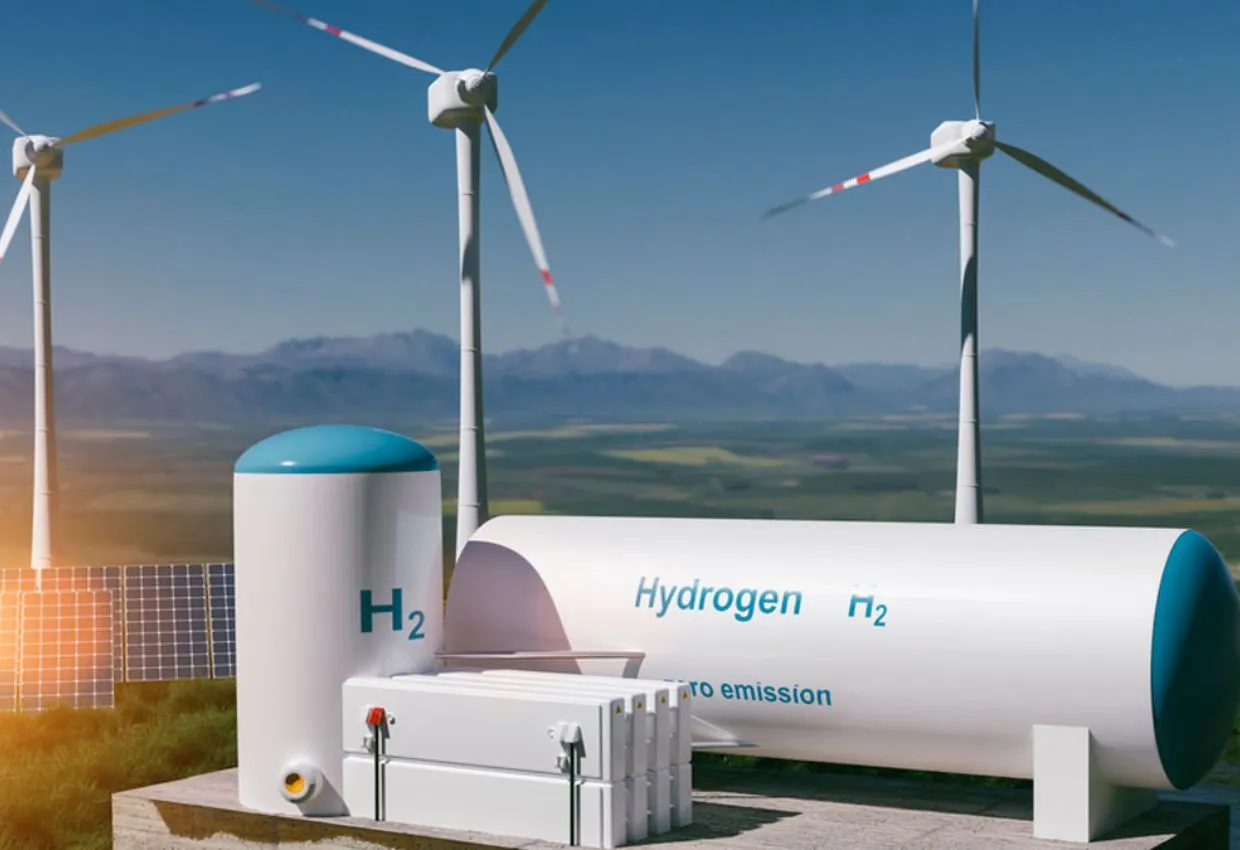
USP Will Have Two Green Hydrogen Plants Developed Alongside Major Companies Such as Shell, Hytron, and Raízen. The Goal Is to Develop Technologies That Contribute to the Transportation of the Fuel.
This Thursday (1), the University of São Paulo (USP) announced a partnership with companies in the fuel sector to develop a technology capable of converting ethanol into green hydrogen, energy considered sustainable due to its low carbon emissions. The cooperation agreement was signed with Shell Brasil, Hytron, Raízen, and CETIQT. The agreement provides for the installation of two units on the USP campus for the production of green hydrogen, which will be applied and tested in a bus at the University City.
Shell and Raízen Invest in Green Hydrogen
With operations expected to begin in the first half of next year, the initiative aims to create a viable low-carbon solution for heavy transportation and polluting industries, as well as inaugurate the first green hydrogen station based on ethanol in Brazil and the world.
In light of global pressure for solutions to the climate crisis, green hydrogen has been gaining prominence due to its significant potential to decarbonize sectors such as steel, chemicals, and electricity generation.
-
Renewable energy advances over protected areas in Brazil, and a survey by the Energy Transition Observatory reveals silent impacts that challenge environmental conservation and pressure sensitive traditional territories.

-
Rio Grande do Sul accelerates energy transition: State invests in renewable technologies and consolidates decarbonization strategies and pathways to attract billions in new industrial investments.

-
With 160,000 m² of collectors, an area larger than 20 football fields, Silkeborg, in Denmark, hosts a solar thermal plant that heats 19,500 homes and could become the largest solar heating plant in the world.

-
A study reveals the expansion of renewable energy procurement in Brazil and shows how companies are taking advantage of opportunities to reduce expenses, ensure energy efficiency, and strengthen strategic environmental commitments.


However, transporting this fuel is still challenging, as it requires storage at low temperatures and high pressure, complicating logistics. Additionally, manufacturing technologies are not yet fully developed, explaining the interest of various companies in this new market.
Shell, for example, is investing R$ 50 million in this project with research and development funds, regulated by the National Agency of Petroleum, Natural Gas and Biofuels. In May of this year, Shell had already reached an agreement for the construction of a green hydrogen plant at the Port of Açu (RJ).
Expectations for the Development of the Green Hydrogen Project
According to Alexandre Breda, technology manager for low carbon at Shell Brasil, the purpose of the agreement with USP is to position ethanol as a source of green hydrogen. The project aims to develop a device known as a reformer, responsible for breaking down the molecule of the biofuel to transform it into hydrogen.
Hytron, a company from the interior of São Paulo that is part of the partnership, already has a prototype of the device, but the technology still needs to be improved to ensure reliability, efficiency, and scalability of the process. The reformer will be installed at USP, which will also have a hydrogen refueling station.
The aim, at the end of the project, is to create a solution capable of overcoming the challenges of production, storage, and transportation of green hydrogen. According to Breda, every refueling station in Brazil has ethanol. Thus, instead of transporting hydrogen, it would be possible to place this reformer within the station to produce the fuel locally. Therefore, the development with Shell, Raízen, and USP will already be done in a container, to facilitate future distributed installation.
Raízen Will Supply Biofuel for the Project
The biofuel used by the USP plants in the process will be supplied by Raízen, the largest producer of sugarcane ethanol in the world. According to Ricardo Mussa, CEO of Raízen, the long-term goal is to reach a level of technology so advanced that the reformer can be installed not only at refueling stations but also in electric vehicles themselves.
According to the executive from Raízen, ultimately, the goal is to transform ethanol into hydrogen within the vehicle or bus itself, should the equipment be compact enough.









Seja o primeiro a reagir!