Portuguese
  Spanish



Major Distributors, Such as Ipiranga, Raízen, and Vibra, Join Petrobras to React Against ANP’s Plan to Increase Diesel Stocks. Market Leaders See Risk of Price Increase Due to the Measure Implemented.
Petrobras, in partnership with Raízen, Ipiranga, and Vibra, market leaders in fuel distribution, reacted against the proposal from the National Agency of Petroleum, Natural Gas, and Biofuels (ANP). As of this Friday, (07/15), the ANP proposed expanding S10 diesel stocks between September and November due to the risk of supply shortages in the second half of the year.
More Time for Implementation of the Measure Is What Market Leaders Desire
Petrobras requested more time for the new proposal to be implemented, seeking an additional three months from the publication of the measure. For example, if the document is released this month, the rules would only come into effect in mid-October, not at the beginning of September, as the ANP desired. It was Petrobras that—while defending the need for price adjustments—alerted the government about the risks of supply shortages.
However, the state-owned company made some criticisms of the agency’s plan: “Increasing stocks in a moment of product scarcity in the international market, coupled with rising global prices, may lead to increased prices for consumers considering the additional costs imposed on agents,” commented Petrobras in a statement sent to the ANP. The same argument was used by Ipiranga, Vibra, and Raízen.
-
With a record production of nearly 3 million barrels per day, Petrobras resumes importing diesel in July, highlighting the bottleneck in Brazilian refining.

-
Qantas and Airbus Invest in Company Aiming to Convert Unsorted Household Trash into Jet Fuel

-
Brazil’s ANP Opens 86 New Oil Blocks in the Equatorial Margin, Expanding the Amazon River Mouth Frontier

-
OPEC+ Boosts Oil Supply by 188,000 Barrels per Day in July 2026, Leading to Price Drop from $112 to $89 per Barrel in Under Two Months
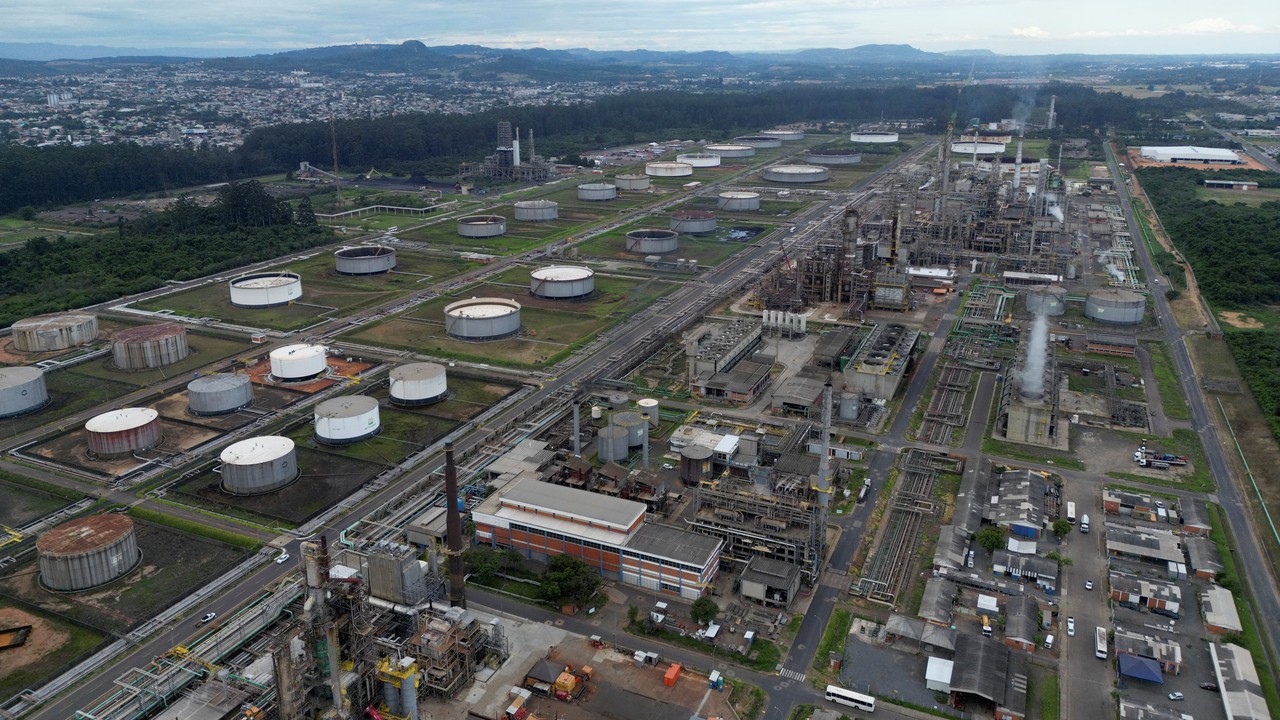


The ANP is trying to mitigate the risks of a potential shock in S10 diesel imports due to the current scenario of the Ukraine war. According to the regulatory agency, stocks have been declining week by week since the second half of May. Petrobras and Ipiranga request that the ANP conduct a Regulatory Impact Analysis (RIA).
However, given the urgency of the measure, the agency waived the RIA and reduced the public consultation period from the regular 45 days to just five working days. According to the oil company, it is necessary to consider the potential increase in costs for the agents involved.
Petrobras States That the Resolution of the Proposal Should Be Implemented Similarly for All Distributors
The state-owned company, along with Ipiranga, Raízen, Vibra, and Acelen, asserts that the resolution of the measure should be applied equally to all producers and distributors of fuels. In contrast, Alesat, a smaller distributor compared to market leaders, defends the opposite, arguing that smaller companies do not have the financial or operational capacity to take on new responsibilities.
This is because the ANP’s new measure requires producers and distributors to maintain the equivalent of nine days of full stock per year, based on second-half demand from the previous year. It is worth noting that the measure applies to companies with a market share exceeding 8% of S10 sales in the second half of 2021.
“Agents with regional operations play a decisive role in ensuring local demand is met… Additionally, maintaining higher stocks incurs additional costs for agents, thus applying obligations only to a subset of agents impacts their competitiveness and the competitive dynamics of the market,” defended Petrobras.
However, according to Alesat, the requirement for these smaller and medium-sized agencies to store diesel oil could even lead to the cessation of their business, given that the infrastructure used for storing the product is precisely the same as that used for storing the product in the process of commercialization.