





 Portuguese
  English
  Spanish
  3 min of reading
  0 comments


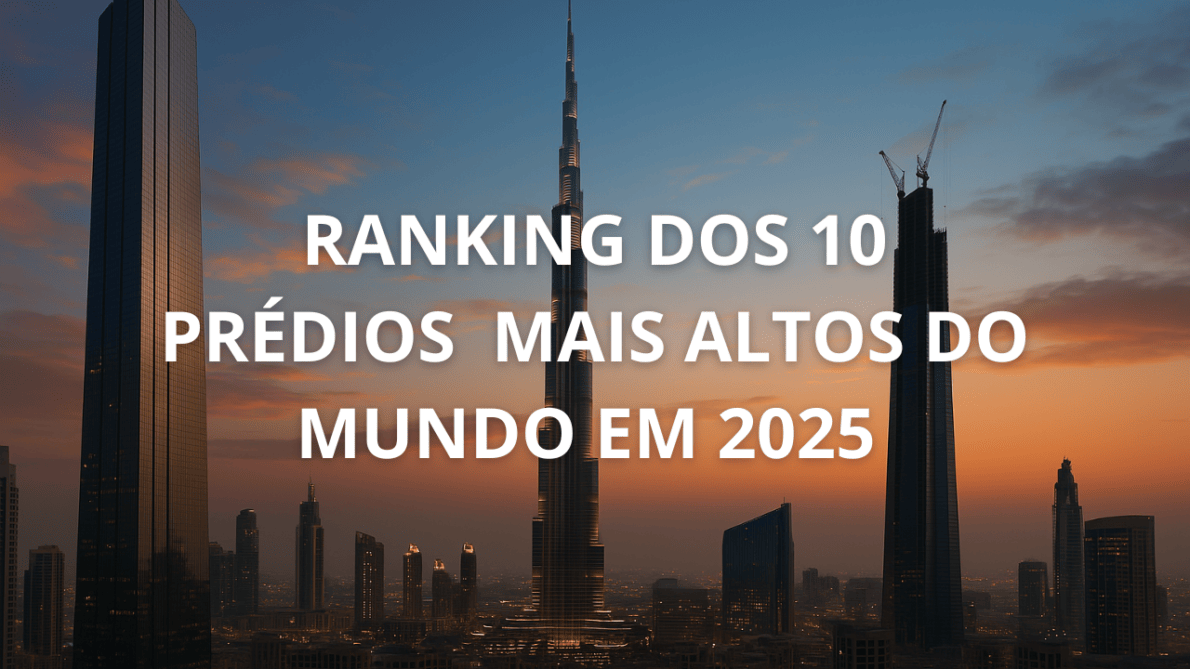
Largest Buildings in the World in 2025: Burj Khalifa Maintains Its Leadership While New Grand Constructions Promise to Change the Scenario!
The construction of skyscrapers around the world has redefined urban horizons, especially in Asia and the Middle East. The supremacy of the West in mega constructions is a thing of the past. Today, only one of the ten largest buildings in the world is located outside these regions. At the absolute forefront is the iconic Burj Khalifa, which has reigned as the tallest building in the world for 15 years, standing at an impressive 828 meters tall.
However, new grand projects threaten this position, including developments in Saudi Arabia and, surprisingly, in Brazil.
The Burj Khalifa, located in Dubai, United Arab Emirates, is a global landmark of architecture and civil engineering.
-
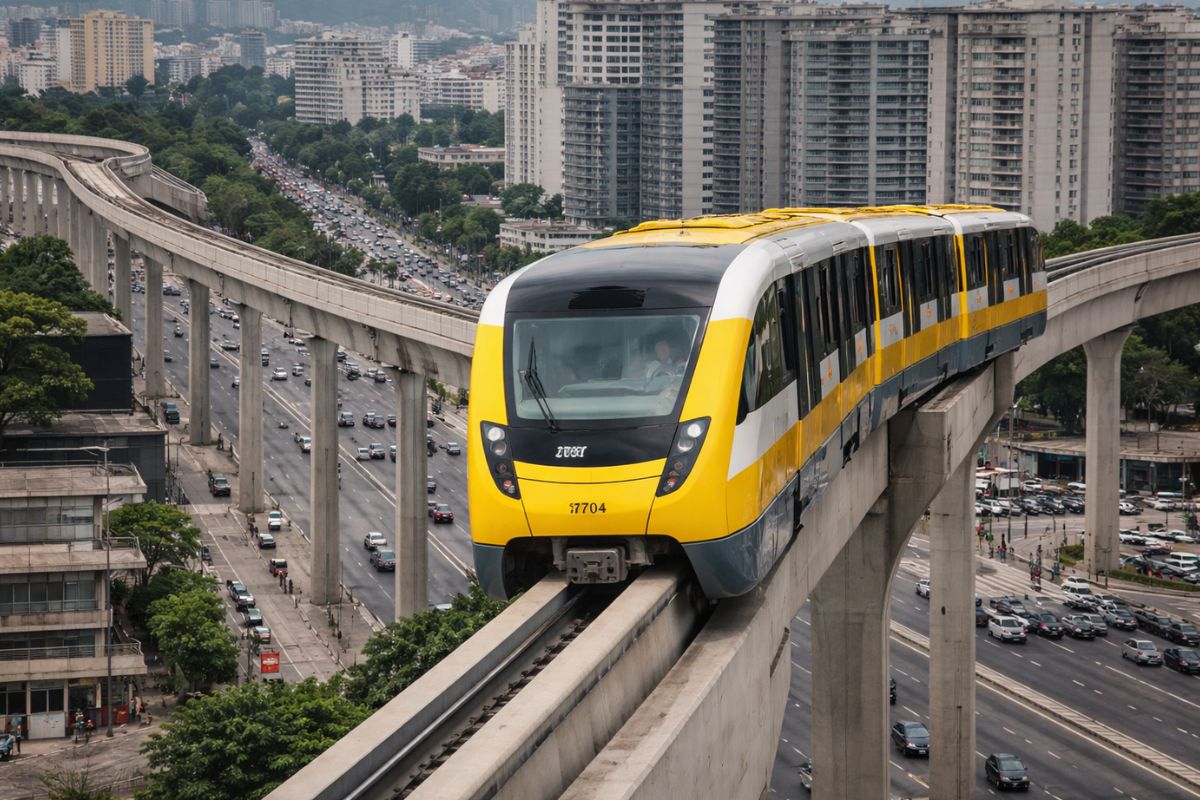
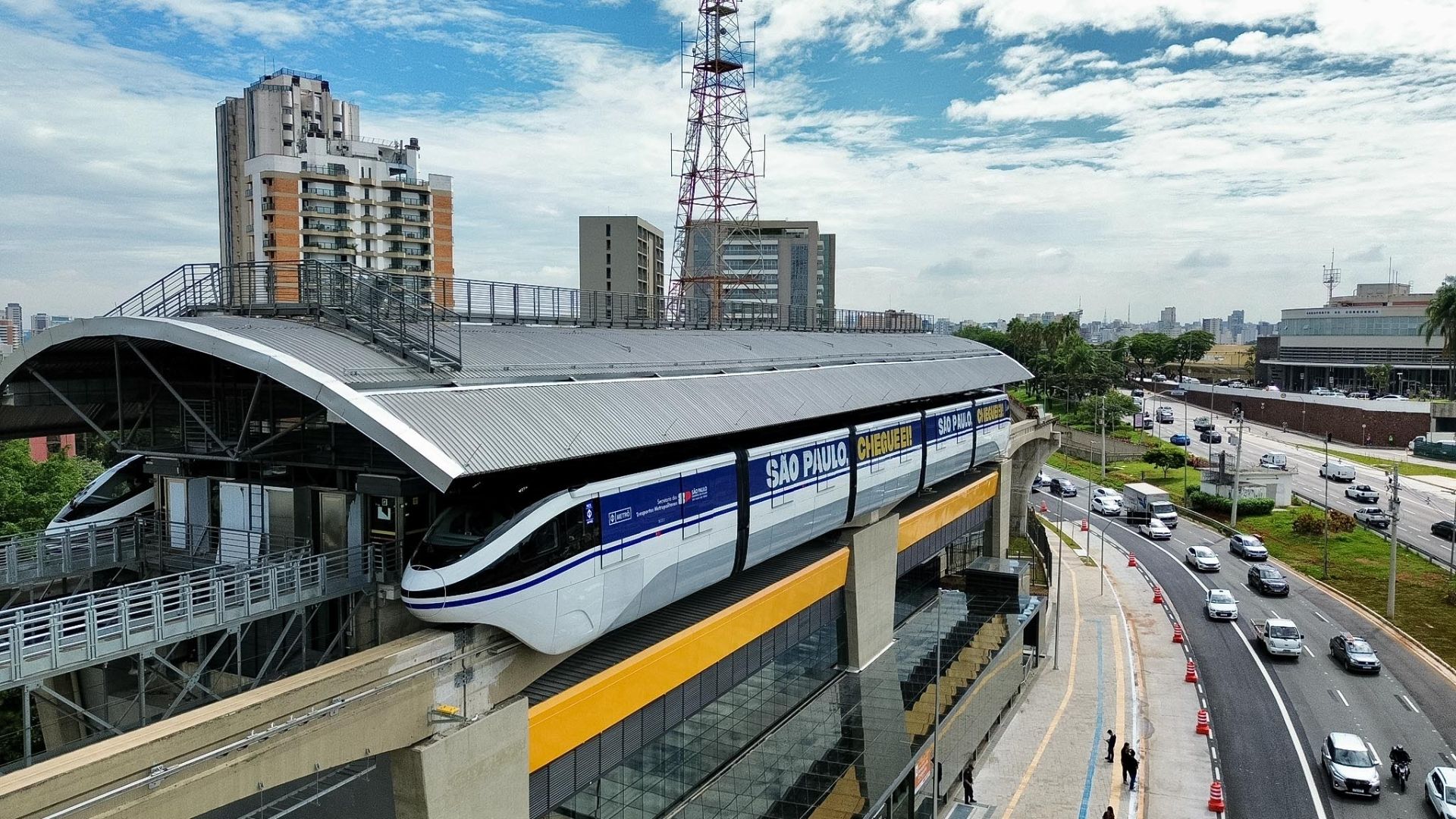
The project that was supposed to be ready for the 2014 World Cup in Brazil debuted with a 12-year delay and nearly R$ 6 billion invested: the Line 17-Gold of the São Paulo monorail opened with reduced hours and is only expected to operate fully in October.
-
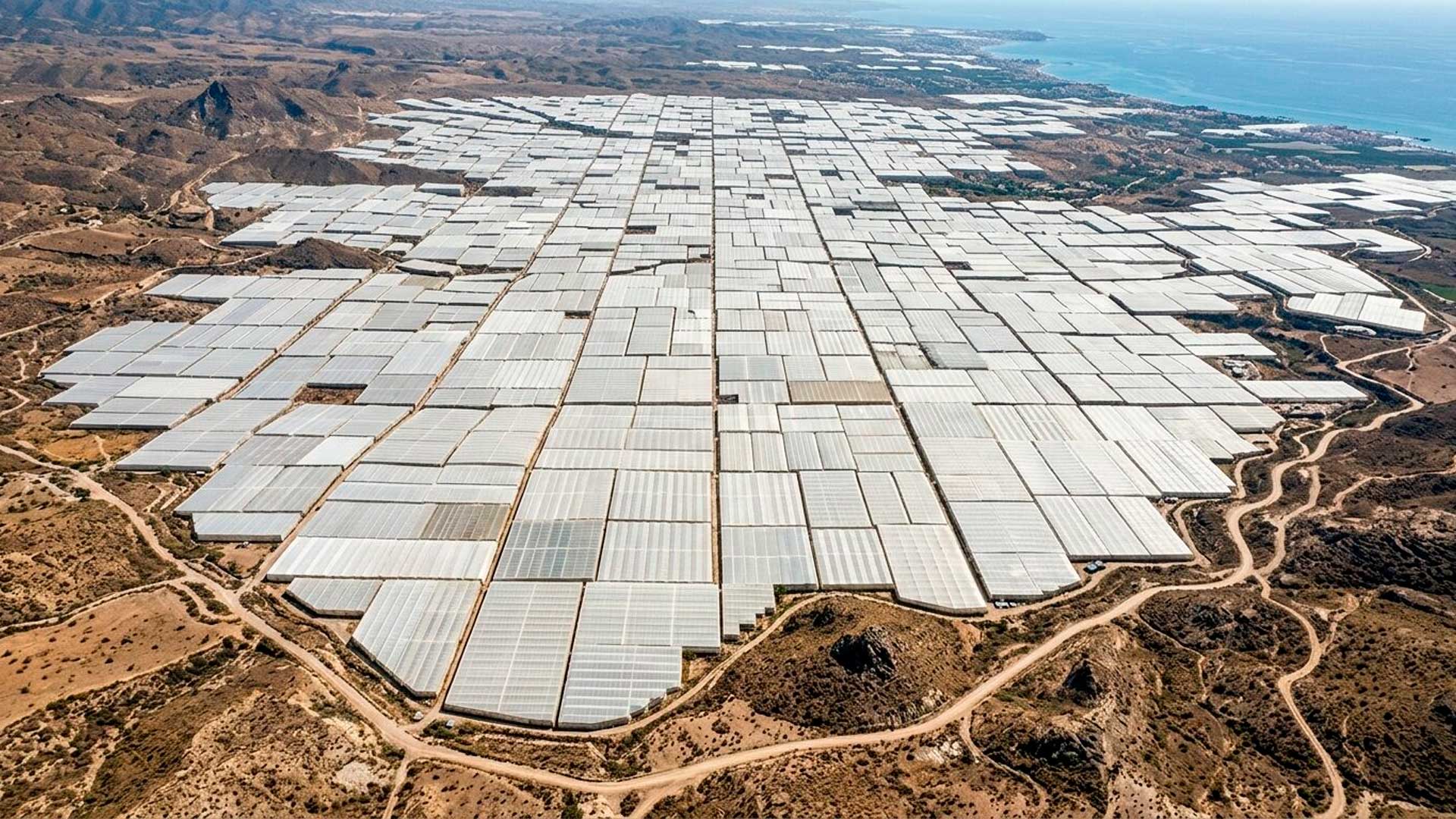
Neither the Pyramids nor the Great Wall of China, this gigantic construction in Spain is the human mark on planet Earth that intrigues the most when seen in images from space.
-
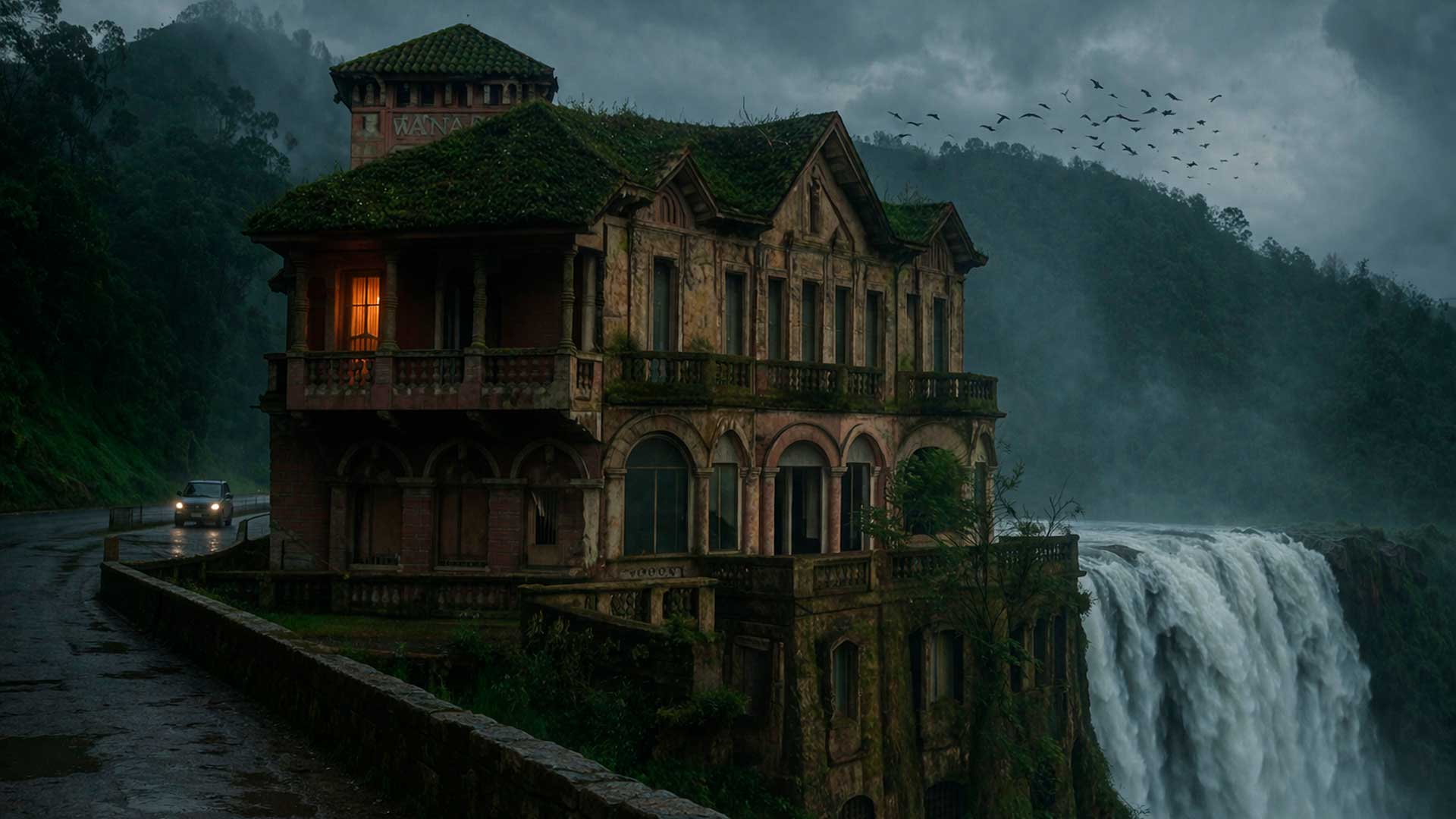
Surrounded by cliffs, mist, and chilling stories, the ancient Hotel del Salto has been reborn as a museum while still unable to shake off its reputation as a haunted place.
-
This star-shaped fortified construction, hidden near the border of Spain, may be the largest fortress on the planet.

Since its completion in 2010, the skyscraper has attracted tourists, investments, and admiration for its structural boldness and modern symbolism. However, the building’s hegemony seems to be numbered.
In 2024, construction of the Jeddah Tower resumed in Saudi Arabia after years of being on hold.
Designed to reach the unprecedented height of 1 kilometer, the tower has already reached the 64th floor and promises to dethrone the Burj Khalifa.
The project is led by the Saudi Binladin Group, the largest contractor in the Middle East, with a controversial history, even linked to notable historical names.
The advancement of the Jeddah Tower is closely monitored by experts and onlookers alike, as the project symbolizes not only the Saudi desire for economic diversification but also a regional race for prominence in civil engineering.
Although Dubai was a pioneer in transforming the desert into an urban icon, Riyadh and Jeddah are seeking their own place in the sun with monumental projects.
However, the surprise of the moment comes from Brazil. In October 2024, the mayor of the city of Sorocaba, in the interior of São Paulo, announced an audacious project: a skyscraper with 170 floors and 1,000 meters tall.
If it is actually built, the building would put Brazil directly in the global spotlight and become the new record holder among the tallest buildings in the world.
The Brazilian proposal, although still in its infancy and surrounded by doubts regarding its technical and financial feasibility, shows how the ambition for height now also reaches the Southern Hemisphere.
The project promises to gather sustainable technologies and futuristic design, representing a new phase for the construction sector in Brazil.
While these new giants are not yet completed, the current ranking of the 10 largest buildings in the world in 2025 shows an almost absolute dominance of the East:
1-Burj Khalifa – 828 meters – Dubai, United Arab Emirates;
2-Merdeka 118 – 678.9 meters – Kuala Lumpur, Malaysia;
3-Shanghai Tower – 632 meters – Shanghai, China;
4-Abraj Al Bait – 601 meters – Mecca, Saudi Arabia;
5-Ping An Finance Centre – 599.1 meters – Shenzhen, China;
6-Lotte World Tower – 555.7 meters – Seoul, South Korea;
7-One World Trade Center – 541.3 meters – New York, USA;
8-Tianjin CTF Finance Centre – 530 meters – Tianjin, China;
9-Guangzhou CTF Finance Centre – 530 meters – Guangzhou, China;
10-CITIC Tower – 528 meters – Beijing, China;
This ranking reveals how the construction of skyscrapers has become a showcase of economic power, technological innovation, and national affirmation, especially in countries that have undergone rapid transformations in recent decades.
Beyond height, many of these buildings stand out for their use of sustainable materials, intelligent management systems, and multiple functions – combining residences, offices, luxury hotels, and commercial spaces in one area.
The Burj Khalifa remains the ultimate symbol of human ingenuity in the construction sector.
However, with the resumption of the Jeddah Tower and the bold proposal in Sorocaba, the race for the top promises new chapters in the coming years.
Whether in the heart of Arabia or in the interior of São Paulo, the desire to touch the sky continues to move boundaries, elevate ambitions, and challenge the limits of the possible.
After all, building the tallest building in the world is not just an engineering feat, but a statement of grandeur to the entire world.






Seja o primeiro a reagir!