





 Portuguese
  English
  Spanish
  5 min of reading
  0 comments


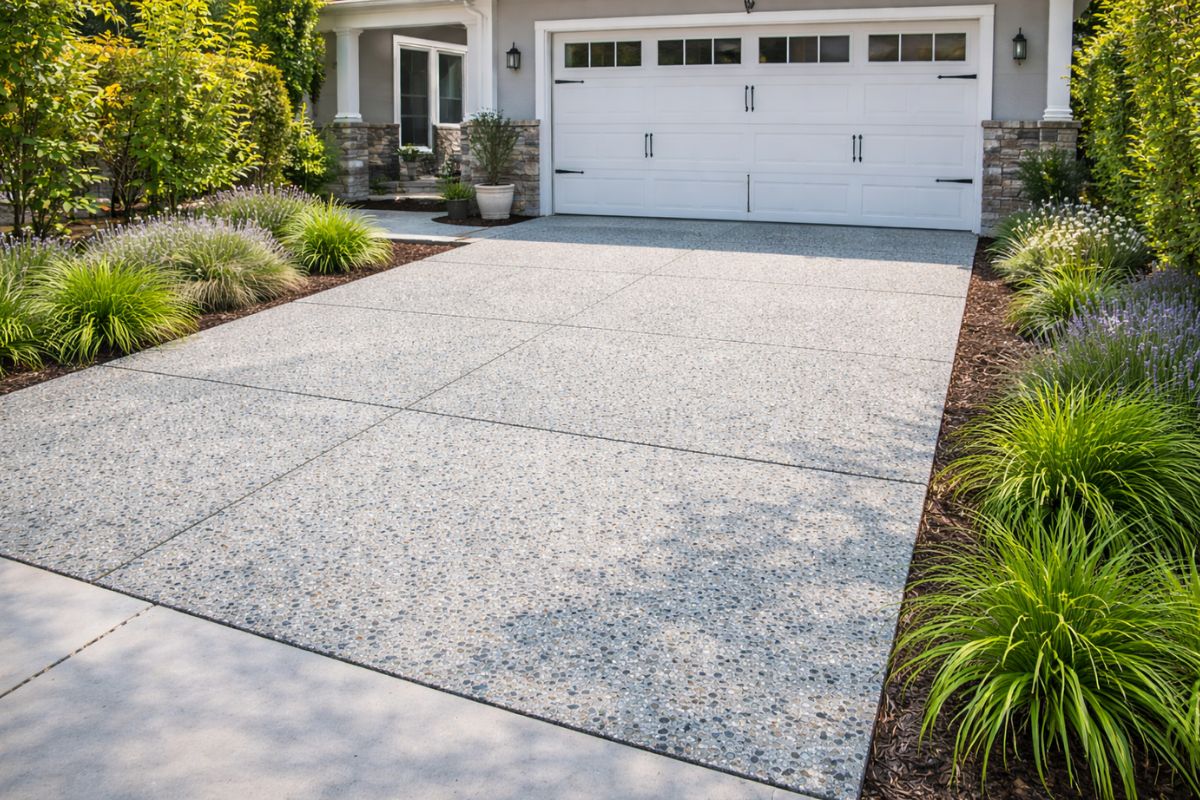
The recycled material called RAP (recycled asphalt pavement) costs on average $7.50 per square meter compared to $20 for concrete, prevents waste from previous works from going to landfills, consumes less energy and water in production, and leaves the garage entrance with a smooth and durable finish.
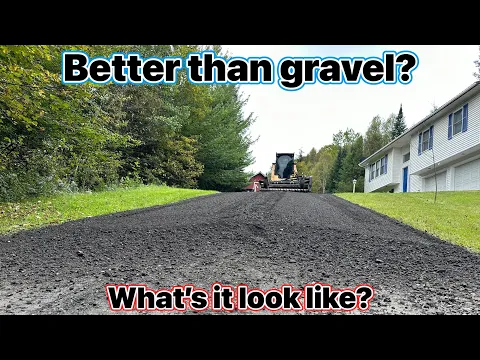
If you are trying to make your home more sustainable, you may have never thought of the garage entrance as part of the problem. But there is a recycled material that can replace concrete in this area for less than half the price and with a drastically lower environmental impact. Recycled asphalt pavement, known by the acronym RAP, consists of milled asphalt from previous paving projects, combined with a binding agent that gives cohesion to the mix. Instead of ending up in landfills, this recycled material gets a second life as a functional and aesthetically pleasing surface.
The cost difference is significant. While concrete can cost up to $20 per square meter, the same area covered with recycled RAP material costs on average $7.50. In addition to financial savings, using this recycled material is more energy and water efficient than producing new concrete, whose manufacturing relies on burning fossil fuels and is responsible for nearly 10% of the world’s carbon emissions. Replacing concrete with recycled material in the garage is not just an aesthetic issue. It is a decision that affects both the wallet and the planet.
What is RAP and why does this recycled material replace concrete advantageously

According to HouseDigest, RAP is produced from asphalt removed from roads, sidewalks, and parking lots during maintenance or renovation work. Instead of discarding this material in landfills, it is milled, processed, and recombined with a binding agent that restores its paving properties.
-
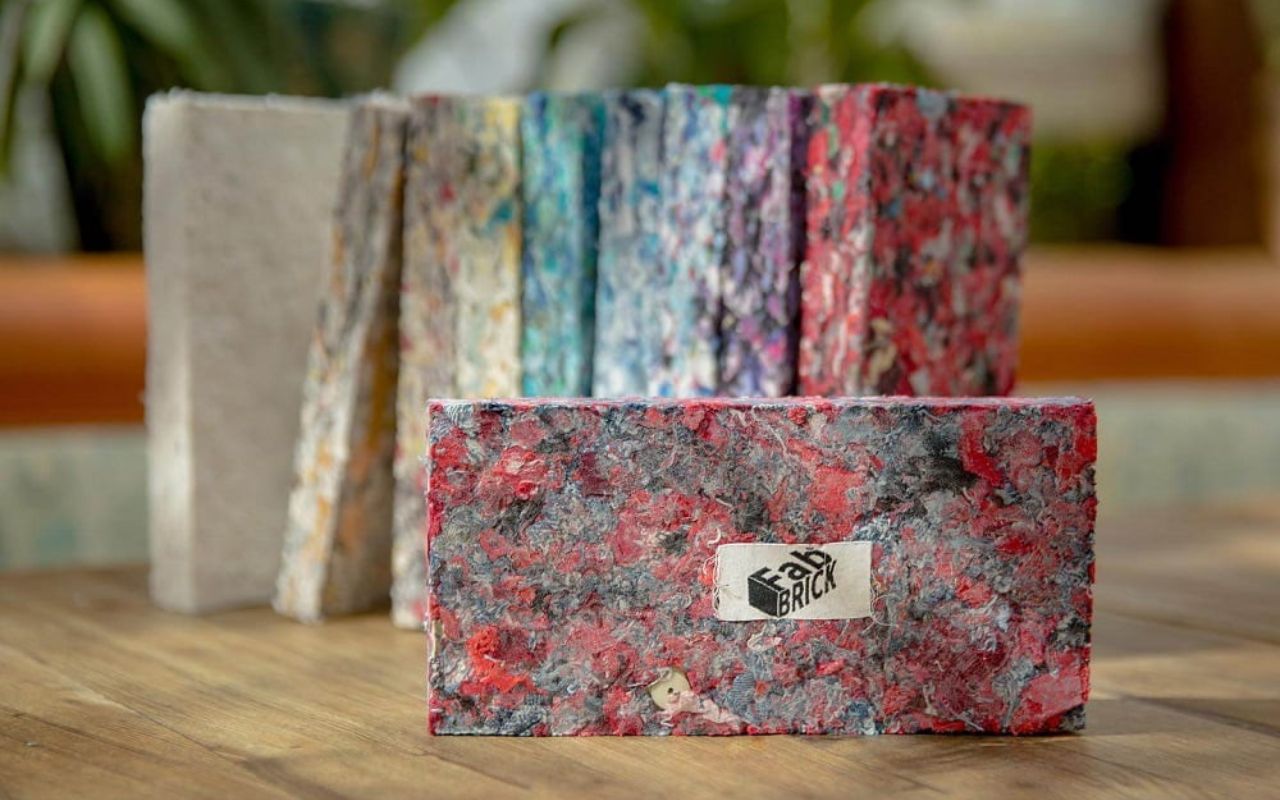
The company transforms discarded clothing into eco-friendly bricks that are resistant to fire and moisture; FabBRICK has already reused more than 12 tons of fabric.
-
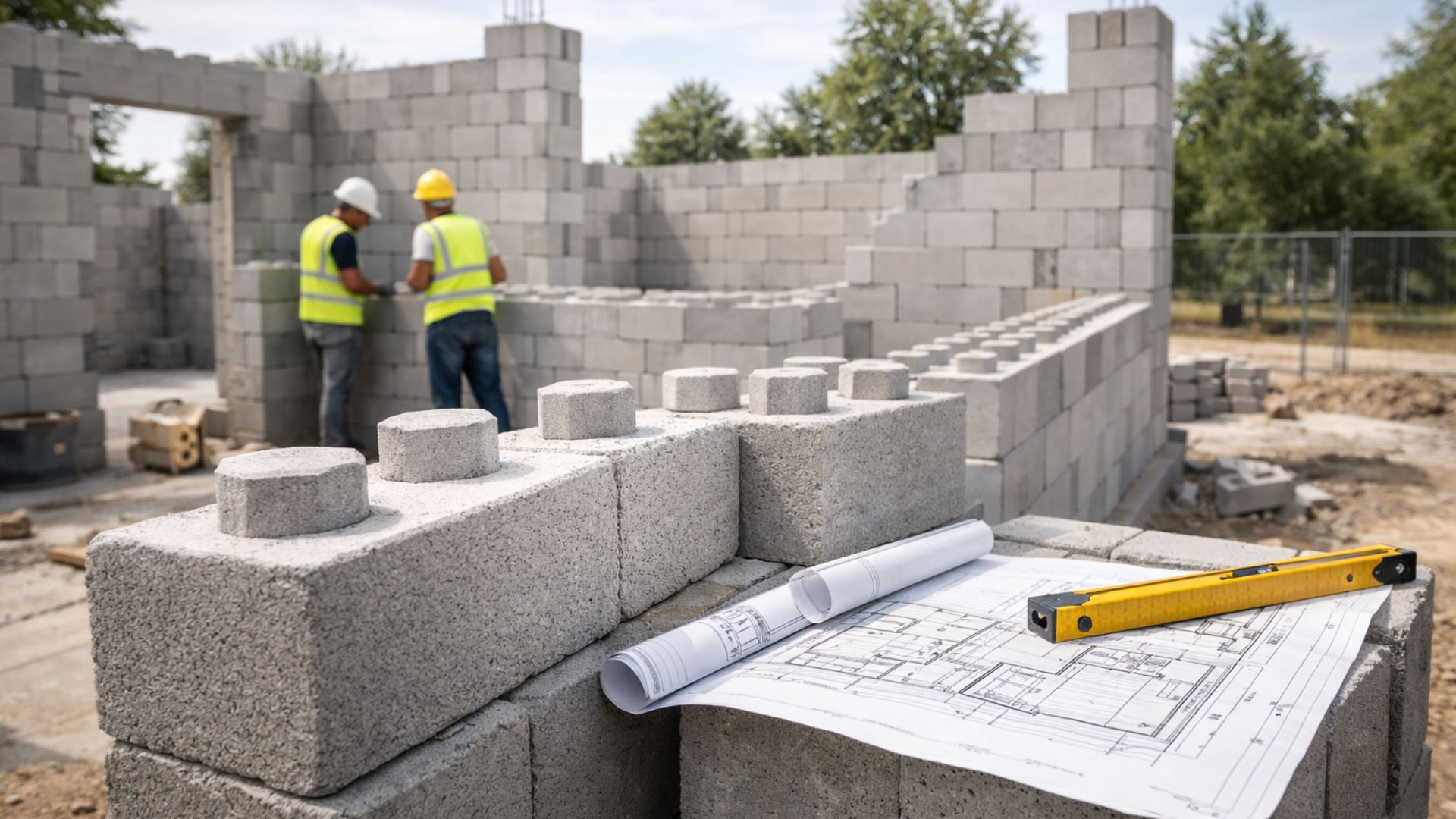
How to build an entire house in just a few days using LEGO concrete blocks and reduce construction time by up to 60%, without mortar, with precise fitting, lower labor costs, and high thermal and acoustic insulation.
-
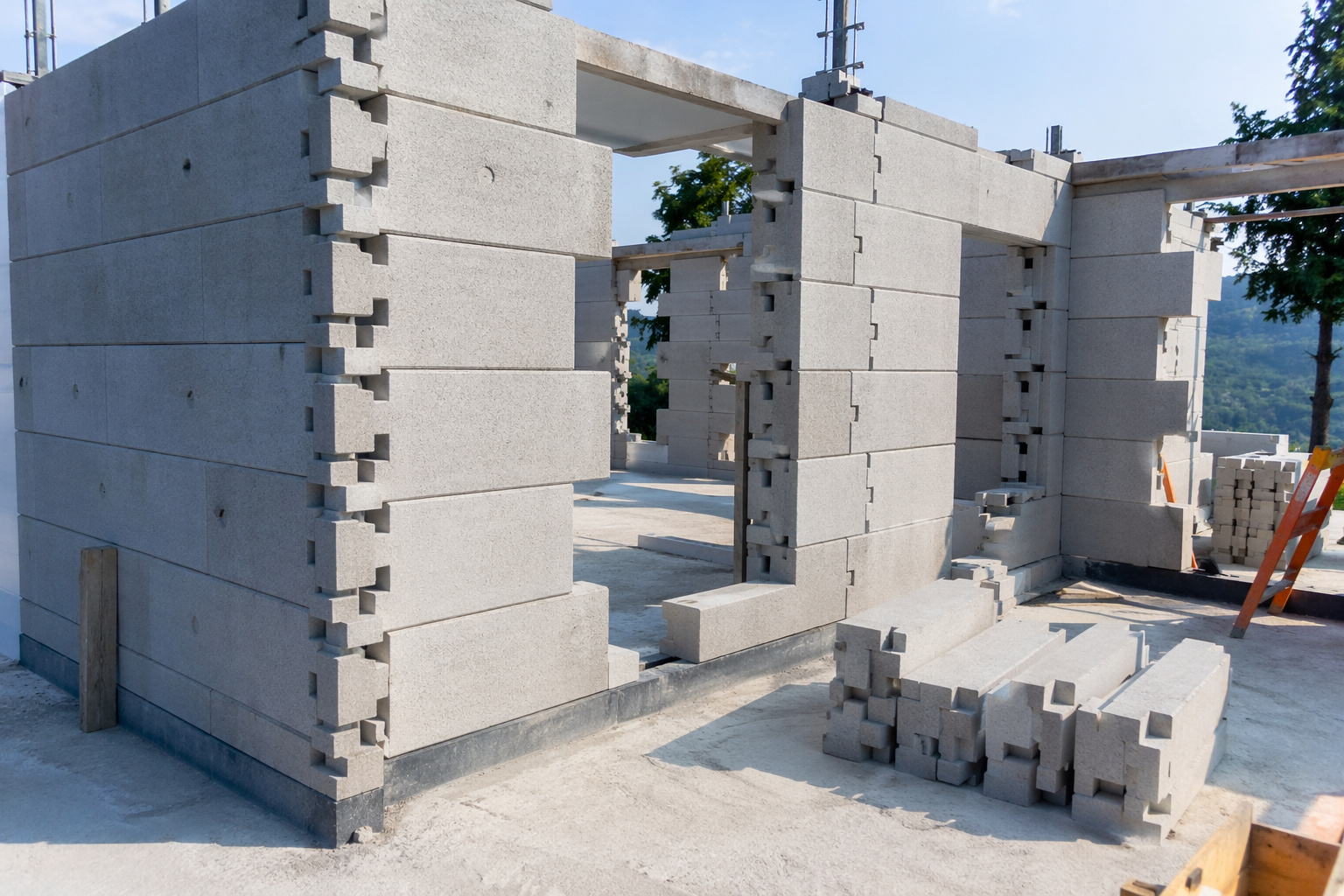
Cement-free interlocking system revolutionizes the construction industry by allowing entire houses to be built with interlocking blocks, reducing costs, speeding up projects, and transforming the standards of efficiency and sustainability in the sector.
-
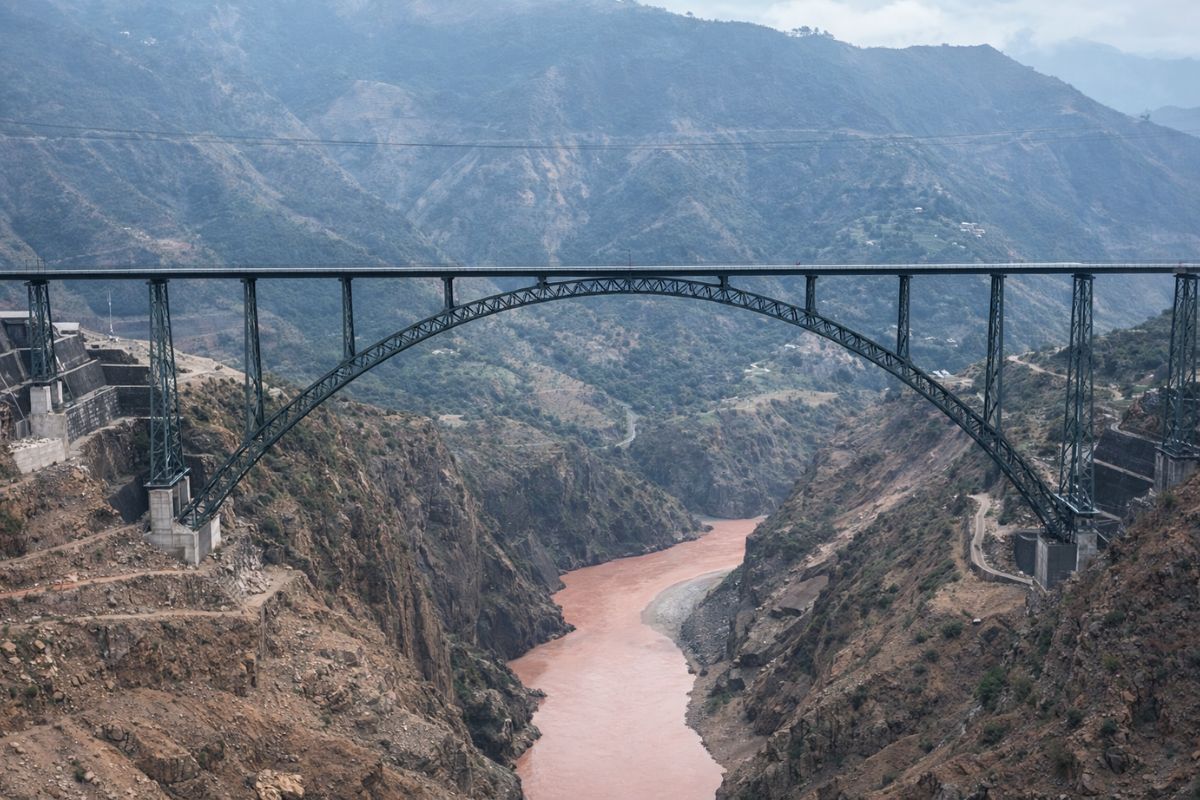
At 359 m above the river and with a span of 467 m, the highest railway bridge in the world has withstood winds of 266 km/h, featuring modular steel, a filled arch, and sliding tracks in historic Indian Kashmir.
The result is a surface that behaves similarly to new asphalt, but without the environmental and financial cost of producing raw material from scratch.
The recycled RAP material offers a smooth and uniform finish that does not compromise the appearance of the garage entrance. The final texture is similar to that of compacted gravel, which disguises imperfections better than concrete, where any crack or stain becomes visible.
For those concerned about aesthetics, RAP provides a clean and well-finished surface. For those concerned about sustainability, it offers the peace of mind of knowing that the garage surface did not come from a factory that burns fossil fuels to produce cement.
How much does it cost to replace concrete with recycled material at the garage entrance

The numbers are straightforward and favor recycled material in all scenarios. Concrete can cost up to $20 per square meter, while RAP costs on average $7.50 for the same area, representing a savings of over 60% on the surface cost.
For a standard-sized garage entrance, the total difference can easily exceed a thousand dollars.
If the garage already has an old asphalt entrance, the savings with recycled material can be even greater. When the contractor can reuse the existing asphalt in the project, the owner can save over a thousand additional dollars on the project, along with reduced costs for transporting and producing new materials.
The recycled material creates a cycle where what would be waste transforms into real and measurable savings for those renovating.
The advantages and disadvantages of recycled material compared to concrete

No surface is perfect, and the recycled RAP material has limitations that need to be considered. Asphalt generally does not last as long as concrete: while asphalt garage entrances have a lifespan of 15 to 30 years, concrete can last up to 40 years under ideal conditions.
This difference in longevity is real and should be taken into account by those planning renovations.
On the other hand, recycled material compensates for this disadvantage in other practical aspects. RAP requires less maintenance than conventional asphalt. When damage occurs in concrete, repairs are also expensive and complicated.
Additionally, recycled asphalt is more resistant to temperature variations, making it a superior option for regions with well-defined seasons, where freezing and thawing cause cracks in concrete. For those living in temperate climates, recycled material can last as long as concrete in practice.
Why concrete is an environmental problem and recycled material is the answer
Concrete is so common in the urban landscape that few people question its impact. But the production of cement, an essential ingredient of concrete, relies on burning fossil fuels in kilns that operate at extreme temperatures, and this process is responsible for nearly 10% of all carbon emissions on the planet.
Every square meter of new concrete carries a carbon footprint that recycled material simply does not have.
RAP avoids two sources of pollution at the same time: it prevents asphalt waste from going to landfills and eliminates the need to produce new material.
The energy savings are significant because there is no extraction of raw materials, no high-temperature industrial processing, and transportation is reduced when the recycled material comes from nearby projects. It is a solution that transforms construction waste into functional surfaces, reducing emissions at every stage of the process.
How to use recycled RAP material in practice and what to expect from the result
The application of recycled material at the garage entrance follows a process similar to conventional paving. A contractor prepares the ground base, distributes the RAP in even layers, and compacts the material until it reaches the necessary density to support the weight of vehicles.
The final result is a firm, smooth surface with a professional appearance that lasts between 15 and 30 years with minimal maintenance.
The recycled material works best when applied by professionals who know the correct compaction technique. Although the process is simpler than installing concrete, the quality of the finish depends on the proper preparation of the base and the even distribution of the RAP.
For those who decide to invest in this eco-friendly alternative, the return is triple: immediate financial savings, reduced environmental impact, and a garage entrance that looks as well-maintained as any made with conventional materials.
Did you know about recycled asphalt as an alternative to concrete for garage entrances? Would you make the switch knowing that the recycled material costs less than half and pollutes much less? Share in the comments. Sustainable alternatives that also save money deserve more attention than they receive.








Seja o primeiro a reagir!