





 Portuguese
  English
  Spanish
  2 min of reading


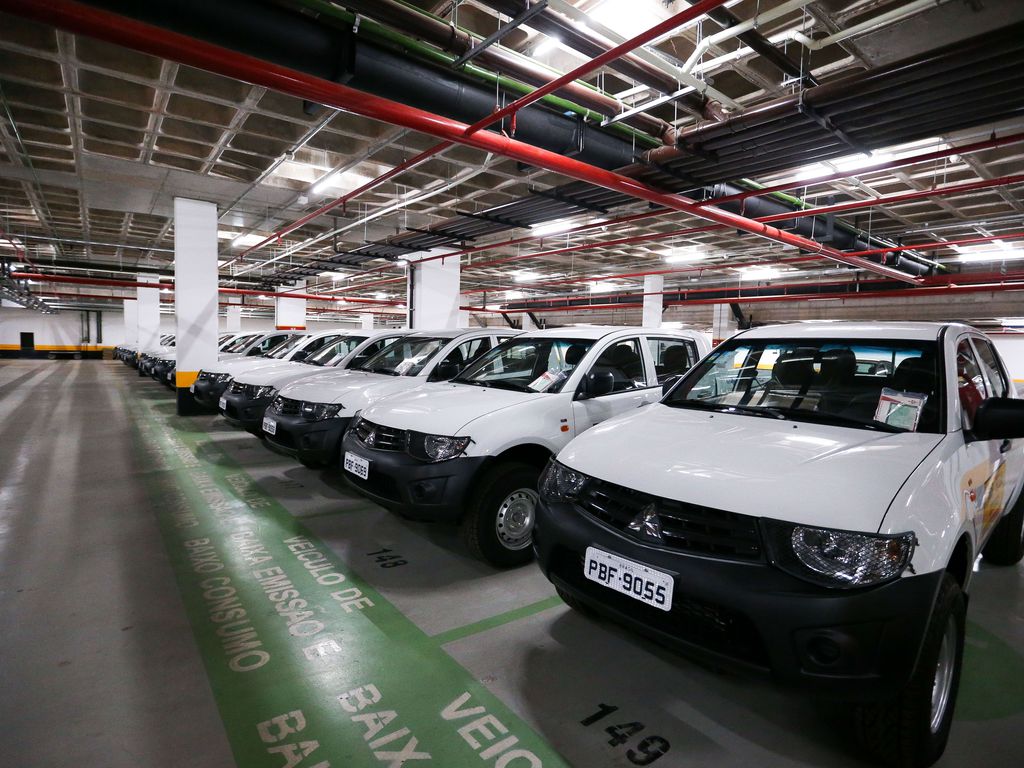
What Will Be The Impact Of The ICMS Reduction For Vehicles In The State Of São Paulo
Last Wednesday, on the 29th, the government of the State of São Paulo announced to its population that several sectors of the economy would benefit from tax reductions. The main reason is that the state expects to accelerate economic recovery next year and secure jobs. One of the main measures was the reduction of the Tax on Circulation of Goods and Services (ICMS) for vehicles, decreasing from 3.9% in 2021 to 1.8% in 2022.
In 2020, the ICMS rate for vehicles was only 1.8%, but it increased to 5.53 in the early months of this year, returning to 3.9% in April. By January 2022, the rate will revert back to 1.8%.
What Will Be The Impact Of The ICMS Change On Vehicles For Paulista Consumers?
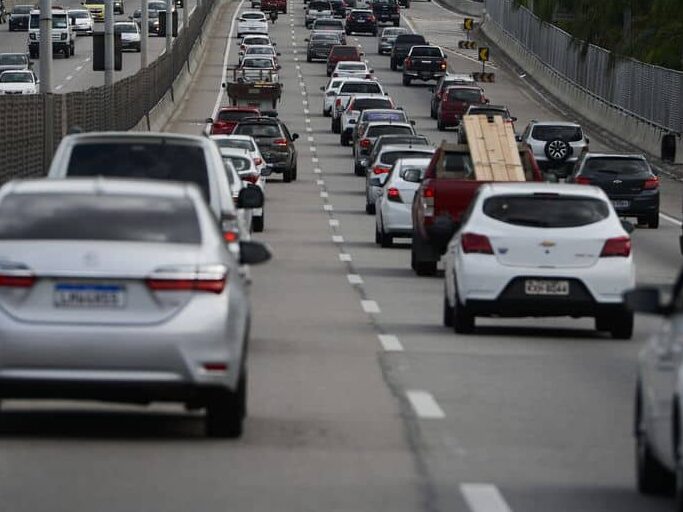
According to FENAUTO, the National Federation of Motor Vehicle Dealers, through its president Ilídio Dos Santos, the ICMS change in the state will “greatly facilitate business transactions for retailers and, above all, ease the cost of vehicles for consumers.”
-
Unemployment rises again to 5.8% at the beginning of 2026, raising alarms about the end of temporary positions and its impact on the Brazilian job market.

-
Document organization can cut invisible costs in small businesses, a simple step that prevents waste, rework, and losses in daily operations.

-
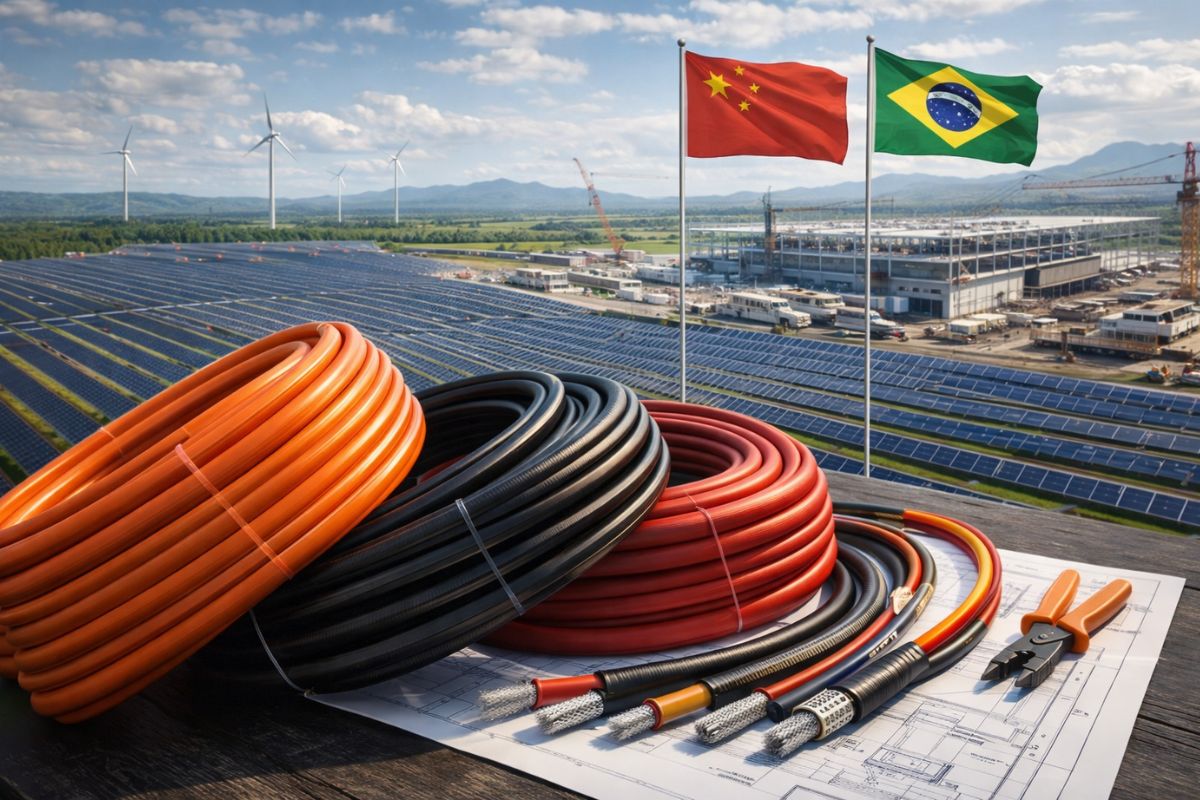
Chinese giant worth nearly R$ 4 billion that manufactures cables for electric cars, solar energy, and robotics wants to open a factory in SC.
-
Many employers do not know, but the law guarantees domestic workers a 25% increase in salary during trips, 50% for overtime, 20% for night shifts, and 17 additional benefits that can lead to labor lawsuits if not paid.


Furthermore, he highlighted that with the reduction of the rate, “with the ICMS reduction, the prices of used cars should impact the final cost, that is, on the consumer’s pocket.” Information from the site Garagem360.
New Vehicles Are Rare and Expensive
The pandemic has several negative repercussions on the global economy. One of the main issues is the difficulty manufacturers face in finding semiconductors and parts for new vehicles; in other words, with fewer new cars in the market, used vehicles have become more expensive. Thus, the impact of the reduction on consumers’ wallets will likely be limited due to the economic scenario.
In addition to lowering vehicle prices, the measure is also seen as another incentive for job creation in the state and the resumption of investment capacity by companies in the sector.









Seja o primeiro a reagir!