






 Portuguese
  Spanish


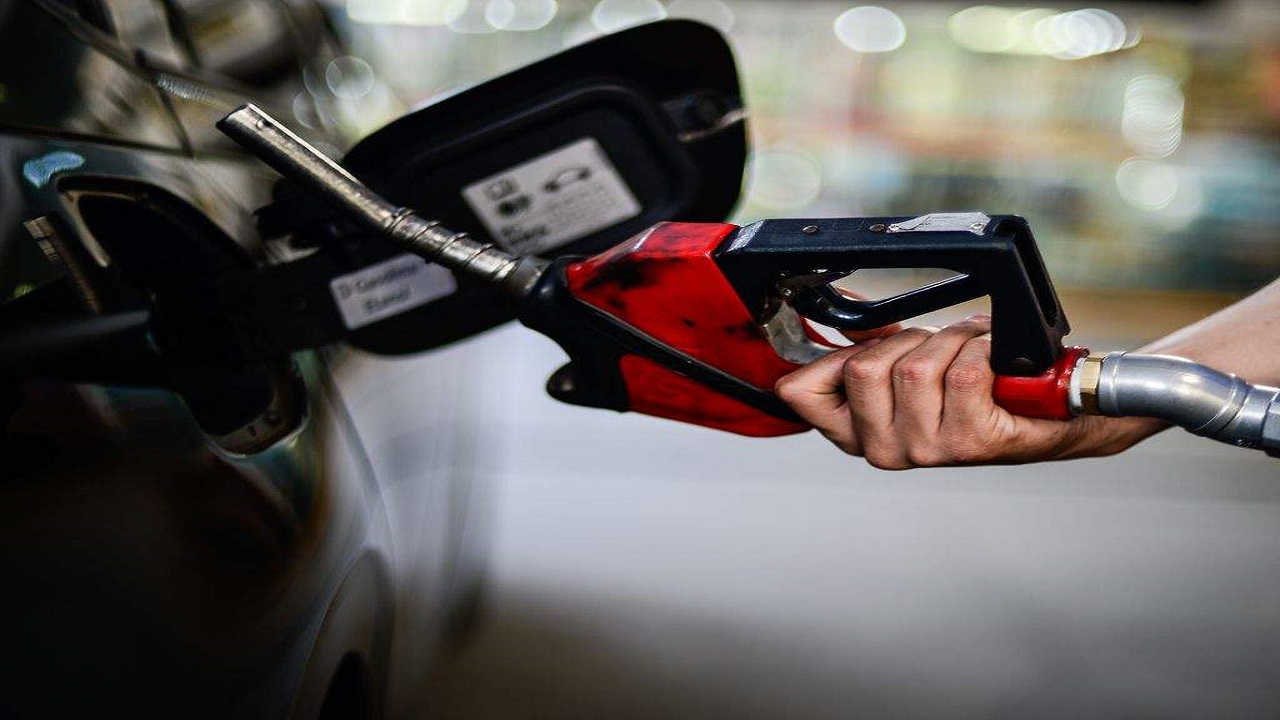

The Decision of the Government of Espírito Santo to Freeze ICMS Aims to Prevent the Increase of Gasoline, Cooking Gas (GLP), and Diesel Oil in the Coming Months
The Governor of the State of Espírito Santo, Renato Casagrande, after a meeting with the Secretary of State for Finance, Marcelo Altoé, decided to freeze the update of PMPF (Average Weighted Price to Final Consumer) for the coming months, should new increases in the prices of petroleum derivatives occur, such as gasoline, cooking gas, and diesel.
Read Also
Current Situation of High Prices for Petroleum Derivatives in Espírito Santo
Currently, in the state of Espírito Santo, diesel oil is being sold between R$ 4.41 and R$ 4.85, according to data released by the National Agency of Petroleum, Natural Gas, and Biofuels, ANP. Thus, the calculated PMPF is R$ 4.50. In other words, a tax of 12% will be charged on this value, which corresponds to R$ 0.54. Since July, the PMPF update has not been carried out for GLP.
Cooking gas is being sold for around R$ 86.00, varying up to R$ 110.00. However, the state charges the tax on the value of R$ 71.69. According to the Secretary of State for Finance, Marcelo Altoé, the government of Espírito Santo fully understands the importance of cooking gas (GLP) for the population and that even though the increase in PMPF is a right of the state, it could further raise the prices of petroleum derivatives.
-
At 14 years old, she worked in a factory in Hong Kong, studied economics abroad, and then entered the Chinese real estate market, which helped change the landscape of Beijing.

-
While NATO secured more than $10 billion in missiles and space surveillance at a single forum, Brazil still spends 1.1% of its GDP on defense and is stalling its own anti-aircraft system.

-
Corn ethanol attracts R$ 23 billion in 21 new plants and prepares for a nearly 50% jump in Brazilian production by 2027, even with high interest rates.
-
A newly opened terminal in the middle of the Amazon has begun transporting soy and corn through Amapá, eyeing the queue of ships that is congesting the ports in the South.


Altoé also stated that even with the freezing of ICMS, the prices of gasoline, diesel oil, and cooking gas continue to rise, but this has nothing to do with the state, but rather with the pricing policy adopted by Petrobras in recent years.
Governor Casagrande and Other Governors Confront Bolsonaro Over ICMS
Governor Renato Casagrande of PSB, along with 19 other state executives, issued a letter last Monday (20), denying that they had increased the ICMS on gasoline, cooking gas, and diesel oil.
Casagrande emphasized in the letter that this is a national problem and called on the Federal Government for the current situation. The governor also demanded an immediate solution to the issue.
“The governors of the Brazilian federated entities who are signatories publicly clarify that, in the last 12 months, the price of gasoline has recorded an increase of over 40%, although no state has increased the ICMS on fuels during this period.” The governors Flávio Dino, PSB-MA, Ronaldo Caiado, DEM-GO, Rui Costa, PT-BA, Cláudio Castro, PL-RJ, Romeu Zema, Novo-MG, Eduardo Leite, PSDB-RS, and Ibaneis Rocha, MDB-DF, were the ones who signed the letter.
Clarification Note from Sefaz – ES
In light of so many debates about the increase in fuel prices and high taxes to be paid, the Secretary of Finance – Sefaz published a clarification note to clarify certain points on the subject. The note was made by the Petroleum, Natural Gas, Biofuels, and Derivatives Nucleus (Nupetro).
In a part of the note, Luiz Claudio Nogueira de Souza, supervisor of Nupetro, stated that they understand that this issue is complex, which is why they created a type of booklet so that people can better understand the subject, with exclusive technical information from Nupetro.








