





 Portuguese
  English
  Spanish
  3 min of reading
  0 comments


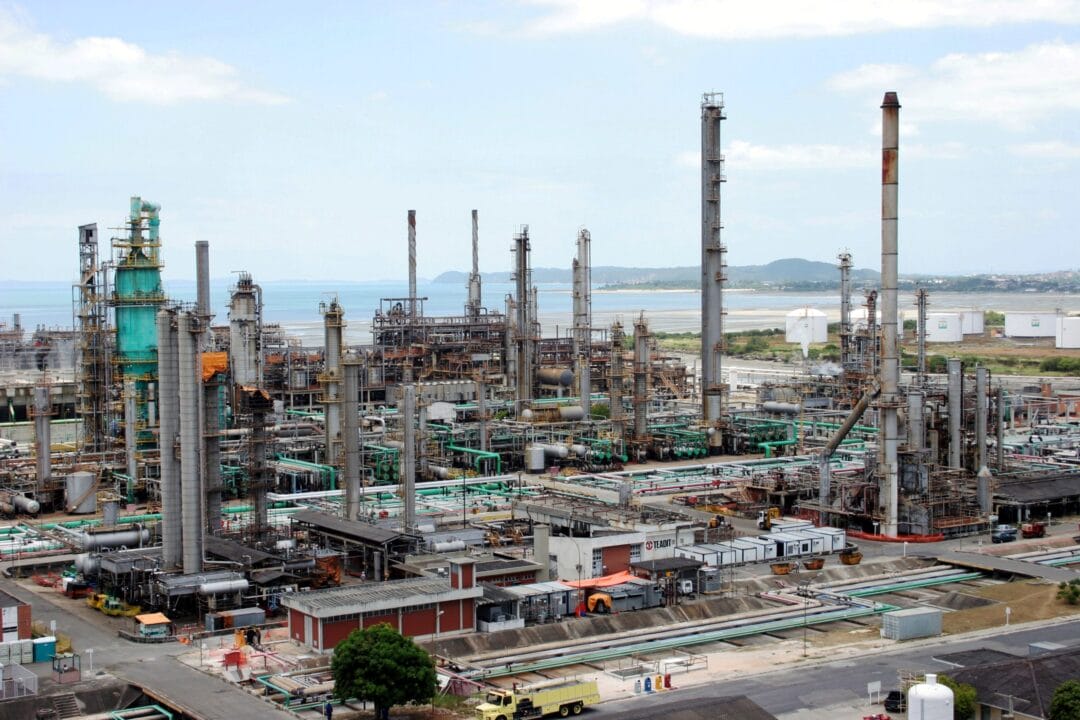
Oil Refining Will Remain Relevant Despite Pressure to Reduce Fossil Fuels and Transition to Renewable Energies in the Coming Decades.
The refinery market is facing significant challenges as the world moves towards cleaner energy sources. Refineries will need to adapt and invest in more sustainable technologies to reduce their carbon emissions and continue to play a relevant role in the global energy supply.
Refining plants, refinery yards, and other refining facilities will have to find ways to become more efficient and environmentally friendly as the world seeks to reduce its dependence on fossil fuels. The transition to renewable energy sources presents challenges but also opportunities for the refining industry to reinvent itself and play a vital role in the planet’s energy future.
Refineries and Climate Change
According to the International Energy Agency (IEA), the consumption of fossil fuels, such as diesel and gasoline, for instance, has not even peaked yet, which is expected to happen in 2026.
-
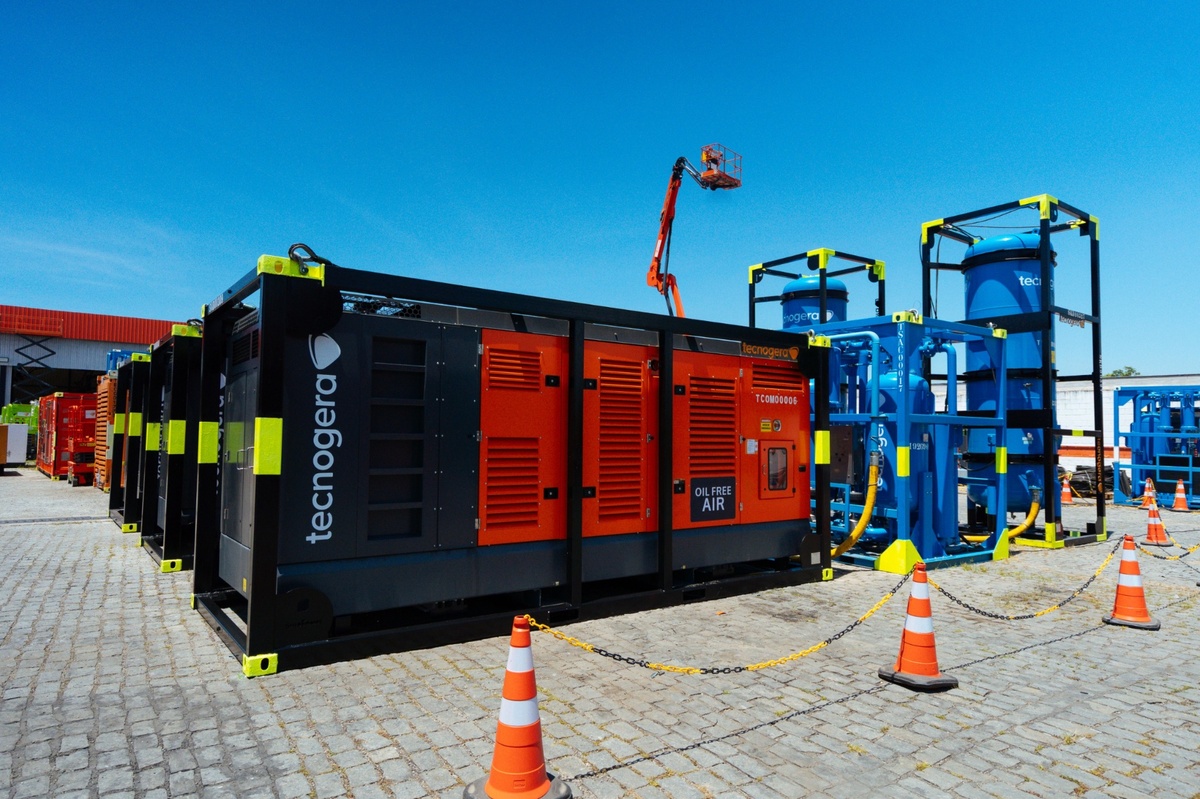
Offshore industrial demand in Macaé skyrockets with the recovery of oil and gas and could grow by up to 396% by 2026 in the Campos Basin.
-
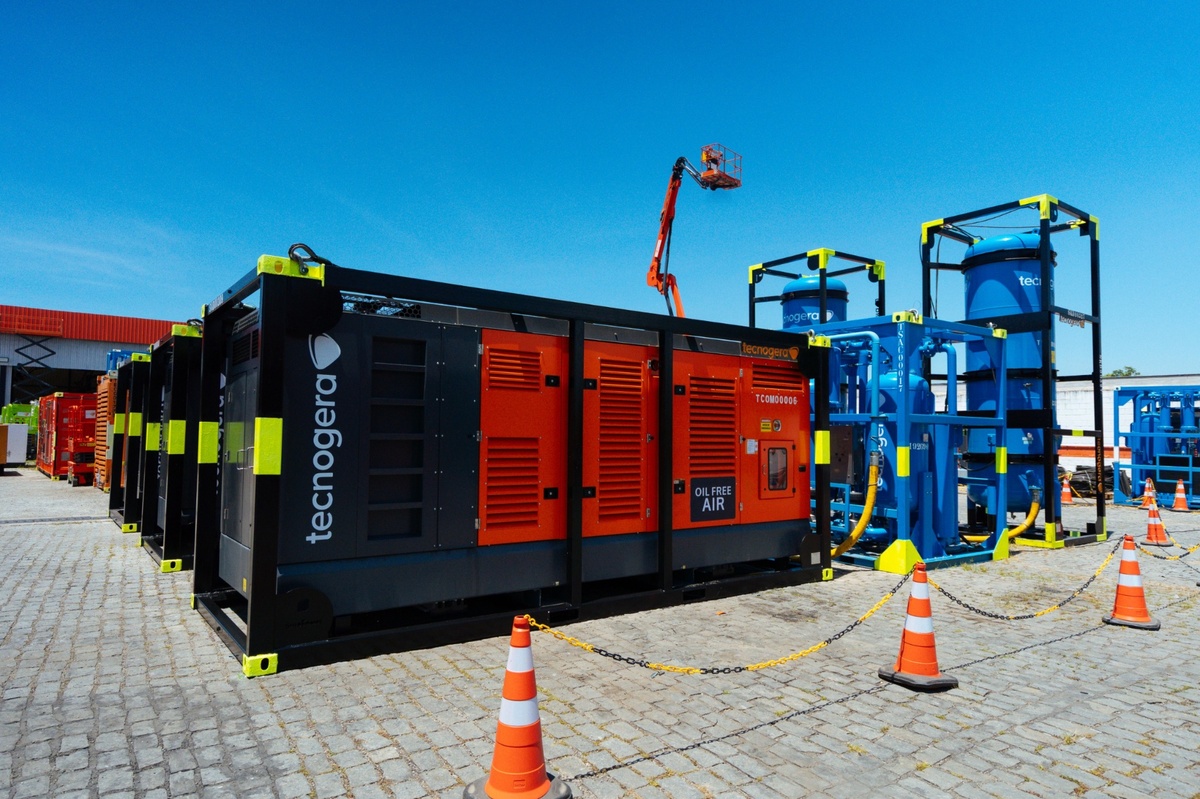
Offshore industrial demand in Macaé surges with the recovery of oil and gas and could grow by up to 396% by 2026 in the Campos Basin.
-
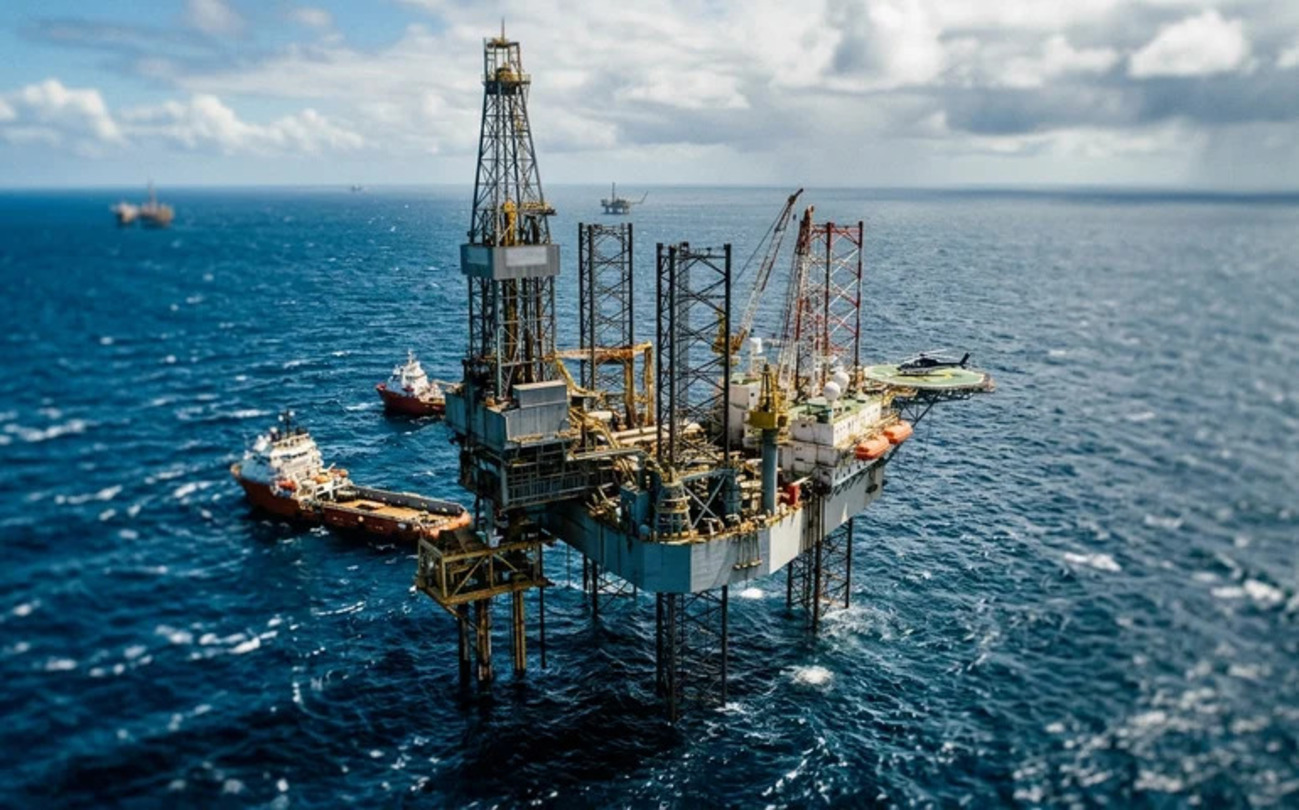
Brazilian giant expands borders in the Southeast: Petrobras confirms new oil discovery in ultra-deep waters in the pre-salt of the Campos Basin.
-
Alert in the global energy market: Severe tropical cyclone hits the coast and disrupts gas production at major plants in Australia, threatening global supply.
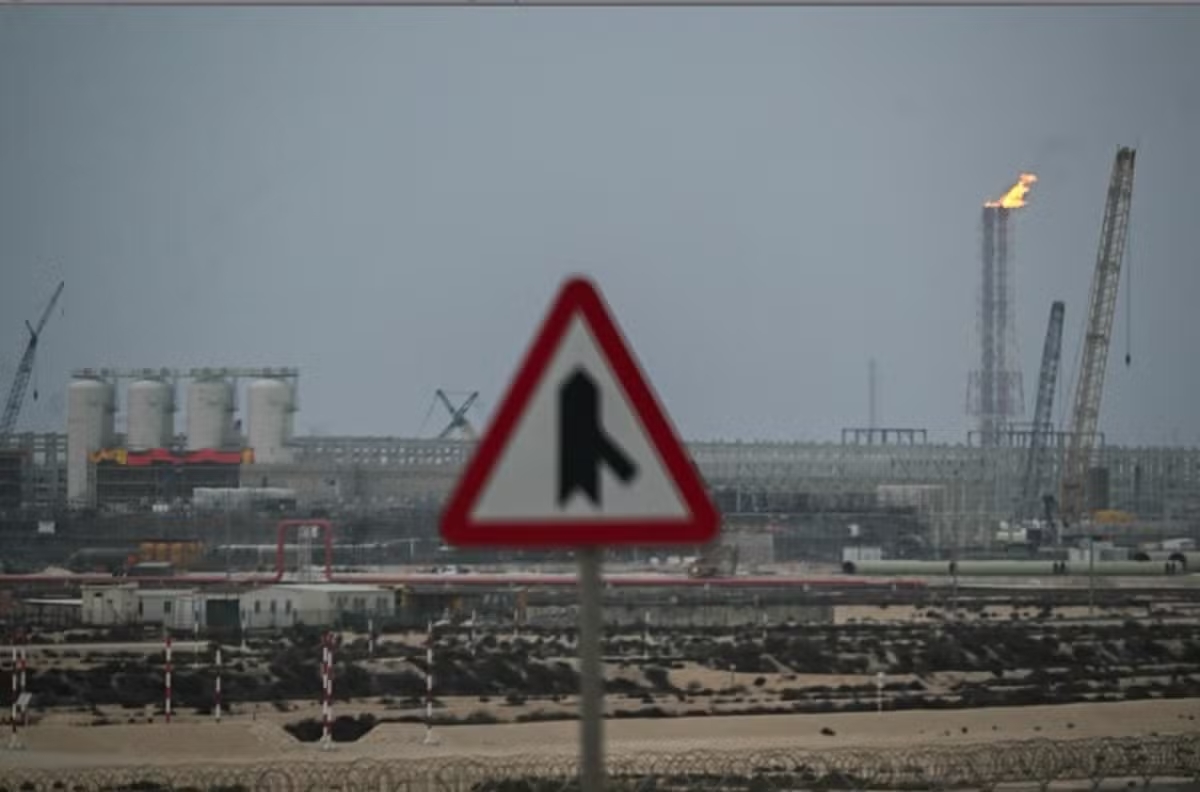

As demand is not declining, but climate change imposes a push to cut greenhouse gas emissions, it becomes even more important to reduce the carbon intensity of oil refining and the production of fuels.
Learn how this is possible and what has been done in Brazil.
- When will the world stop using fossil fuels?
- Why not end fossil production all at once?
- How do refineries decide what to do to reduce environmental impacts?
- What is already underway in Brazil
- What more can be done
- How far is it possible to decarbonize traditional oil refining?
- How will this industry adapt in the long term?
Energy Transition and Environmental Commitments
At the last United Nations Climate Change Conference (COP28) in Dubai, the final declaration of the countries was the first to include a ‘transition away‘ from fossil fuels, but did not bring any specific goal for phasing out coal, oil, and gas.
Most countries still do not have a clear goal for ending the use of these products and prefer to focus on achieving net-zero emissions, which does not necessarily mean the end of fossils, as it opens room for continued emissions, provided they are offset.
Brazil, for instance, aims to achieve net-zero emissions by 2050. As part of Brazil’s contribution to the Paris Agreement, it is expected to increase the share of bioenergy in the energy matrix to 18% by 2030, the year when the country expects to reach an estimated 45% share of renewable energies in the matrix.
In other words, there is still no concrete perspective for ending the use of fossil fuels in the coming decades.
As demand continues to exist, stopping the production of fuels without replacing them with another energy source will create scarcity and increase prices.
Reducing the supply of products like diesel, gasoline, and liquefied petroleum gas (LPG) without other alternatives being available on the same scale may lead to increased inflation and energy poverty.
Source: EPBR










Seja o primeiro a reagir!