Portuguese
  Spanish


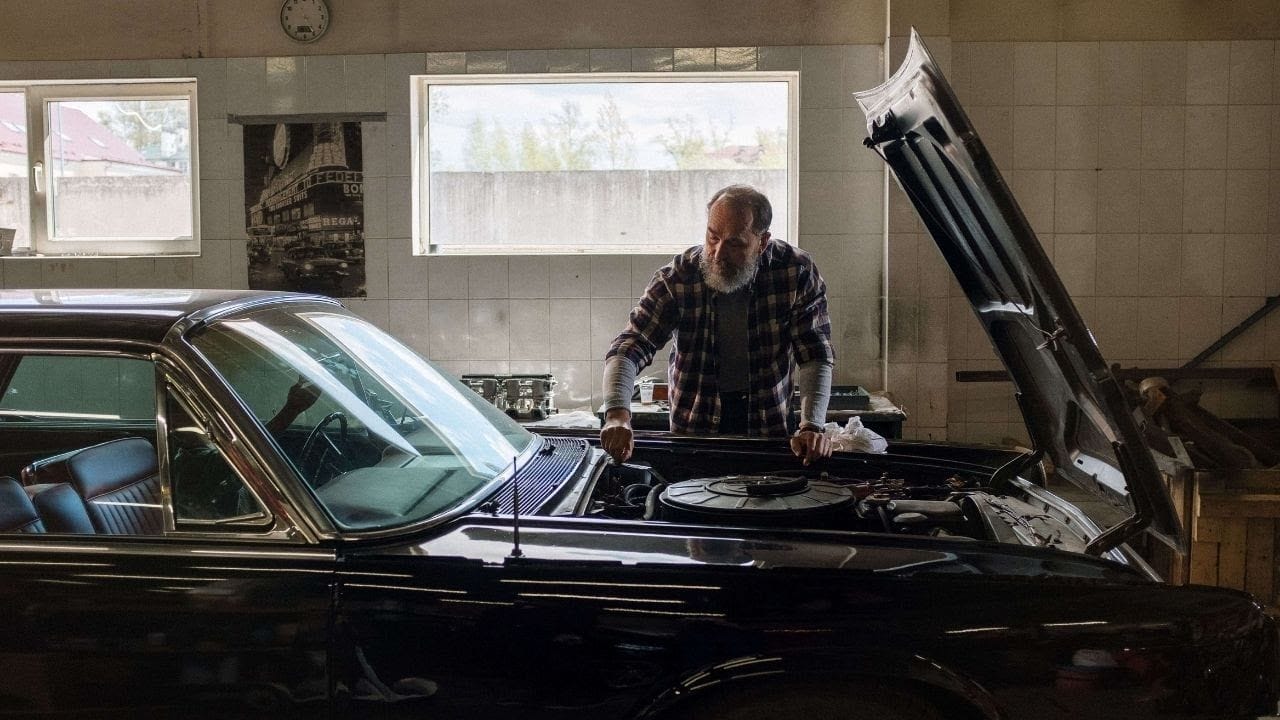

In Light Of The Climate Urgency, The Automotive Industry Faces The Challenge Of Transitioning From Combustion Engines To Electric Ones, Balancing Costs, Infrastructure, And Technological Advances.
The transition from combustion engines to electric vehicles (EVs) represents a historic shift in global mobility. While environmentalists warn that without the elimination of combustion engines, it will be impossible to achieve zero emissions targets, many consumers still see EVs as expensive and inaccessible options. This debate arises at a critical moment for the climate, with the automotive industry at the center of this transformation.
The automotive industry, leading the transition to electric cars, faces multiple challenges. Despite the energy efficiency of electric motors, the charging infrastructure remains insufficient. In Europe, for example, more than 50% of the charging infrastructure is concentrated in just two countries. In the UK, there is an estimated need for 400,000 chargers, highlighting the gap in investment needed to make EVs viable for daily use.
The Power Of China In The Battery Industry
China, anticipating the revolution of electric cars, has specialized in batteries and now dominates much of the global supply chain. The growing demand for batteries puts China in a position of significant power, challenging the European industry to adapt quickly to avoid being surpassed by mass-produced electric vehicles from China.
-
End of an era in Brazil: beloved sedan by Brazilians is discontinued despite having a 2.0 engine with 151 hp, CVT transmission, 466-liter trunk, and up to 650 km of range.

-
New Law Proposal in Brazil Could Heavily Penalize Drivers: Dangerous Overtaking May Become a Serious Offense with Fines Increased Tenfold and a 12-Month License Suspension; Update on 2026 Progress

-
Electric Revolution: Watts W125 Motorcycle Offers 160 km Range, 90 km/h Speed, and Affordable Price Starting at $3,000
-
General Motors Replaces Over a Thousand Workers with 50 Cobots at Electric Vehicle Plant, UAW Union Criticizes Move Amid Industry’s Automation Push



The Viability Of Synthetic Fuels
Synthetic fuels are emerging as a possible solution to make combustion engines greener. These fuels, while not as efficient as direct electrification, offer a alternative for sectors where electrification is still not viable, such as aviation and long-distance maritime transport. Germany and the UK have shown interest in this technology, although its effectiveness is still being debated.
The Future Of Combustion Engines And Electric Cars


The complete elimination of internal combustion engines is still far off. Although the trend is towards the increasing adoption of electric cars, combustion vehicles will continue to be on the roads for decades, especially in regions outside of Europe and the United States. The transition to EVs requires not only technological innovation but also significant changes in infrastructure and consumer perception.
Thus, the automotive industry is at a turning point, with EVs playing a crucial role in the pursuit of sustainability. However, the journey toward a zero-emission future is complex, involving technological, economic, and political challenges that need to be overcome.