





 Portuguese
  English
  Spanish
  3 min of reading


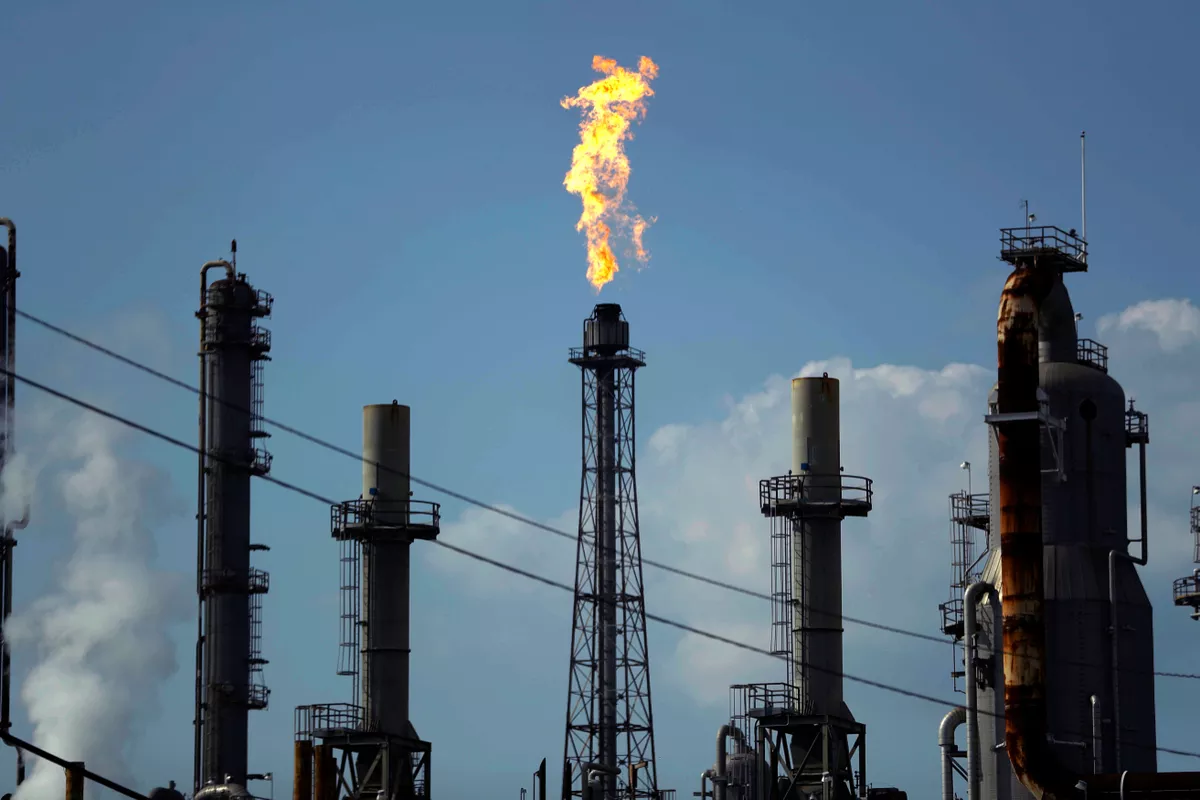
Private Refineries in Brazil Face Rising Costs, Pressure for Price Increases, and Production Threatened Due to Misalignment in Federal Tax Collection.
Starting this Wednesday (March 1), the government plans to resume the collection of PIS/Cofins on crude oil and some derivatives such as gasoline, while maintaining the exemption from these taxes on diesel and other fuels until the end of the year. However, the price increase at Private Refineries in Brazil is due to the misalignment in tax collection.
According to Refina Brasil, this situation will bring losses to the Private Refineries in Brazil, as it will create an estimated tax accumulation of about 4.7 billion reais by next year. Thus, it will prevent the refineries from immediately recovering tax credits through the sale of derivatives.
The lawyer Evaristo Pinheiro noted that “without money, it reduces the purchase of oil,” thus leading to a reduction in production. Moreover, if this issue is not resolved by Wednesday, the Private Refineries in Brazil may need to raise fuel prices by up to 30% to offset the tax impact of this imbalance.
-
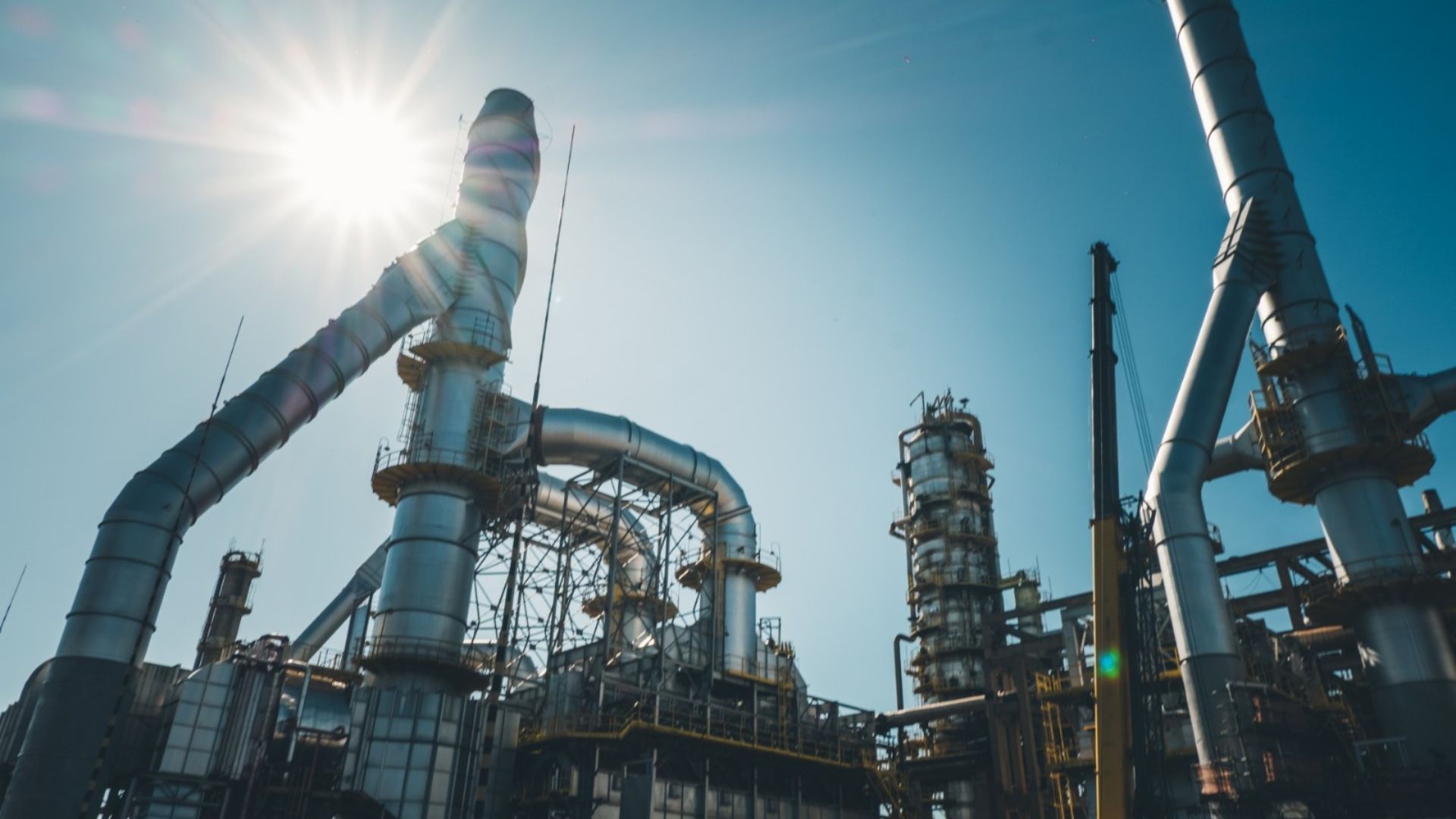
Petrobras Expands Refining in Brazil, Increases Production of Diesel S-10 and Gasoline, Enhances Operational Efficiency, and Reduces Import Dependence Between 2023 and 2025
-
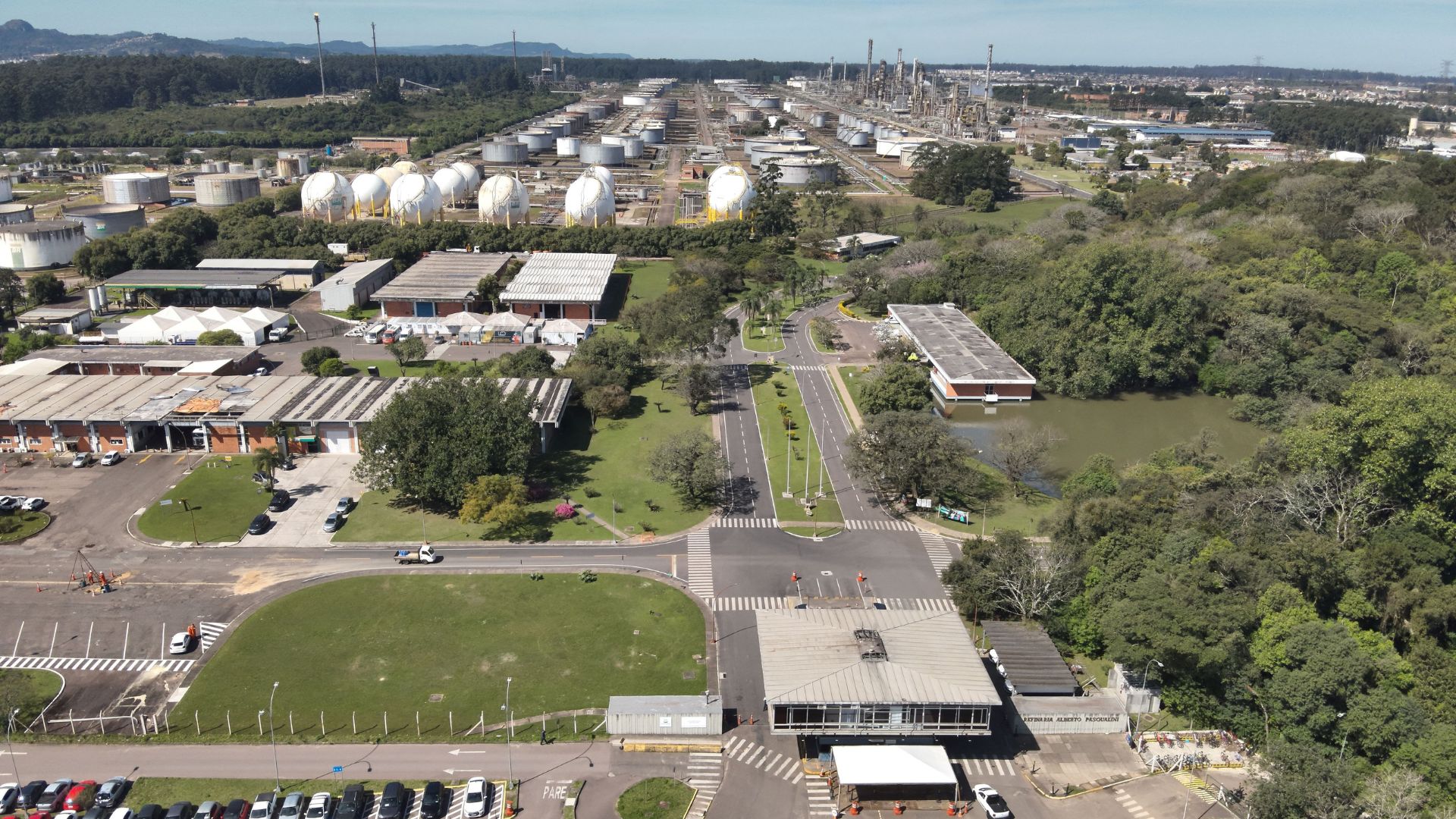
Petrobras’ Refap Sets Historic Records for Gasoline and S-10 Diesel Production in Canoas in Q4 2025, Surpassing Previous Figures
-
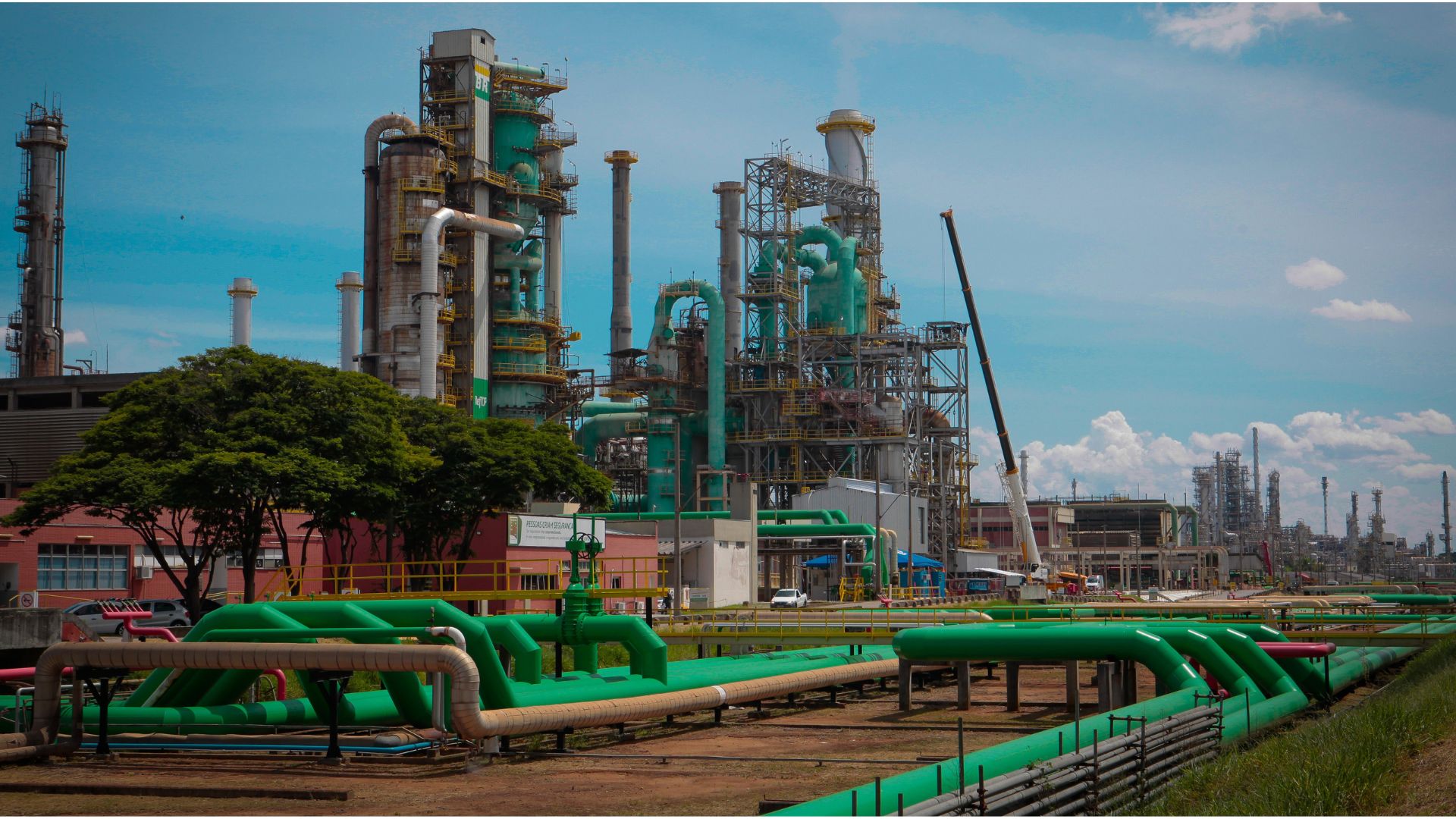
Revap Starts Operation of Modernized HDT and Petrobras Expands S-10 Diesel Production by 80% at the Refinery, Boosting Supply of Less Polluting Fuel in Brazil
-
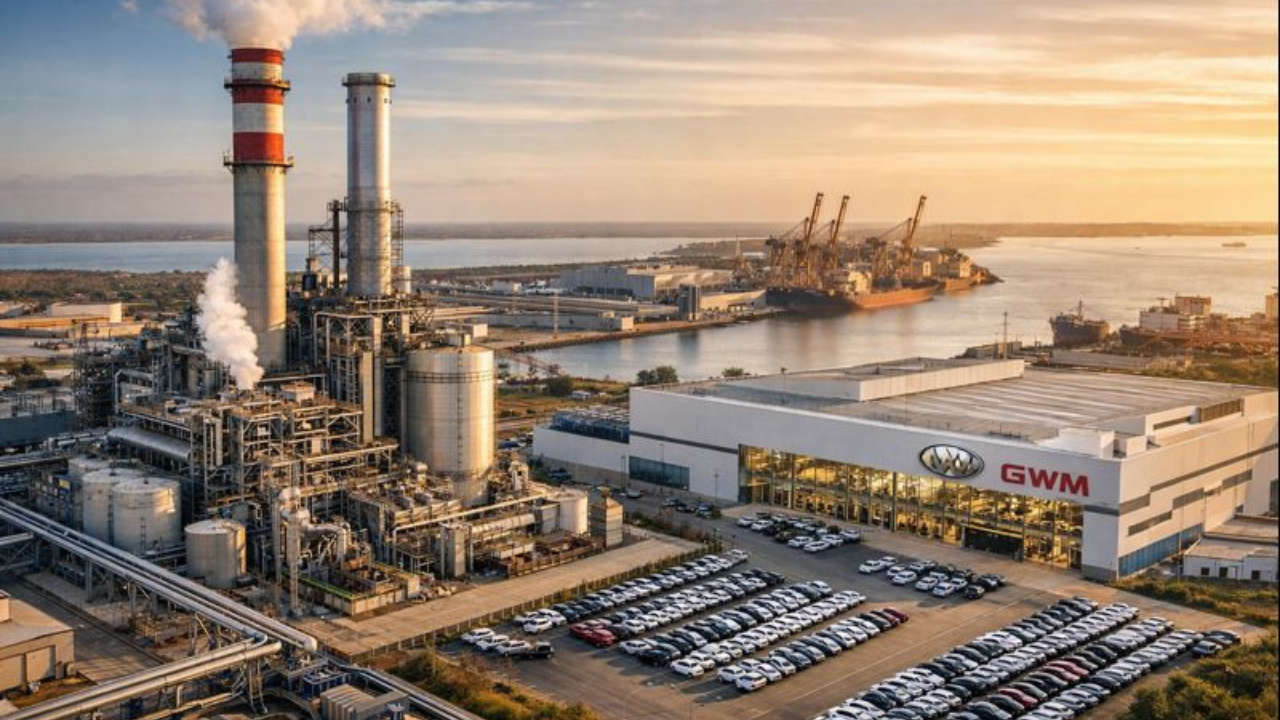
Thermal Power Plant in Rio Grande do Sul Is Key to Attracting GWM
Refina Brasil, established in December, includes the units Mataripe Refinery (BA), Riograndense (RS), Ream (AM), Dax Oil (BA), SSOil (SP), and Paraná Xisto to represent about 20% of the country’s refining capacity. The price risk can be seen in markets like the Northeast, which is largely served by the Mataripe Refinery. This refinery was privatized and has one of the largest productions in Brazil, with a capacity exceeding 300,000 barrels per day.
According to Refina Brasil’s spokesperson Pinheiro, a reduction in production at Private Refineries in Brazil could lead to a decline in federal tax revenue that could reach 2 billion reais. Therefore, they are seeking to contact the Civil House and the Ministry of Mines and Energy to find a solution to maintain the tax exemption until the end of the year.
In this way, Pinheiro emphasized that this entity will be very important to avoid new issues related to regulation. Petrobras is already operating its private refineries in Brazil at high utilization rates, and any reduction in production at these private refineries may require more imports to ensure supply.
Thus, global supply is limited due to the war in Ukraine and other issues related to tax collection in Brazil. However, this does not affect Petrobras as most of the oil used comes from its own production.
Private Refineries in Brazil
The Brazilian refining park has 19 Private Refineries in Brazil, which together have a total production capacity of 2.41 million barrels/day of derivatives. Of this total, 10 are controlled by Petrobras, and the other 9 were sold in 2021.
This scenario has seen a decline in derivative production, dropping from 2.135 million barrels/day in 2013 to 1.818 million barrels/day in 2021. However, the utilization factor of the park also decreased, from 98.2% in 2013 to 82.5% in 2021.
These changes represent an important milestone for the Brazilian Oil Sector and highlight the need for investments in the sector to develop the national economy.
Source: Reuters
The Harsh Forewarning from a Private Refinery About the Price of Gasoline in Brazil






Seja o primeiro a reagir!