





 Portuguese
  English
  Spanish
 3 min of reading


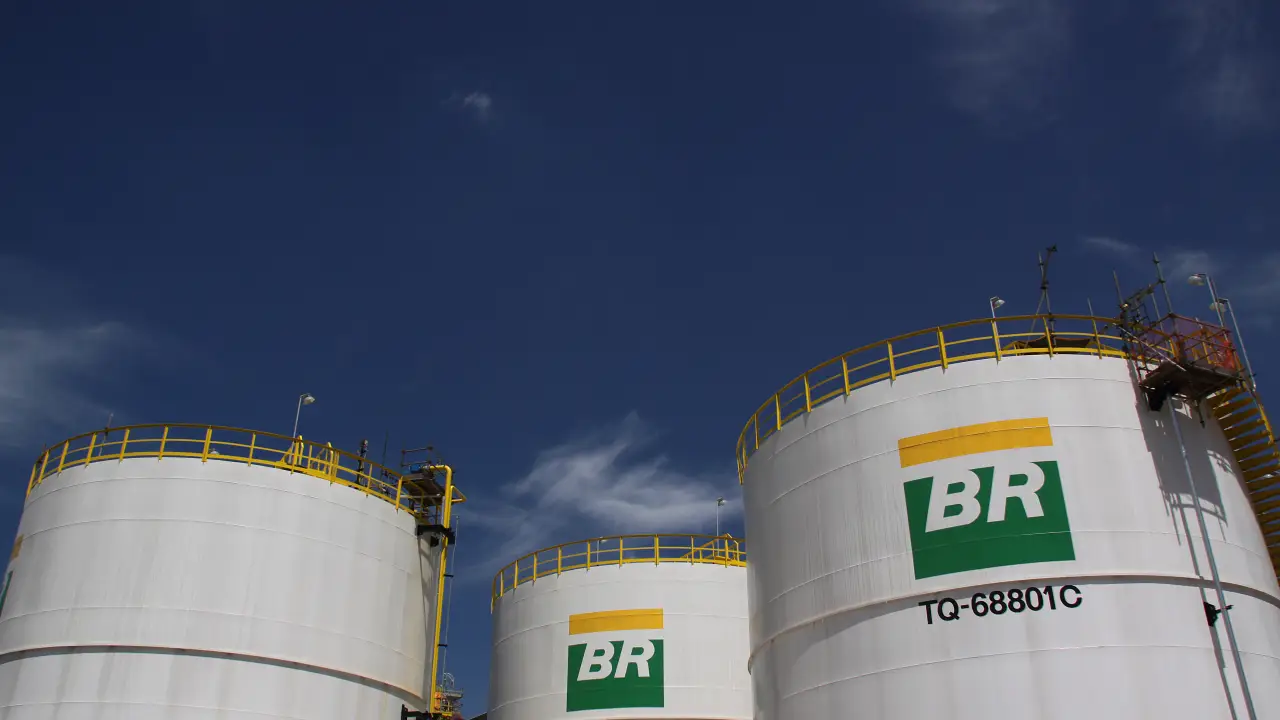
President Lula Advocated for Brazil to Become Self-Sufficient in Oil Refining, and Petrobras (PETR3 and PETR4) Will Play a Central Role in This Goal. Experts Point Out That the Process is Time-Consuming and Expensive for the State and May Negatively Impact State-Owned Companies.
If oil refining takes place, it would be a shift in Petrobras’ current policy, which is more focused on maximizing profits from large deep-water fields known as pre-salt and divesting from less profitable businesses.
For this reason, the state-owned company has been selling refineries. Currently, Petrobras owns 12 of the 20 existing refineries in the country and has already sold three, according to the National Agency of Petroleum, Natural Gas and Biofuels (ANP).
Is Self-Sufficient Oil Refining in Brazil Possible?
Brazil’s oil refining capacity is expected to grow by 7%, to more than 2 million barrels per day by 2032, but higher demand for the fuel will keep imports high, according to a study by the Ministry of Mines and Energy.
-
Electrolux surprises, closes colossal factory and lays off 400 people in a mass dismissal that will have a direct effect later this year, following a cost review, with an impact of R$ 272.5 million and R$ 109 million in cash in Chile.
-
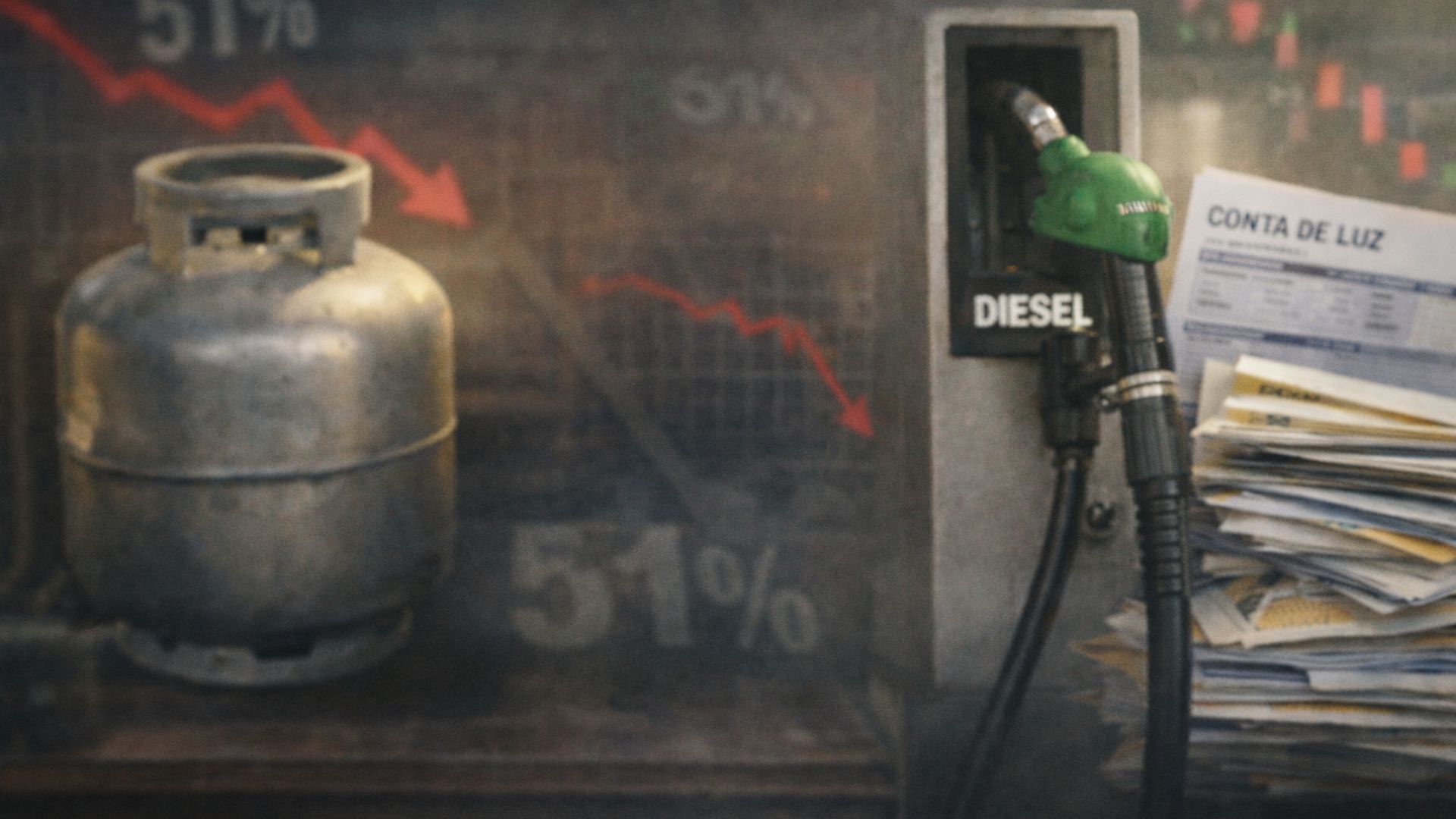
The Lula government is pursuing re-election and is therefore preparing a package with discounts of up to 80% on debts, subsidies for diesel, gas for 15 million, and energy, after reaching 51% disapproval six months before the election.
-
The chamber approves a project that transforms plots of up to 2,000 square meters into official rural properties, allowing thousands of small producers who were invisible to the government to now access credit, tax exemptions, and technical assistance.

-
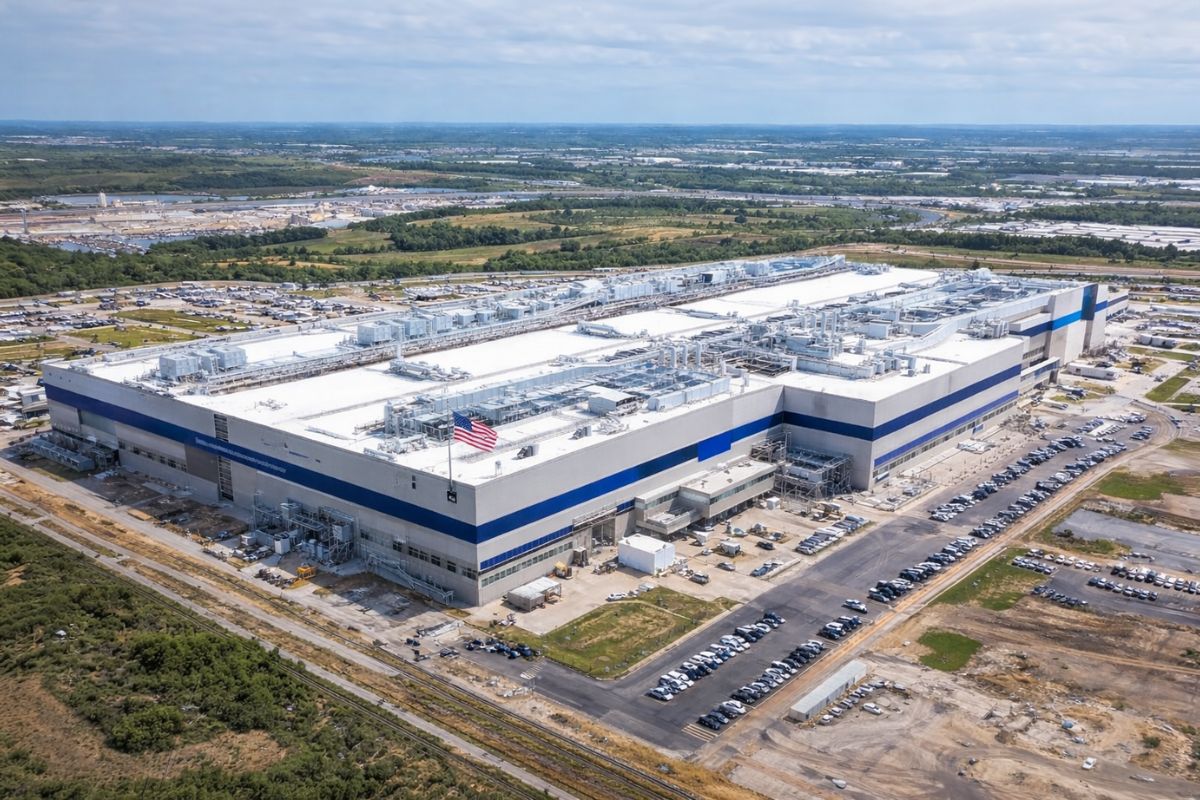
Factory 52, in the USA, cost over $5 billion, covers 270,000 square meters, and manufactures cutting-edge chips: it was named Project of the Year by the world’s largest engineering magazine, marking the global race for semiconductors.
Rodrigo Leão, technical coordinator of the Strategic Institute of Oil, Gas and Biofuels (Ineep), recently told the media that the specific expansion of a single refinery does not solve the problem in the medium term, and that any expansion through new units requires planning. He stated that we need to start now to be ready in five years.
The current administration of Petrobras plans to spend nearly US$ 11 billion on refining in the next five years, out of the US$ 78 billion projected for this period. Senator Jean-Paul Plates, who was appointed to lead Petrobras in Lula’s third government, stated that the campaign could come through the expansion of existing refineries rather than building new ones.
Petrobras vs. Oil Refining
Founded in 1953 by then-President Getúlio Vargas, Petrobras held the monopoly on various oil-related activities for 44 years. This exclusivity ended in 1997 with the enactment of the Petroleum Law, which allowed the entry of other companies into the market with the same activities as state-owned companies. The size of Petrobras and the government’s backing are some of the factors that hinder the entry of new fuel suppliers into the country, whether due to competition in capacity or price.
Brazil and Oil Refining
Oil refining is the area of the oil industry that converts crude oil into its derivatives, such as gasoline, diesel, kerosene, lubricants, etc. Brazil, despite being considered self-sufficient in oil, meaning it produces more of the commodity than it consumes, still imports the fuel. Brazilian production accounts for approximately 80% of domestic consumption. The remaining 20% comes from importers in the supplemental market.
According to the ANP, the total volume of refined oil in the country in 2022 will exceed 89 million cubic meters. The volume of imported refined oil exceeds 10 million cubic meters.
Brazil’s refining depends on foreign countries, as the country’s refineries have not received sufficient technological advancements and maintenance investments in recent years to meet the increase in refining capacity. Several companies work with Petrobras to extract oil and gas from Brazilian reserves. However, when it comes to oil refining, the state-owned company is effectively the only one in the country supplying fuel here.







Seja o primeiro a reagir!