





 Portuguese
  English
  Spanish
  3 min of reading
  0 comments



Taxation Could Be 21.7% If All Goods and Services Had the Same Rate. This Study Shows Distortions in Revenue.
The National Confederation of Industry (CNI) states that tax reform is essential to simplify the tax collection system and make it more efficient. According to the entity, the combined standard rate of the new taxes, the Goods and Services Tax (IBS) and the Social Contribution on Goods and Services (CBS), should be 27.5%. With tax reform, five consumption taxes, PIS/Cofins, IPI, ICMS, and ISS, will be replaced by IBS, which will be under the jurisdiction of states and municipalities, and CBS and the Selective Tax, under the jurisdiction of the Union.
The fiscal review and tax restructuring proposed by tax reform aim to simplify and modernize the tax collection system. The changes in taxes are seen as a measure that will bring more transparency and competitiveness for businesses, in addition to facilitating compliance with tax obligations. Tax reform is urgent given the need to promote significant changes in the Brazilian tax system.
Impacts of Tax Reform
The Proposed Constitutional Amendment (PEC) 45/2019 states that the new taxes must maintain the same revenue as the current taxes, in proportion to Gross Domestic Product (GDP), so that there is no increase in the tax burden.
-
Historic bankruptcy of Centauro shocks the market, and the century-old company puts more than 500,000 products, machines, and complete infrastructure up for online auction.

-
New shoe factory in Ceará is expected to create 400 jobs and strengthen the local economy.

-
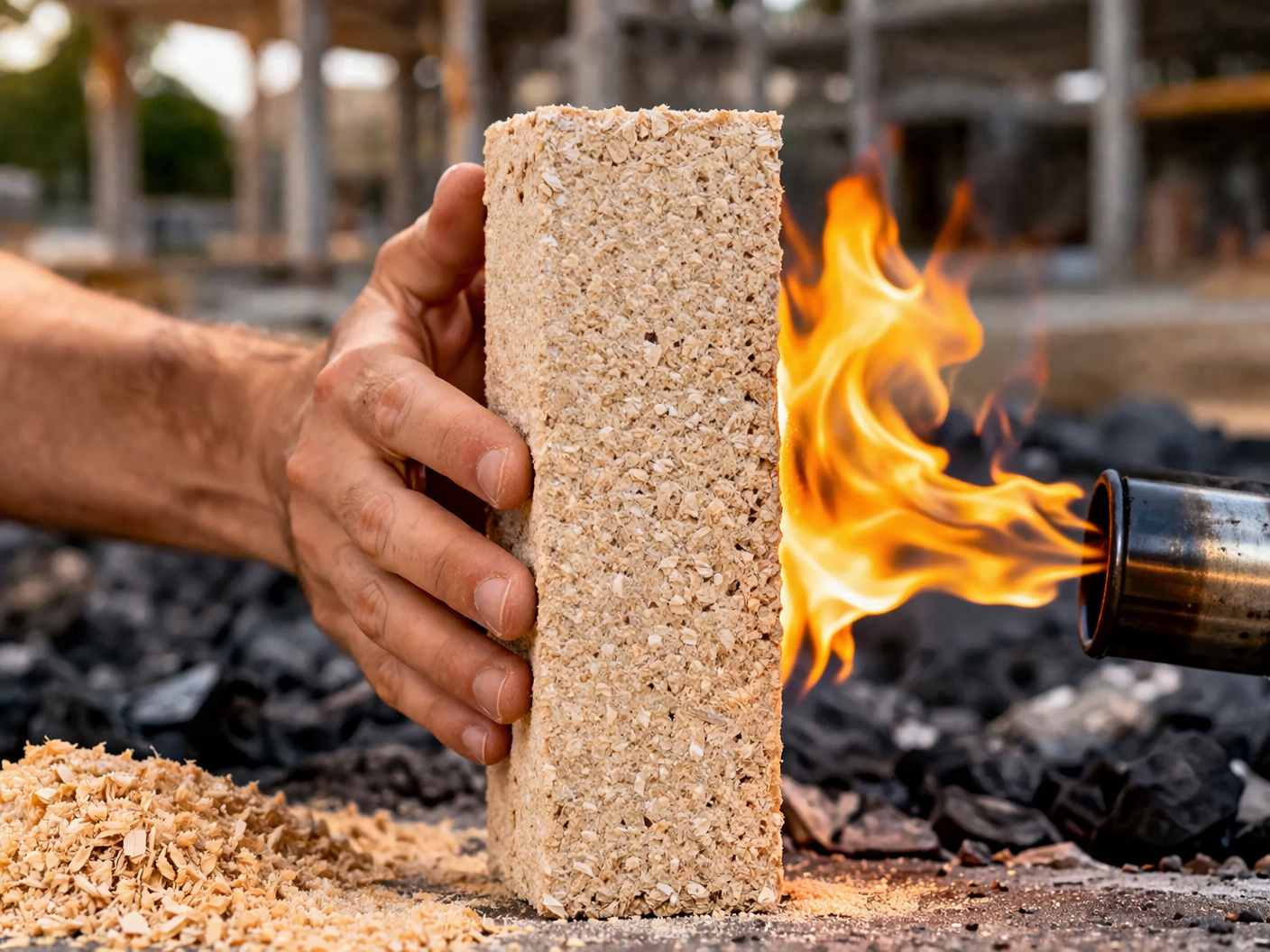
No one imagined it, but a mixture of sawdust with a mineral that fights fires surprises scientists with a result that changes the course of fire-resistant construction.
-
From empty land to a high-end house, wooden construction uses a lightweight system, metal structure for the foundation, ventilated ceramic cladding, and special windows to create an efficient and comfortable living space throughout the year.


Studies conducted by the National Confederation of Industry (CNI) and LCA Consultores reveal that if a uniform rate were adopted for all goods and services, without exceptions or special regimes, the standard rate would be 21.7%. However, due to the increase in the number of exceptions to the general rule of Goods and Services Tax (IBS) and Contribution on Goods and Services (CBS), the rate rose to 27.5%.
Social Contribution and Selective Tax: Key Points of Tax Reform
According to Armando Monteiro Neto, president of the CNI Tax and Fiscal Affairs Council, the new tax model, with IBS and CBS, aims to eliminate various distortions, simplify, and bring more transparency to consumption taxation.
‘Tax reform will eliminate cumulative taxation and ensure the quick refund of tax credits that companies calculate. We will finally have a system that relieves exports and investments, increasing the competitiveness of companies, with positive effects on economic growth’, explains Monteiro Neto.
Tax Restructuring: Combined Rate of IBS and CBS
The standard rate of IBS/CBS was calculated to replicate the revenue from PIS/Cofins, IPI, ICMS, and ISS, totaling R$ 916 billion in 2020, corresponding to 12.04% of that year’s GDP. After estimating the potential incidence base of IBS and CBS from household and government consumption, published in the National Accounts (IBGE) of 2020, it was found that the standard rate would be 21.7%.
However, some exceptions to standard treatment, such as the Simples Nacional, the specific regime for the financial sector, and the tax treatment given to public purchases, along with the revenue from the Selective Tax on cigarettes, alcoholic beverages, and extractive activities, raise the standard rate of IBS/CBS to 27.5%.
Challenges and Effects of Tax Reform
The imposition of reduced rates or specific regimes for some goods and services results in a higher standard rate for others. Thus, the approval of exceptions provided in PEC 45/2019 approved in the Senate led to an increase of 5.8 percentage points in the standard rate of IBS/CBS, which jumped from 21.7% to 27.5%.
Source: Industry Portal










Seja o primeiro a reagir!