






 Portuguese
  Spanish
  2 min of reading
  0 comments


The Veto Placed According to the Text Represents a Major Setback in Relation to the Advances Promoted by the Policy, Which Has Been in Effect for 12 Years. It Is Crucial to Rethink and Reevaluate This Decision to Ensure That Progress Is Not Lost.
For Entities, the End of the Exemption Could Result in a ‘Flight of Qualified Professionals, Increased Costs for Information Technology Services, and Decreased Competitiveness of Brazilian Companies Across All Segments’.
Moreover, Associations Argue That the Decrease in Jobs Caused by the Veto Will Worsen the Fiscal Crisis of the Government.
‘We Hope That the National Congress, Which Expressed Broad Support and Voted in Favor of Continuing the Policy, Restores Order by Overturning the Presidential Veto’, Says the Statement.
-
Petrobras is expected to complete the drilling of the Morpho well in the Foz do Amazonas in August 2026, the first well in the Equatorial Margin, an oil frontier that the ANP estimates at more than 30 billion barrels and could redraw the map of Brazil.

-
Oil returns to the center of concerns with tension between the US and Iran

-
IEA reduces forecast for global oil demand in 2026 after impacts of the Middle East crisis

-
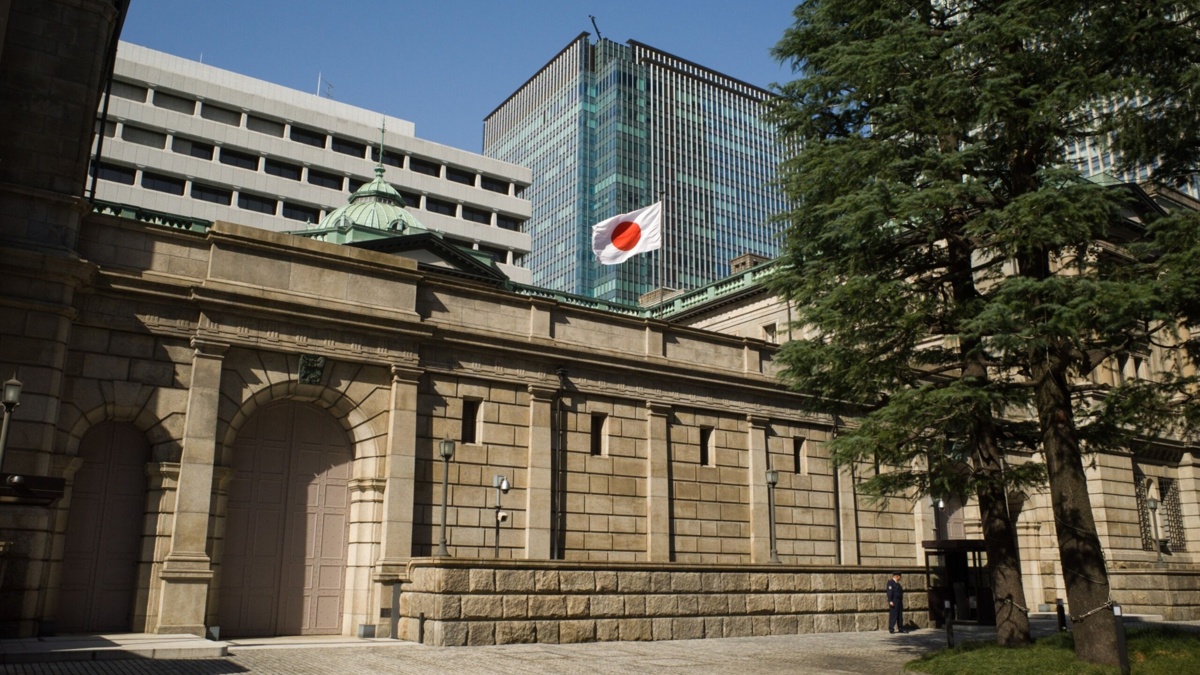
Bank of Japan raises interest rates to 1%, reaching the highest level in over three decades


According to the Statement, the Decision Had a Significant Impact on the Sector and Encouraged Workforce Formalization, Increased Hiring and Salaries, Resulting in Increased Government Revenue. ‘It Is Clear That the End of This Policy Represents a Huge Risk for the Country, Given That the Exemption from Payroll Not Only Implied an Improvement in Tax Policy But Also Served as a Strategy to Formalize Labor, Attract Investments, and Boost Brazilian Technology Companies in the International Arena.’
Positive Impact of the Exemption from Payroll
According to the Statement, the Payroll Exemption Policy Was Successful as It Provided Greater Competitiveness for Companies, Resulting in More Dynamic Economic Growth Over 12 Years. Consequently, There Was a Virtuous Cycle of Positive Impact on the Economy.
Additionally, the Creation of Effective Jobs and the Benefits Presented by the Covered Sectors Were Fundamental in Sensitizing Lawmakers, Despite the Lack of Support from the Federal Executive.
These Factors Highlight the Success of the Exemption from Payroll and Its Positive Impact Over Time.
Five Representative Organizations from the Sectors of Information Technology and Telecommunications Expressed “Deep Concern” Regarding the Block by President Luiz Inácio Lula da Silva (PT) on the Extension of the Exemption from Payroll. According to the Statement, the Veto Represents a Setback in Relation to the Progress Achieved by the Policy, Which Has Been in Effect for 12 Years.
The Statement Was Signed by the Brazilian Association of Software Companies (Abes), the Brazilian Internet Association (Abranet), the Association of Information and Communication Technology Companies (TIC) and Digital Technologies (Brasscom), the Federation of Brazilian Technology Companies (Assespro), and the National Federation of Information Technology Companies (Fenainfo).
Source: InfoMoney


Be the first to react!