





 Portuguese
  English
  Spanish
 6 min of reading
  0 comments


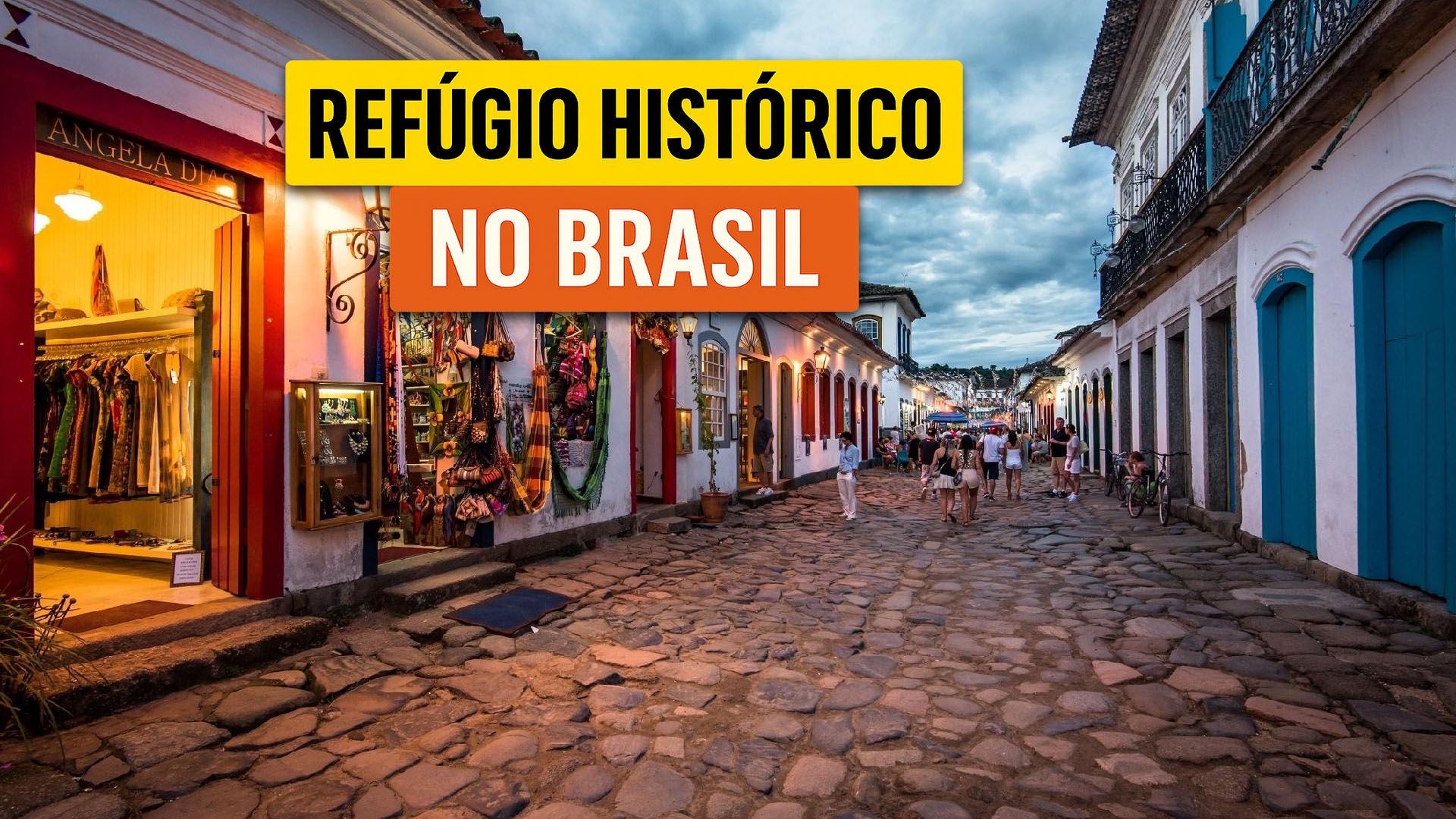
Historical City of Costa Verde do Rio Combines Preserved Colonial Center, More Than 60 Islands, Exuberant Nature and Intense Cultural Life, But Also Faces Challenges of Mass Tourism and High Housing Costs
Paraty, in the Costa Verde of Rio de Janeiro, has long ceased to be just a weekend destination. The historic city, surrounded by the Atlantic Forest and the Bay of Paraty, has become synonymous with a refuge for those seeking tranquility, sea, and culture in one place.
Recognized in 2019 as a UNESCO Mixed World Heritage Site in conjunction with Ilha Grande, Paraty is now one of the most important postcards of the Brazilian coast. The title takes into account both the colonial historical center and the region’s biodiversity, which includes preserved areas of Atlantic Forest and conservation units.
Among cobblestone streets, colorful mansions, and more than 60 islands scattered throughout the bay, the city attracts tourists, investors, and new residents in search of quality of life.
-
According to an analysis by NASA, only one human-made structure is visible from space, and it is not the Great Wall of China or the Pyramids of Egypt.
-
After 377 years of history, the Brazilian Army will have its first female general: Colonel Claudia Cacho has been promoted to brigadier general by Lula and will receive the sword and command baton this Wednesday in Brasília.

-
A Mercado Livre customer opened their package and found 32 resumes of people looking for jobs crumpled as protective paper inside the box, exposing names, addresses, documents, and phone numbers of dozens of candidates.

-
Iceberg A23a, one of the largest in the world, is undergoing accelerated collapse and may disappear: what explains the end of the ice giant?


But the same tourist vocation that drives the local economy also pressures housing costs and infrastructure during holidays and high season. It is precisely this balance between tourist paradise and real city that is at the heart of the debate about Paraty.
Living in Paraty with Quality of Life, Nature, and Small Town Routine
For those considering living in Paraty, the first point is the lifestyle. The pace is slower than in large capitals, with a routine marked by walks in the historical center, colonial cafes, and close interactions with the community. Daily life includes going to the market, conversations in the square, and a greater sense of security than in many large urban centers.
The infrastructure is compatible with a medium-small sized city: there are schools, health units, varied commerce, and services aimed at both residents and tourists. Tourism is the main economic engine, which generates work in accommodation, gastronomy, boat tours, events, and services. However, during low season, some opportunities may concentrate in seasonal and informal activities.
The cost of living in Paraty is considered moderate, but with an important warning. Rentals and property purchases in more central areas or near the sea tend to be more expensive, driven by demand for vacation homes and the secondary housing market.
In contrast, more distant neighborhoods offer more accessible prices, making it possible to balance quality of life with a controlled budget for those willing to stay a little further from the tourist hub.
Tourism in Paraty, Historical Center, Beaches, Islands, and Trails


Those who visit or live in Paraty have a wide menu of tours. The Historical Center, registered and preserved, is the main postcard, with its irregular cobblestone streets, ancient churches, and colonial mansions that hark back to the 18th century and the gold cycle. At night, bars, restaurants, and small shops keep the movement going, with frequent cultural programming and a bohemian yet relaxed atmosphere.
On the coast, the Bay of Paraty is home to about 65 islands and dozens of beaches with calm, transparent waters, many of which are accessible only by boat or kayak. Schooner and speedboat tours take visitors to islands like Araújo and the surroundings of the famous Lagoa Azul, as well as stops at beaches with turquoise waters and preserved forests.
For those who prefer trails and direct contact with the Atlantic Forest, there are options such as Praia do Sono and the village of Trindade, which combine rustic beach, trails, and waterfalls. Meanwhile, Cachoeira do Tobogã and other waterfalls around the city have become traditional spots for swimming and leisure, especially on hot days.
This combination of preserved historical center, beaches, islands, and trails makes Paraty one of the most sought-after tourism destinations on the coast of Rio de Janeiro throughout the year. However, during holidays and vacations, the intense flow of visitors can generate traffic, queues, and price increases in accommodation and restaurants, which impacts both tourists and permanent residents.
Climate in Paraty and Best Time to Visit
Paraty has a humid tropical climate, with pleasant temperatures most of the year and strong maritime influence. According to climatological data from Climatempo, the average highs vary around 24°C to 27°C throughout the year, with high rainfall rates in summer and a drier period from May to September.
For those wondering when to go to Paraty, many travel guides recommend prioritizing the fall and winter months, especially from May to September.
During this period, the weather is milder and drier, making it easier to walk along the cobblestone streets of the historical center and take boat tours without the likelihood of summer storms.
Between December and March, temperatures rise, rains increase, and the city becomes busier, which pleases those looking for nightlife and events but may inconvenience those who prefer peace and quiet.
History, Culture, and Events That Make Paraty a Unique Place
The history of Paraty is linked to the gold cycle and the old Estrada Real, the route that connected the mines of Minas Gerais to the coast of Rio de Janeiro. This past explains the importance of the port and the historical center, which are now preserved and integrated into a World Heritage site that includes the city, islands, and areas of Atlantic Forest.
International recognition came in 2019, when “Paraty and Ilha Grande – Culture and Biodiversity” was inscribed on UNESCO’s list as Brazil’s first mixed site, uniting cultural and natural value.
According to the National Institute of Historical and Artistic Heritage (Iphan), the site includes the historical center, land and marine conservation units, and preserved sections of forest, reinforcing the region’s role in protecting the Atlantic Forest.
In the cultural field, Paraty gained national and international prominence with the International Literary Festival of Paraty (FLIP), which was created in 2003. According to FLIP’s organization, the event has established itself over more than two decades as one of the country’s main literary festivals, inspiring hundreds of similar initiatives and attracting writers, artists, and audiences from various countries.
In addition to FLIP, the city hosts film, gastronomy, cachaça festivals, and events related to caiçara culture and religious traditions, which keep the calendar busy almost all year round. For those who live there, this means more options for leisure and work, but also crowded streets, noise, and constant pressure for tourist services on specific dates.
It is this coexistence between tourist city and traditional community that makes Paraty special – and, at the same time, a topic of debate about sustainability and preservation.
For all these reasons, Paraty is seen by many as a treasure of the coastal region of Rio de Janeiro, where sea, mountains, history, and art come together in just a few square kilometers. Living there can mean a lighter life, daily contact with nature, and a rich cultural agenda, as long as one accepts the cost of living in a coveted destination that is subject to peaks of activity.
In your case, would you consider living in a historic city overrun by tourists during holidays, with high rents, in exchange for cobblestone streets, calm seas, and starry nights? Leave your comment, tell us if you have ever visited Paraty and whether living in Paraty is a dream or an exaggeration of romanticism.







Seja o primeiro a reagir!