





 Portuguese
  English
  Spanish
  3 min of reading
  0 comments


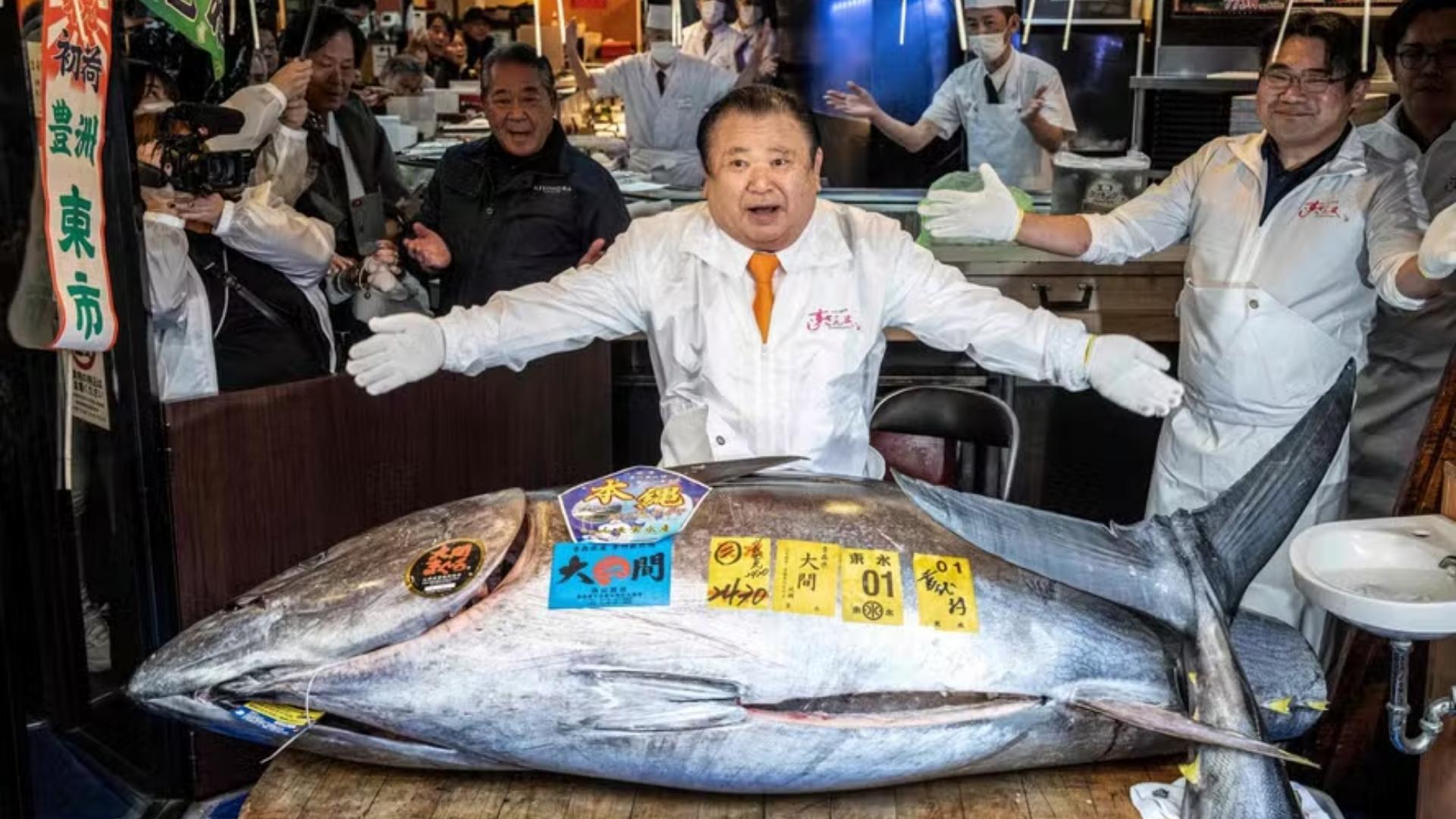
Japanese Businessman Returns to Mark the New Year Auction in Tokyo by Purchasing a Historic Bluefin Tuna, Driving Up Prices, Reigniting Debates About Tradition, Market, and Sustainability, and Putting Japan Back in the Spotlight of Global Seafood Trade.
Japanese businessman Kiyoshi Kimura, known in the industry as the “Tuna King” and linked to the Sushizanmai restaurant chain, paid 510.3 million yen, equivalent to about US$ 3.2 million, for a bluefin tuna weighing 243 kilograms at the traditional New Year auction at the Toyosu market in Tokyo.
The purchase, made in the early hours of January 5, 2026, represented the highest bid ever recorded since the event began to be systematically monitored in 1999.
The fish was caught near the city of Oma, in the far north of Japan, an area known for providing tunas considered to be of high quality for the Japanese market.
-
City in the Northeast changes level with colossal egg factory that received R$ 72 million in investments, reached 2 million units per day, and boosts a region that accounts for only 17.6% of national production.

-
Brusque factory changes the 6×1 schedule to 5×2 without cutting salaries: company reduces workweek to 40 hours and turns Saturdays and Sundays into days off for most workers starting in July

-
Germany sees industrial production rise for the first time this year, but the result falls short and raises an alert in Europe’s largest economy.
-
Brazilian state receives a R$ 4.5 billion project, promises 9,000 jobs, unprecedented luxury hotels in Brazil, 392 luxury residences, and a new tourist complex.




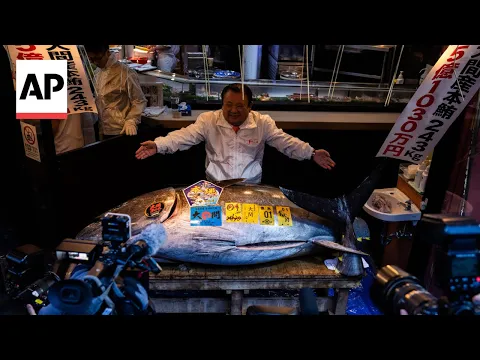

The amount paid attracted the attention of auction participants and gained international attention, driven by the magnitude of the figure involved.
New Year Auction in Tokyo Registers Highest Bid in History
After the auction concluded, Kimura stated that he expected to acquire the tuna for a lower price but reported that the bids rose quickly.
“I thought I could buy it a little cheaper, but the price skyrocketed in the blink of an eye,” said the businessman, according to records from the foreign press that covered the auction.
The Toyosu market holds tuna auctions daily, but the New Year event is symbolic and often registers values above the average.
Experts in seafood trade explain that, on this occasion, the first tuna sold of the year tends to reach high prices for reasons that go beyond commercial negotiation, such as tradition and visibility for buyers.
Previous Records Help to Frame the 2026 Rise
The bid of 510.3 million yen surpassed the previous record set in 2019, when a bluefin tuna weighing 278 kilograms was purchased for 333.6 million yen.
That year, Kimura was also associated with the highest amount of the inaugural auction, reinforcing his recurring presence in the costliest episodes of the event.
In 2025, the highest price recorded at the opening auction was 207 million yen for a fish weighing 276 kilograms.
The difference in relation to the value achieved now indicates a significant increase compared to the immediately preceding years.

Technical Evaluation Influences the Value of the Bluefin Tuna
According to merchants and analysts in the sector, the final price paid at auctions like Toyosu results from a combination of factors.
In addition to the weight and provenance of the fish, buyers evaluate characteristics such as color, texture, and fat content, aspects considered essential for the preparation of sushi and sashimi.
At the New Year auction, these technical criteria add to the symbolic value of the occasion.
Market observers point out that many restaurants view the acquisition of the first large tuna of the year as a way to bolster their brand image, even if the price paid does not reflect the average value practiced throughout the year.
Pandemic Reduced Prices and Changed Market Dynamics
The record set in 2026 contrasts with the period of the Covid-19 pandemic, when sanitary restrictions and reduced restaurant activities directly impacted the consumption of high-value fish.
In that context, tuna prices at auctions and in the wholesale market fell below historical levels, according to data and reports released at the time.
With the gradual resumption of in-person consumption, values began to rise again, following the normalization of activities in the out-of-home food sector.
Still, analysts stress that prices can vary significantly from year to year, especially in auctions marked by a strong symbolic load.




-

2 people reacted to this.