





 Portuguese
  English
  Spanish
  4 min of reading


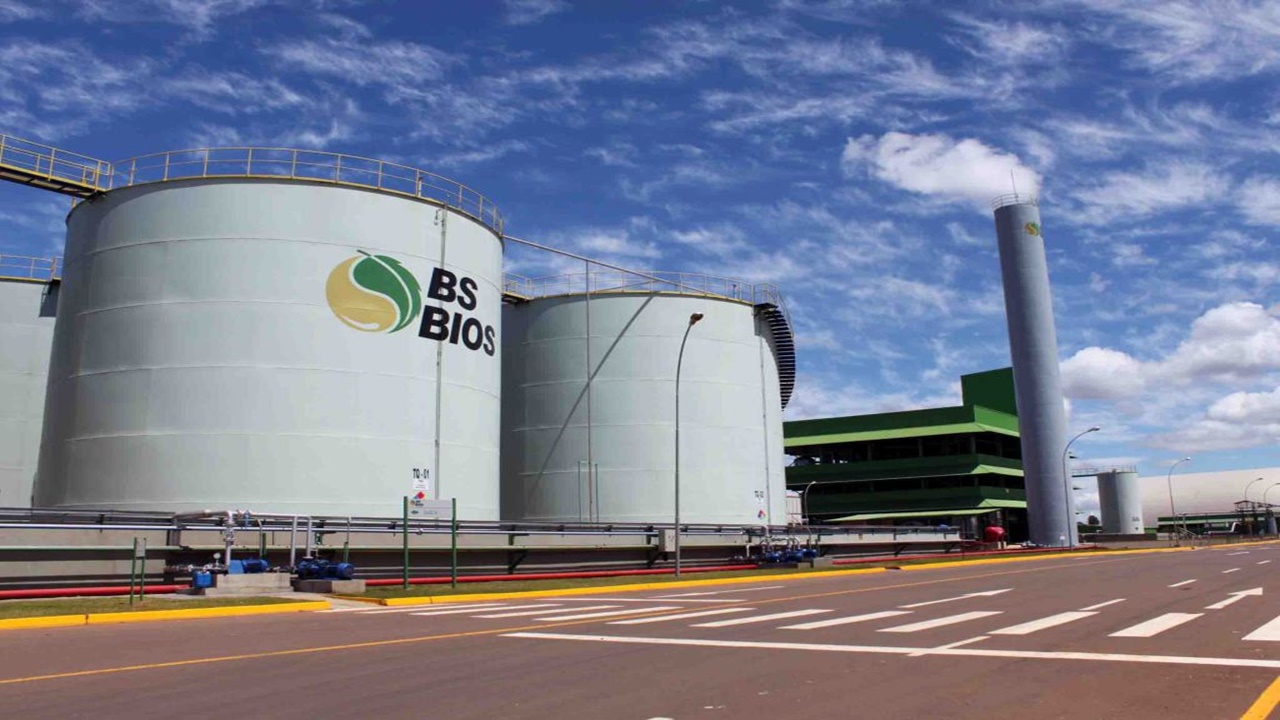
BSBIOS Biodiesel Mega Refinery, to Be Built in Paraguay, Will Generate US$ 1 Billion in Revenue in 2024 and Position the Group as a Leader in Latin America
The king of biodiesel Erasmo Carlos Battistella, founder of BSBIOS, the largest biodiesel plant in Brazil, which alone generated R$ 5.3 billion in revenue in 2020, aims to reach R$ 7.5 billion this year. And it doesn’t stop there; the entrepreneur has higher ambitions and wants to become the world’s third-largest producer in the sector by 2030, achieving revenues of US$ 5 billion, which represents an ambitious revenue goal exceeding R$ 25 billion, indicating a growth target of over 20% per year.
Also Read
- Robot That Plants and Weeds Promises to Revolutionize the Renewable Energy World in Agriculture
- Soybean Oil Price Plummets After Brazil Reduces Biodiesel Blend in Diesel
- Reduction of Biodiesel in Fuel May Backfire and Trigger Industry Bankruptcies and Unemployment
- Ethanol Price Evaporates at Mills, and Exporting Biofuel to the U.S., the World’s Main Ethanol Consumer, Becomes a Very Advantageous ‘Salvation’
- Gasoline Price May Spike and Ethanol May Run Short Due to Anhydrous Alcohol Shortage; Supply Issues Will Further Impact Brazilians’ Wallets
“We will have challenges, but we will have many opportunities. We are already among the 15 largest global companies and are happy with what we have built,” Battistella told DINHEIRO.
BSBIOS Mega Refinery to Be Built in Paraguay Will Generate US$ 1 Billion in Revenue in 2024 and Position the Group as a Leader in Latin America
Expected to begin in the second half of this year, the Omega Green project, the mega refinery to be built in Paraguay, has an investment of US$ 800 million and will produce biofuels, such as green biodiesel (HVO) and renewable aviation kerosene (SPK), all made from raw materials like fat, cooking oil, pongamia, and soybeans themselves.
-
Petrobras Expands Refining in Brazil, Increases Production of Diesel S-10 and Gasoline, Enhances Operational Efficiency, and Reduces Import Dependence Between 2023 and 2025
-
Petrobras’ Refap Sets Historic Records for Gasoline and S-10 Diesel Production in Canoas in Q4 2025, Surpassing Previous Figures
-
Revap Starts Operation of Modernized HDT and Petrobras Expands S-10 Diesel Production by 80% at the Refinery, Boosting Supply of Less Polluting Fuel in Brazil
-
Thermal Power Plant in Rio Grande do Sul Is Key to Attracting GWM
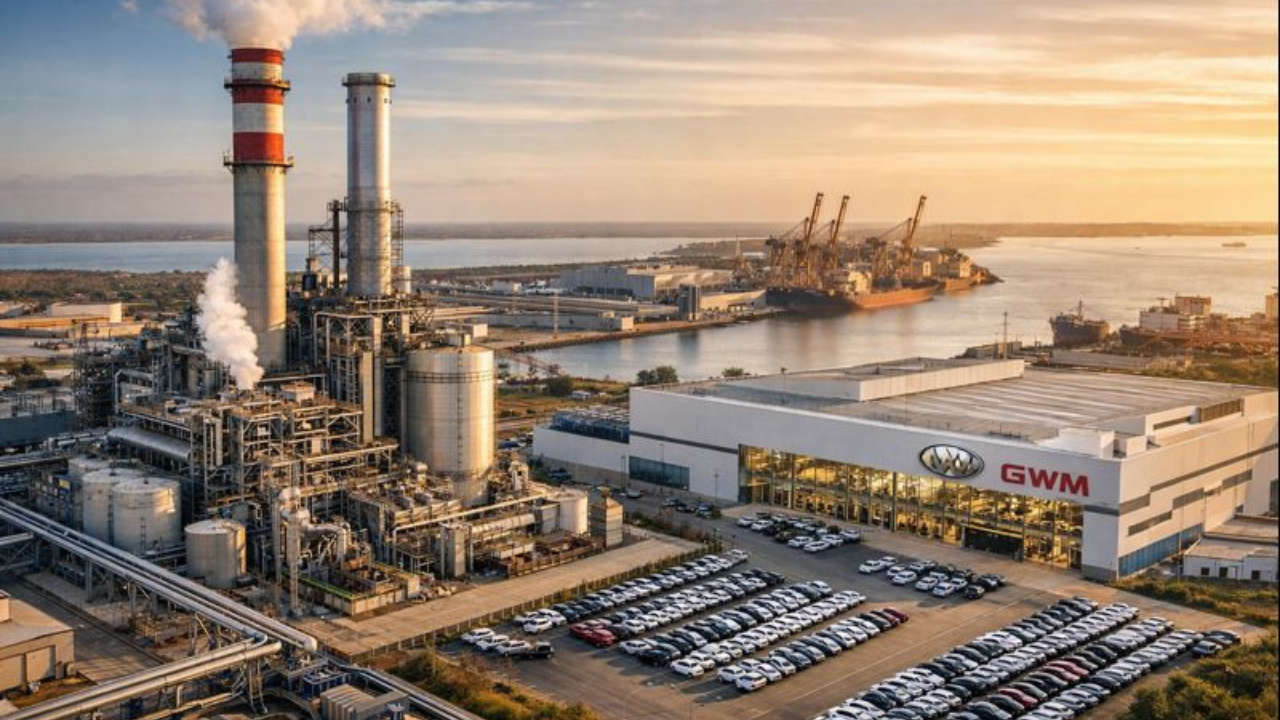

The mega refinery to be constructed in the neighboring country will have the capacity to produce 1 billion liters annually, in addition to generating US$ 1 billion in revenue in 2024, making the BSBIOS group a leader in Latin America in second-generation biofuels.
Almost all future production is already sold, says the king of biodiesel. Earlier this year, the company secured a billion-dollar contract with Shell, which includes the sale of 2.5 billion in biofuels. Additionally, the entrepreneur has closed deals with BP totaling over 1 billion.
Why Invest in the Neighboring Country?
According to the king of biodiesel, Paraguay offered tax reductions and other favorable conditions. This was a determining factor for the construction of the mega refinery in the neighboring country. Furthermore, the entrepreneur won a contract with the Paraguayan government, which granted a free trade zone regime for a period of 30 years. The expectation is that the new unit will generate an estimated increase of US$ 8 billion in Paraguay’s Gross Domestic Product (GDP) over 10 years.
Another determining factor was the lack of Brazilian regulations on advanced biofuels. Battistella also presides over the Brazilian Association of Biofuel Producers (Aprobio), and, according to the entrepreneur, the definitions of the rules regulating biofuels are expected to be completed by the National Agency of Petroleum, Natural Gas, and Biofuels (ANP) by the end of the year, or at the latest, early 2022.
Battistella says he plans to build a plant in Brazil similar to the Paraguayan project, but for that, biofuel rules must be defined and legal certainty guaranteed. “It’s a huge technological advancement and the solution for large urban centers. With green biodiesel, for example, São Paulo could stop using fossil diesel,” said the BSBIOS executive.
The current situation has been favorable for Brazilian plants of BSBIOS, which earned R$ 100 million with the Passo Fundo and Marialva refineries. The company’s capacity has increased by 62.5% during the same period due to investments.
Not Everything is Rosy; the Group Had to Face a Reduction from 13% to 10% of Biodiesel in the Diesel Blend
Recently, the Federal Government reduced the presence of biodiesel in the diesel blend from 13% to 10% as a way to offset the price increase due to the end of diesel tax exemption. But the wind is blowing in favor of the king of biodiesel, and, according to the timetable of the National Energy Policy Council (CNPE), the minimum blend will reach 15% by 2023. “We signaled to the government that it needs to return to 13%. What I have heard is that Brazil is committed to maintaining these goals. It is necessary,” said Battistella. The king of biodiesel knows this. The question is whether the government will follow the same direction.
According to the businessman, he was positively surprised by President Jair Bolsonaro’s speech because when Brazil talks about carbon neutrality by 2030, it shows commitment. “In terms of messaging, we did very well. Now we need to turn this message into action in practice. We need to deliver what we promised to the world.”
The Federal Government, by making this commitment, allows the industrial sector to apply the necessary pressure for it to happen. The major problem is execution. In addition to planning, it is necessary to execute well. “Training, the entire team trains. Now, bringing all this training into the field and winning the game is another story.”
According to Battistella, Brazil needs to create the regulatory framework for advanced biofuels as soon as possible so that it does not have to import by 2027, when it becomes mandatory.









Seja o primeiro a reagir!