





 Portuguese
  English
  Spanish
  3 min of reading


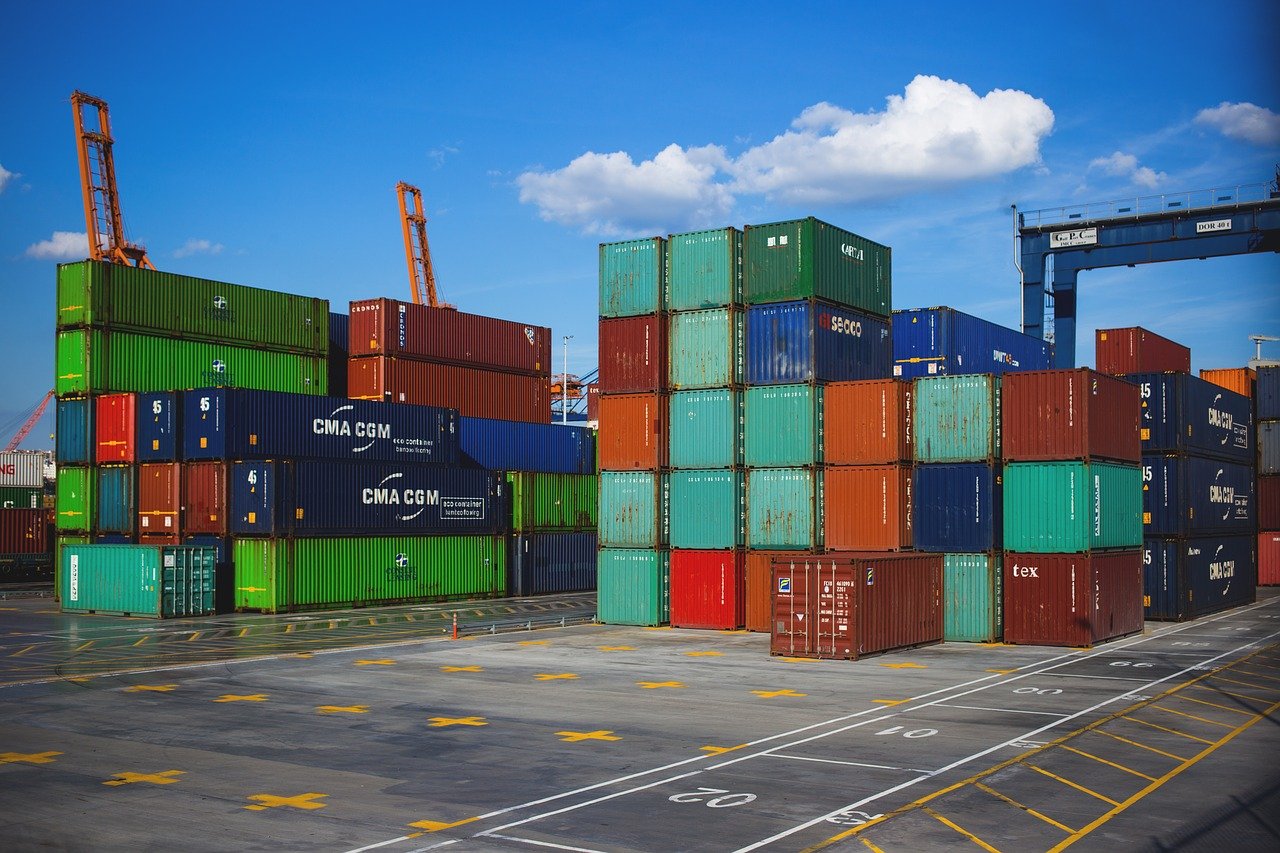
Driven by Various Issues in the Port Sector, But Mainly by the Conflicts with Ukraine, Maritime Freight Costs Increased by Almost 60% During 2022, According to Data from the UNCTAD Report.
A recently released report from the United Nations Conference on Trade and Development (UNCTAD) provided data regarding the international port sector and, for this Thursday, (06/30), the cargo movement scenario is not favorable. This is because, according to the agency, maritime transport costs at ports rose by nearly 60% over the course of 2022, driven by the war between Russia and Ukraine and factors related to the pandemic period.
Maritime Freight Costs Between Global Ports Have Increased by Almost 60% Since the Start of Conflicts with Ukraine, Says UNCTAD
Since the beginning of 2022, when the first conflicts between Ukraine and Russia erupted on the international geopolitical stage, the global market has faced a series of impacts, as various sectors were influenced by the political disparity between the countries. Among these segments, the port sector was one of the most affected, consequently impacting the supply chain of cargo in several countries worldwide.
This happens because the sector lost access to a large part of the Black Sea, in addition to having reduced shipments due to sanctions against Russia. Thus, a significant portion of Ukraine’s agricultural production, essential for supplying various countries, ceased to go through maritime transport operations, causing a domino effect worldwide.
-
A fine of R$ 115 thousand puts Goodyear at the center of an environmental case in Americana after oil and grease appeared in a stream and the company was forced to act quickly.

-
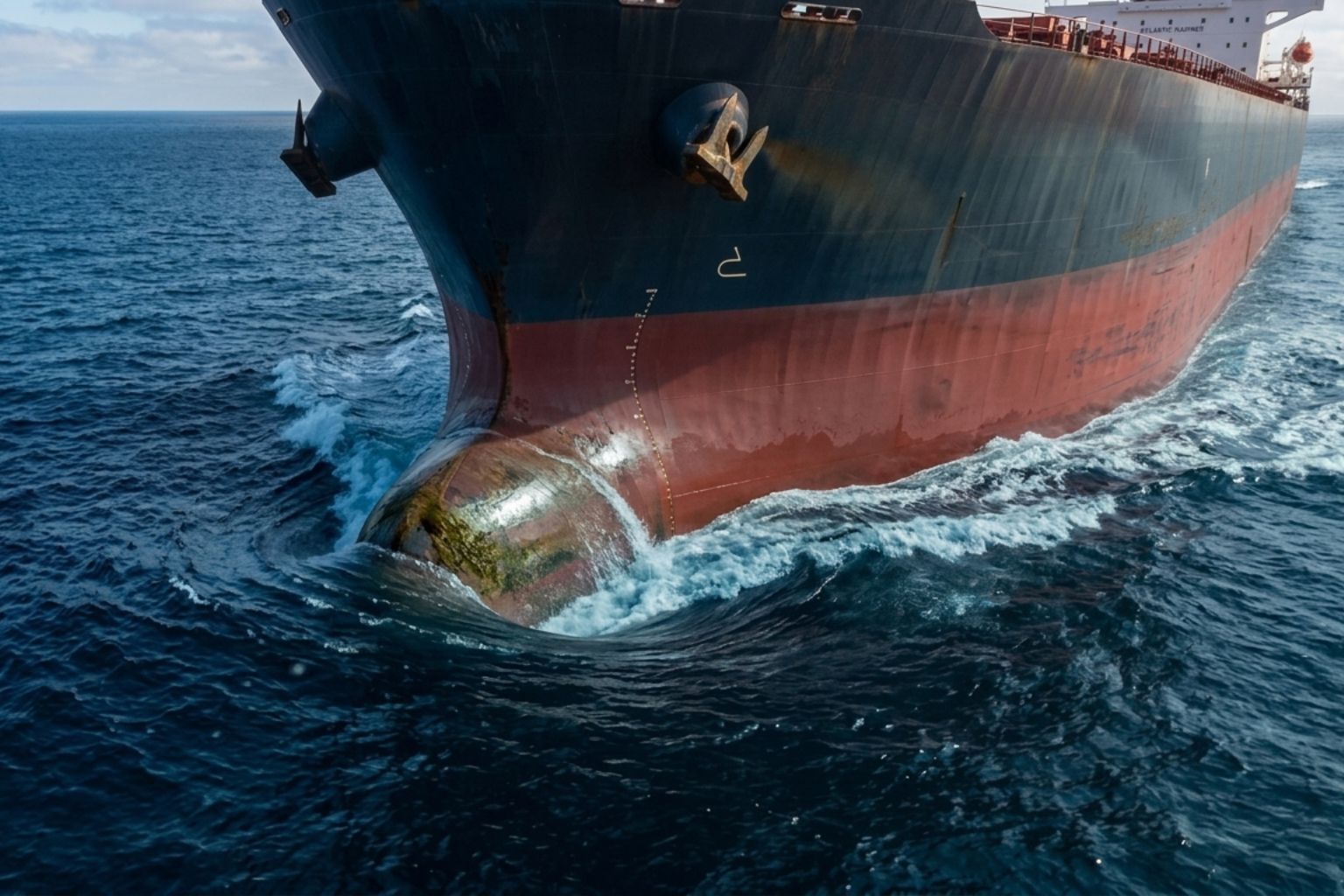
A hidden metal piece in the bow redesigns the water flow, reduces drag, and can save over 10,000 tons of fuel per year; this invisible solution allows giant ships to cut millions in costs without changing engines or routes.
-
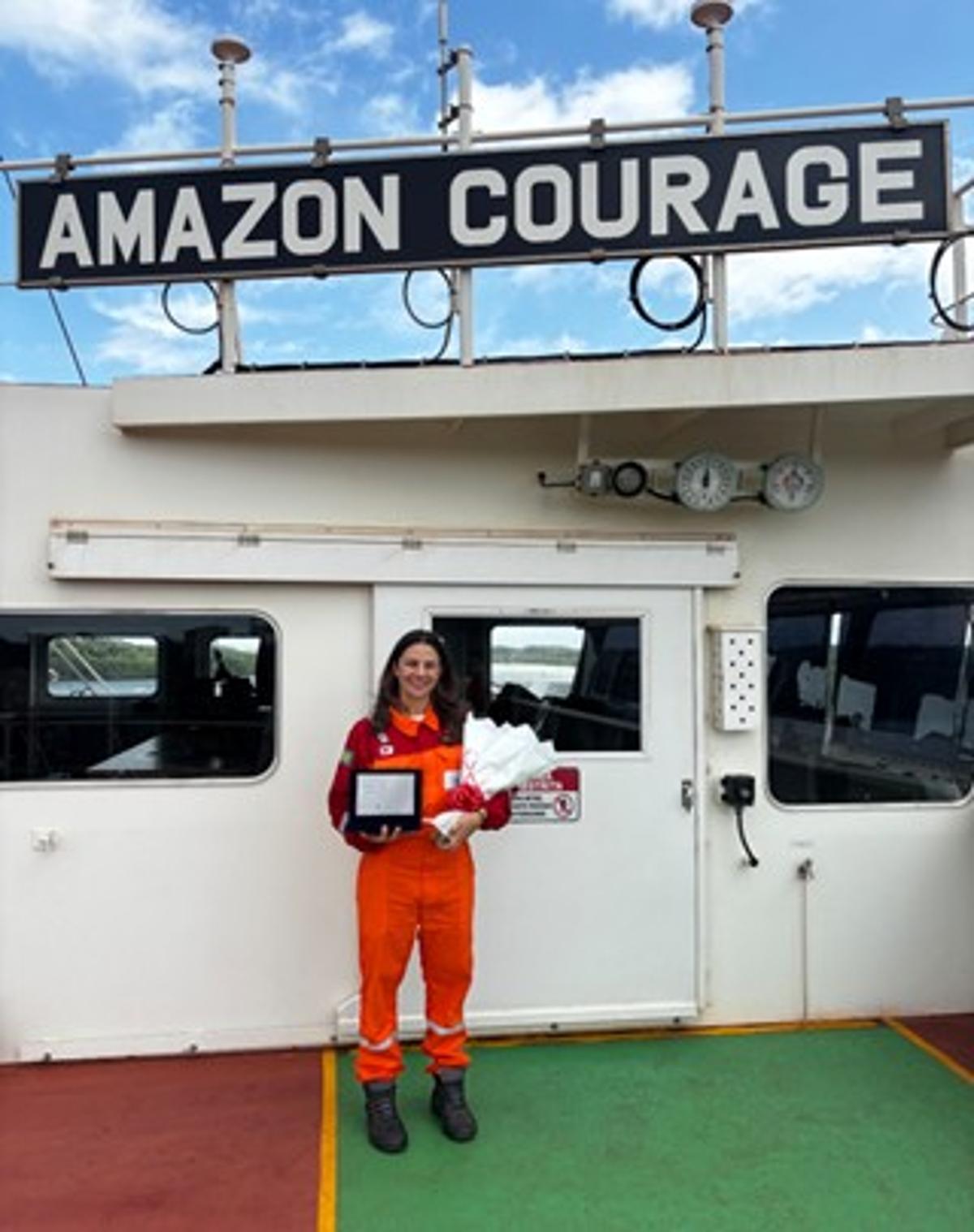
Alcoa and Posidonia enhance gender equity with the first female captain on the Alumar–Juruti route and strengthen female leadership in Brazilian maritime transport.
-
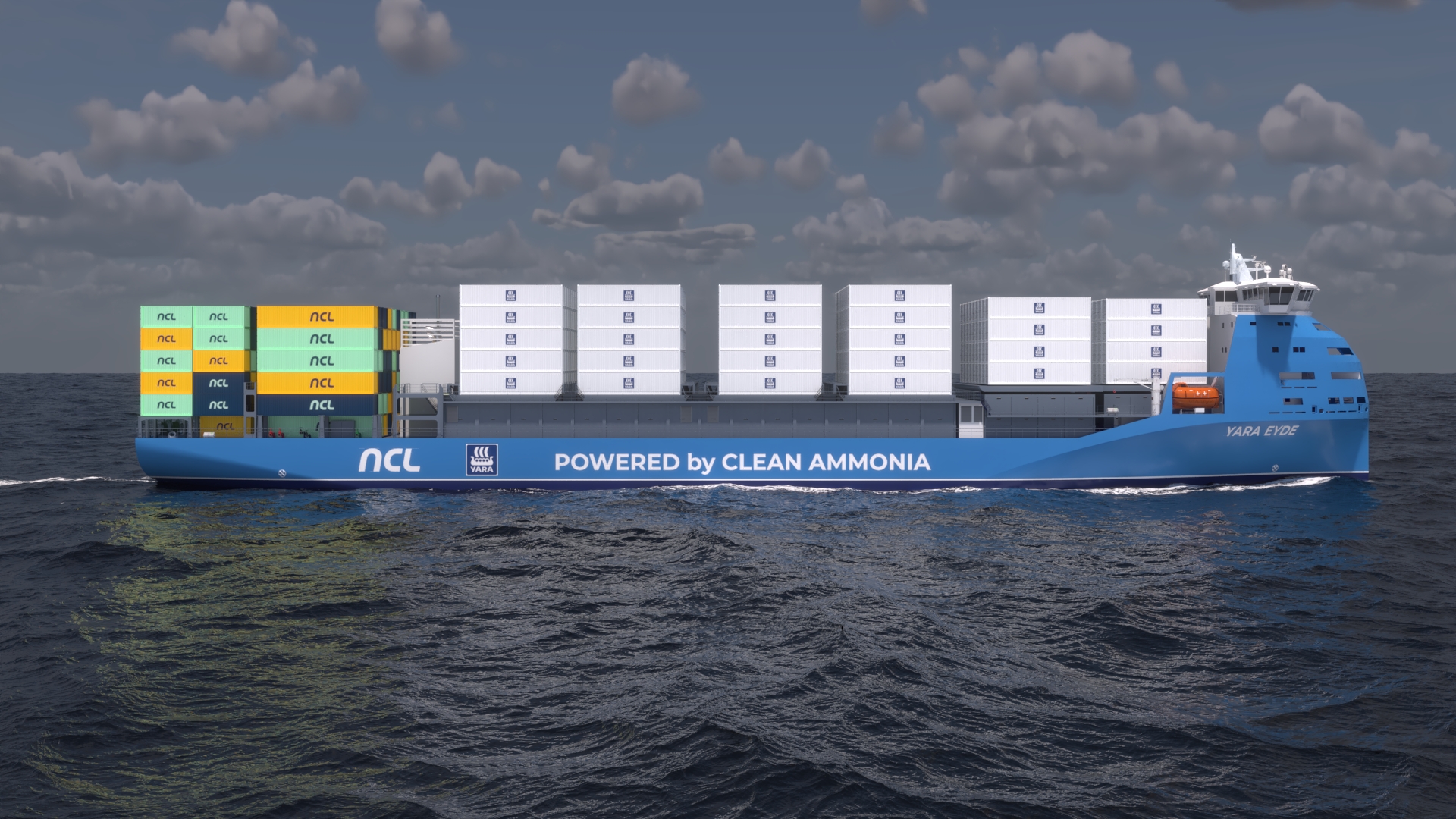
The world’s first container ship powered by renewable ammonia promises to avoid around 11,000 tons of CO₂ per year. The vessel, scheduled to operate in 2026, will connect Norway, Germany, and the Netherlands on one of the shortest and most strategic routes in Europe.
As such, maritime freight costs worldwide increased by nearly 60% by May of this year, according to the report released by UNCTAD.
UNCTAD also warns of several other issues that led to this significant increase in maritime transport costs, but emphasizes the influence of the conflicts in this scenario: “However, it is clear that the disruptions and the increased demand for ton-miles caused by the war in Ukraine strongly contribute to the rise in shipping costs.” And, among the consequences of the conflict, the most harmful to the port sector were the disruption of regional logistics networks and port operations in Ukraine, the destruction of important infrastructures, and the various trade restrictions implemented throughout the year.
War with Ukraine Is Not the Only Factor for High Maritime Freight Costs, Says UNCTAD, Which Warns of Impacts on Countries’ Economies
Although the UNCTAD report demonstrates the strong impact of the conflicts with Ukraine on the current global scenario during this period of instability in maritime transport costs, the agency highlights other issues in the port sector.
Among them are the consequences of the COVID-19 pandemic on the international market, such as congested ports and the need for an energy transition, being other strong factors that influenced the increase in maritime transport costs.
One of the main results of the high maritime freight costs worldwide is the impact on food prices in various countries. This is because the UNCTAD report found that food costs rose by up to 4% during 2022, a significant increase, especially for the poorest segments of the global population. Thus, the conflicts not only caused structural and operational problems but also socioeconomic issues in the countries.
Now, the expectation is that the expansion of maritime transport operations, particularly exports, can reverse this scenario. Thus, UNCTAD projects that Brazil is expected to increase its wheat and grain exports by 37% in 2022, while the United Kingdom and the European Union are expected to expand their exports by 8% during the same year.








Seja o primeiro a reagir!