





 English
  Francês
  Alemão
  Italiano
  Japonês
  Norueguês
  Portuguese
  Spanish
  3 min of reading


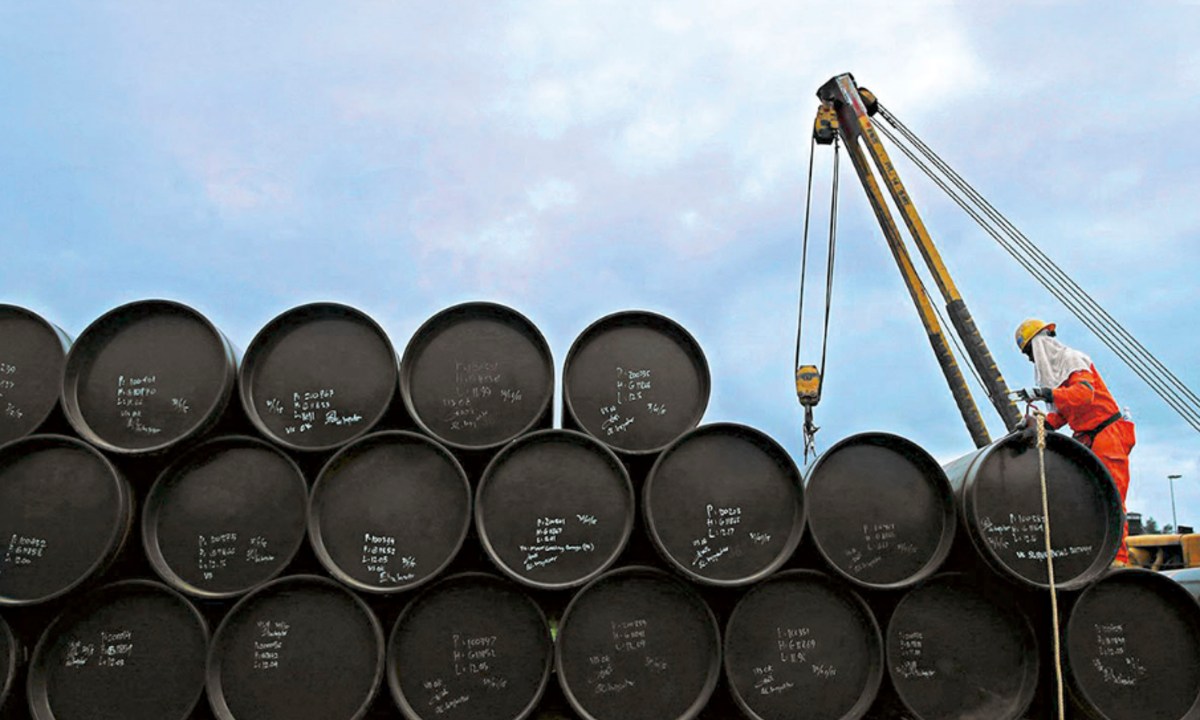
The Consequences Of The Oil Price Hike Are Not Just In The Consumer Pocket: According To The RAF, The Government’s Primary Deficit Is Also Affected
As a result of the war in Ukraine, which has strongly impacted the oil market and global economies, the primary deficit, that is, the difference between government expenses and revenue, excluding interest, as projected in the Budget, is expected to rise from R$ 76.2 billion to R$ 108.1 billion. This is one of the most important pieces of information from the Fiscal Monitoring Report (RAF) for March from the Independent Fiscal Institution (IFI), which was released last Wednesday, March 16. The RAF includes a monthly analysis of the macroeconomic scenario, revenues, public expenditures, and the budget cycle.
Furthermore, the Fiscal Monitoring Report (RAF) for this month also highlighted another important point: inflation will remain elevated. After reaching 1.01% last month, the highest rate for a month in 7 years, the consumer price index is expected to remain under pressure in the coming months. In this regard, the main cause is the latest adjustments in fuel prices (18.7% for gasoline and 24.9% for diesel), which were announced by Petrobras – whose president was replaced – as a consequence of the rise in the price of oil on the global market, a move that was criticized by the Government.
According to the Senate Agency, the Fiscal Monitoring Report from the IFI states: “The fragility of the fiscal and economic framework is exacerbated in an adverse international context. The greatest risks are concentrated on inflation and, consequently, on interest rates. From a fiscal perspective, the resulting effect will be an increase in the debt-to-GDP ratio”.
-
Brazilian giant expands borders in the Southeast: Petrobras confirms new oil discovery in ultra-deep waters in the pre-salt of the Campos Basin.

-
Alert in the global energy market: Severe tropical cyclone hits the coast and disrupts gas production at major plants in Australia, threatening global supply.

-
Petrobras finds high-quality oil in the pre-salt at 113 km from RJ and reignites expectations about strategic reserves in the Campos Basin.

-
Chinese giant worth nearly R$ 4 billion that manufactures cables for electric cars, solar energy, and robotics wants to open a factory in SC.

Thus, the IFI’s RAF lists the actions announced or approved to avoid harming consumers, such as:
- The reduction of the Tax on Industrialized Products (IPI), announced by the government;
- The exemption of PIS/Cofins, valid until December of this year;
- The Bill No. 1,472/2021, which was authorized by the Senate at the beginning of March and sent to the Chamber of Deputies. This bill develops the so-called CEP (Oil Price Stabilization Account), to reduce price instability at fuel stations. The document includes a primary analysis of the consequences of the CEP and studies the possibility of it being financed through extraordinary credit.
According to assessments by the IFI, all the above measures should result in a loss of revenue for states, municipalities, and the Federal Government.
The report also presents analyses of the Selic rate – which is likely to keep rising to sustain the inflation –, the development of GDP per capita – which, despite having increased last year, is still below the 2013 level, the year it reached its highest peak – and public debt. The latter fell from 88.8% to 79.6% of GDP over the course of a year; however, due to the rise in interest rates, the trend is for it to increase again, according to RAF estimates.
Source: Senate Agency
Freezing Petrobras Fuel Prices And Reducing ICMS Stand Out Among Federal Government Proposals To Mitigate The Impact Of Rising Oil Prices
With the intensification of the conflict between Russia and Ukraine, the international price of oil is skyrocketing and worrying world leaders. The Brazilian Government is no different: Jair Bolsonaro is discussing with Congress the possibility of freezing Petrobras fuel prices.
The cost of not following the surge in fuel prices in the external market would fall on Petrobras. The government argues that, since Petrobras’s costs are in reais and it recorded record profits last year, it is capable of holding off price adjustments during this unstable period. To read the full article, just click here.









Seja o primeiro a reagir!