Portuguese
  Spanish


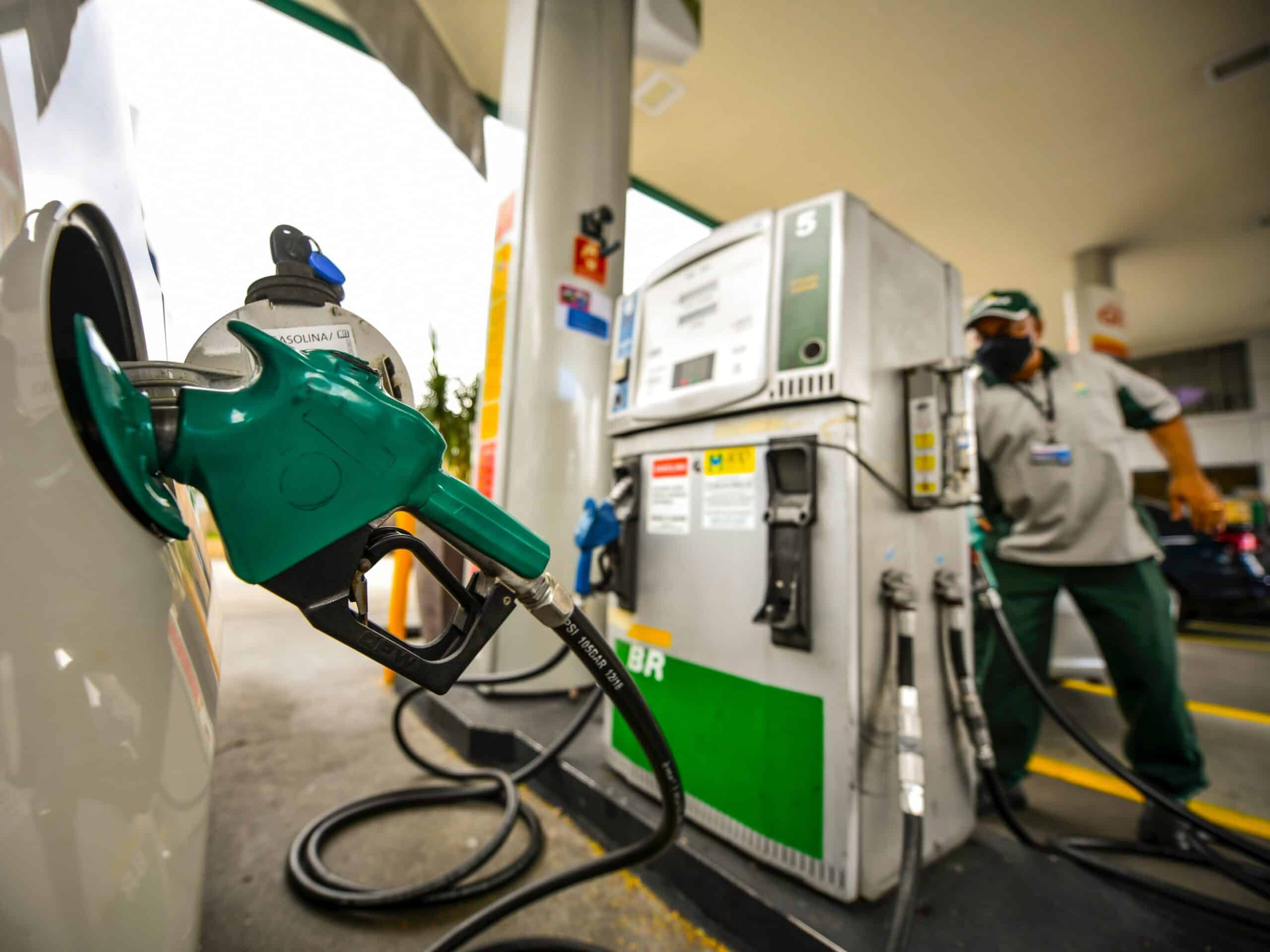

President and the Minister of Economy Discuss Government Measures on Petrobras Fuel Prices
With the intensification of the conflict between Russia and Ukraine, the international oil price skyrockets and worries world leaders. It was no different for the Government of Brazil: Jair Bolsonaro is discussing with Congress the possibility of freezing Petrobras fuel prices.
Also Read:
- To Reduce the Impact of Fuel Prices on Their Economies, Brazil and Other Countries Adopt Measures to Contain the Value of the Oil Barrel, Which Exceeded US$ 130
- China’s Government, Concerned About a Potential Shortage of Oil, Gas, and Food, Starts Commodity Supply Operations Paying 139% More on Some Imports
- After Agreement, OneSubsea Submarine Will Be Installed in the Atlanta Field, Enauta’s Main Oil Exploration Site
As analyzed by Estadão and reported by the website Broadcast, the cost of not following the surge in fuel prices on the external market would be assumed by Petrobras. The government argues that, since Petrobras’s costs are in reais and it generated record profits last year, it is able to hold off on price adjustments during this unstable period.
According to sources related to the discussions, Paulo Guedes, the Minister of Economy, will not oppose the freezing of prices for a time; however, he advocated for focusing on the approval of the complementary law project (PLP) 11. This project determines the ICMS charge per liter of fuels and establishes a single-stage taxation model.
-
Company Offering “Stones to Diamonds” Scheme Sells Ruined Italian Homes to Brazilians for 1 Euro, Disappears with Promised Renovations, Leaving Buyers in Debt to Italian Tax Authorities Until 2028 Without Property

-
Plastic Packaging Drives Santa Catarina Industry to 230% Growth, Aiming for R$ 500 Million by 2030 Amid Sector Crisis, with New Gearless Line Expanding in Southern Brazil to Compete in South America

-
Flamengo Star Invests in Brazilian Coastal Luxury Real Estate as Itapema Surpasses Balneário Camboriú in High-End Market Growth
-
Qantas and Airbus Invest in Company Aiming to Convert Unsorted Household Trash into Jet Fuel


Thus, Guedes held a meeting with Bolsonaro and opposed measures that involve subsidies, creating a stabilization fund with resources from the National Treasury, and measures that increase government spending. The concern raised by the minister is that governors have R$ 150 billion more in revenue, so they can reduce the ICMS.
According to a government source, “in times of war, it is better to keep the price steady,” considering the preference to maintain stable fuel prices instead of a 20% adjustment to keep up with international markets. For this, approval from Petrobras’s Board is required. The decision pressures Petrobras’s president, Joaquim Silva e Luna, whose term ends in March.
The freezing project has also been discussed with the senator responsible for fuel-related projects in the Senate, Jean Paul Prates (PT-RN), who expects changes in Petrobras’s pricing policy.
State of Calamity Decree
If the conflict in Eastern Europe prolongs, the government does not rule out the possibility of needing to declare a state of calamity. In this case, the government has the authority to implement measures that mitigate the war’s impact on the economy, such as increasing spending and suspending fiscal rules. During the pandemic, the government increased spending on employment support programs and aid for those in need, which exceeded the spending cap limit.
In addition to the escalation of fuel prices, which affect inflation and harm consumers, there is also concern about how sanctions against Russia may impact Brazil. This and other consequences of the conflict will be analyzed over a period of three months, considering that everything is still very unstable.
Tax Collection
The government’s proposal to exempt PIS/Cofins could help with a discount of R$ 0.50 on the price of a liter of fuel for Brazilians. According to the government’s estimate, the cost of this measure will be R$ 18 billion.
The proposal is supported by the Minister of Economy, who suggested to governors that they encourage a reduction of the ICMS by the same amount of R$ 18 billion, thus avoiding an unwanted increase in fuel prices in the domestic market. If both measures are approved, the estimated drop in diesel price is R$ 0.70. The governors, in turn, are against the loss of ICMS revenue.
For Senator Prates, legislative projects should not take long. Analyzing the sudden actions of the government caused by the rise in oil prices, he believes that the issues will be resolved quickly, within a week, in the Chamber.