





 Portuguese
  English
  Spanish
 3 min of reading
  0 comments


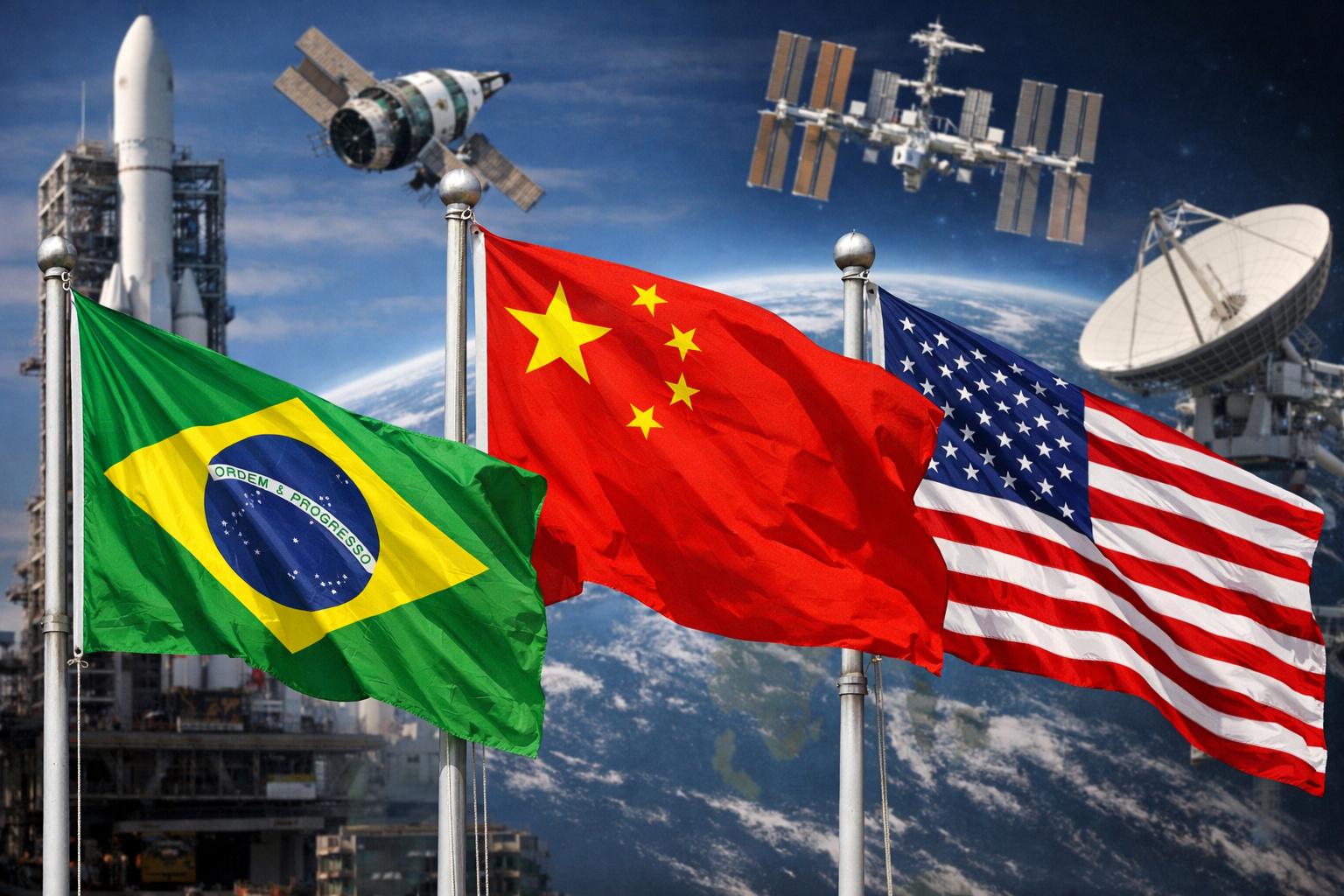
Document Cites Salvador, Bahia, And Puts Aerospace Cooperation Under Strategic Suspicion
A report released by the United States Congress this Thursday (26) put Brazil at the center of a sensitive geopolitical debate. The document accuses the country, along with other nations in Latin America, of hosting Chinese military bases aimed at special launches.
According to the text, the alleged base in Brazil would be located in Salvador, Bahia, at the headquarters of Ayla Space, a Brazilian aerospace company. In the report, the congress members identify the project as “Tucano Ground Station.”
The information was reported by “CBN,” which detailed excerpts from the document and highlighted the points where Brazil is mentioned.
-
USA and China compete for Brazil over resources that could be worth trillions — rare earths put the country at the center of a global dispute

-
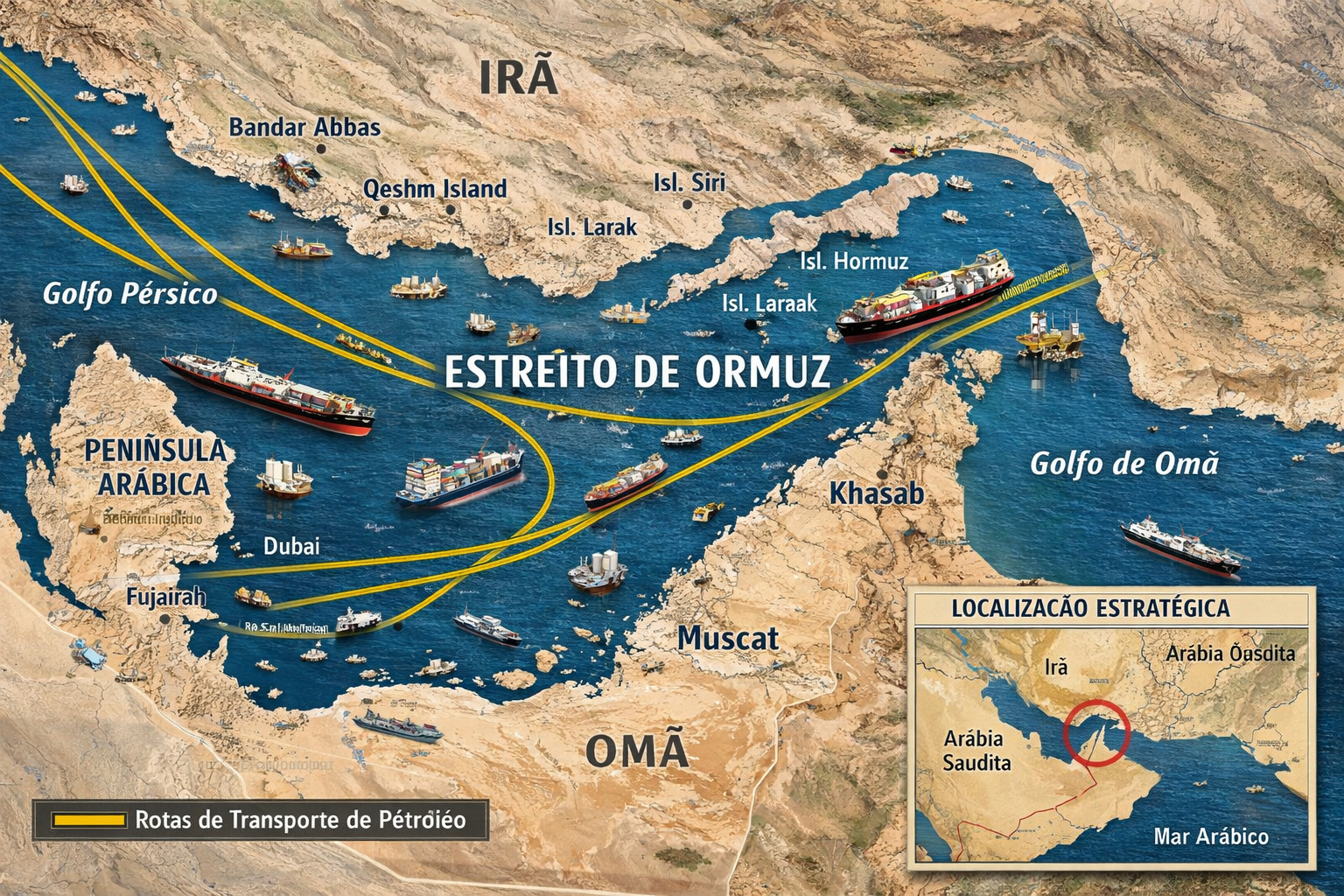
Global summit with over 40 countries pressures Iran for a blockade in the Strait of Hormuz and warns of direct impact on oil, food, and the global economy.
-
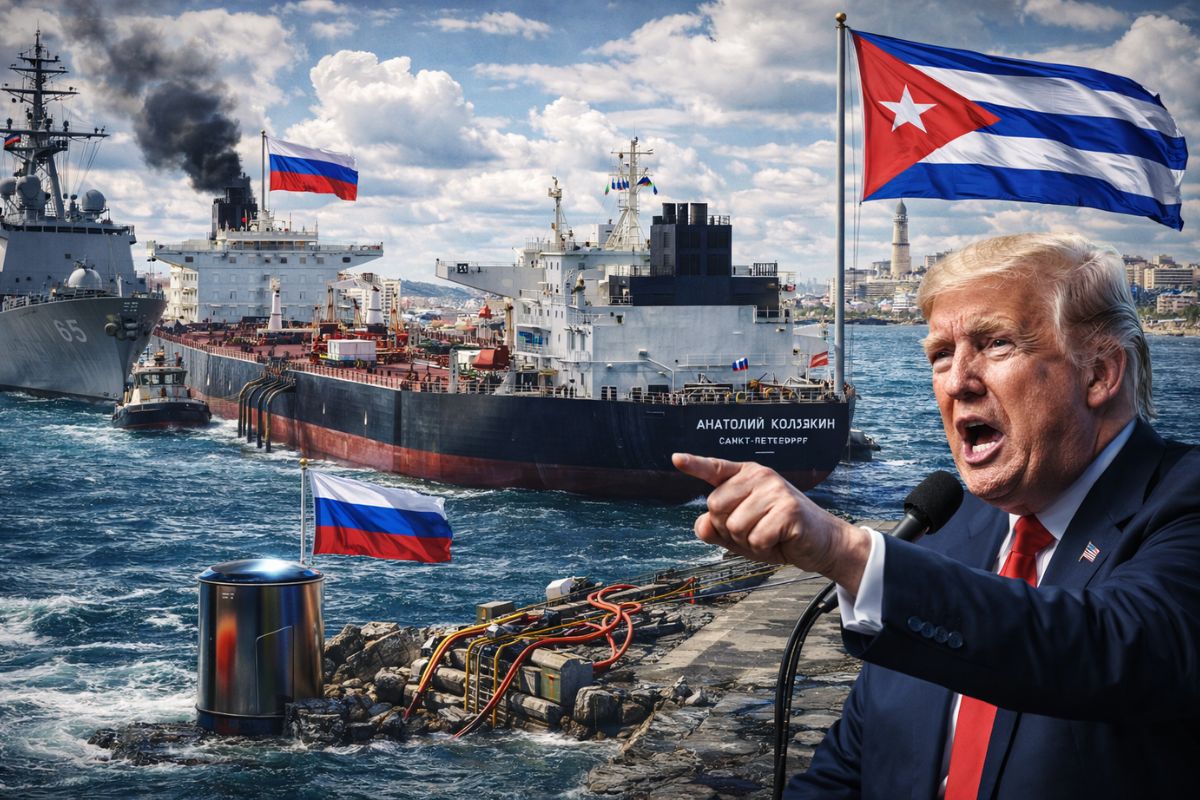
Russia has broken the U.S. maritime blockade to send oil to Cuba and is now loading a second ship while Trump says that “Cuba is next” in a possible military action against the island.
-
Spain challenges the USA and closes its airspace for operations against Iran, raising global tension and provoking the threat of a trade rupture.


Partnership Between Ayla Space and Chinese Company Under Congress’s Focus
The report states that Ayla Space is developing the Tucano Ground Station project in partnership with Beijing Tianlian Space Technology Co. Ltd., a Chinese aerospace company. According to the official description, the system analyzes data from Earth observation satellites for monitoring within Brazil.
However, the U.S. Congress committee interprets this cooperation from a strategic perspective. For the lawmakers, China is conducting a multifaceted strategy in the diplomatic, economic, technological, and military areas to expand its influence in Latin America and the Caribbean.
The document is titled “Attracting Latin America into China’s Orbit.” In it, the congress members argue that Beijing seeks to alter the balance of power in a region historically aligned with the United States.
Brazil is mentioned fifteen times throughout the report. In some passages, it appears alongside other South American countries within a regional influence scenario. In other instances, the text mentions the country directly, as in the case of the alleged base in Salvador.
Laboratory in Serra do Urubu Also Mentioned


In addition to the Tucano Ground Station, the report mentions a radio astronomy laboratory between Brazil and China in Serra do Urubu. The text states that the laboratory focuses on advanced technology development for astronomical observation and deep space exploration.
According to the document, the laboratory also coordinates international exploration, international scientific cooperation, and planning of large research initiatives. Furthermore, it translates scientific innovation into broader technological applications.
The report emphasizes that CESTNCRI integrates China’s defense industrial base. Therefore, the congress members assert that deep space observation systems could have dual-use. They cite potential applications in military intelligence, air service, and tracking non-cooperative targets.
Infrastructure and Trade Expand Chinese Influence in the Region
The report broadens the analysis and addresses China’s economic strategy in Latin America. According to the text, Beijing has attracted dozens of Latin American and Caribbean nations through a global infrastructure project.
Chinese state-owned companies financed and built deep-water ports, highways, railroads, and energy networks. In addition, they increased investments in critical mineral extraction and deployment of advanced telecommunications networks.
In the last two decades, trade between China and Latin America has soared. As a result, China has become the largest trading partner of countries such as Brazil, Chile, and Peru.
For the American committee, this economic dependence creates strategic vulnerability. According to the report, Beijing could exert political pressure when fundamental interests are at stake.
In light of this scenario, the document argues that China does not engage in isolated economic transactions. On the contrary, the text claims that Beijing executes a broader geopolitical strategy.
CBN questioned Itamaraty about the report’s content. So far, the Brazilian government has not officially responded.
Meanwhile, the debate over sovereignty, technology, and geopolitical influence is likely to gain momentum. After all, the topic involves regional security, global alliances, and the future of relations between Brazil, China, and the United States.
Do you believe that technological cooperation between Brazil and China represents a strategic advancement or a geopolitical risk for the country?





-

-

-

-

-

7 pessoas reagiram a isso.