





 Portuguese
  English
  Spanish
  5 min of reading
  0 comments


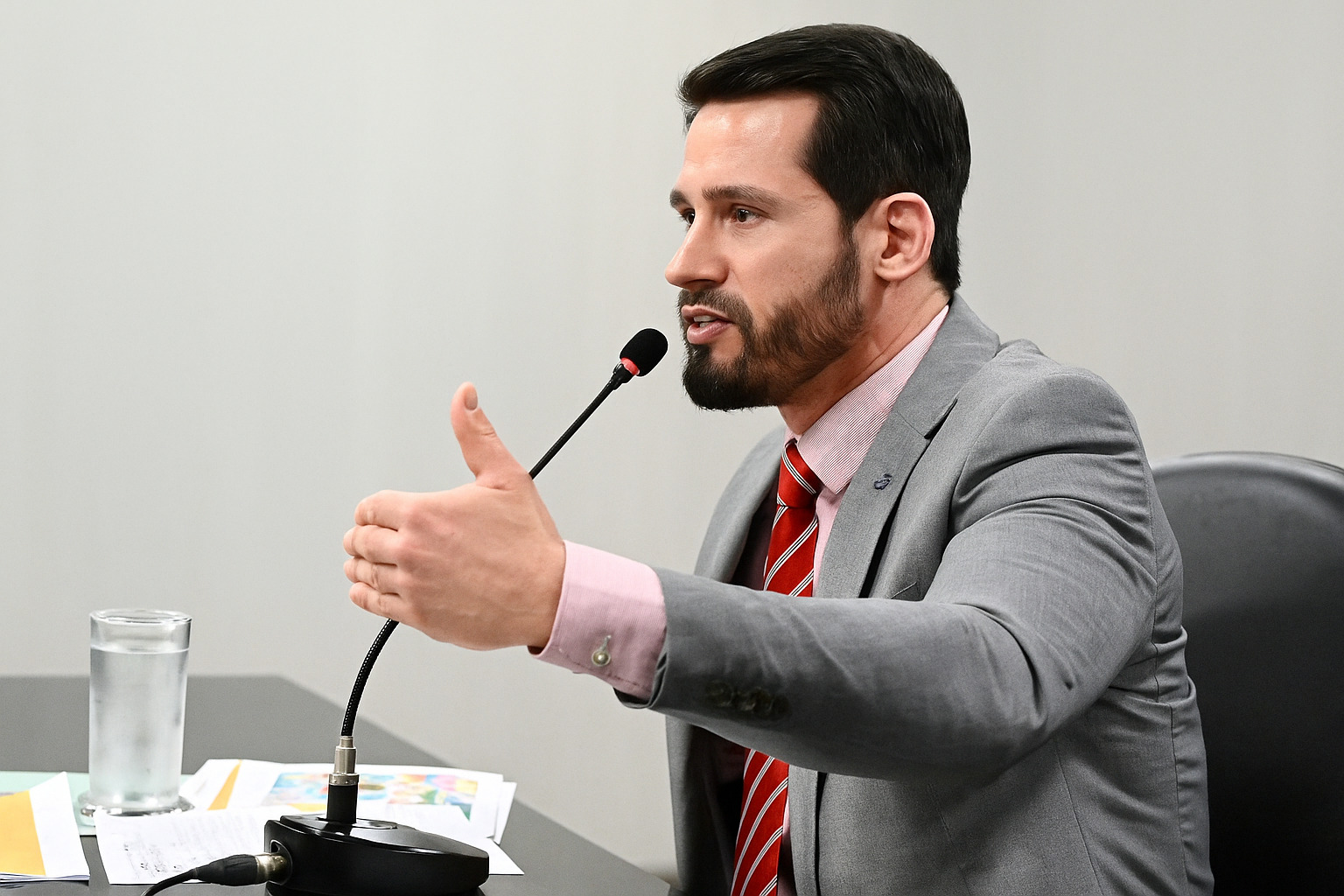
New Secretary Takes Office at the MME and Reinforces the Strategic Importance of the Oil, Natural Gas, and Biofuels Sector for Brazil.
The announcement of Renato Cabral Dias Dutra as the new Secretary of Oil, Natural Gas, and Biofuels at the Ministry of Mines and Energy represents a milestone of continuity and renewal.
He replaces Pietro Mendes, who left the position after being approved as Director of the National Agency of Petroleum, Natural Gas and Biofuels (ANP).
As he had already served as Deputy Secretary, Dutra arrives with practical experience. In addition, he brings solid academic training, holding a degree in Economics and International Relations, a master’s degree in Economics, and a doctorate in Sciences from the UFRJ Energy Planning Program.
-
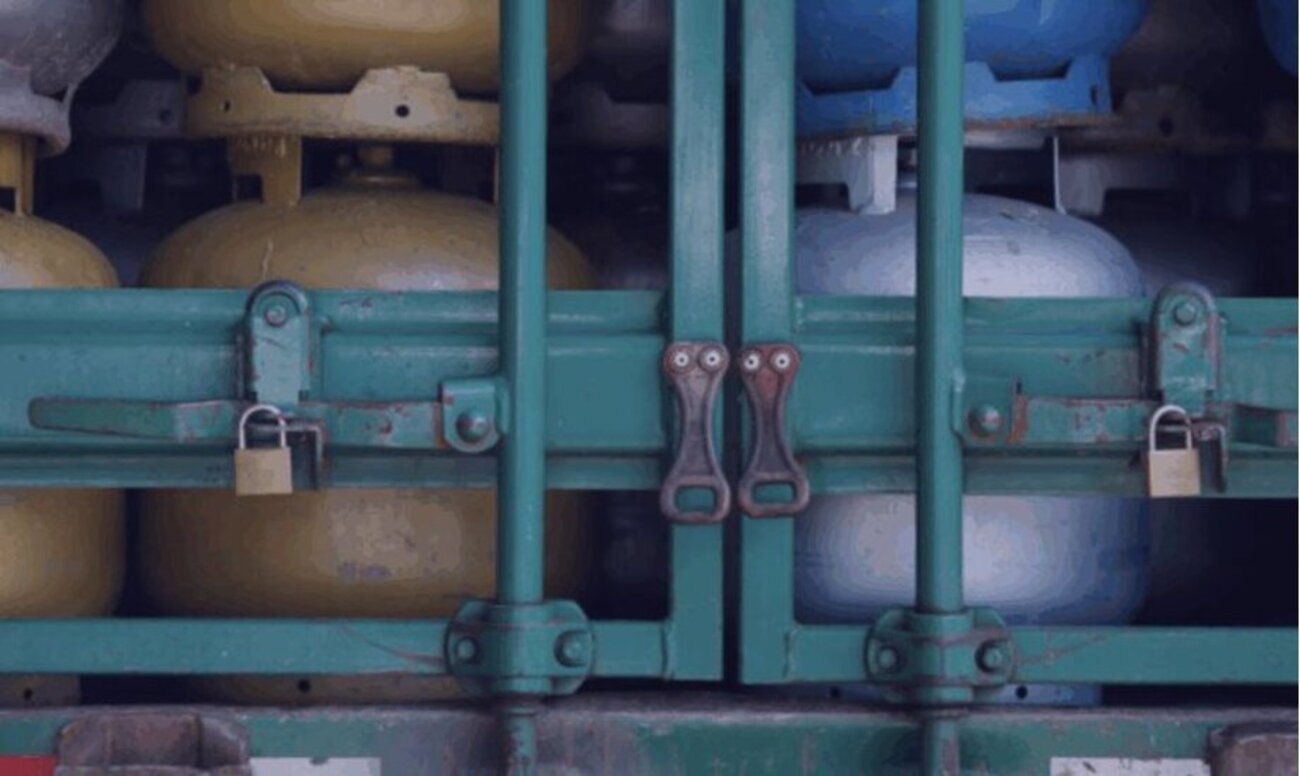
Petrobras evaluates suspension of sales to distributors and considers canceling the cooking gas auction following guidelines from the Federal Government.
-
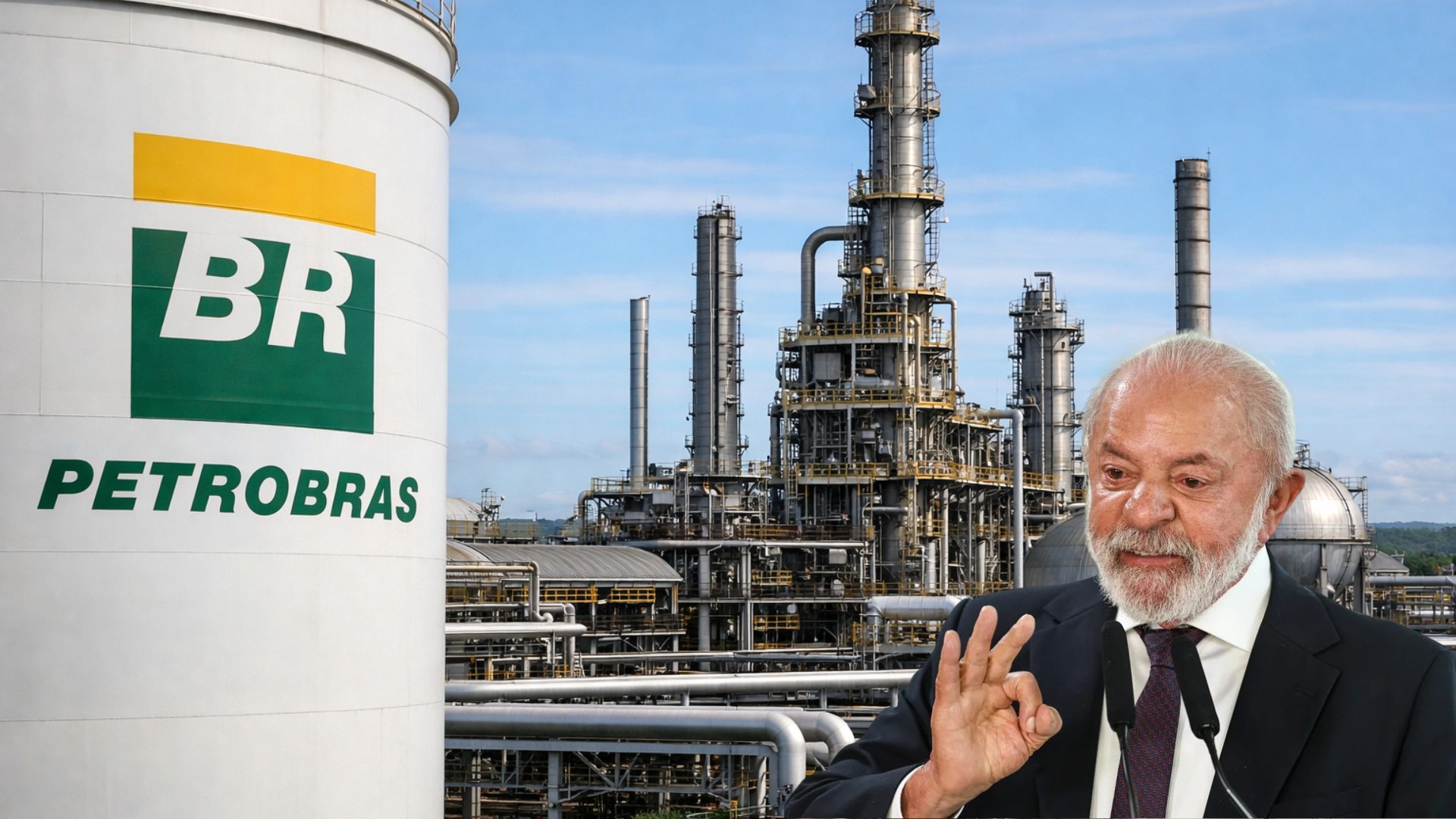
Lula reveals a masterstroke by Petrobras to undo a deal made by Bolsonaro, which involves the return of an important refinery that currently produces less than half of what was expected and makes Brazil dependent on international diesel.
-
A study confirms that the natural gas sector will reduce greenhouse gas emissions in Brazil by 0.5% and accelerate the energy transition by 2026.

-
Petrobras implements a severe adjustment and confirms a 55% increase in the price of aviation kerosene with a proposal for installment payments for the companies.


Thus, his trajectory combines scientific knowledge and administrative practice, which strengthens his ability to lead the sector.
It is important to highlight that, over the years, the ministry of Oil, Natural Gas, and Biofuels has evolved significantly, keeping pace with global and national changes. Therefore, the new secretary assumes not only a position but a responsibility to shape long-term strategic policies.
The Role of the New Secretary in the Ministry
The Ministry of Mines and Energy (MME) chose to promote internal candidates instead of turning to external figures.
Therefore, this decision reinforces confidence in the existing team and ensures administrative stability. Dutra, a career civil servant at the ANP, is well aware of both the technical challenges and the institutional gears of the national energy sector.
Thus, his mission involves balancing the pursuit of energy security with the transition to cleaner sources.
Oil, natural gas, and biofuels hold a strategic position not only for the economy but also for Brazil’s international role. Therefore, upon assuming the secretary position, the new secretary carries the responsibility to maintain stability while charting new paths.
Furthermore, the new secretary will need to encourage dialogue among different sectors, including industry, universities, and regulatory bodies, ensuring that strategic decisions are consistent and effective. In this way, he can create policies that strengthen Brazil’s competitiveness in the global market.
Historical Context of the Oil and Gas Secretariat
Historically, the Secretariat of Oil, Natural Gas and Biofuels emerged during a period of consolidation of the Brazilian oil industry.
With the discovery of the pre-salt reserves in the 2000s, its relevance increased significantly. Thus, the secretariat became essential for the management of strategic resources and for the expansion of Brazil’s trade balance.
In recent years, however, the sector has faced fluctuations in oil prices, more rigorous environmental debates, and international pressures for emission reductions.
Consequently, the new secretary needs to act strategically to reconcile economic growth with sustainable commitments.
Moreover, the Brazilian energy landscape requires the new secretary to coordinate technological innovation initiatives, such as the digitalization of offshore platforms, environmental monitoring, and real-time data analysis. This ensures greater efficiency in production and environmental sustainability, enhancing the country’s image internationally.
Current Challenges of the New Secretary
Among the main challenges facing Renato Dutra is the maintenance of investment attractiveness in oil and gas.
At the same time, he needs to promote energy transition policies. Therefore, his management will require the skill to balance these two worlds.
In addition, biofuels represent an asset for Brazil’s energy matrix.
For instance, ethanol and biodiesel demonstrate that the country can combine innovation and sustainability. Thus, the new secretary should strengthen programs, stimulate technological advancements, and ensure global competitiveness.
Another significant challenge is to expand the use of biomethane and other alternative sources, integrating them into the national energy matrix and providing new business opportunities for companies and investors. In this way, Brazil can consolidate its position as a reference in clean energies.
The Strategic Importance of the Energy Sector
The oil and gas sector has acted for decades as a economic engine of Brazil.
Since the creation of Petrobras in the 1950s, the country has invested in research, exploration, and innovation. With the pre-salt, Brazil has gained space among the world’s largest producers.
However, the international energy transition scenario requires rapid adaptation.
Thus, global discussions on decarbonization pressure exporting countries to innovate.
In this context, the secretariat assumes a central role. The new secretary needs to align economic, environmental, and social interests, creating policies that favor the industry without neglecting society.
Additionally, Dutra must strengthen international partnerships, seizing opportunities for export and investments in cutting-edge research and technology, ensuring that Brazil remains globally competitive.
Future Perspectives Under Dutra’s Leadership
Currently, Brazil seeks to increase its international relevance in the energy sector.
While the demand for oil remains strong, particularly in Asia, the interest in clean solutions also grows. Thus, the new secretary must work with a strategic vision to deal with this duality.
With his experience at the ANP and his PhD in energy planning, Dutra holds solid credentials to lead this transition.
Furthermore, he can enhance the integration of regulation, innovation, and investments, ensuring a stable and predictable environment for the sector.
Another relevant challenge will be the management of oil and gas revenues. These resources sustain states and municipalities, especially producing ones.
Therefore, management needs to be responsible and strategic, directing part of the revenues to sustainable projects and the diversification of the energy matrix.
The new secretary will also play a key role in promoting the training of specialized labor and encouraging capacity building in new energy technologies, ensuring the sector’s sustainability in the long term.
Continuity and Renewal at the MME
The Minister Alexandre Silveira has shown a preference for internal candidates. In this way, he values career civil servants and ensures administrative continuity.
The appointment of Dutra as new secretary thus fits within this logic.
At the same time, the arrival of João Daniel Cascalho as Secretary of Electric Energy replaces Gentil Nogueira, the current director of Aneel.
Thus, the MME promotes a planned renewal, without abrupt breaks, strengthening confidence in institutions.
Moreover, the team will have to deal with new regulatory frameworks, infrastructure development, and promoting energy efficiency projects, consolidating Brazil as a reference in the sector.
The swearing-in of Renato Dutra as new Secretary of Oil, Natural Gas, and Biofuels represents more than just a simple change of position.
It symbolizes institutional continuity, technical preparation, and strategic responsibility.
Therefore, his role will be decisive to ensure that Brazil continues as an energy power, but in a sustainable manner.
The balance between oil, natural gas, and biofuels will determine the country’s strength in the coming decades.
More than just managing resources, the new secretary needs to guide the sector in a global transition scenario.
Thus, he should integrate economy, politics, and the environment into a coherent strategy.
In this way, the secretariat maintains its protagonist role in decisions that impact both Brazil and the world.








Seja o primeiro a reagir!