





 Portuguese
  English
  Spanish
  3 min of reading
  0 comments


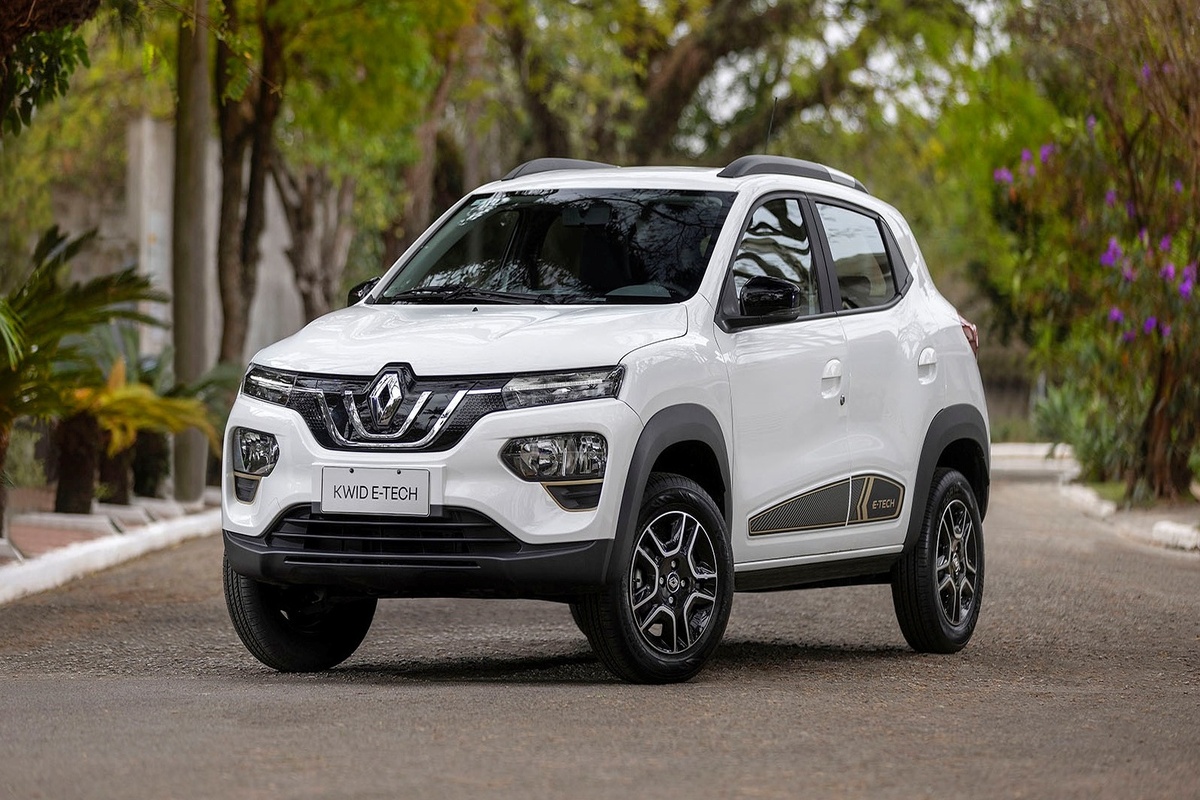
Competitive Price Attracts Consumers Looking to Transition to Electric Mobility Without Spending Too Much
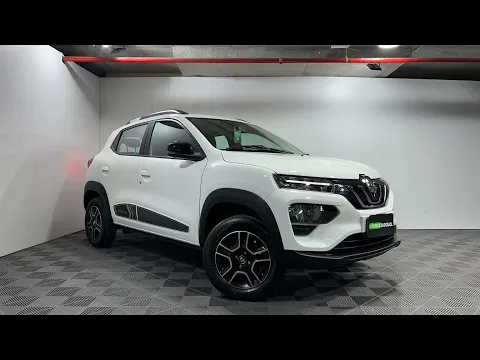
In 2025, the electric vehicle market gains strength in Brazil. Few models manage to combine economy and practicality like the Renault Kwid E-Tech.
Imported from China, it emerges as the cheapest electric car in the country this year.
According to a survey by Renault released in May 2025, the price catches the attention of those wanting an affordable electric vehicle.
Popularization Pressures Prices Downward
Contrary to what many believe, neither the BYD Dolphin Mini nor the Fiat 500 are the cheapest.
Since its original launch in 2022, when it cost approximately R$ 143 thousand, the Kwid E-Tech has undergone adjustments.
Now, in July 2025, it starts at R$ 99,990.
This information was confirmed by Renault in an official statement.
This competitive price marks an important point for those looking to enter the electric vehicle segment.
It allows transitioning to a battery-powered car without compromising the budget.
Still, it is worth noting that the Kwid E-Tech is not the best-selling vehicle in the country.
According to data, the BYD Dolphin Mini has led sales since 2023.
Despite this, the Kwid E-Tech retains the advantage of having the lowest price in its category.
This factor attracts those seeking urban autonomy at a reduced cost.
-
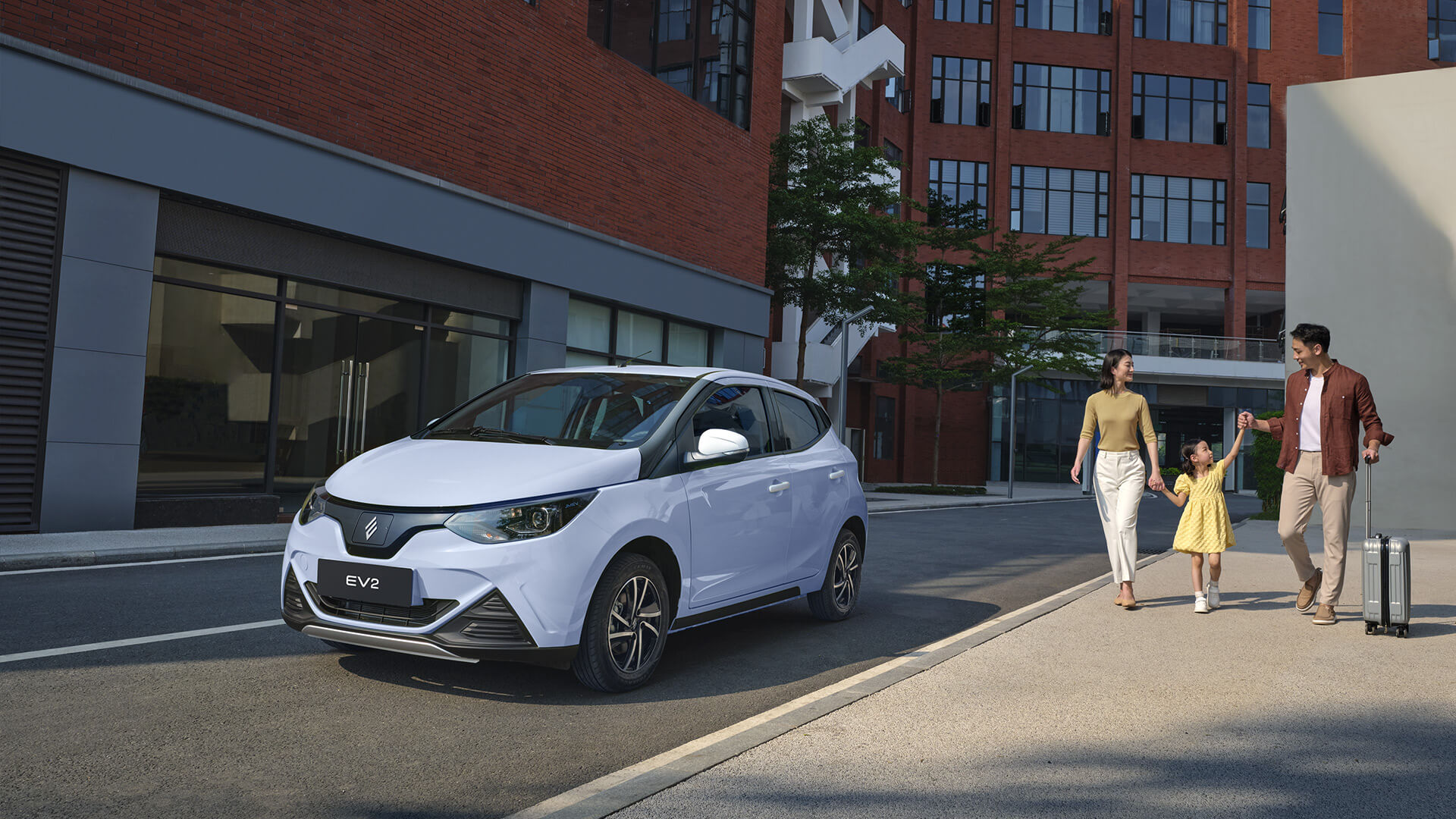
Goodbye expensive popular car: electric vehicle for less than R$ 70,000 starts being sold in Brazil with a range of 200 km and targets those looking to escape gasoline.
-
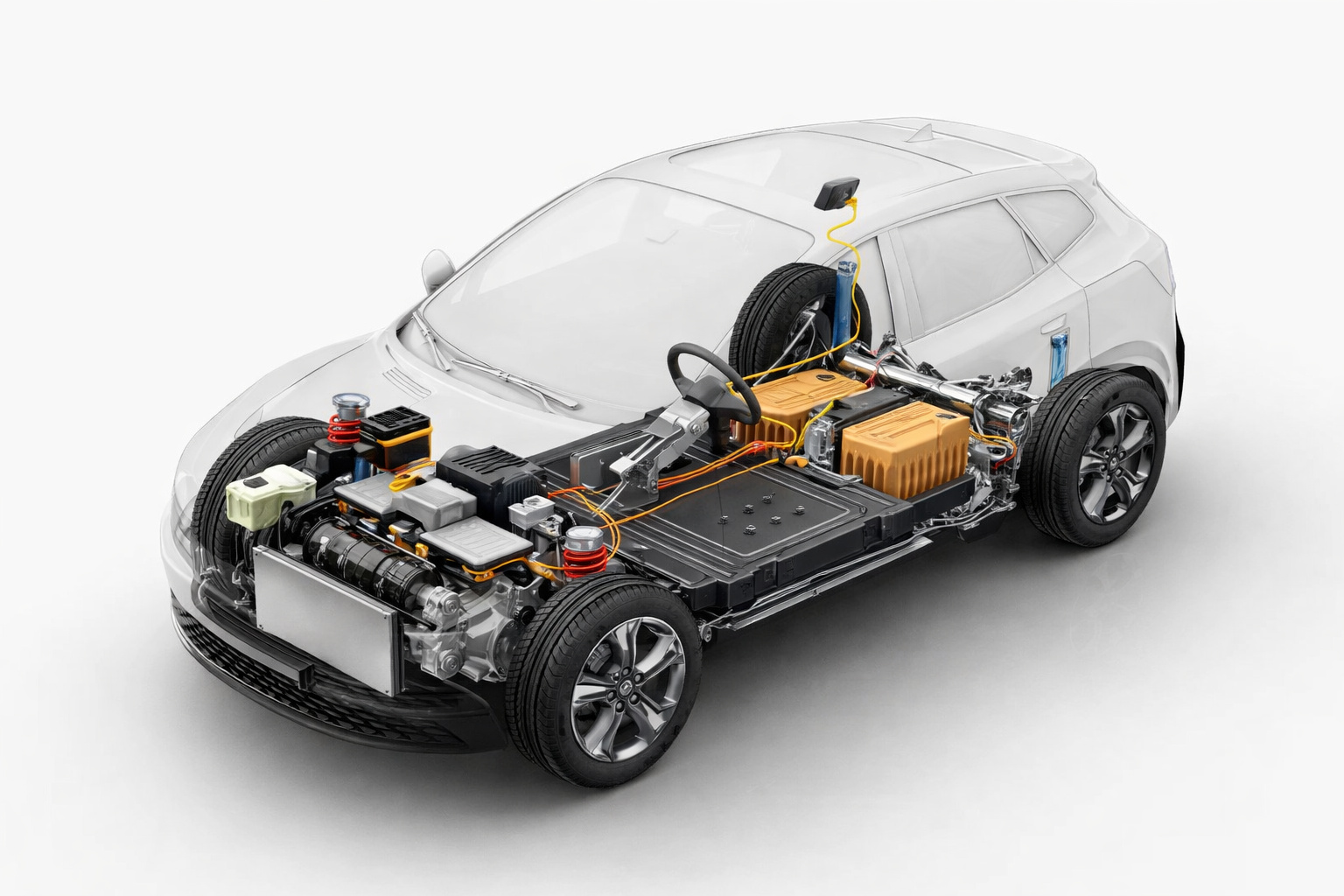
China Surprises Automotive Industry With Battery That Promises Electric Car Able to Run Up to 1,000 km Without Recharge
-
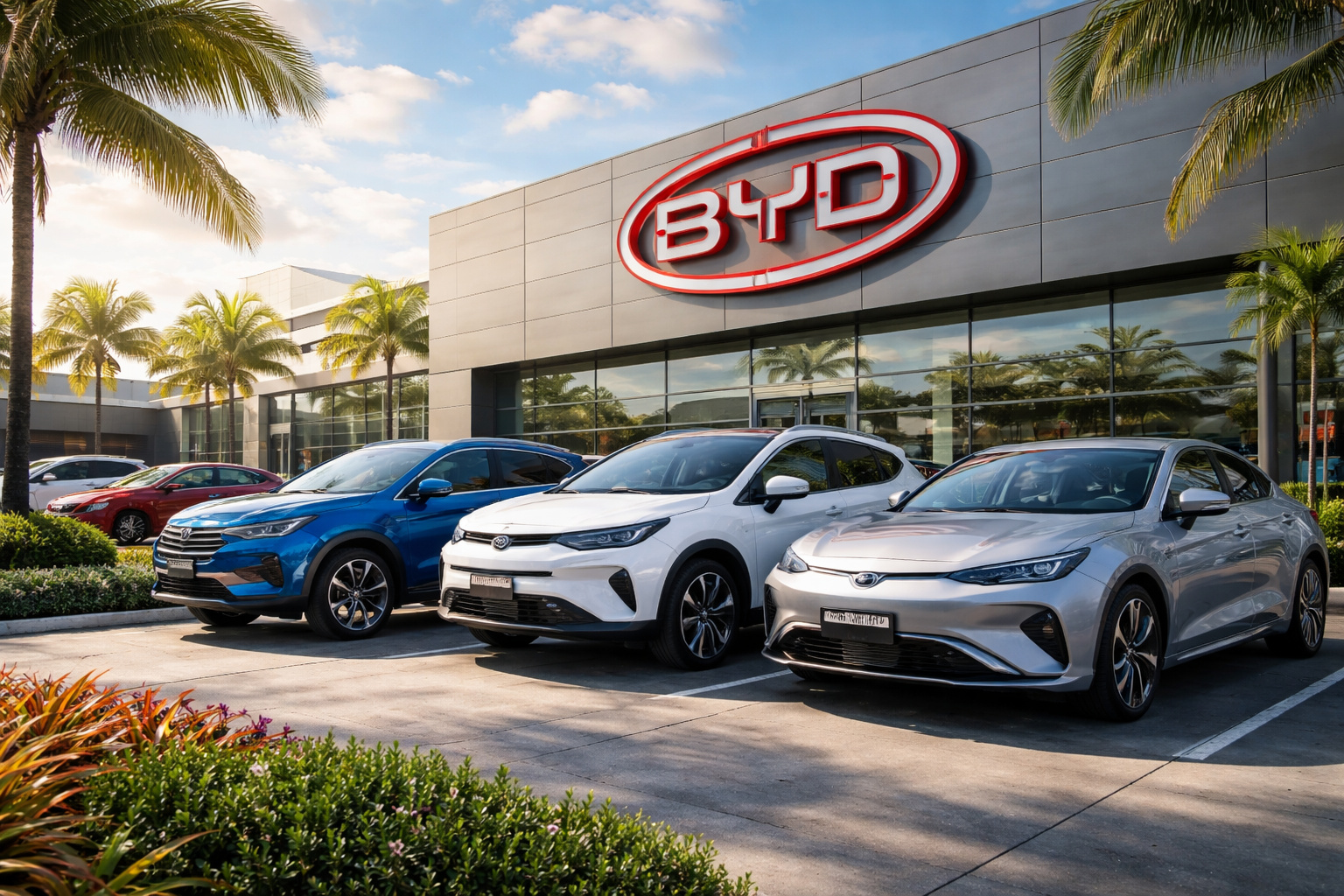
Why BYD Grew So Fast in Brazil and How Blade Batteries, Electric Cars, and Industrial Incentives Shaped This Expansion in the National Automotive Sector
-
Electric Cars Make Progress in Brazil in 2026 and Promise to Reduce Drivers’ Costs with Cheaper Energy, While Infrastructure Grows Slowly Across the Country



Performance Ensures Urban Autonomy
With a 65-horsepower engine, the Renault Kwid E-Tech performs well in urban traffic.
According to technical data released by Renault in May 2025, the model accelerates from 0 to 50 km/h in 4.1 seconds.
It reaches a maximum speed of up to 130 km/h.
Another point of emphasis is the autonomy of 185 km per full charge.
This information was confirmed by Renault’s engineering team.
Although it does not have the longest range, it is suitable for daily commutes in major urban centers.
Comparisons Reinforce Price Advantage
Other compact electric vehicles sold in Brazil maintain higher prices.
In July 2025, according to a survey, the Caoa Chery iCar starts at R$ 119,990.
The Neta Aya costs around R$ 128,900.
Meanwhile, the JAC E-JS1 reaches R$ 132,900.
To complete the picture, the BYD Dolphin Mini, the best-selling model, has a starting price of R$ 118,800.
This price is nearly R$ 20 thousand higher than the Kwid E-Tech.
Even with strong competitors, the Renault Kwid E-Tech stands out as an entry-level option.
It serves those wanting a brand-new electric vehicle with a lower investment.
This advantage is strategic for Renault.
The brand aims to expand its market share by the end of 2025.
This goal was announced by the Brazilian Electric Vehicle Association (ABVE).
Improvement Prospects Maintain Interest
Even being a simpler model, additionally, the French brand confirms important enhancements for 2025.
Therefore, in an interview with AutoEsporte, Renault’s advisory stated that there will be visual and mechanical improvements.
Moreover, the company is continuously working to ensure greater efficiency and updated design.
Thus, the compact urban vehicle strengthens its competitive position in the national landscape.
In this way, it becomes the most economical starting point for those wishing to switch from combustion engines to electric energy.
Therefore, those looking for an electric car in 2025 may consider the Kwid E-Tech a viable alternative.
With this, it delivers on its promise: clean mobility, affordable price, and fair autonomy.








-

2 pessoas reagiram a isso.