





 Portuguese
  English
  Spanish
  5 min of reading
  0 comments


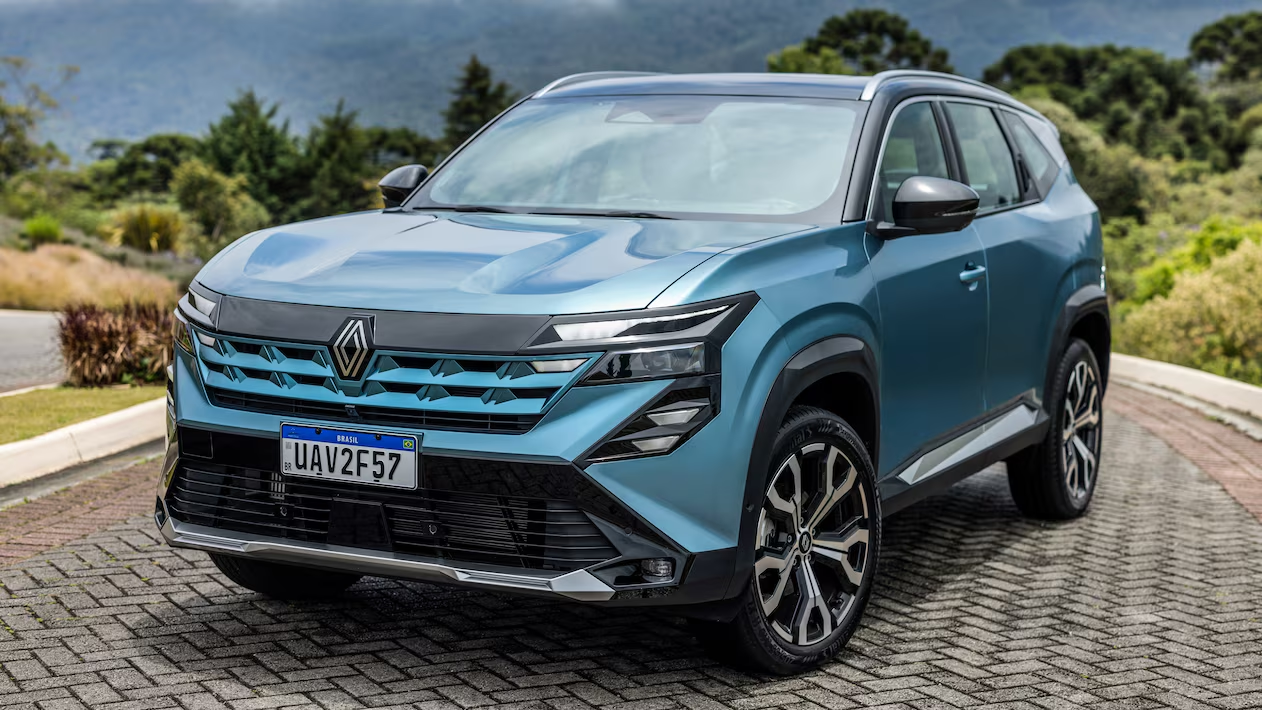
Renault Campaign Allows Used Smartphones to Be Part of the Negotiation in the Purchase of the Boreal SUV, with Specific Rules, Short Deadlines, and Limited Bonus, in Partnership with Fast Shop and Exclusive Focus on the Recently Released Model in Brazil.
The Renault Brazil launched a campaign that allows the use of used smartphones as part of the negotiation for the purchase of a brand new Boreal SUV.
The initiative offers a voucher of up to R$ 10,000 to be deducted from the vehicle’s price, which starts at R$ 179,990, according to values disclosed by the automaker.
This initiative is in partnership with Fast Shop and is valid from January 19 to 30, with specific rules for participation.
-
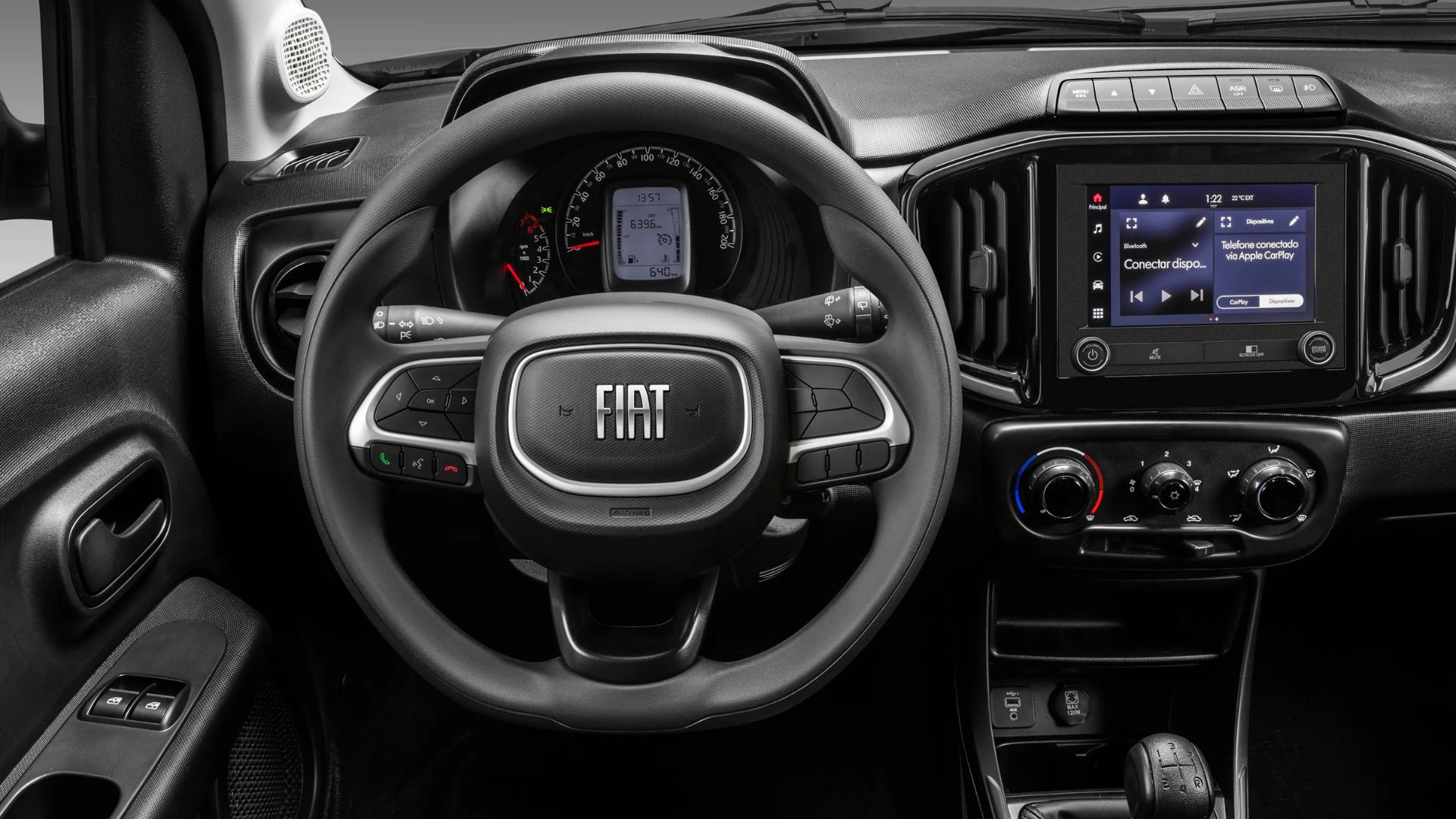
With a 1.0 engine producing 75 hp and costing less than R$ 70,000, Fiat’s car returns to the podium as the cheapest in the country; a temporary promotion for the 2026 Like version reduces the price of the Fiat Mobi.
-
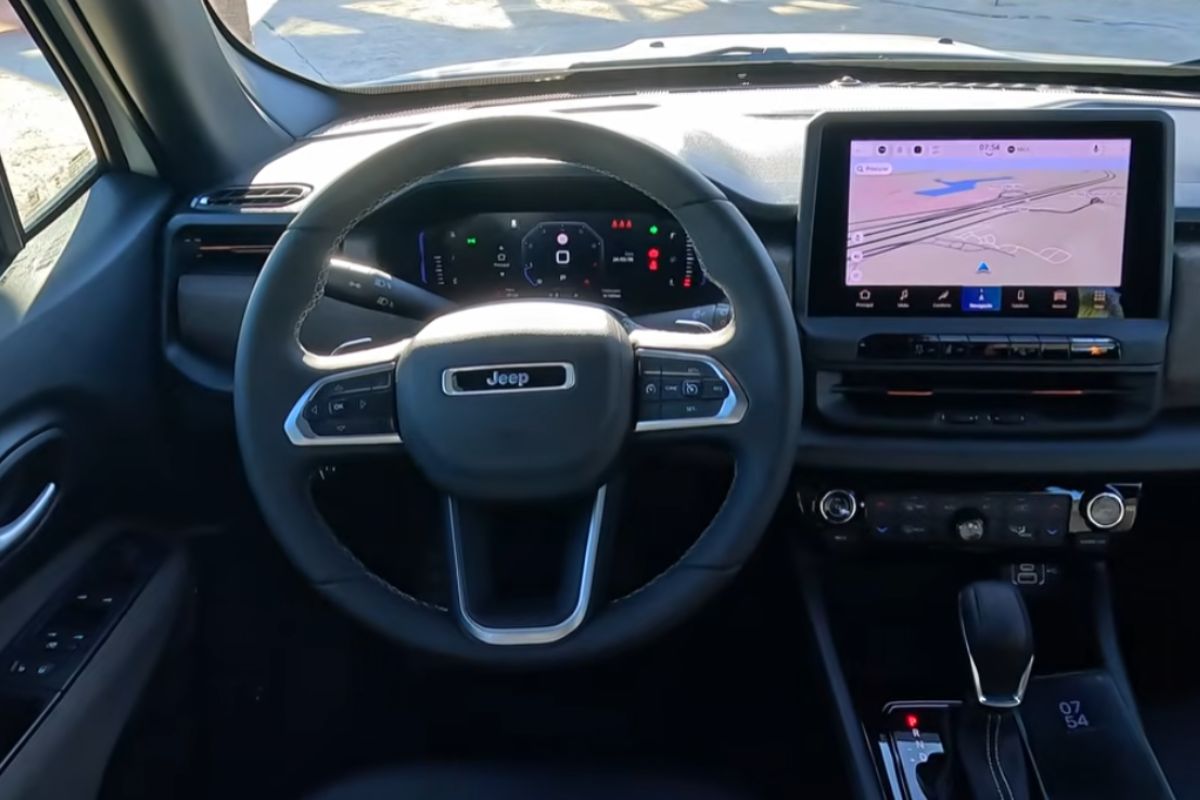
With a mild hybrid system of 48 V, 176 hp and a price of R$ 175,990 in the Sahara version, the new Jeep Renegade changes mostly on the inside, improves slightly in fuel consumption, and remains almost the same car.
-
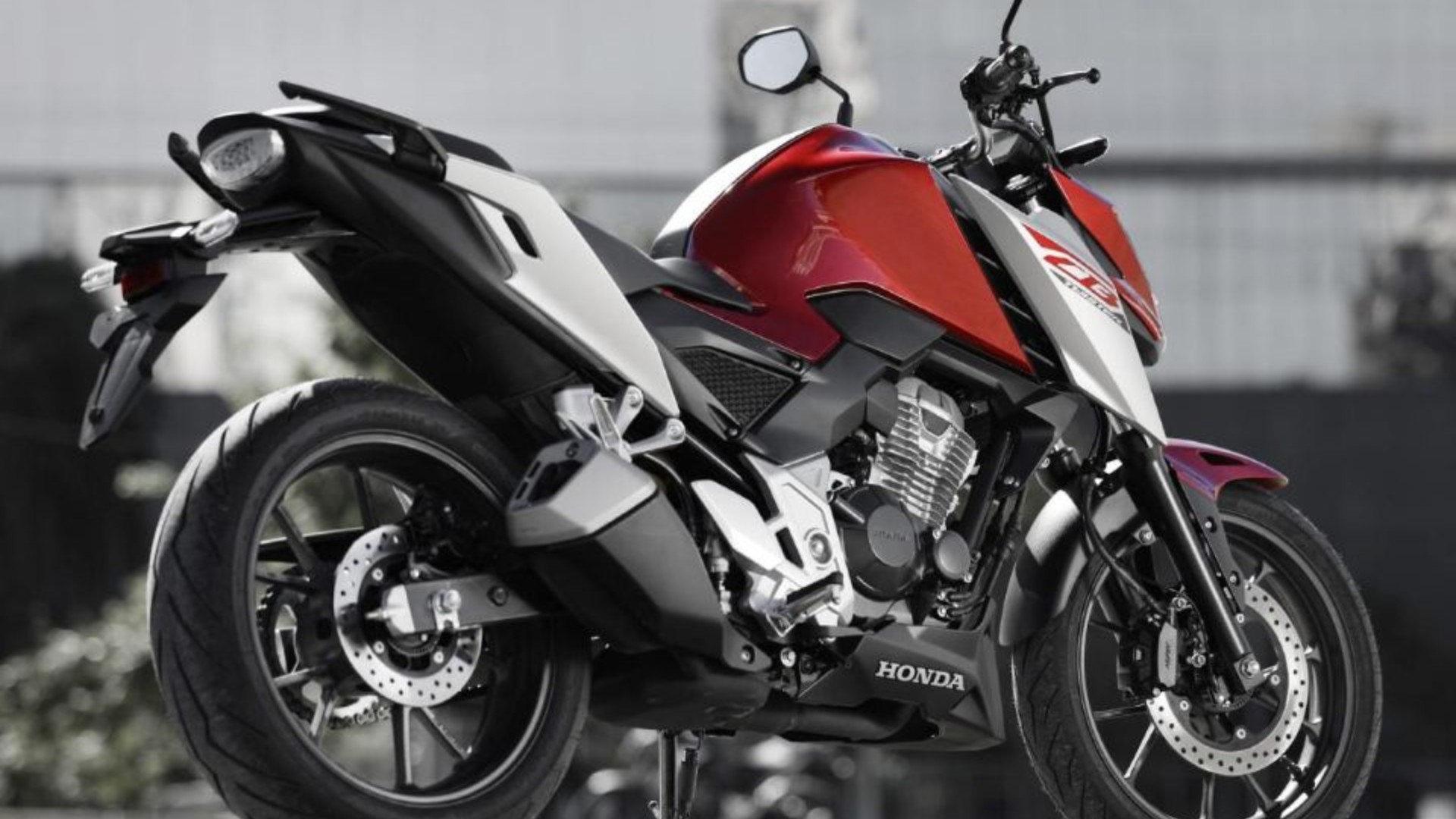
With a 293.5 cm³ engine and a range of up to 400 km with a 14.1-liter tank, the Honda CB 300F Twister 2026 has up to 24.7 hp, an initial price of R$ 25,150, and already exceeds R$ 29,000 in the Fipe Table.
-
With a 1.3 engine, nearly 700 km of range, and Turbo 200, the Fiat model surpasses Polo, Tera HB20, and Onix, becoming the best-selling car in March; see the numbers for the Fiat Strada and others.

According to Renault, the bonus does not correspond to the direct payment for the device, but rather to the granting of a promotional credit.
After the delivery and approval of the smartphone, the consumer receives a voucher that must be used exclusively for the purchase of the Boreal, within the stipulated timeframe and at participating dealerships in the network.
How the Cellphone Exchange for Discount on the Boreal Works
The process starts with checking the smartphone’s eligibility on the official campaign website.
Only models listed in the regulations can be presented for evaluation.
Once this step is confirmed, the interested party must take the device to one of the participating Fast Shop stores, where the device undergoes an in-person technical analysis.
During this evaluation, criteria such as basic functionality, physical integrity, and the presence of essential items, such as screen, cameras, audio, and microphone, are verified.
According to the disclosed rules, the smartphone must be unlocked, have a minimum charge, and be accompanied by a receipt in the participant’s name.
After approval and the final delivery of the device, the customer receives a nominal voucher linked to their CPF, with no possibility of transfer.
Renault informs that there is no return of the smartphone in the event of later cancellation of the vehicle purchase.
Voucher Deadline and Campaign Restrictions
Although the receipt of smartphones is allowed until January 30, the voucher has a shorter validity period.
The credit can only be used between January 19 and February 2, after which it automatically expires.
Another point highlighted in the regulations is that the benefit is not cumulative with other current promotions from the brand.
The voucher also cannot be applied to the purchase of other Renault models, being restricted to the Boreal.
Furthermore, the acceptance of the credit depends on the dealership’s participation in the campaign, which limits use to certain cities.
The list of eligible smartphones includes both older models, with reduced market value, and top-tier devices currently on sale in the country.
However, the definition of the bonus does not vary according to the delivered model, as the announced maximum value is fixed.
Renault Boreal in the Brazilian Market

The Boreal was officially launched in Brazil in October and marks Renault’s entry into the medium SUV segment produced locally.
The model is manufactured at the Ayrton Senna Complex in São José dos Pinhais, Paraná, where the development of the vehicle was also concentrated.
According to the automaker, the Boreal was designed to compete in the market with models such as the Toyota Corolla Cross, Jeep Compass, and Volkswagen Taos.
The lineup consists of three versions, with prices ranging from R$ 179,990 to R$ 214,990, depending on the chosen configuration.
In institutional communications, Renault also informs that the Boreal received the title of Car of the Year in an automotive sector award, a title used as promotional leverage for the model.
Engine, Transmission, and Performance of the SUV
All versions of the Boreal use the 1.3 TCe turbo flex engine, with a declared power of up to 163 horsepower and torque of 27.5 kgfm.
The setup is combined with a wet dual-clutch automated transmission with six gears, already known from other models of the brand in the Brazilian market.
According to official data, the SUV accelerates from 0 to 100 km/h in 9.5 seconds and has an electronically limited maximum speed of 180 km/h.
Fuel Consumption According to Inmetro
In the Brazilian Vehicle Labeling Program, the Boreal shows consumption of 11.2 km/l in the city and 13.6 km/l on the highway with gasoline.
With ethanol, the reported figures are 7.8 km/l in urban cycle and 9.4 km/l on the highway.
These data are included on the Inmetro label and are the values officially used by the manufacturer for model promotion.
Dimensions, Trunk, and Design
The Boreal measures 4.56 meters in length, 1.84 meters in width, 1.65 meters in height, and has a 2.70-meter wheelbase, according to specifications disclosed by Renault.
The trunk has a declared capacity of up to 586 liters, depending on the adopted measurement criterion.
In terms of design, the SUV follows the brand’s latest visual identity, with full LED headlights and a lighting signature in a “Y” shape.
In higher versions, there is a two-tone painted roof and taillights connected by an illuminated strip.
Safety Equipment and Assistances
From the base version, the Boreal offers six airbags, disc brakes on all four wheels, electronic parking brake with auto-hold function, and parking sensors.
Starting from the intermediate version, the model includes advanced driving assistance systems, such as autonomous emergency braking, adaptive cruise control, and blind-spot monitoring.
In the top-line configuration, Renault reports the presence of up to 24 electronic assistances, including a rearview camera with 360º vision and automatic maneuvering assistance features.
With a campaign that incorporates used electronics as part of the negotiation and well-defined rules for granting the benefit, the initiative opens up space to discuss new commercial strategies in the Brazilian automotive market and their potential impacts on the sales of new vehicles.







-

2 pessoas reagiram a isso.