





 Português
  Inglês
  Espanhol
  3 min de leitura


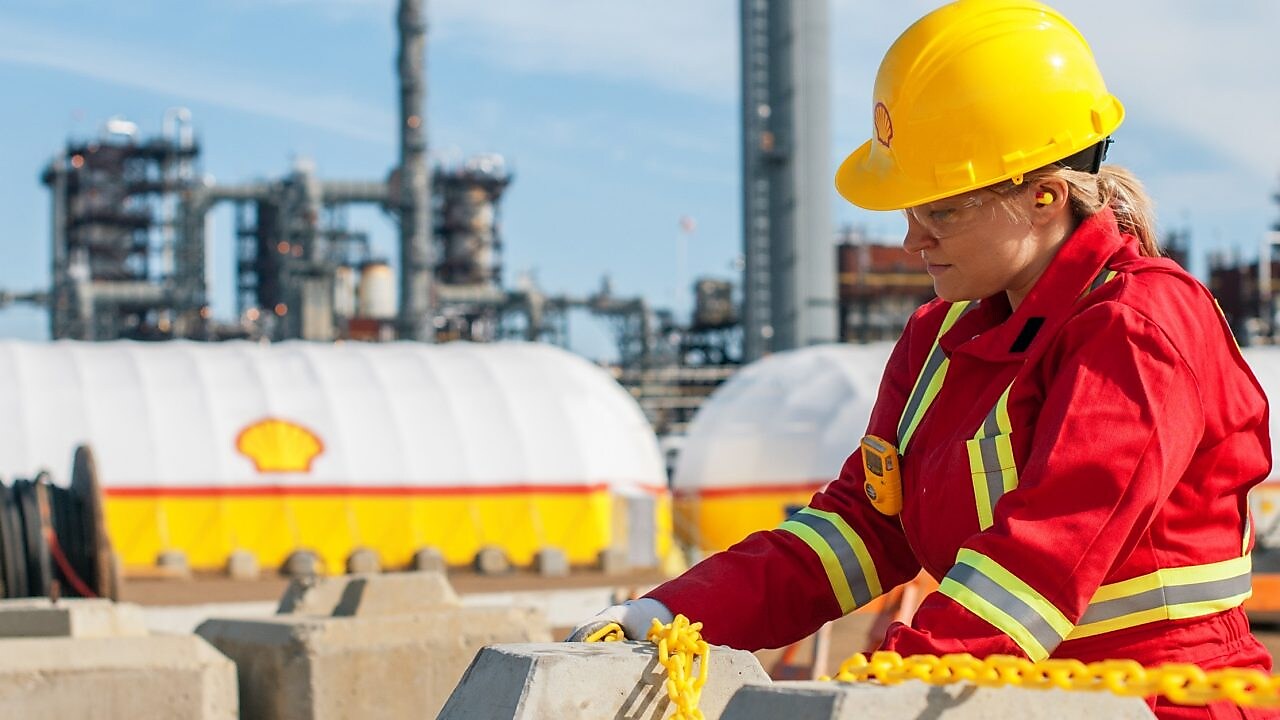
Christian Iturri, President of Shell Energy Brazil, Highlights That Clean Energy and Natural Gas Are Major Opportunities for Brazil.
Despite this, Iturri points out that it is necessary to increase competition to develop the market and enable high investments. Shell has been expanding its investments in renewable energy sources and created a branch for solutions beyond oil.
Clean Energy: Shell Energy Brazil’s Bet
Shell Energy Brazil announced a strong investment of R$3 billion in 2021, aiming to develop renewable energy sources. Among the initiatives are the development of solar and wind power plants in Minas Gerais, Bahia, and Paraíba. The Shell Energy Brazil unit has a project portfolio of approximately 4GW in solar projects.
Iturri emphasizes that there is a huge potential in Brazil for renewables such as solar and wind energy, but it is still necessary to develop and increase competition for these energy sources to be further explored. In the area of renewable energies, Shell has chosen Brazil as one of the four priority areas in the world, along with the United States, Northwestern Europe, and Australia.
-
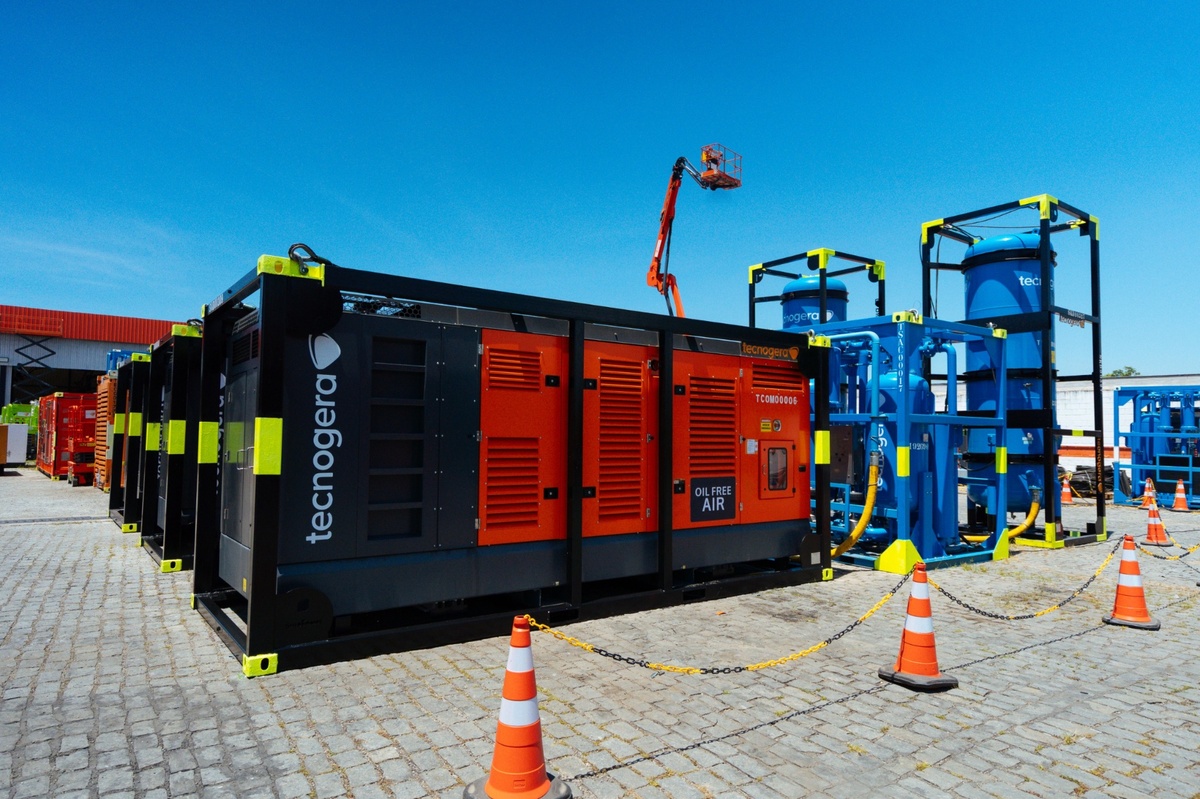
Offshore industrial demand in Macaé skyrockets with the recovery of oil and gas and could grow by up to 396% by 2026 in the Campos Basin.
-
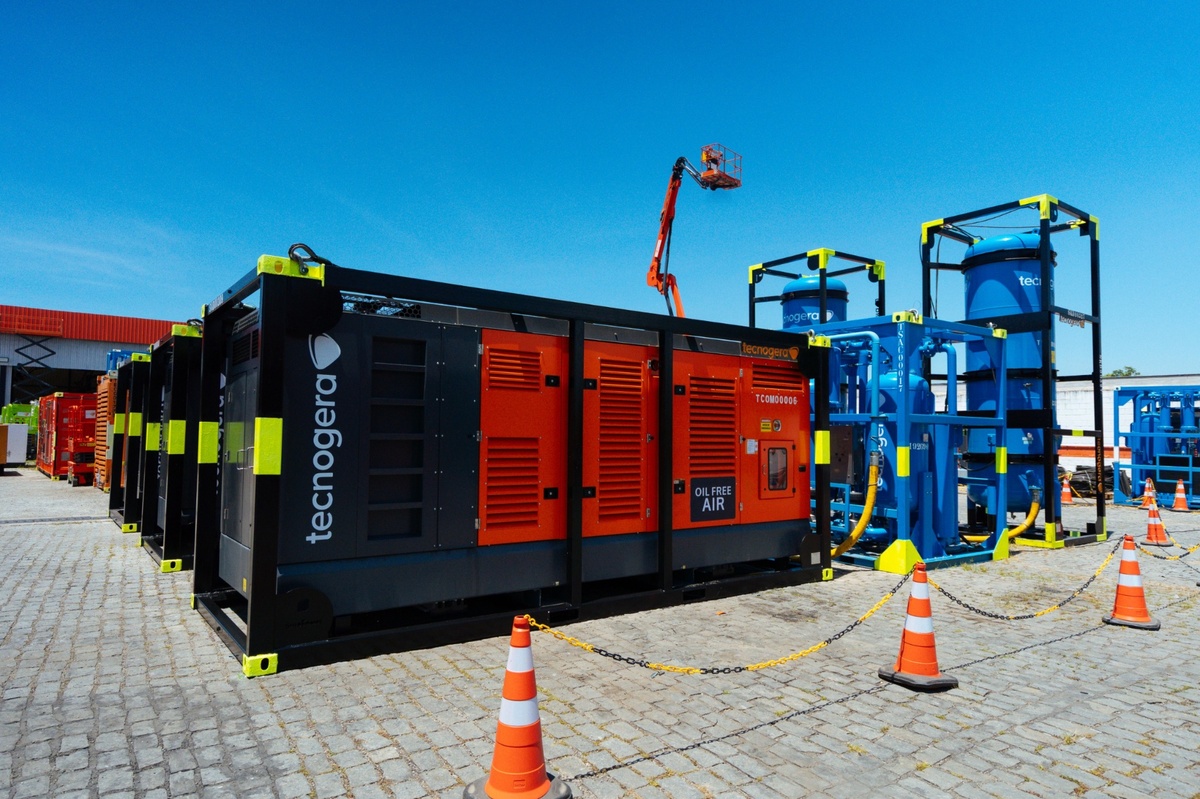
Offshore industrial demand in Macaé surges with the recovery of oil and gas and could grow by up to 396% by 2026 in the Campos Basin.
-
Renewable energy advances over protected areas in Brazil, and a survey by the Energy Transition Observatory reveals silent impacts that challenge environmental conservation and pressure sensitive traditional territories.

-
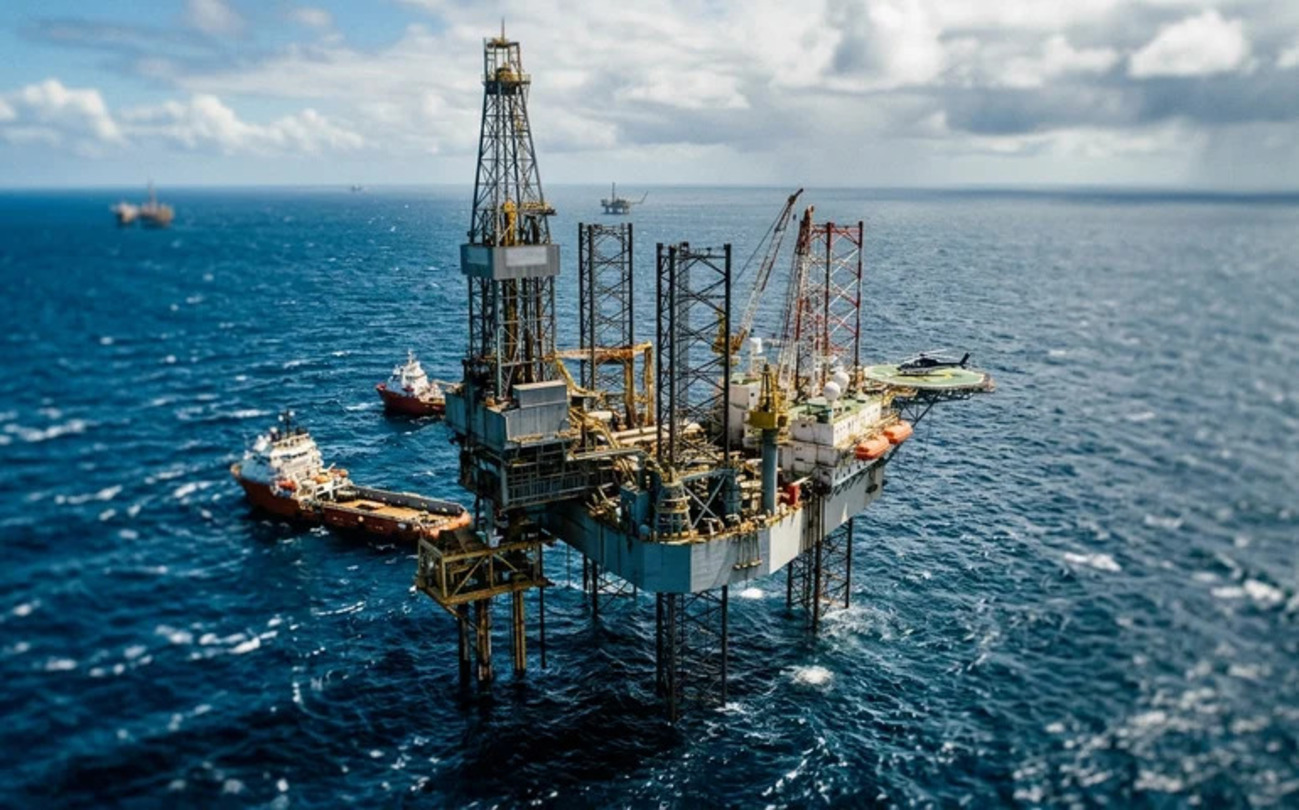
Brazilian giant expands borders in the Southeast: Petrobras confirms new oil discovery in ultra-deep waters in the pre-salt of the Campos Basin.

Offshore Wind
There is great potential in offshore wind energy in Brazil, however, it is necessary to finalize the regulatory framework for this energy. Recently, Shell requested licenses for the development of 17GW of offshore wind energy distributed across six states: Piauí, Ceará, Rio Grande do Norte, Espírito Santo, Rio de Janeiro, and Rio Grande do Sul. Offshore wind has the advantage of being able to have larger plants compared to onshore wind.
Natural Gas: Largest Producer After Petrobras
Despite the increase in renewable energies, Shell maintains strong investment in natural gas in Brazil. Shell Energy is the largest producer of natural gas after Petrobras in the country. The company does not rule out investing in underwater pipelines to increase the capacity to transport gas from the pre-salt, aiming to optimize the infrastructure.
Challenges in the Gas Market
The natural gas market recently underwent an opening, generating the possibility of choice for consumers according to their needs. The challenges lie in the high fixed costs arising from the production and treatment of this gas up to distribution, regardless of the price of the molecule. The increased utilization of assets depends on greater market openness to generate more competition and thus allow price reductions.
The opening of the natural gas market is still limited in Brazil, and it is necessary to develop competition along the chain. The goal is to encourage the increased utilization of assets to lower prices. Moreover, the harmonization of rules would greatly facilitate the growth of the domestic market.
Outlook for Energy in Brazil
Shell is attentive to new sources of energy emerging in the market, such as green hydrogen. The company invested R$ 600 million in research and development in 2022. In the natural gas market, Shell wants to be one of the largest traders with Petrobras. Regarding electricity, the company expects rapid growth aligned with the expansion of renewable energies in Brazil.









Seja o primeiro a reagir!