





 Portuguese
  English
  Spanish
  3 min of reading
  0 comments


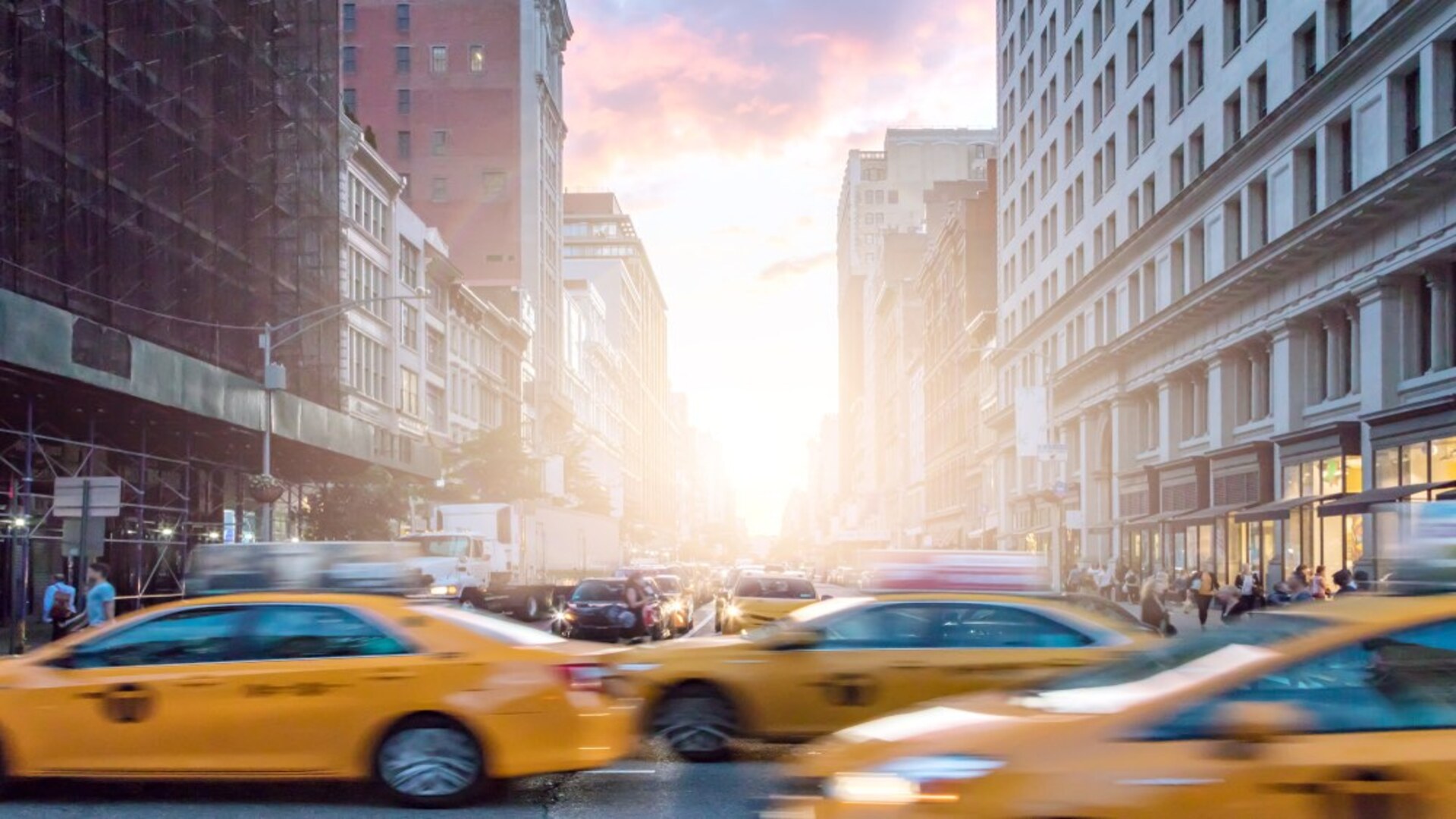
Thermal energy dissipated by vehicles affects the urban microclimate and increases the demand for cooling in large metropolises.
A study conducted by researchers at the University of Manchester revealed that the heat dissipated by internal combustion engines directly contributes to the warming of urban areas.
The phenomenon, described as “invisible heat”, can raise the temperature of cities by up to 0.35 °C during peak hours. This thermal impact occurs independently of greenhouse gas emissions and the traditional heat island effect.
The survey used advanced climate modeling and traffic data to quantify the thermal energy released by fossil fuel-powered vehicles. The scientists identified that the heat dissipation from exhaust systems and radiators immediately warms the surrounding air on public roads. The discovery highlights the need to consider the invisible heat from cars as a relevant factor in urban planning and environmental public health policies.
-
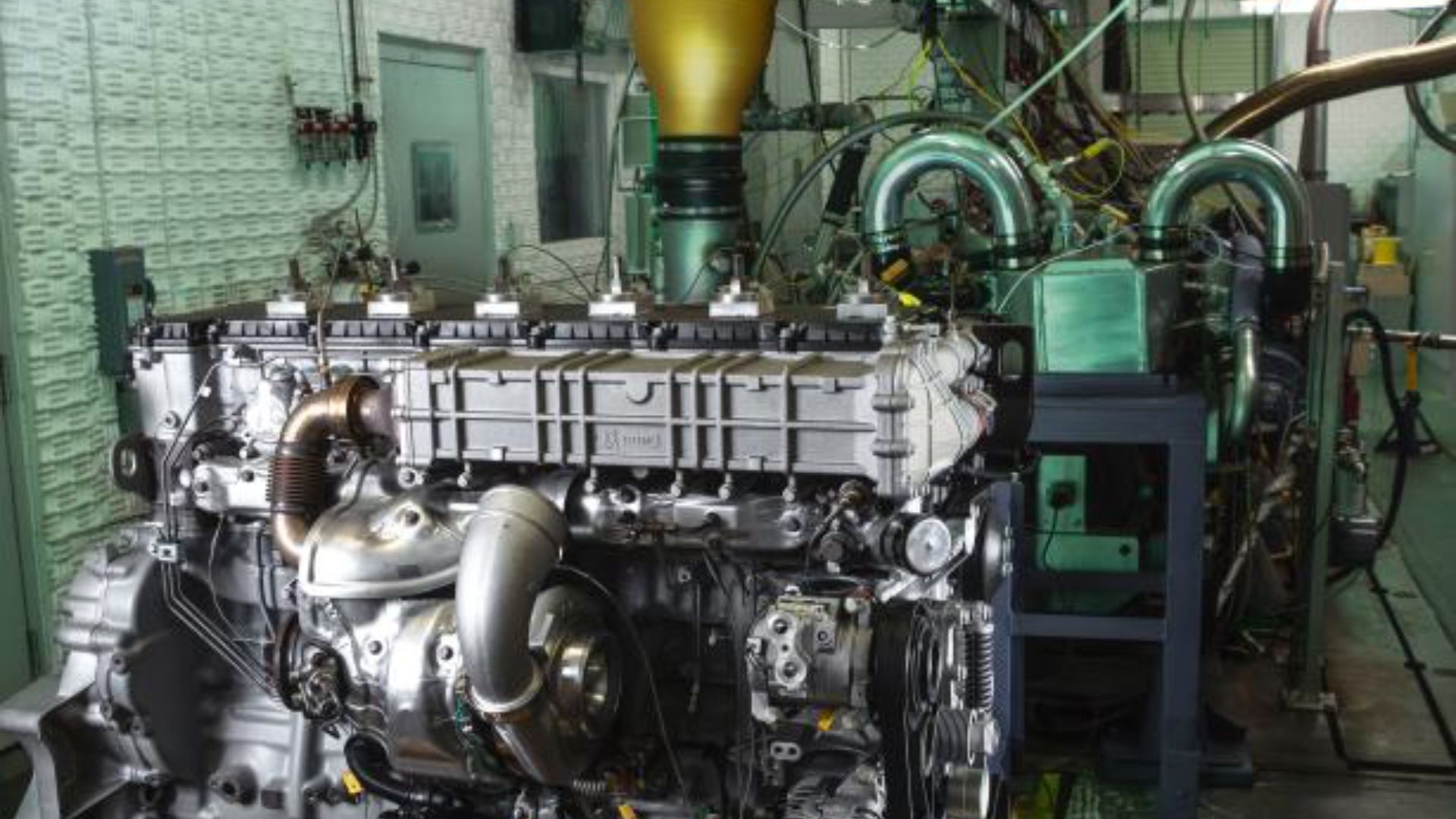
Researchers convert plastic waste into fuel with high thermal efficiency and a 60% yield in gasoline.
-
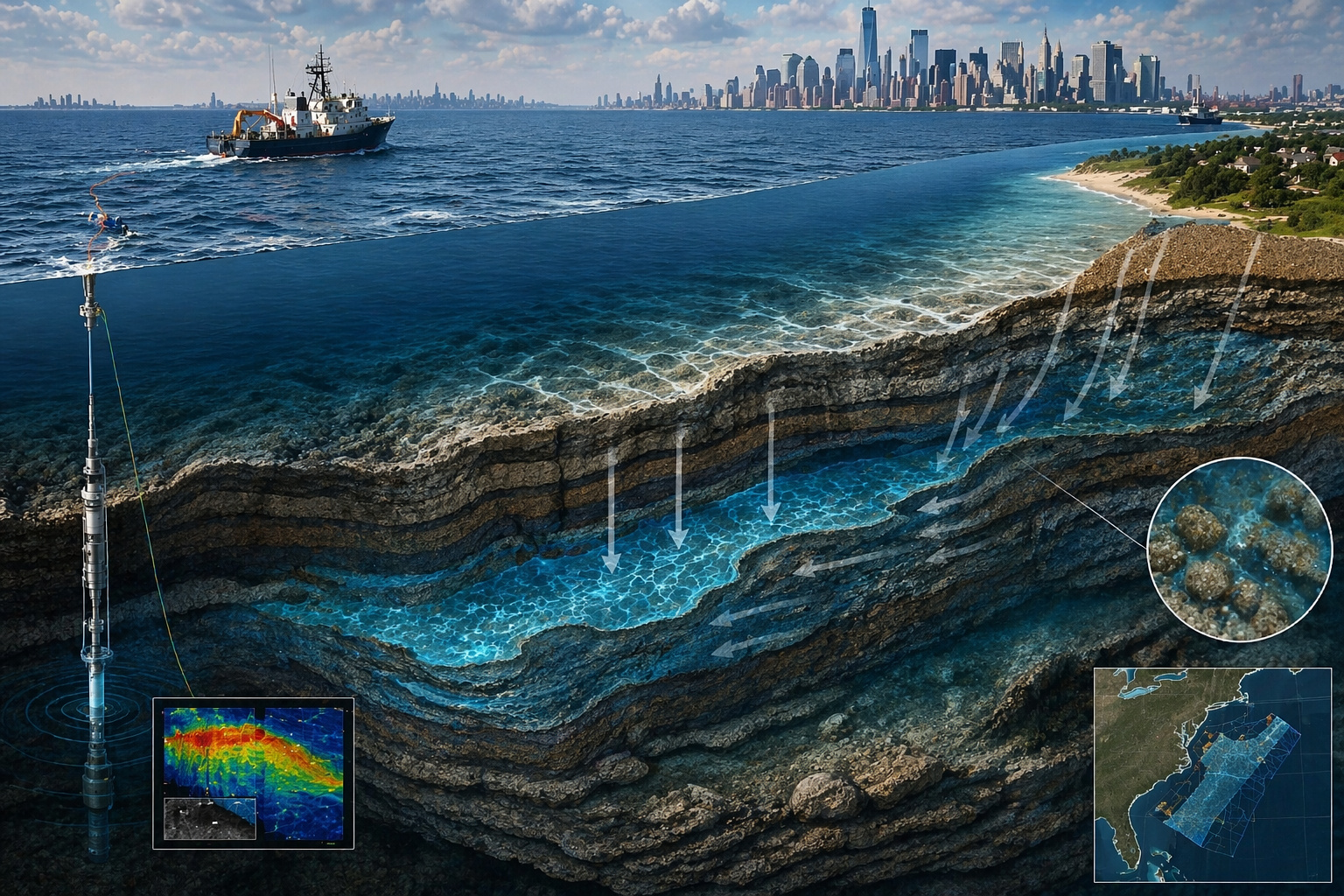
A true “invisible ocean” of fresh water has been found beneath the Atlantic and could sustain a metropolis like New York for centuries while challenging everything that was known about natural water reserves on the planet.
-
The Blood Falls of Antarctica hide a living ecosystem trapped under the ice for over 2 million years, where microbes survive without light, without oxygen, and without ever having seen the Sun.

-
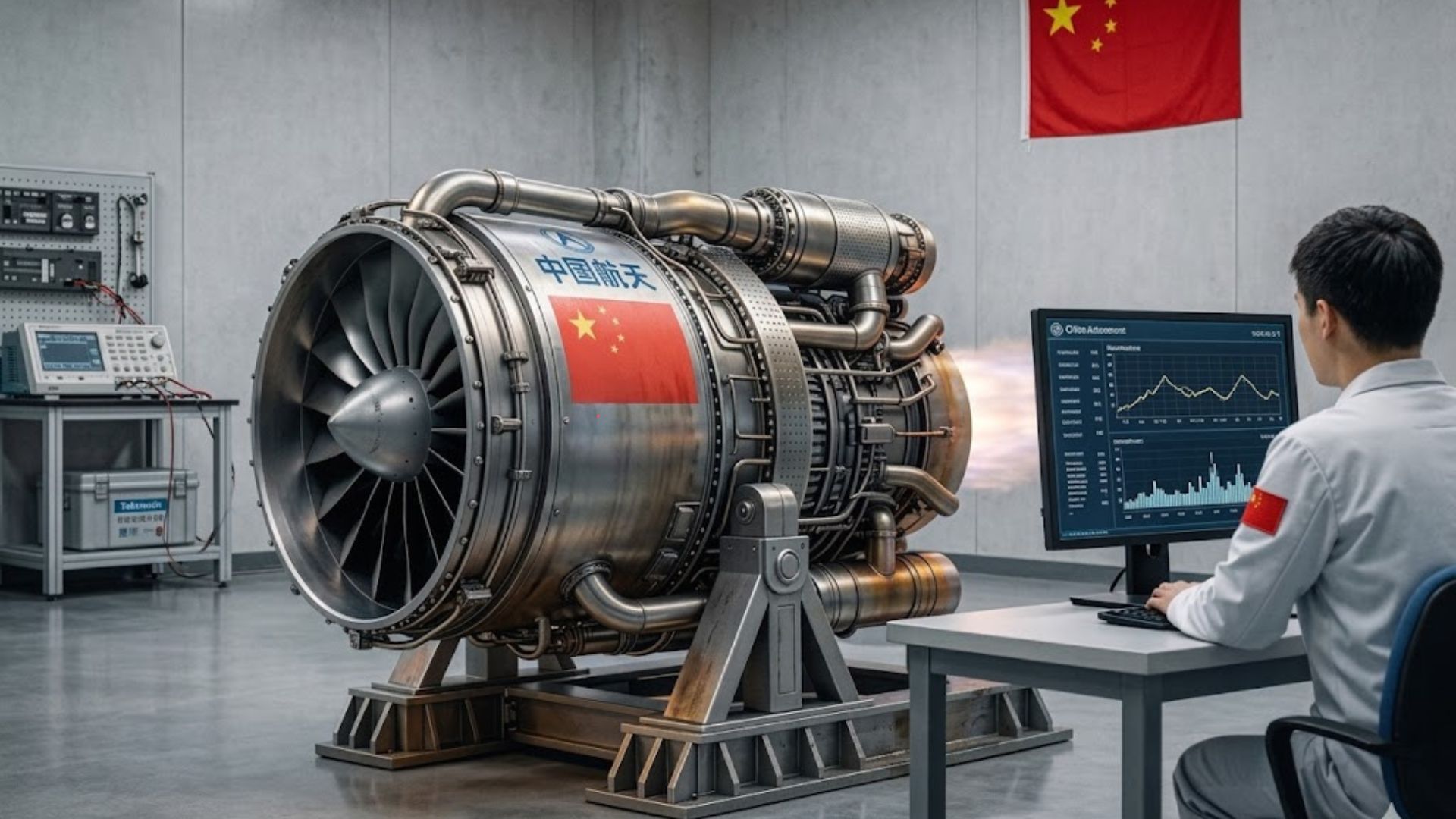
While the U.S. still faces limitations in deep space, China is developing unprecedented technology with strategic satellites that maintain communication with the far side of the Moon and aims for dominance by 2030.

Thermal dynamics in urban centers
The research details that the temperature increase is not uniform, concentrating mainly in urban canyons where air circulation is limited by tall buildings.
In these areas, the invisible heat from cars is trapped close to the ground, intensifying thermal discomfort for pedestrians and local residents. During periods of congestion, the constant release of thermal energy transforms the avenues into active sources of atmospheric heating.
Unlike long-term global warming, this impact is localized and varies according to traffic density throughout the day. The study points out that in cities with a large vehicle fleet, the invisible heat from cars can be the determining factor for breaking local temperature records. The energy wasted by engines, which is not converted into movement, ends up being transferred to the environment in the form of sensible heat.
Impacts on infrastructure and energy
The thermal increase caused by the invisible heat from cars generates a cascading effect that overloads other urban systems. With warmer air on the streets, the demand for air conditioning in commercial and residential buildings tends to increase significantly.
This results in higher electricity consumption, highlighting how the residual heat from transportation undermines the overall energy efficiency of large metropolises.
Mathematical models indicated that even small fractions of a degree Celsius have climatic relevance on a micro scale. The presence of invisible heat from cars hinders the nighttime cooling of cities, a process essential for mitigating the effects of heat waves.
The current urban structure, often composed of heat-retaining materials like asphalt, ends up enhancing the retention of this energy released by vehicles.
Alternatives and technological mitigation
The transition to electric mobility is pointed out by Manchester researchers as a direct solution to reduce the problem. Electric motors are considerably more efficient and dissipate a minimal amount of thermal energy compared to combustion models. The elimination of invisible heat from cars could, therefore, help stabilize urban temperatures and reduce dependence on artificial cooling systems.
In addition to electrification, improvements in urban planning, such as increasing green cover and creating ventilation corridors, are recommended strategies.
These measures would help disperse the invisible heat from cars more effectively, reducing the thermal impact on the population. The study reinforces that understanding urban thermodynamics is crucial for developing more resilient and livable cities in the face of contemporary climate challenges.
Click here to access the study.







Seja o primeiro a reagir!