





 Portuguese
  English
  Spanish
  3 min of reading
  0 comments


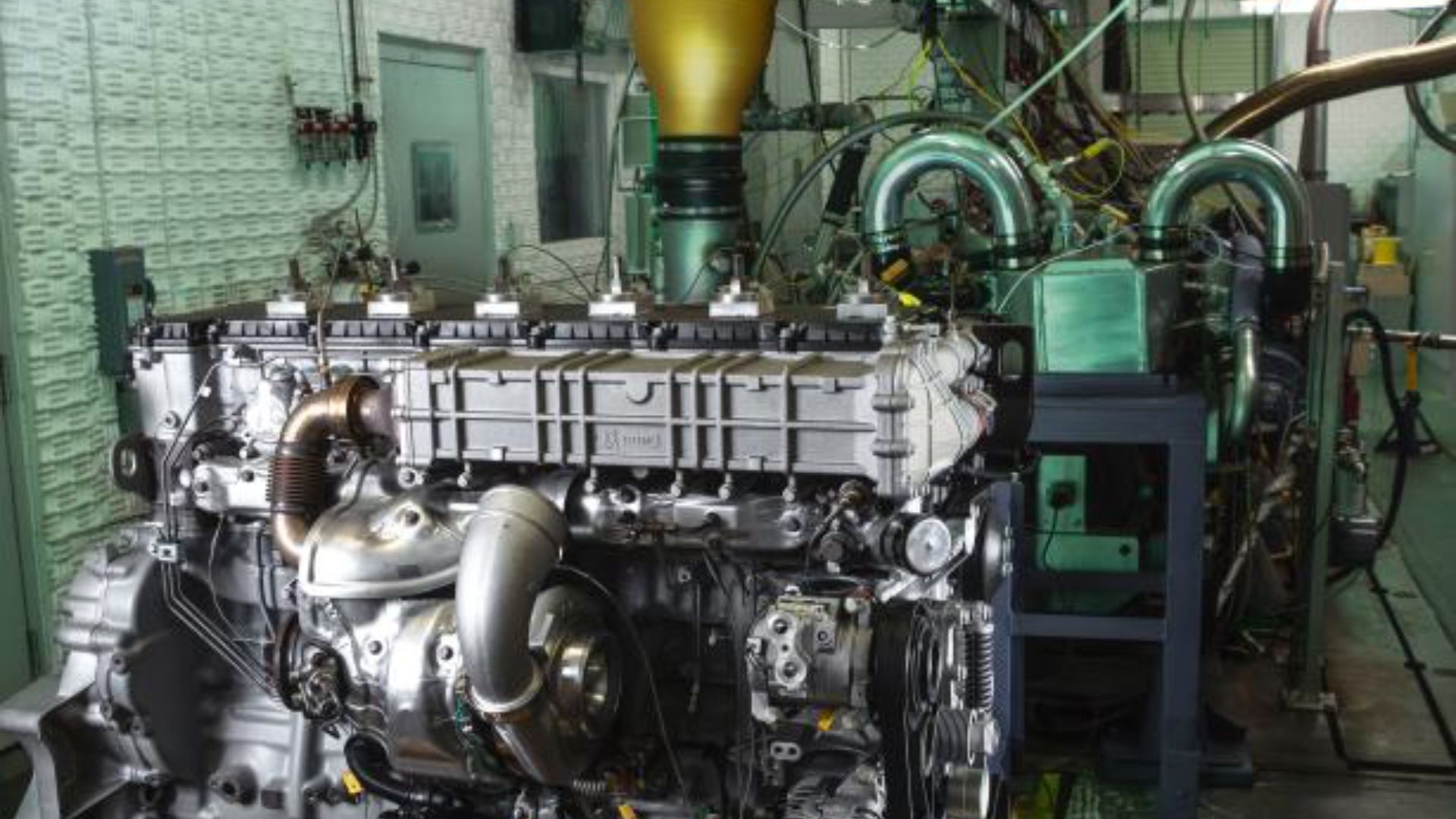
Chemical process at low temperatures allows for the reuse of discarded plastics for energy production.
Researchers at the University of Delaware in the United States have developed an innovative method capable of converting plastic waste into high-quality liquid fuel using moderate temperatures. The chemical process achieves a yield of 60% gasoline when operating at 200°C (392°F), a significantly lower mark than conventional thermal technologies.
The technique focuses on the transformation of polyolefins, plastics widely used in packaging and bottles that are typically difficult to recycle mechanically without loss of value.
By converting waste plastics into fuel, scientists provide an alternative to reduce the accumulation of waste in landfills and oceans. The study was conducted by the university’s Plastic Innovation Center and recently published in specialized scientific journals.
-
A true “invisible ocean” of fresh water has been found beneath the Atlantic and could sustain a metropolis like New York for centuries while challenging everything that was known about natural water reserves on the planet.

-
The Blood Falls of Antarctica hide a living ecosystem trapped under the ice for over 2 million years, where microbes survive without light, without oxygen, and without ever having seen the Sun.

-
While the U.S. still faces limitations in deep space, China is developing unprecedented technology with strategic satellites that maintain communication with the far side of the Moon and aims for dominance by 2030.

-
China surprises the world by developing an engine that operates from takeoff to over Mach 6 using a counter-rotating compressor and shock waves to reduce weight and revolutionize hypersonic aircraft.
Catalysis technology and energy efficiency
The major differentiator of this research is the use of a ruthenium and carbon catalyst, which efficiently accelerates the breakdown of plastic molecular chains. Unlike traditional pyrolysis, which requires temperatures above 400°C, the new approach saves energy by operating at just 392°F. This thermal reduction makes the conversion of plastic waste into fuel much more economically viable for large-scale implementation.
The scientists explained that the catalyst acts like a “chemical scissors” that cuts long polymer molecules into smaller, uniform pieces.
This precise control allows most of the resulting material to be composed of liquid hydrocarbons suitable for combustion engines. In addition to gasoline, the process generates other byproducts that can be utilized by the petrochemical industry, optimizing the cycle of converting plastic waste into fuel.
Environmental impact and circular economy
The implementation of this technology aims to address the global problem of single-use plastics, which often lack efficient recycling channels. The method allows for the simultaneous processing of different types of plastics, eliminating the need for excessively rigorous manual sorting.
By transforming plastic waste into fuel, the system promotes a circular economy, where disposal becomes a valuable energy resource.
Experts involved in the project emphasize that the fuel produced has chemical properties identical to those of traditional fossil fuels. This means that the gasoline obtained from plastic waste can be used directly in the existing transportation infrastructure. The advancement represents an important step towards reducing dependence on virgin oil extraction, utilizing existing pollution as raw material.
Next steps for industrial scale
The research team is now working to refine the process and test the durability of the catalysts in continuous production cycles.
The goal is to ensure that the technology for converting plastic waste into fuel is robust enough to operate in urban waste treatment plants. Collaboration with industrial partners is being sought to accelerate the transition from laboratory tests to commercial reality.
Although the yield of 60% in gasoline is already considered a milestone, scientists believe that improvements in reactor design could further increase this efficiency. The ability to operate at 392°F remains the central pillar for keeping operational costs low.
With continued success, the transformation of plastic waste into fuel could become an essential tool in global solid waste management in the coming decades.
Click here to access the study.








Seja o primeiro a reagir!