





 Portuguese
  English
  Spanish
  3 min of reading


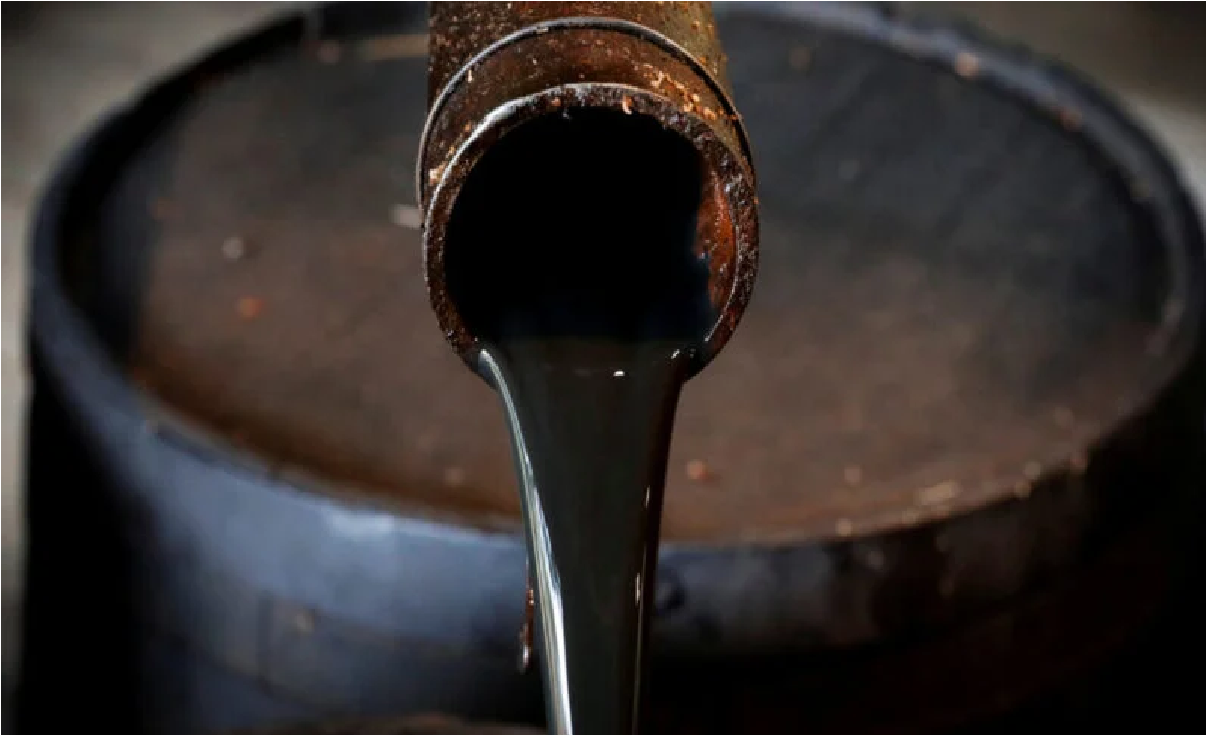
Russia Has Been Trying to Create Its Own Oil Benchmark for Over a Decade, and With the War in Ukraine and Western Sanctions, This Necessity Has Been Amplified
In the face of a series of sanctions imposed by the U.S. and its allies on oil coming from Russia due to the war in Ukraine, the Russian government decided to outline a plan for creating its own benchmark price for fuel in an attempt to circumvent the restrictions faced.
Under this perspective, Russia’s main ministries, domestic oil producers, and the country’s central bank aim to launch an oil trading platform in October, according to a document accessed by Bloomberg News.
Thus, Russia will attempt, according to the plan, to attract international partners to purchase oil through its new market, in order to achieve trading volumes large enough to establish a price reference between March and July of next year.
-
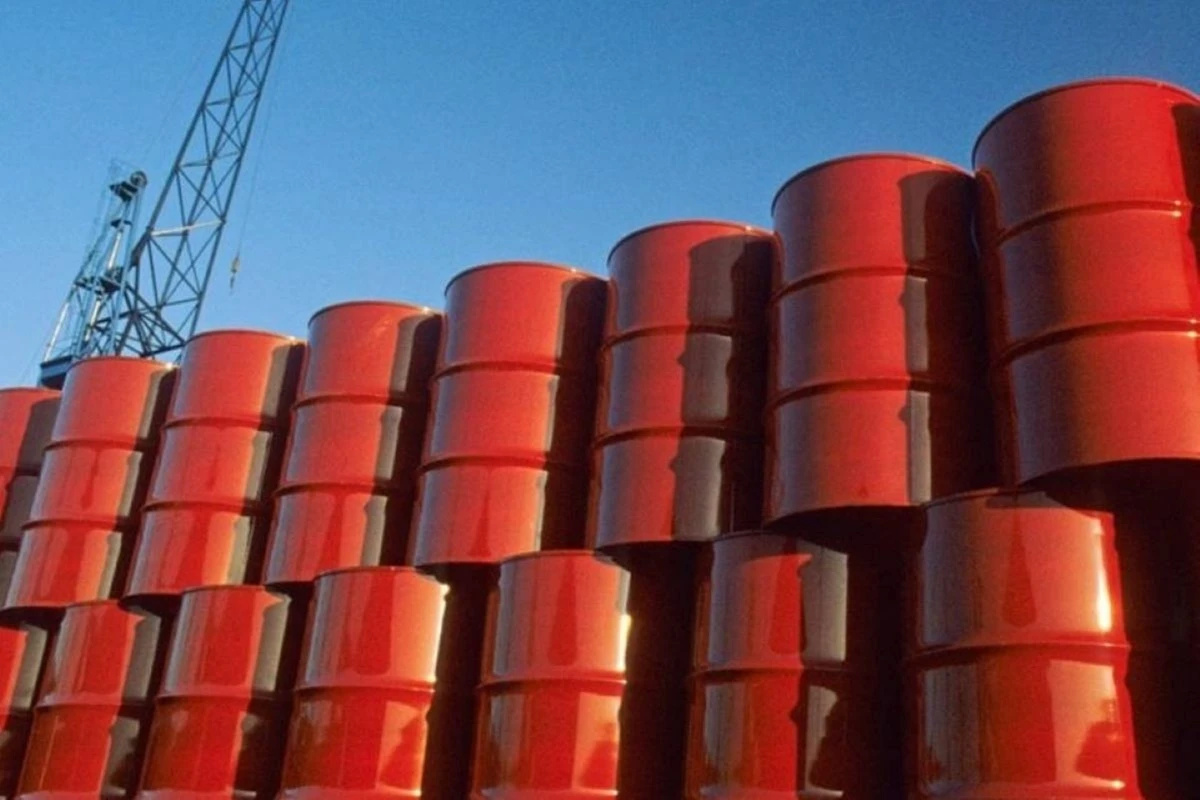
New escalation of tensions and oil crisis in the Middle East forces world powers to accelerate energy transition plans.
-
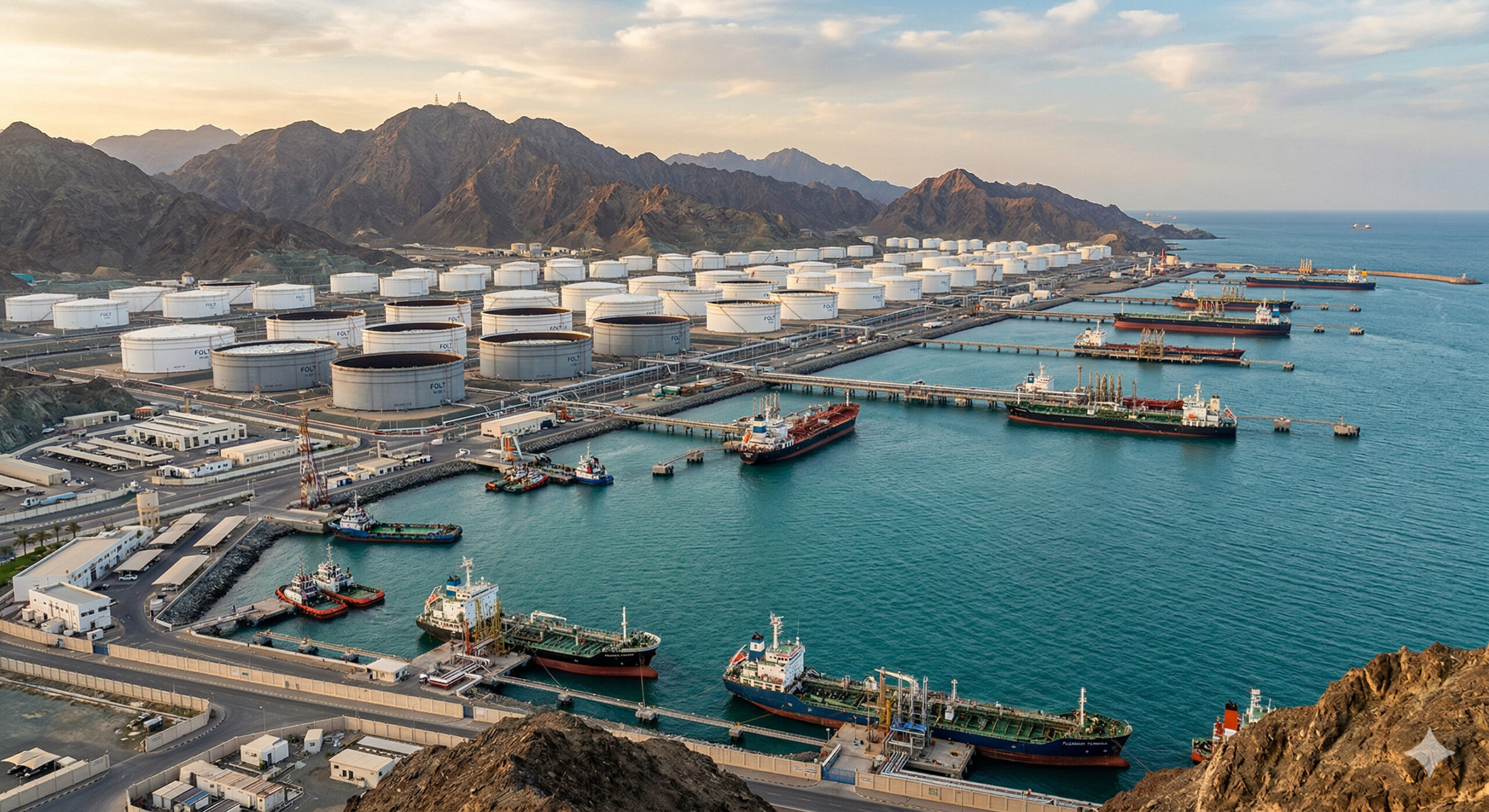
Giant reservoirs with a capacity of 18 million cubic meters have turned Fujairah into one of the largest energy vaults on the planet. This facility, located outside the Strait of Hormuz, stores oil on a colossal scale and has become a silent piece that supports the global flow of fuels.
-
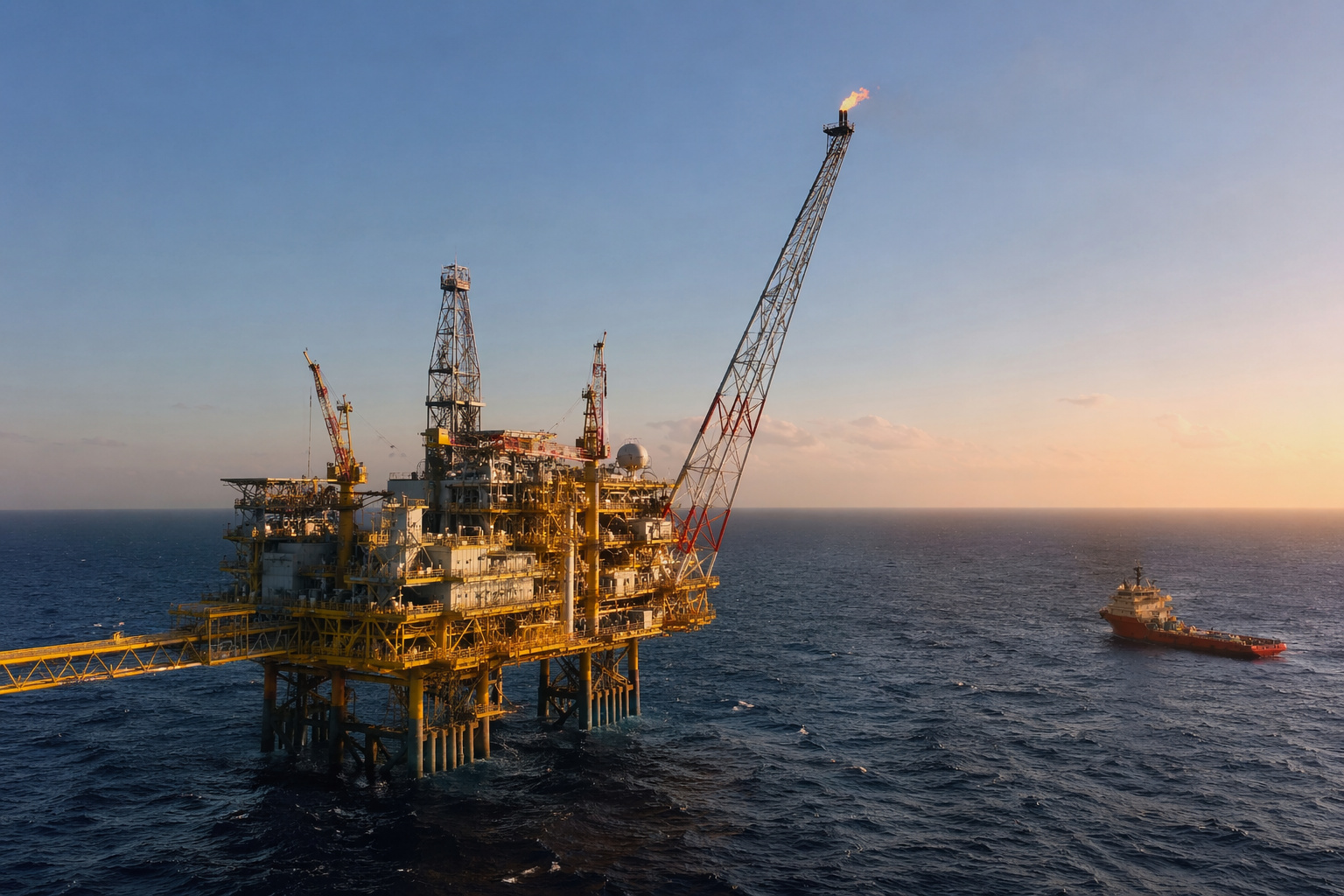
The next exploration auction in the pre-salt will offer 23 blocks in the Campos and Santos basins and may change the interest of oil companies in Brazil.
-
The next exploration auction in the pre-salt will offer 23 blocks in the Campos and Santos basins and could change the interest of oil companies in Brazil.
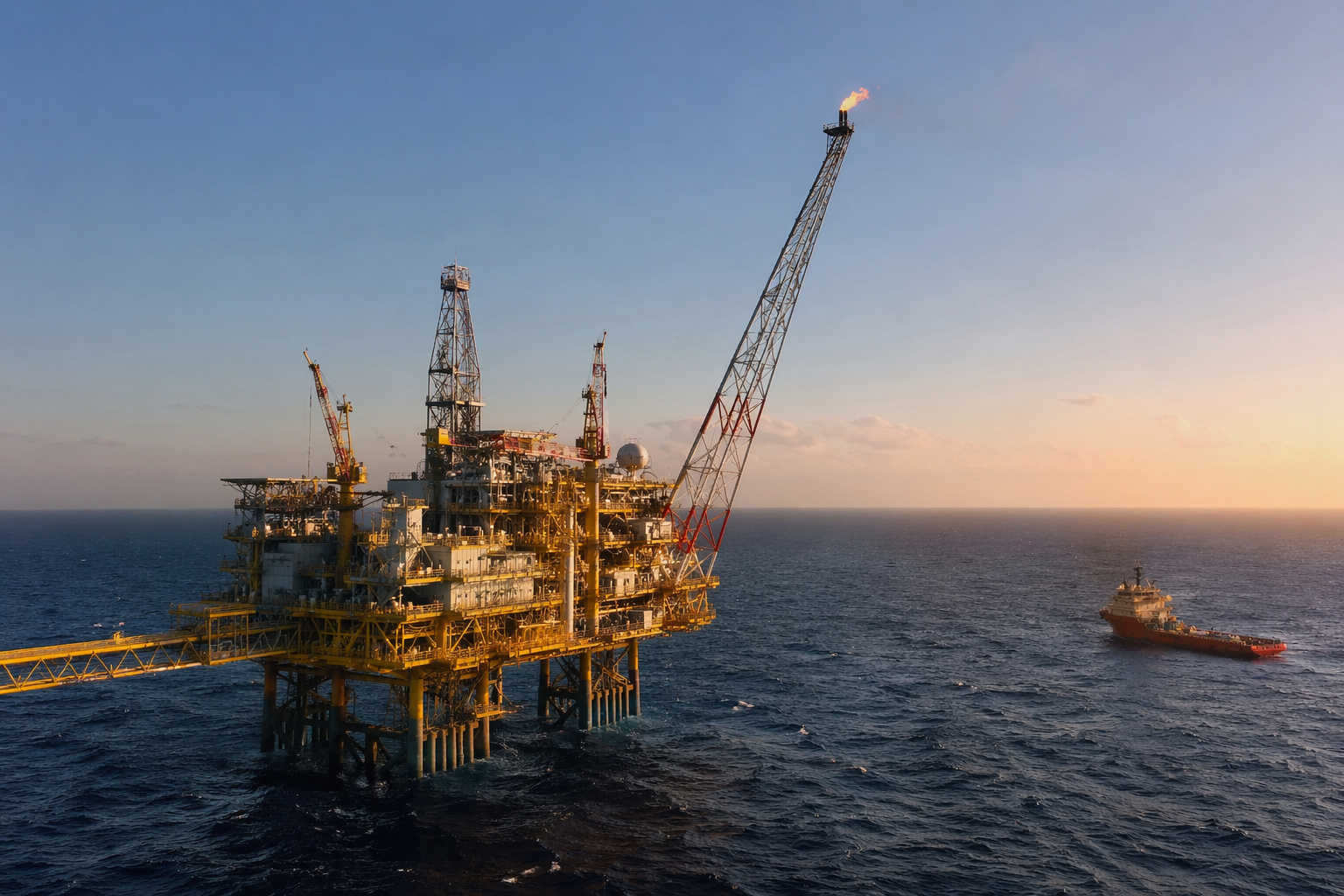
For over a decade, Russia has been making attempts to create its own oil benchmark, but little success has been achieved. In this sense, some of the country’s producers have been selling batches of oil for export on the Spimex commodities exchange in Moscow, but the volumes traded have not reached a high enough value to establish a globally accepted benchmark.
Russia’s Ambitions Have Been Amplified Since G7 Countries Agreed to Impose a Price Cap on Russian Oil
After Russia’s invasion of Ukraine triggered multiple Western restrictions on Russian oil, the country’s ambitions have intensified even further. Last month, G7 nations agreed to urgently focus on efforts to reduce Moscow’s oil revenue by imposing a price cap.
The main export oil of Russia is called Urals, which is typically bought and sold at a lower price compared to Brent crude, the global benchmark. Since the invasion, however, the discount on Urals has increased significantly as sanctions have made Russian barrels less attractive.
Nevertheless, the broader rally in global prices has allowed the flow of petrodollars into the Kremlin’s coffers to remain high and steady.
Russian Authorities Discuss the Creation of an Independent Price Benchmark
According to two Russian officials who spoke on condition of anonymity, efforts to create a national price benchmark are underway, and the country’s goal is to ensure that its oil can be sold without any external pressures or restrictions. One of the officials added that the G7 proposal only reaffirmed the need for an independent Russian benchmark.
Furthermore, an executive from a Russian oil producer, who also wished to remain anonymous, confirmed that discussions around a benchmark are taking place.
The document shows that the proposal is still in its early stages, and it remains to be determined whether government agencies need additional legal frameworks for oil trading on the platform.
The Russian Ministry of Energy did not provide an immediate response to a request for comment from Bloomberg.
Also Read This Article: G7 Promises to Stop Importing Oil from Russia
For the White House, the G7’s decision to deprive Russia of oil imports will have a negative impact on President Vladimir Putin’s economy and will deprive him of the necessary funding to support his war effort.





Seja o primeiro a reagir!