Portuguese
  Spanish


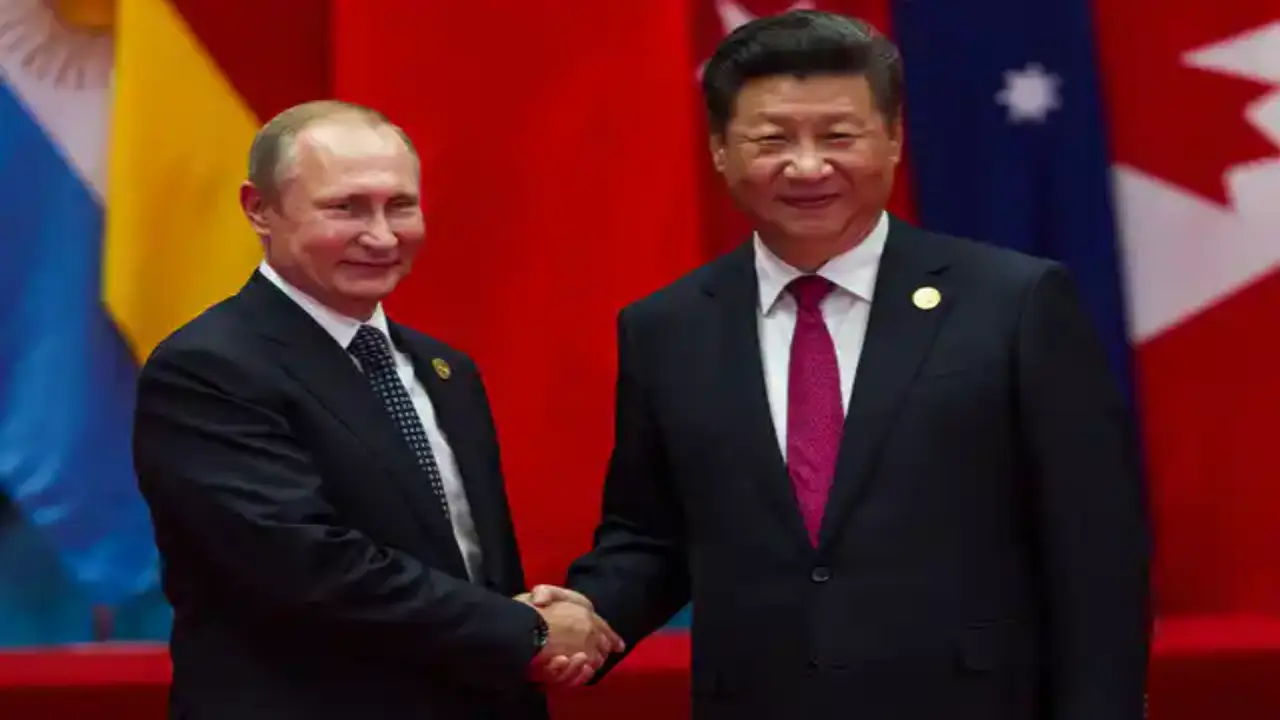

In Addition to Russia, China Purchased 260,000 Tons of Crude Oil from Iran Last Month, the Third Such Purchase Since December
Russia has found new customers for its powerful oil and gas industry! China and India are buying oil at bargain prices and helping Putin mitigate the consequences of the heavy economic sanctions imposed by the West. “With fuel prices soaring, it’s not just drivers who line up when they see a discount,” says BBC’s global business correspondent, Dharshini David.
Following the invasion of Ukraine, Russia replaced Saudi Arabia as China’s top oil supplier.
According to reports to BBC News, the Kremlin offered discounts to Beijing on its oil and gas prices, allowing it to find a supply market that it could not sell to as a result of economic sanctions for the war initiated by Moscow.
-
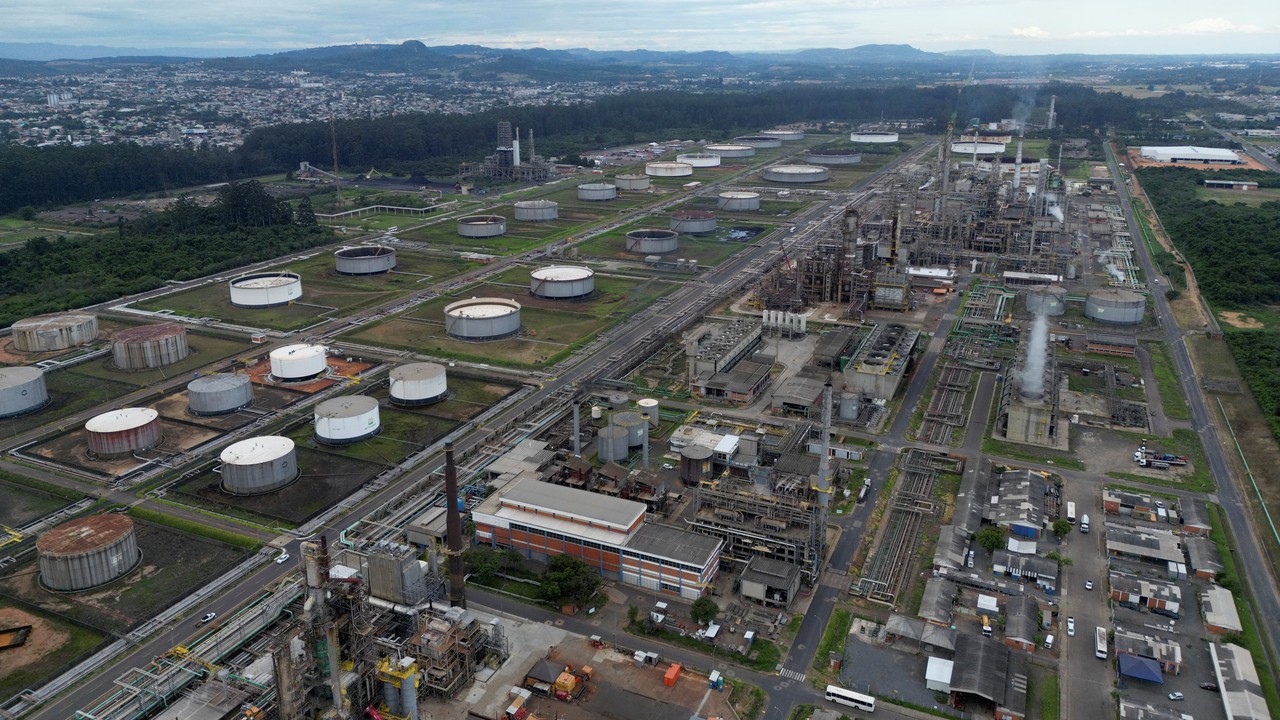
With a record production of nearly 3 million barrels per day, Petrobras resumes importing diesel in July, highlighting the bottleneck in Brazilian refining.

-
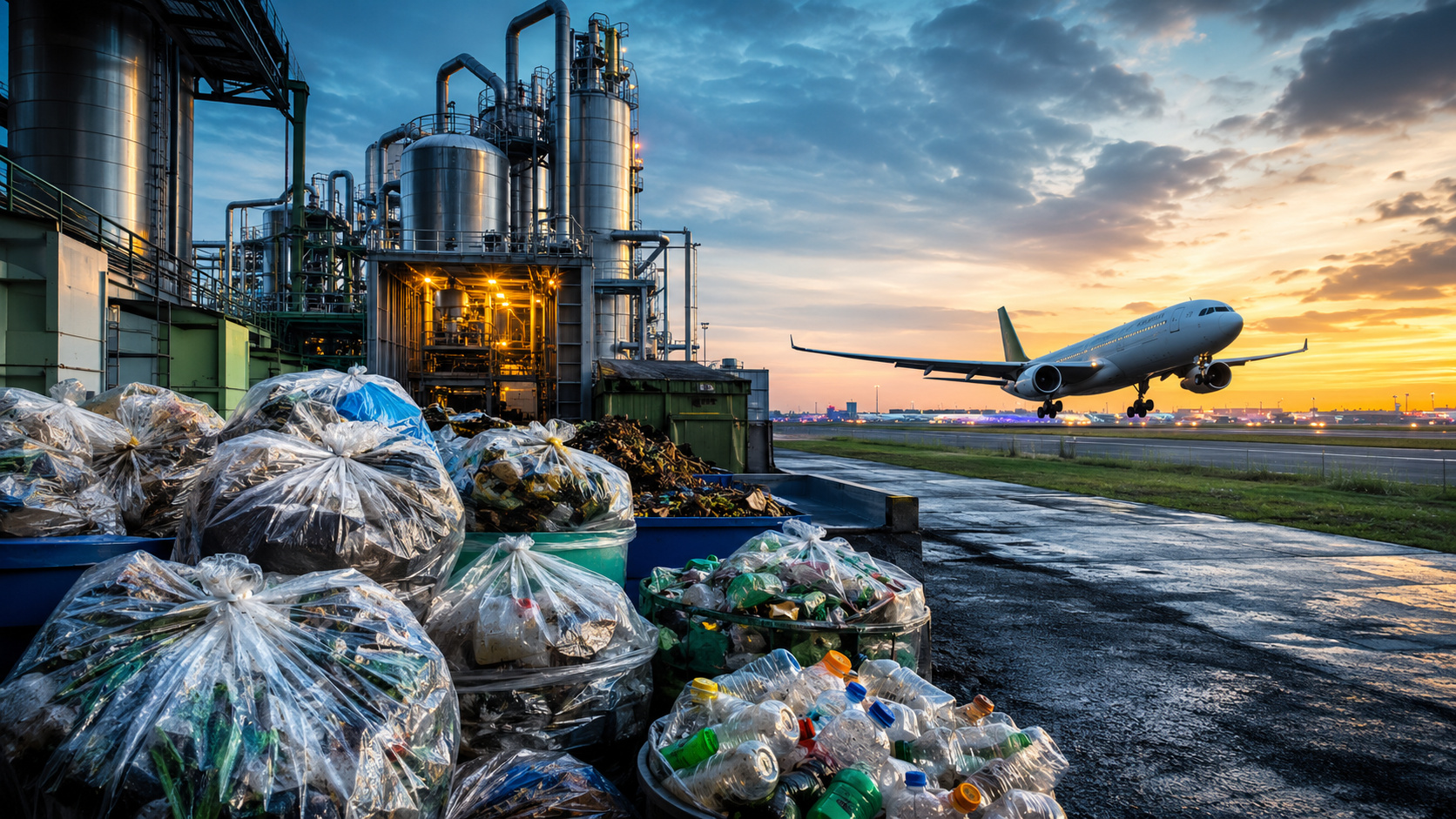
Qantas and Airbus Invest in Company Aiming to Convert Unsorted Household Trash into Jet Fuel

-
Brazil’s ANP Opens 86 New Oil Blocks in the Equatorial Margin, Expanding the Amazon River Mouth Frontier

-
OPEC+ Boosts Oil Supply by 188,000 Barrels per Day in July 2026, Leading to Price Drop from $112 to $89 per Barrel in Under Two Months
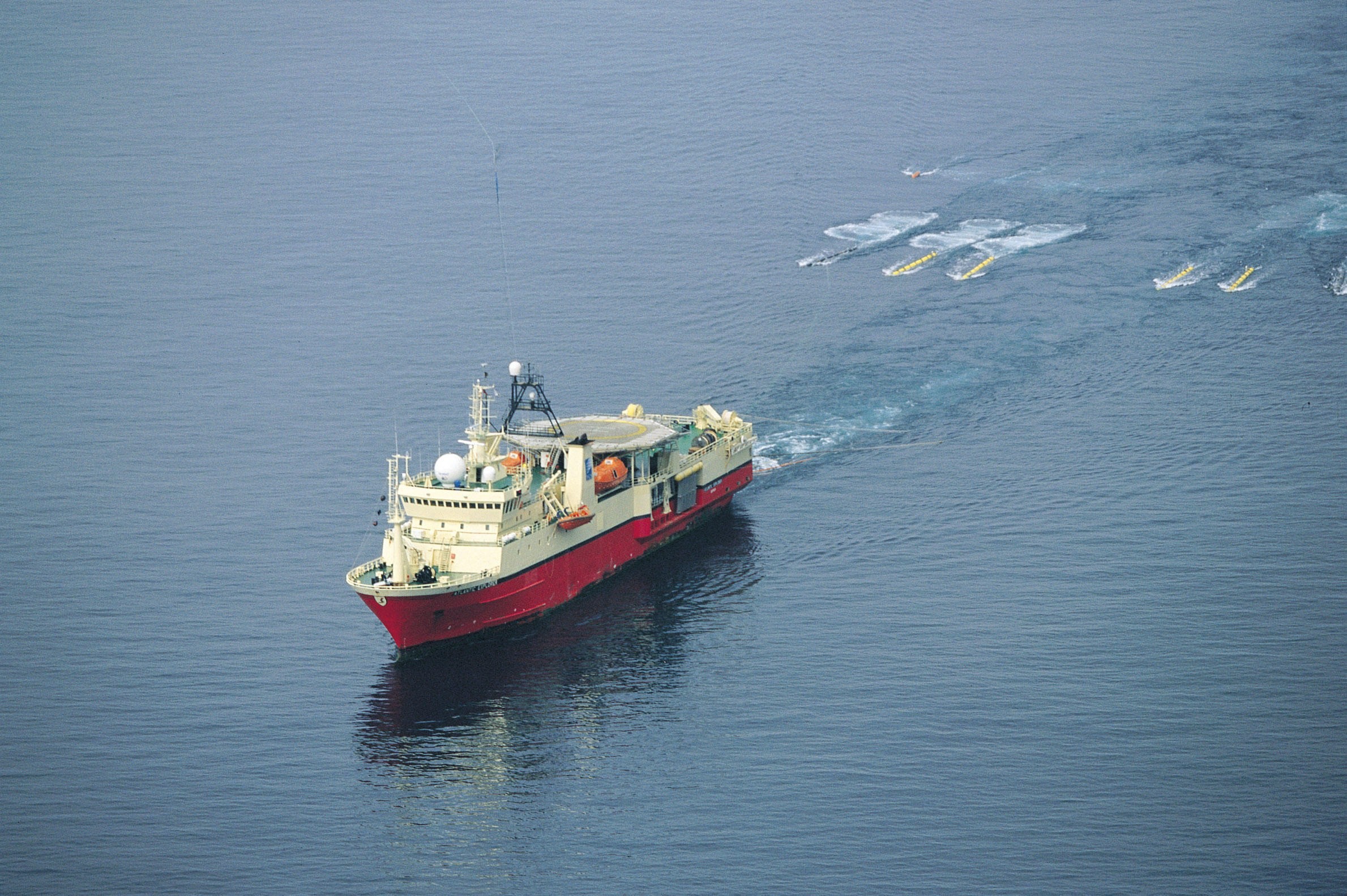
It also turned to India: before the invasion, 1% of Russian oil exports were destined for the Asian giant, while in May they increased to 18%.
This means that despite the fact that Russia has seen a decline in its oil and gas export revenues, the income from the energy sector is still sufficient to finance, among other things, the military effort represented by the invasion of Ukraine.
Chinese State-Owned Enterprises Received Big Discounts from Russia and Increased Their Crude Oil Purchases!
According to data from China’s General Administration of Customs, imports of Russian crude oil – including supplies arriving via the East Siberia-Pacific Ocean pipeline – reached 8.42 million tons last month.
This represented a 55% increase compared to last year, reaching record levels in May.
Chinese state-owned companies, such as Sinopec and Zhenhua Oil have increased their crude oil purchases in recent months.
These companies received substantial discounts from Russia, thanks to the fact that buyers in Europe and the United States began to reject Russian oil and gas following the invasion.
This left Saudi Arabia in second place among the countries supplying oil to China, with 7.82 million tons.
But Russia is not the only sanctioned country selling oil to China: according to data published on Monday, Beijing purchased 260,000 tons of crude oil from Iran last month, the third such purchase since December.
Moscow Found Legal Loopholes to Continue Exporting Oil at Bargain Prices
According to a report published last week by the Center for Energy and Clean Air Research (CREA), Russia has seen a sustained decline in its hydrocarbon sales since the onset of sanctions.
However, the report warns that Moscow has found legal loopholes to continue exporting.
One of them would be to export oil to third countries, such as India, to refine it and then be able to send that refined product to European countries.
“The report points out that more and more Russian oil is being exported to India for refining, and a large portion of that refined oil finds its way to European markets,” says BBC business correspondent Theo Legget.
“And as Moscow seeks new markets and Russian oil shifts from pipelines to ships, most of them are owned by European companies.”
“For the pressure on Russia to be effective, issues like these must be addressed.”
European Union Remains the Main Customer for Russian Oil and Gas
It is estimated that US$ 59 billion of the US$ 97 billion that Russia received from energy exports during the first 100 days of the war in Ukraine came from the EU.
However, it has been impossible to reach an agreement to completely ban the purchase of hydrocarbons from Russia.
The EU plans to impose a ban on imports of Russian oil arriving by sea before the end of the year, reducing imports by more than 60%.
Additionally, in March, the European community committed to reducing Russian gas imports by at least two-thirds within a year.
In turn, the United States has enacted a total ban on purchases of oil, gas, and coal from Russia, and the UK is expected to do the same before the end of 2022.
by- BBC News