





 English
  Francês
  Alemão
  Italiano
  Japonês
  Norueguês
  Portuguese
  Spanish
  5 min of reading
  0 comments


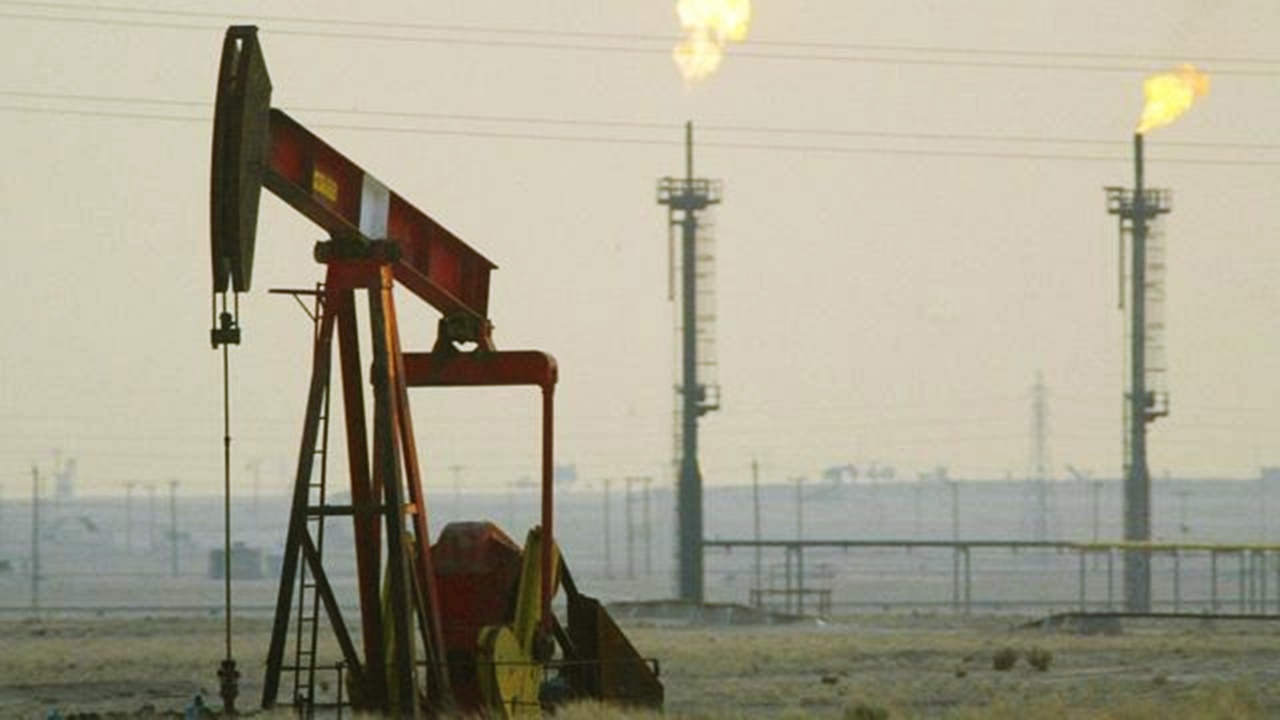
The Afghan Nation Has Strong Influence on Eastern and Asian Economic Politics, With the Resurgence of Power, Its Neighbor Iran, a Major Global Oil Producer, May Interfere in Prices Without American Pressure at Its Borders
The return of the extremist group Taliban to power in Afghanistan triggers changes in the global socioeconomic landscape and is expected to generate uncertainties in the oil market. A new period of instability and price recovery may appear on the horizon, with the possibility of emerging new conflicts in the region and influences from Iran and China on the new regime. All these elements are likely to further pressure the cost of oil derivatives in Brazil. But, after all, why does the Afghan crisis impact the oil market so much?
Read Also
- Gerdau, the Largest Brazilian Steel Producer, Calls for Unexperienced Candidates Who Want to Join the Industry for 221 Job Openings in Steel Mills
- Petrobras, the Giant of Brazilian Oil, Opened on Monday (20/09) a Public Notice in the State of ES for Registration in the Digital Inclusion Social Program
- Possible Default from the Chinese Multinational Giant Evergrande May Impact Brazil’s Agriculture
- Magalu, One of the Best Companies to Work for in Brazil, Calls for Black Candidates Without Experience for a Salary of R$ 6,8 Thousand; There is No Age Limit to Compete for the Job Openings in the Trainee Program 2022
- Direct Sale of Ethanol from Mills is Advocated by Parliamentarians Who Promise to Stimulate Competition and Curb the Increase in Gasoline Prices at Fuel Stations
As Afghanistan is not a major global producer of the commodity, what matters in this interference, according to specialists, is the country’s location. Being positioned between the Middle East and the Far East, the Afghan nation has strong influence on Eastern and Asian economic politics. Another factor is its neighbor Iran, which is indeed a major global oil producer that can now interfere in prices without American pressure at its borders.
With the U.S. Withdrawal from the Region, China Targets Rich Afghan Mineral Reserves
Another important piece on the geopolitical chessboard is China, which has already signaled dialogue with the new government, creating a new point of combustion in the already heated economic confrontation with the United States, in the struggle to assume the podium as a new global power.
-
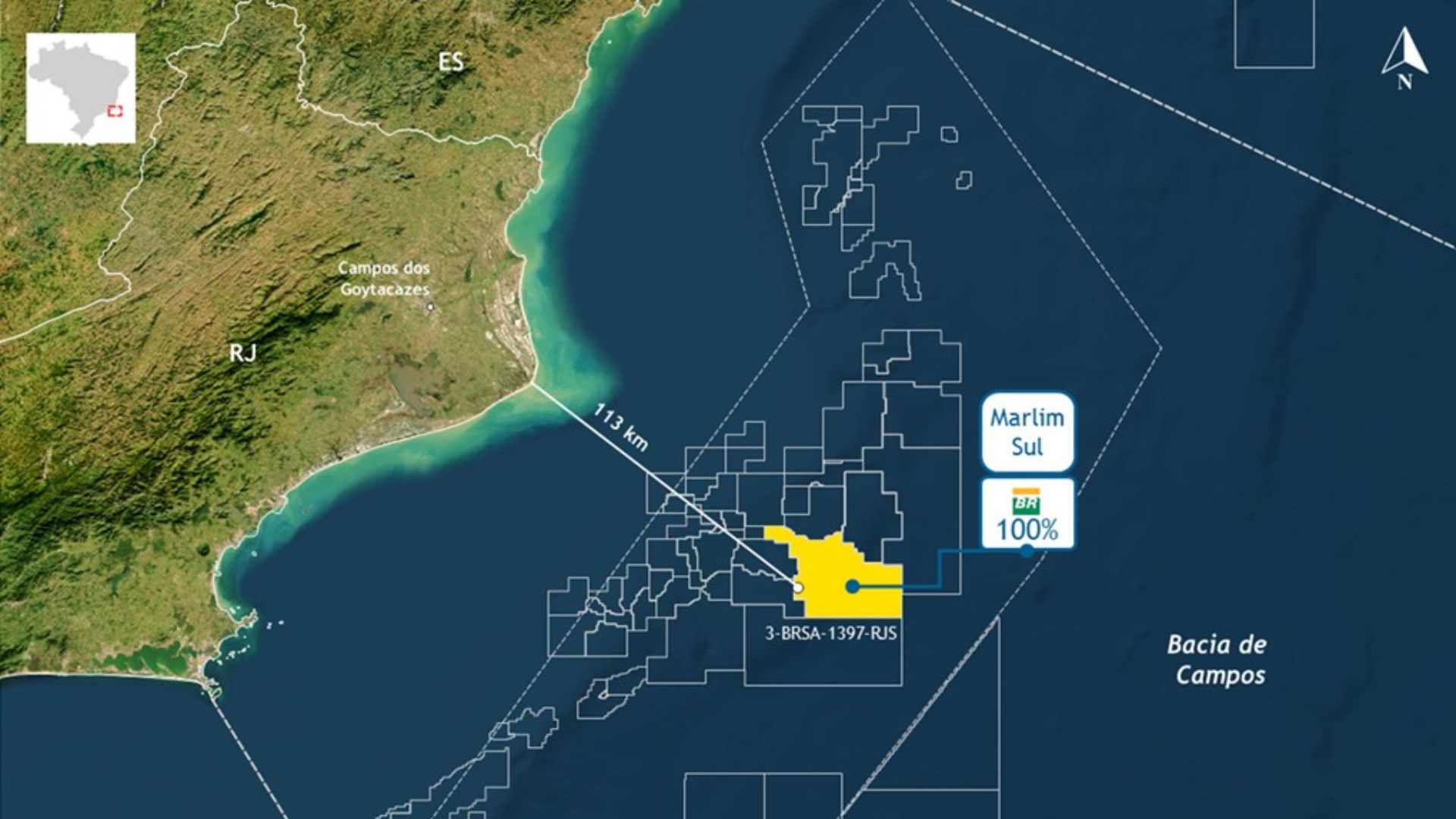
Brazilian giant expands borders in the Southeast: Petrobras confirms new oil discovery in ultra-deep waters in the pre-salt of the Campos Basin.

-
Alert in the global energy market: Severe tropical cyclone hits the coast and disrupts gas production at major plants in Australia, threatening global supply.

-
Petrobras finds high-quality oil in the pre-salt at 113 km from RJ and reignites expectations about strategic reserves in the Campos Basin.

-
Ocyan opens registrations for startups focused on innovation in the oil and gas sector and will select projects for Innovation Day with the support of Nexio.


U.S. President Joe Biden lost political support with the unsuccessful withdrawal of troops from Afghanistan, which, according to analysts, affects the approval of the $3 trillion American infrastructure package aimed at boosting the country’s economic activity after the long pandemic period.
In addition to measuring strength with the United States in the region, China is interested in investments for Afghanistan’s reconstruction and its rich mineral reserves, valued at up to $1 trillion and never properly explored. There is a lot of copper, lithium, and bauxite, crucial resources for electric cars, especially in the development of their batteries, as well as natural gas for alternative energy generation, oil, gold, uranium, coal, and a host of other valuable minerals.
In 2019, the Afghan Ministry of Mines and Petroleum estimated about 30 million tons of copper in the country and about 2.2 billion tons of iron ore, resulting in a value of more than $350 billion.
The Taliban Resurgence and the Day After in the Oil Market
The news of the Taliban’s return to power, after 20 years, resulted in an immediate impact on the international oil market. On the morning of Monday, August 16th, the day after the extremists’ return, oil prices fell by 4% due to international apprehension over the return of conflict in the region with the withdrawal of American troops.
By around noon, October contracts for Brent crude (a global benchmark) were down 2.11%, at $69.10 per barrel, on the ICE in London, while September contracts for WTI (an American benchmark) fell 2.33%, priced at $66.62 per barrel on the New York Mercantile Exchange (Nymex). Two days later, both Brent and WTI continued to register declines of over 2%. In Brazil, Petrobras’s preferred shares recorded losses of 2.47% in the first two trading days of the week. The price drops lasted another seven days until, on August 23rd, Brent advanced 5.5% and WTI, 5.6%.
The day following the return of the extremist group was also marked by a widespread decline in stock markets around much of the world, especially in Europe and also in Brazil. Ibovespa closed on August 16th down 1.66%, falling below 120,000 points after three months.
The Afghan currency, called the afghani, experienced significant depreciation, losing about $80 in value compared to the week prior to the surge. This decline puts pressure on inflation and leaves the already fragile Afghan economy dependent on international assistance. Even so, the anticipated non-recognition of the Taliban government as official by most of the international community is expected to hinder the local Central Bank’s quest for dollars and funding from the IMF.
How Can the Afghan Crisis Affect Brazil?
With a weakened economy, Afghanistan has no influence over other global economies, allowing the crisis in the Eastern country not to be a decisive factor in the economic landscape of the entire planet.
However, the presence of Iran and China as new geopolitical influencers and the return of socioeconomic instability in the region, along with the possibility of new conflicts, are factors that tend to negatively impact the global economic chessboard.
In the event of a recovery in oil prices, Brazil may face even greater difficulties in controlling the rise in gasoline and cooking gas prices, giving a new boost to inflation and bringing new challenges to the country’s economic recovery.
by Rodrigo Simões Scolaro, Economist at Costdrivers







Seja o primeiro a reagir!