





 Portuguese
  English
  Spanish
  4 min of reading
  0 comments


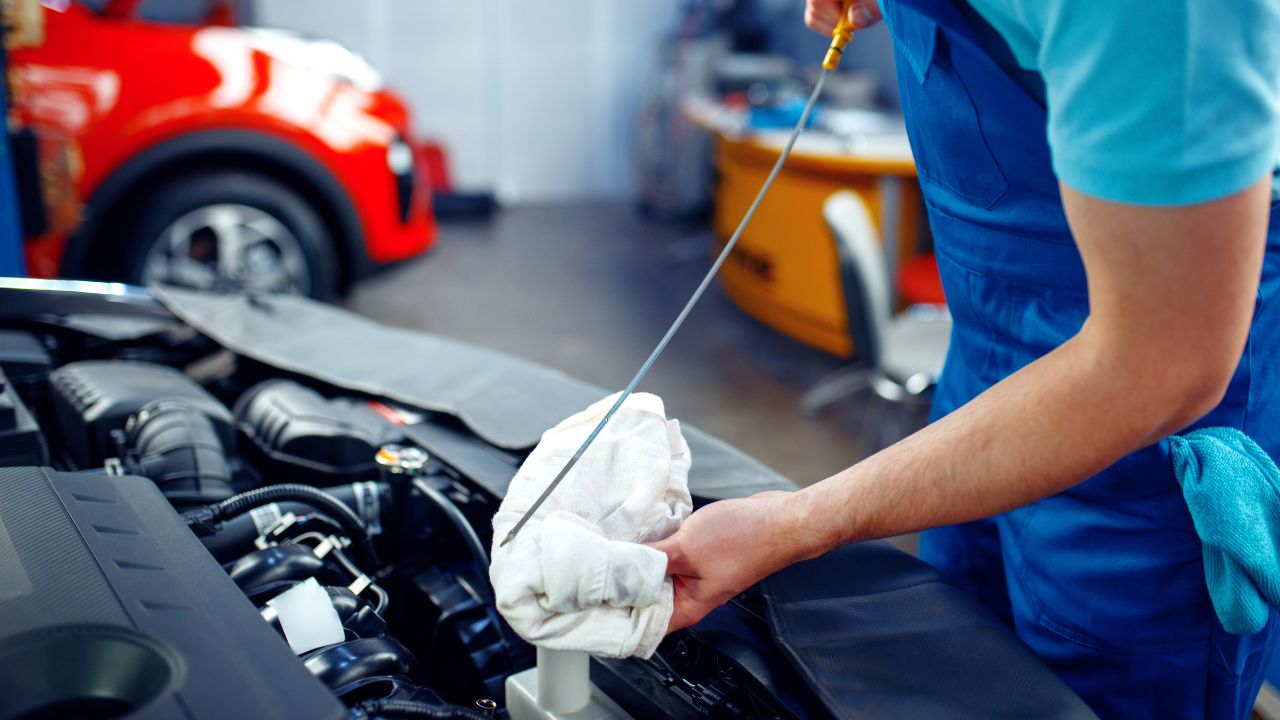
Discover The 5 Most Important Car Maintenance Checks And The Ideal Intervals For Performing Them. Avoid Failures And Keep Your Vehicle Safe With Simple And Effective Guidelines.
Few people remember, but a car’s performance depends more on maintenance than on power. Drivers all over Brazil, whether with new or used vehicles, need to pay attention to five fundamental maintenance checks that ensure safety and avoid serious damage.
These maintenance checks should be performed at specific times — often before visible problems arise.
Changing fluids such as engine oil and coolant, for example, is a care that makes all the difference in daily use and in your wallet.
-
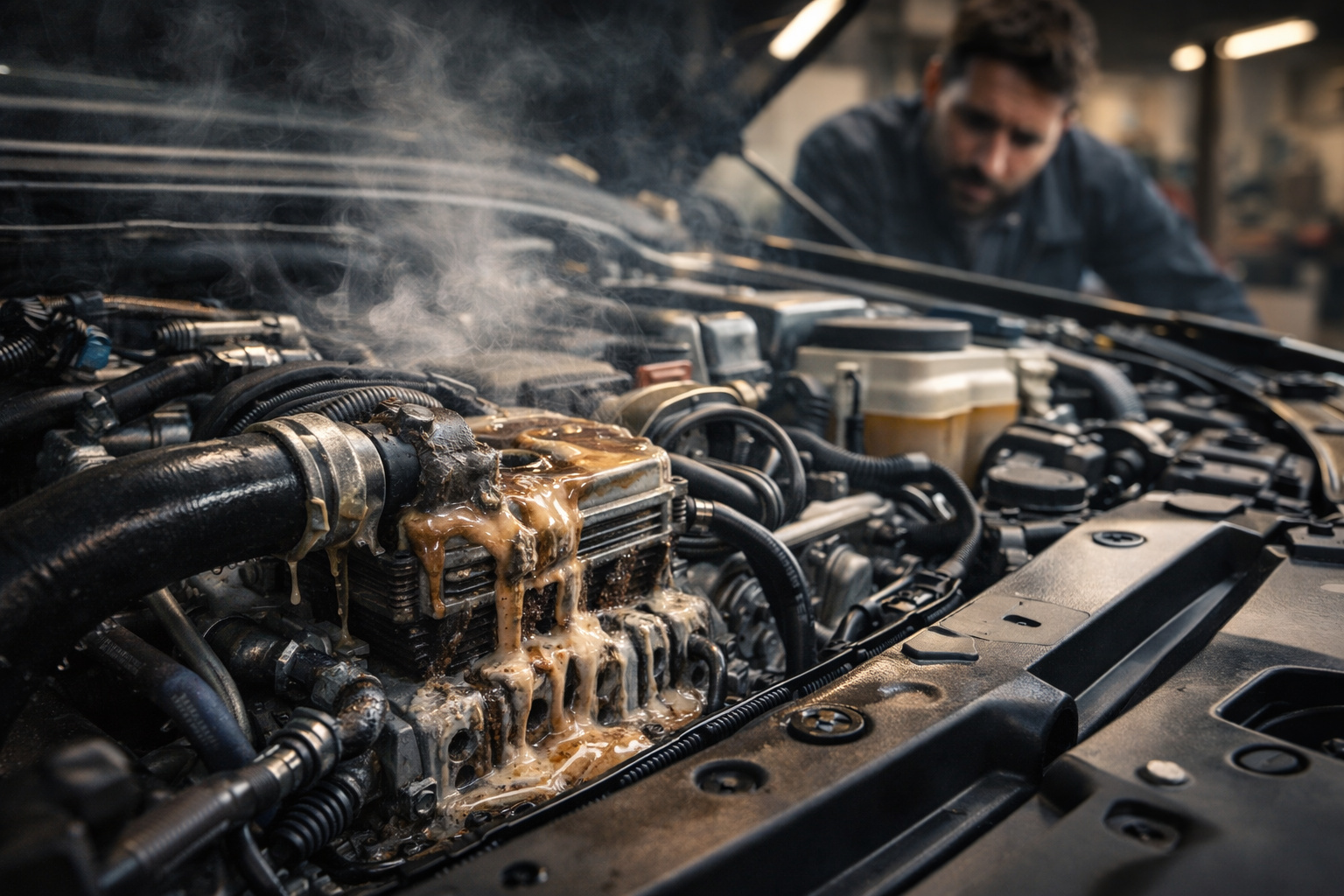
Losses that can exceed R$ 15,000 affect owners of Jeep Renegade and Compass after a failure in the heat exchanger mixes oil with coolant, generating emulsion in the system and causing overheating that can destroy the transmission.
-
Car starting from R$ 29 thousand with Fiat’s unbreakable engine: 4 used options with up to 167 hp, 23 kgfm, and 0 to 100 km/h in 7.4 s; turbo with overboost and surprising performance.

-
The Royal Enfield Classic 650 arrives in Brazil with a 648cc twin-cylinder engine, a look that seems straight out of the 1950s, Showa suspension, and a price starting at 34 thousand reais that challenges all mid-displacement competitors in the national market.

-
BMW entered 2026 ready to turn the tables with an avalanche of launches that mix new electric vehicles, refreshed SUVs, transitioning sedans, and sports cars, in an offensive that accelerates the Neue Klasse era and could reshape the global premium competition.

Ignoring these deadlines can lead to mechanical failures, increase fuel consumption, and even cause accidents.
Why Is It So Important To Keep These Maintenance Checks Up To Date?
As kilometers accumulate, even the most reliable car can present issues if basic checks are neglected.
And the reason is simple: a good part of the vehicle’s systems depends on fluids that lose their properties over time.
Neglecting the replacement of these items may seem harmless at first, but damages will appear — and not just in your wallet.
Worn-out parts, loss of performance, and safety risks are common consequences of lack of maintenance.
The good news? With a simple maintenance schedule, you can avoid all of this.
1. Engine Oil Is What Keeps Everything Running
If the car were a living organism, engine oil would be its blood.
It lubricates, reduces friction, and helps keep the engine in good shape.
The problem is that, with use, it becomes contaminated with residues and loses efficiency.
If this happens, the engine operates “heavily” — and this wear can lead to serious breakdowns.
Therefore, stay alert: the change is usually done every 10,000 km or, at most, once a year, depending on the car brand and usage conditions.
2. Coolant: The Guardian of Temperature
One of the major villains of the engine is overheating. And what prevents this drama is the coolant.
But it doesn’t last forever. Over time, the additives that combat rust and corrosion lose their effectiveness. This opens the door for silent damage that can become irreversible.
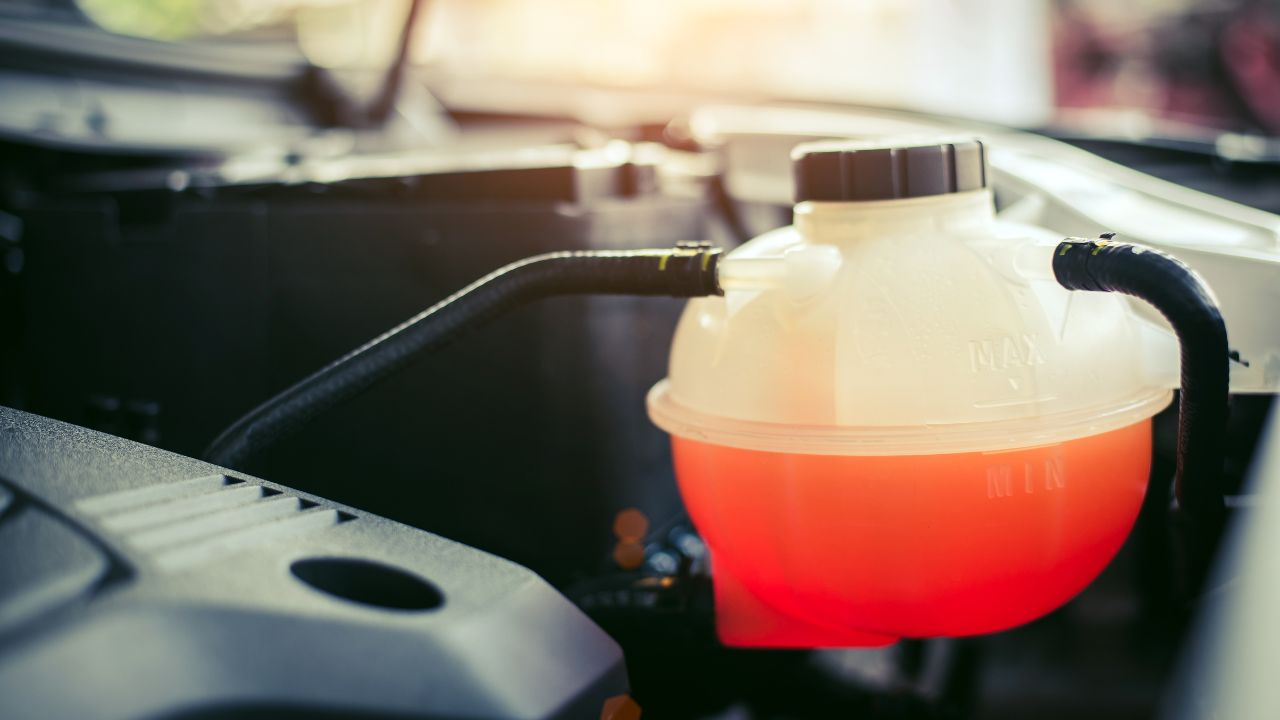
The replacement is typically done every 2 to 5 years, or between 40,000 and 100,000 km, depending on the liquid’s composition and the type of car usage.
3. Transmission Oil Also Deserves Attention
Many people forget, but the transmission — whether manual or automatic — also needs clean and well-maintained fluid.
This oil allows for smooth shifts and prevents premature wear.
When saturated or dirty, it impairs the car’s performance and accelerates the wear of gears.
The recommendation varies but is usually between 40,000 and 60,000 km.
Some cars can tolerate longer intervals, especially the latest generation automatics.
4. Brake Fluid: A Detail That Saves Lives
Discreet, brake fluid is responsible for ensuring that the braking system works accurately.
But this fluid absorbs moisture over time — which can cause internal bubbles and loss of efficiency when braking.
The ideal is to replace it every year, or every 10,000 km in cities with heavy traffic.
Moreover, it’s not enough to just measure the level — the appearance and color of the fluid also indicate the need for replacement.
5. Steering Oil: Smooth Driving
If the steering wheel has become stiffer or started making strange noises, it may be the power steering fluid asking for help.
This oil helps keep the system light and operating smoothly.
When contaminated, it can damage the hydraulic pump — which incurs much higher costs.
The replacement is recommended every 30,000 to 40,000 km, or in cycles of two years.
In cars with electric steering, this concern may not exist, but it’s always worth checking the manual.
Car Manual: The Guide You Can’t Ignore
Even with all these guidelines, each vehicle has its own needs.
And who sets the rules in this case is the owner’s manual.
Some models require more frequent replacements, others may have longer margins.
It all depends on usage, climate, and the car’s characteristics.
Signs like strong smells, unusual noises, or changes in fluid colors also serve as alerts.
Keep an eye out before something more serious happens.
How To Keep Track Of Maintenance Checks Without Complication?
Organizing car maintenance doesn’t have to be a monstrous task. With a few simple actions, you can avoid forgetfulness:
- Create a reminder on your phone with the dates or estimated mileage for each maintenance check.
- Combine fluid changes with other periodic maintenance, such as filter changes or alignment.
- If driving under severe conditions (heavy traffic, dirt roads, loads), anticipate the maintenance checks.
- Choose a trusted workshop and always request the invoice — it serves as proof and a maintenance history.
Reviewing Is Caring: More Savings And Less Headache
Caring for your car is more than a duty — it’s a way to protect your investment and ensure your safety in everyday life.
The most important car maintenance checks are five: engine oil, brake fluid, transmission oil, coolant, and steering fluid.
They are simple, quick, and prevent future headaches.
By following the right schedule and paying attention to signs, you ensure a more reliable, economical, and durable car.
And the best part: no surprises in the middle of the road.
Information from CanalTech.








Seja o primeiro a reagir!