





 Portuguese
  English
  Spanish
  4 min of reading
  0 comments


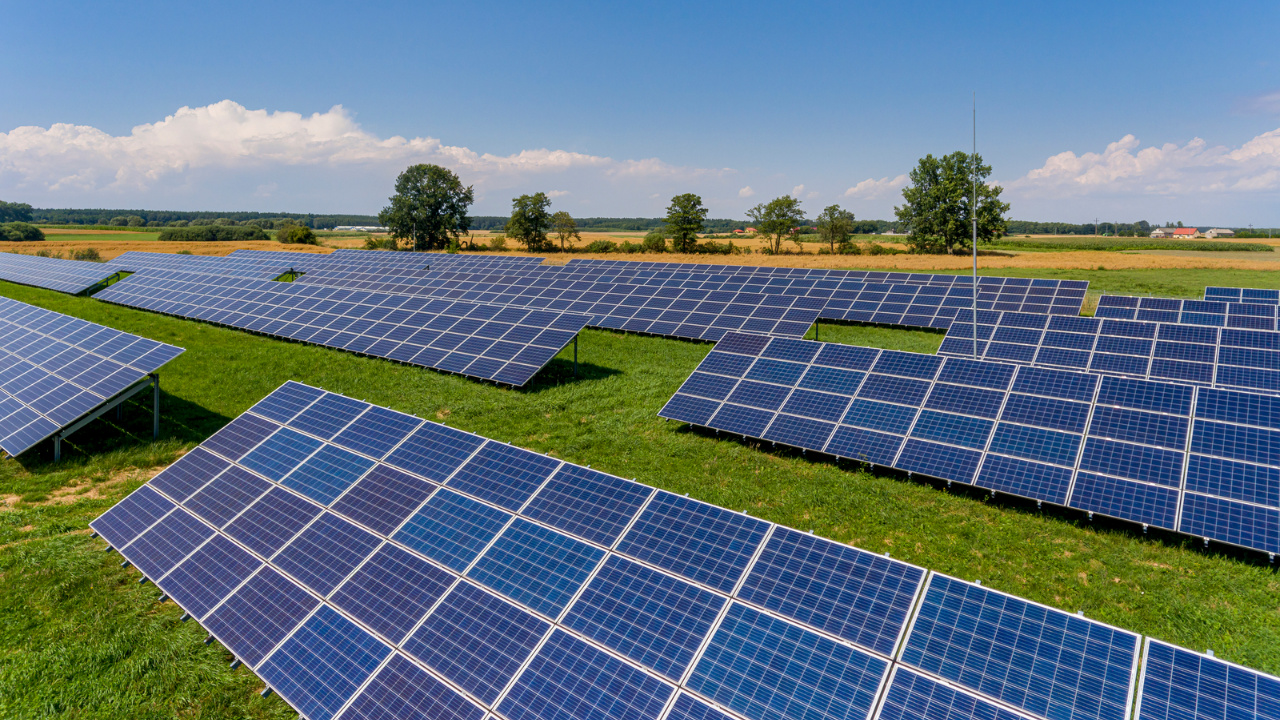
Solar Energy Gains Highlight As Biggest Scientific Advance Of 2025, According To Science Magazine, In A Year Marked By Discoveries In Renewables, AI, Medicine And Genetics.
The accelerated growth of solar energy placed renewable sources at the center of the global scientific debate in 2025. According to the magazine Science, for the first time in history, global electricity generation from the sun and wind surpassed coal-based production. This achievement was highlighted as the main scientific advance of the year, signaling a structural shift in the international energy system.
Symbolically, the editorial that opened the annual ranking was titled “Good Morning, Sunlight.” The publication noted that between January and June, the expansion of solar and wind energy was sufficient to meet the entire growth of global electricity demand. As a result, the dependence on fossil fuels began to consistently decline.
Energy Transition Accelerates And Approaches Carbon Peak
According to Holden Thorp, editor-in-chief of Science, the planet has entered a decisive phase towards the so-called “carbon peak.” This concept represents the moment when global emissions reach their maximum level before starting a downward trajectory.
-
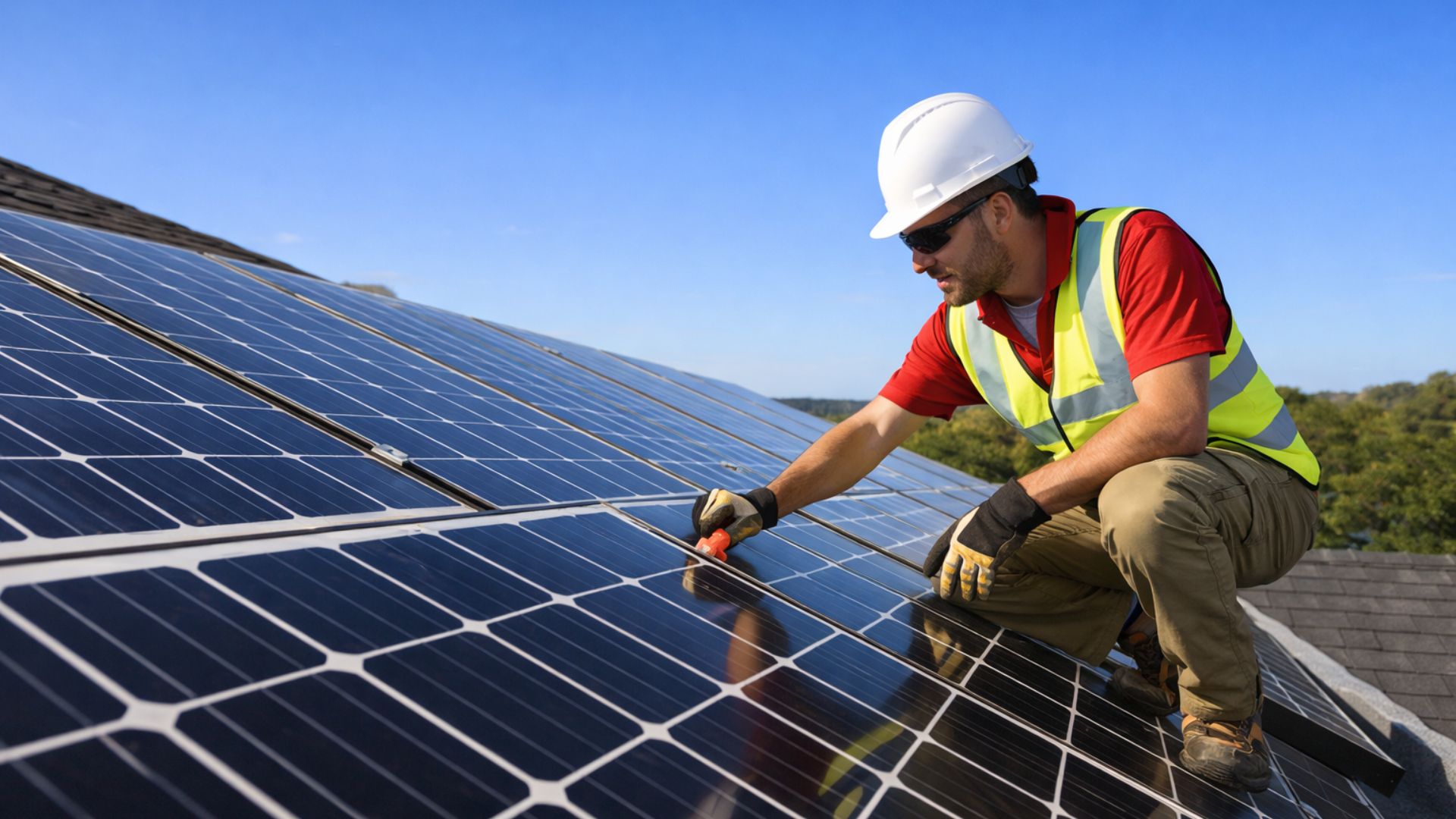
Seagri’s headquarters invests in solar energy with Neoenergia Coelba and promises to cut electricity costs, highlighting a strategic advance in sustainability and energy efficiency within state public administration.
-
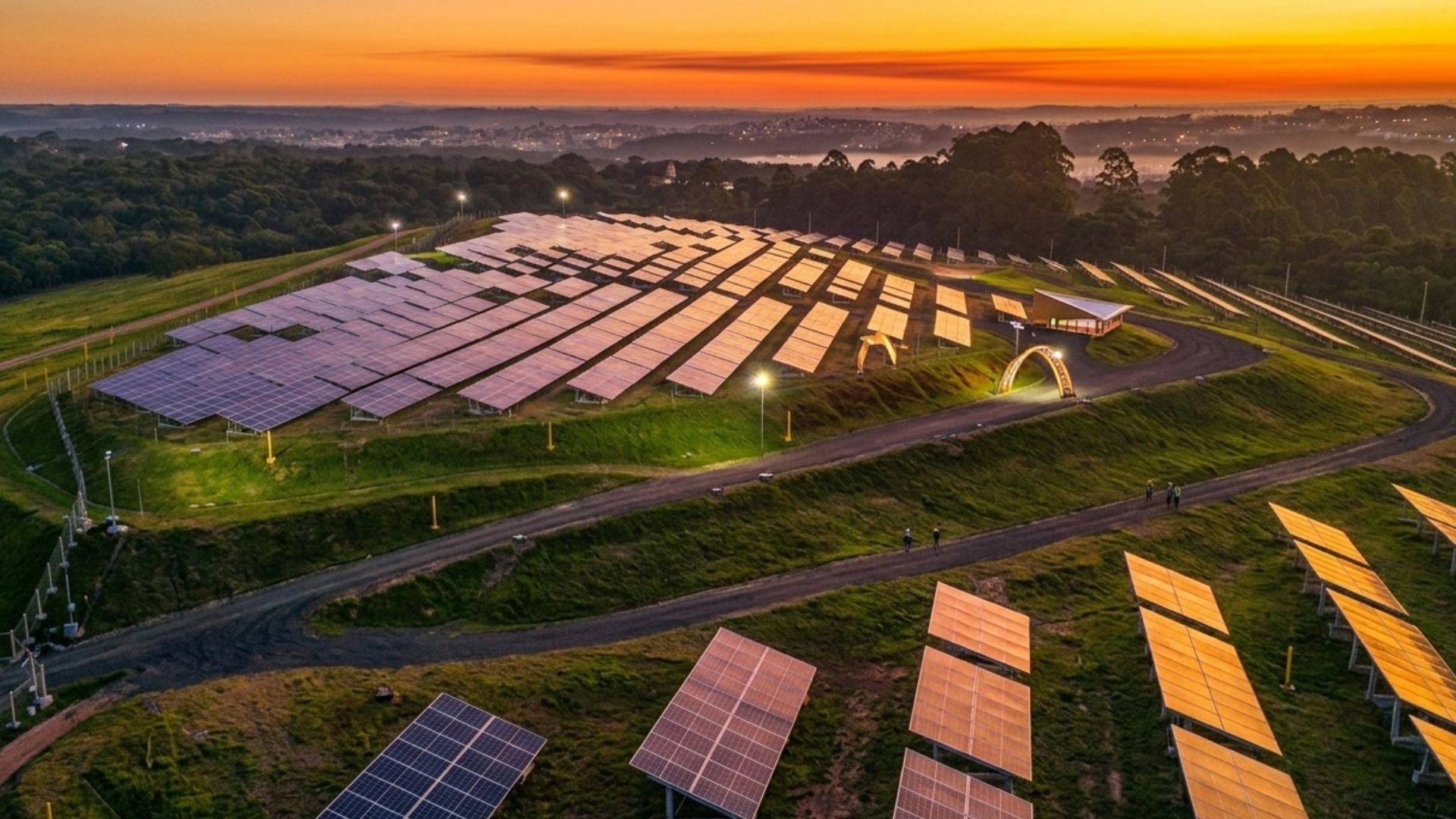
Solar Pyramid draws attention by converting solar energy into million-dollar savings and repositioning the City Hall of Curitiba as an example of innovation, sustainability, and intelligent use of public resources.
-
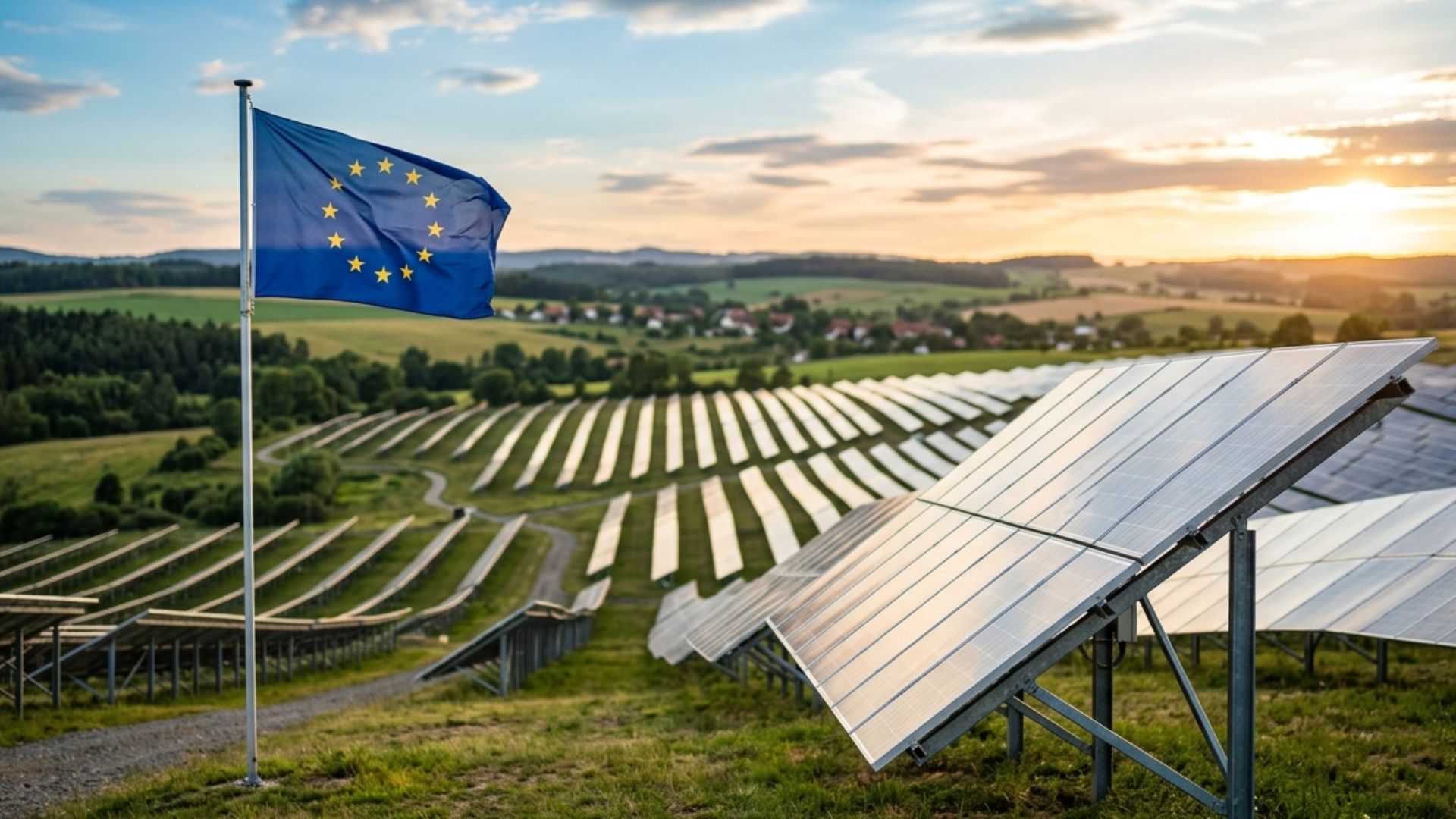
Europe records strong euro economy with solar energy in March and sparks curiosity about which country leads growth that redefines the energy market and reduces costs.
-
Piauí reaches a historic milestone in energy transition: State records nearly 160,000 households powered by solar energy and leads growth in the Northeast.
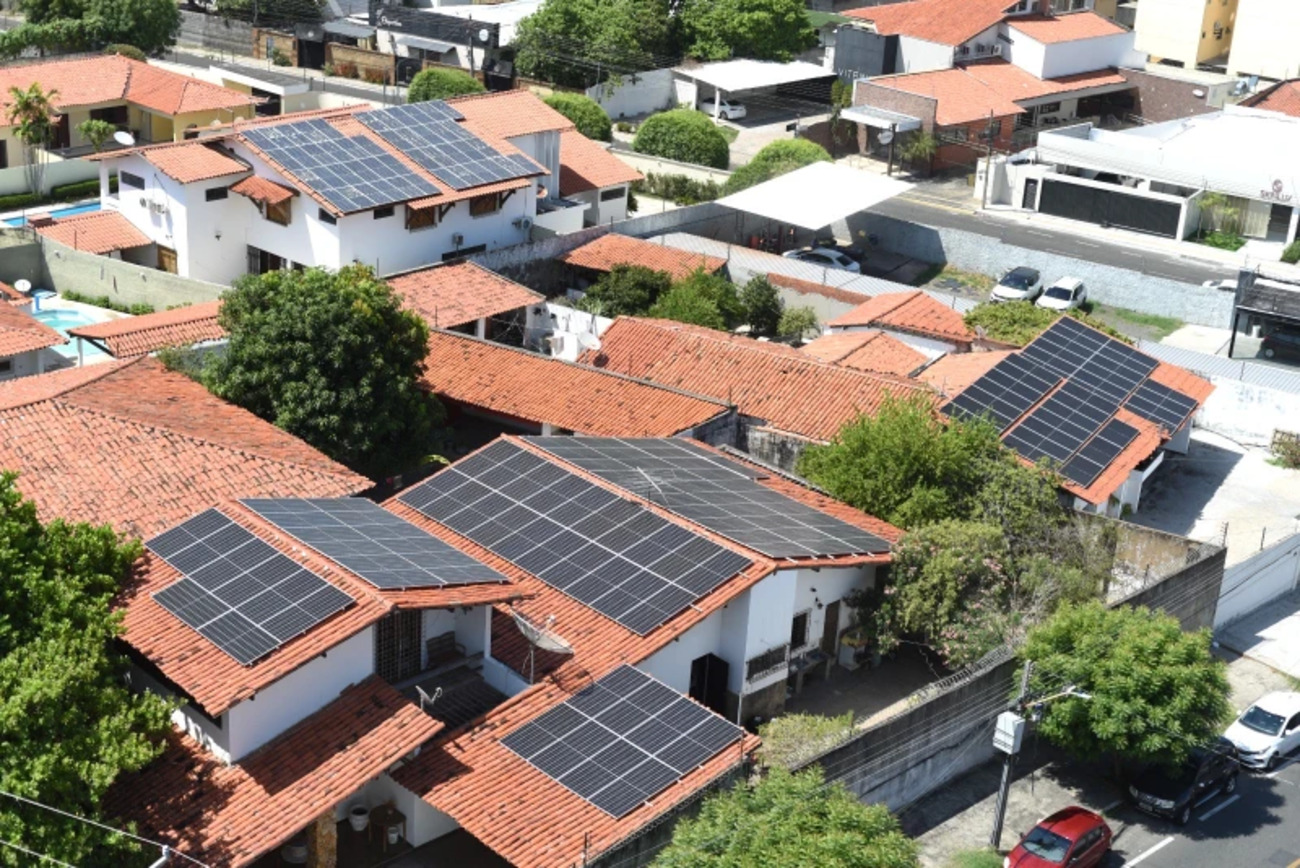
In this scenario, solar energy plays a strategic role. China leads this movement after years of subsidies and industrial-scale investments. The country has consolidated dominance over the production chain of renewable technologies, from photovoltaic panels to storage systems, influencing prices and accelerating global adoption.
Meanwhile, other economies are advancing gradually. Nevertheless, the combined progress indicates that the energy transition has ceased to be merely a promise and has become a measurable phenomenon.
Medical Advances Expand Borders Of Applied Science
Besides renewables, 2025 was also marked by significant progress in medicine. One highlight was the unprecedented application of personalized genetic editing in a baby in the United States, identified as KJ, diagnosed with the rare disease CPS1. The technique opened new possibilities for treating ultra-rare conditions, although specialists warn of high costs and safety challenges.
At the same time, clinical trials advanced in the fight against gonorrhea. Two new drugs reached the testing phase, representing the first therapeutic innovation against the disease in decades. The potential impact is significant, considering that over 80 million people are affected annually.
In oncology, researchers discovered how tumors can manipulate nerve cells to receive mitochondria, a process that promotes cancer spread. This finding could guide new treatment strategies.
Artificial Intelligence Reaches Advanced Academic Level
Artificial intelligence has established its presence in the ranking of Science. Large language models demonstrated performance comparable to that of Ph.D. researchers in various scientific fields.
The Gemini model from DeepMind won a gold medal at the International Mathematical Olympiad. Meanwhile, GPT-5 from OpenAI solved complex problems in combinatorial theory and graphs that had challenged experts for decades. These results reinforce the role of AI as a scientific tool and not just a technological one.
Discoveries About Human Origin And New Medical Horizons
In the field of paleoanthropology, the genetic analysis of the Harbin skull confirmed its Denisovan origin, estimated to be 146,000 years old. This finding broadened knowledge about the diversity of hominids and their interactions with modern humans.
Meanwhile, xenotransplants reached a new milestone. A genetically modified pig kidney, with 69 altered genes, functioned for nearly nine months in a human patient. The result reinforces the technique’s potential to address organ shortages.
Agricultural Science And Astronomy Also Advance
The list of 2025 also included a significant advancement in agriculture. Chinese researchers identified a gene in rice capable of protecting the grain from the effects of nighttime heat. The discovery could enhance agricultural productivity in the context of climate change.
In astronomy, the inauguration of the Vera Rubin Observatory in Chile marked the beginning of a new era of universe observation. Equipped with the largest digital camera ever built, the telescope promises to expand understanding of dark matter, galaxies, and extreme cosmic phenomena.
Solar Energy Symbolizes The Convergence Between Science And Society
The Science ranking shows that 2025 was a year of convergence between science, technology, and social impact. In this set, solar energy stands out not only as a technical innovation but also as a vector for economic, environmental, and geopolitical transformation. Science once again demonstrated its ability to provide concrete answers to present challenges and shape pathways for the future.








Seja o primeiro a reagir!