





 Portuguese
  English
  Spanish
  3 min of reading


A Look at Brazilian Economic Growth and Deindustrialization
Brazil, with its erratic and timid growth, has not shown significant marks in the evolution of per capita income. An analysis of World Bank data from 1980 to 2019 reveals an increase of only 34% in Brazilian per capita income. This growth is distinctly contrasting with that of other regions around the world, such as Latin America at 74%, the United States at 95%, and Southeast Asian countries with an impressive 342%.
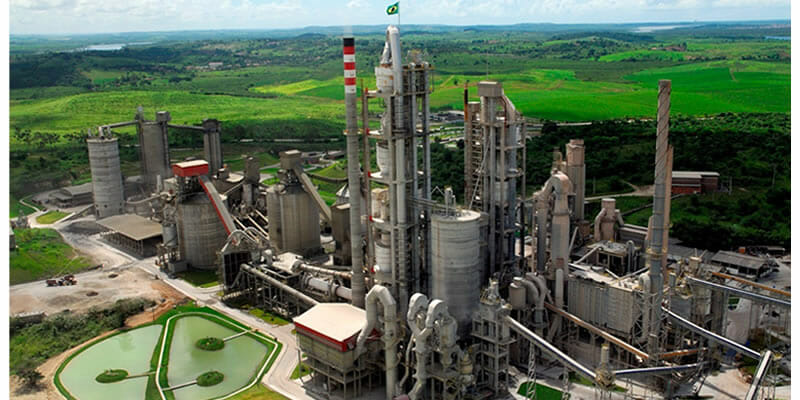
At the same time, we are witnessing in Brazil an accelerated process of deindustrialization, unparalleled anywhere else on the planet. The percentage of the manufacturing industry in the country’s Gross Domestic Product (GDP) plummeted from 21.83% to 10.33% from 1991 to 2019. This setback cannot be solely attributed to changes in the consumption profile of the population, which typically occurs when a country transitions from a middle-income to a high-income stage.
Competitiveness and Brazil Cost: Barriers to Industry
The problem goes deeper and is tied to the competitiveness of our economy, which diminishes our industry’s ability to compete in the market. This creates a vicious cycle in which the industry, being the most dynamic sector of the economy, cannot effectively contribute to the country’s progress toward a higher income level. This situation results in what has been conventionally termed the middle-income trap.
-
Oncorp wins auction and enables biodiesel and gas thermal plants in Brazil, with strategic projects in Suape and Xavantes Aruanã.

-
Raízen Recovery: Shell Cosan May Reduce Control After R$ 65 Billion Debt

-
Outback Montes Claros: Chain Confirms First Unit in Northern Minas in 2026

-
Inpasa Creates Advisory Council and Brings José Olympio to Strengthen Corporate Governance

The Brazil Cost, characterized by factors such as high tax burdens, legal insecurity, excessive bureaucracy, and inadequate infrastructure, is one of the main obstacles to the competitiveness of our industry. According to a survey by the National Confederation of Industry (CNI), the country still occupies an uncomfortable position in international competitiveness rankings.
However, there are ways to overcome these barriers. A CNI survey with business leaders indicated that the main changes needed in public policies to improve industry competitiveness are: tax reduction, simplification of taxes, and control of public spending.
In Search of an Efficient Brazil: Reforms and Administrative Efficiency
The Tax Reform, currently under discussion in the National Congress, is expected to be a significant step toward untangling our tax system, considered one of the most complex and inefficient in the world. However, to address the primary concern of business leaders and society – reducing the tax burden – it is essential to implement the Administrative Reform, aiming for greater efficiency in public administration.
Furthermore, it is crucial to look at successful experiences in other countries, which have achieved fiscal balance and resumed growth through reduction and increased efficiency in public spending.
It is important to highlight the effort of the Vice President of the Republic and Minister of Development, Industry, Commerce and Services, Geraldo Alckmin, in advocating for the modernization of Brazilian industry, incorporating cutting-edge technologies. He recognizes that the industry still has a crucial role to play for Brazil to join the ranks of developed countries. However, for this to happen, it is necessary to build a more competitive economy, that is, an Efficient Brazil. We hope this understanding is shared by his peers in the government.
Credits – Written by: Carlos Rodolfo Schneider – entrepreneur










Seja o primeiro a reagir!