





 Portuguese
  English
  Spanish
 3 min of reading
  0 comments


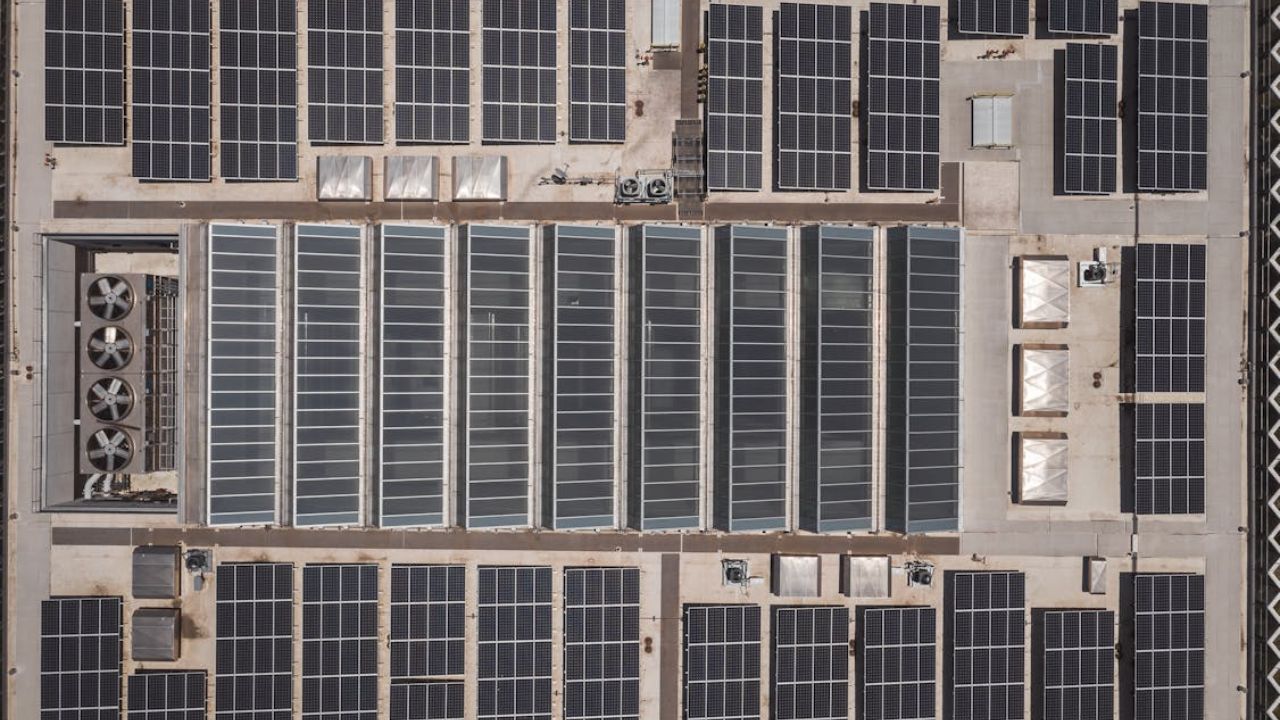
Proposal Under Discussion at Alerj Aims to Create “Clean Energy RJ” to Generate, Distribute, and Sell Energy from Sources like Solar, Wind, and Biomass, with Rates Up to 50% Lower.
The state of Rio de Janeiro may gain a state-owned company dedicated exclusively to renewable energy. A bill currently under consideration at the Legislative Assembly of the State of Rio de Janeiro (Alerj) proposes the establishment of “Clean Energy RJ.” The goal is clear: to use clean sources to power the public sector and provide a cheaper alternative for citizens and businesses.
Bill Proposes the Creation of “Clean Energy RJ”
The creation of the State Company of Clean Energy of Rio de Janeiro (Clean Energy RJ) is the focus of Bill 4.664/25. The proposal, authored by deputy Alexandre Knoploch (PL), aims to boost the renewable energy sector and is scheduled to be voted on in its first discussion at Alerj. According to the legislative procedure, the text will be removed from the agenda if it receives parliamentary amendments for adjustments.
How Will the Renewable Energy Company Operate?
The main function of the new company will be to generate, distribute, and commercialize renewable energy. The supply will meet the lighting needs of public roads and the powering of state public buildings.
-
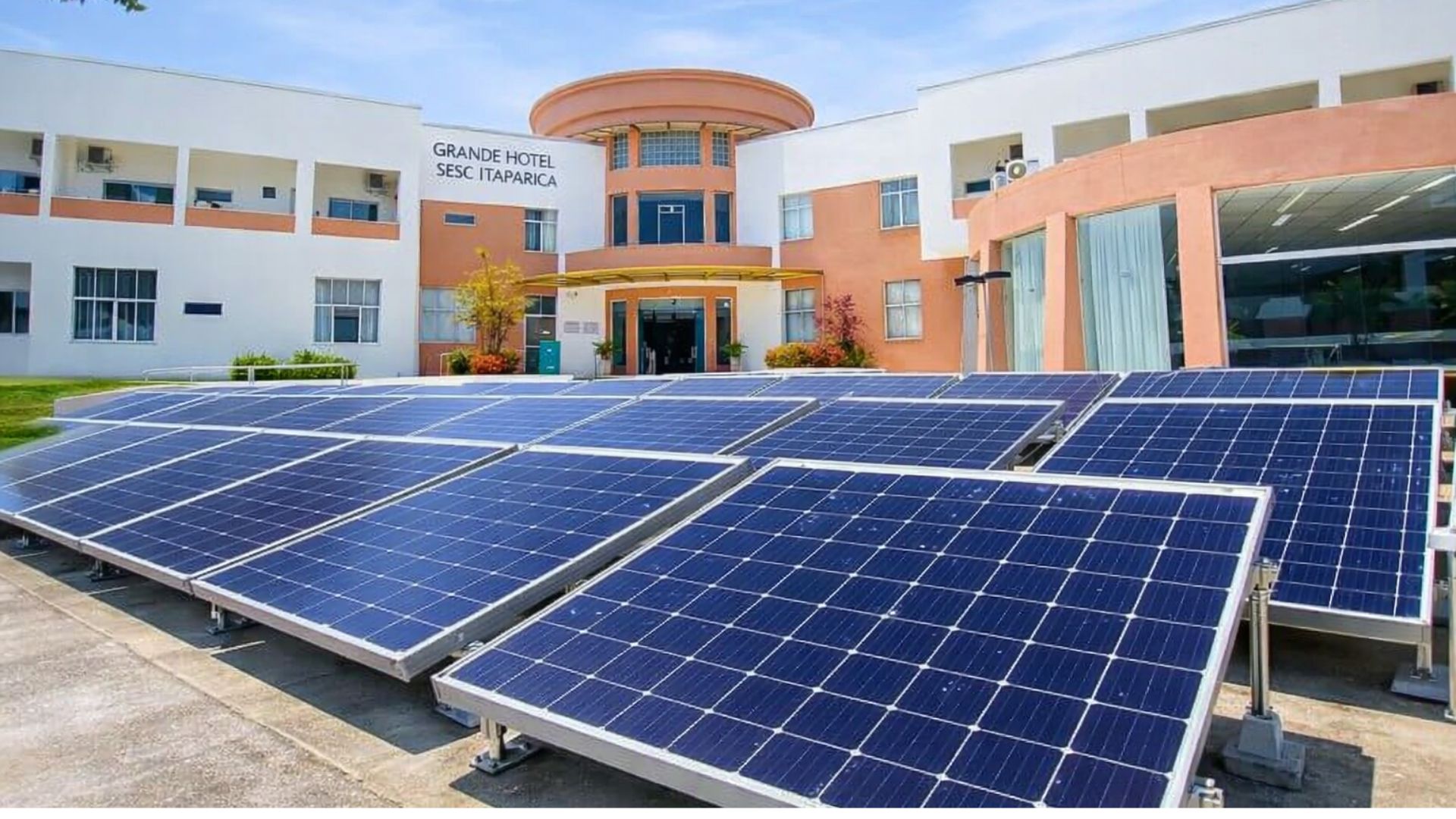
Sesc-BA bets on renewable energy with the support of EDP and drives the energy transition with a direct impact on cost reduction and the sustainability of its operations in Bahia.
-
Technology giant breaks global sustainability records: How Amazon’s leadership in renewable energy procurement transformed the global energy market in the past year.

-
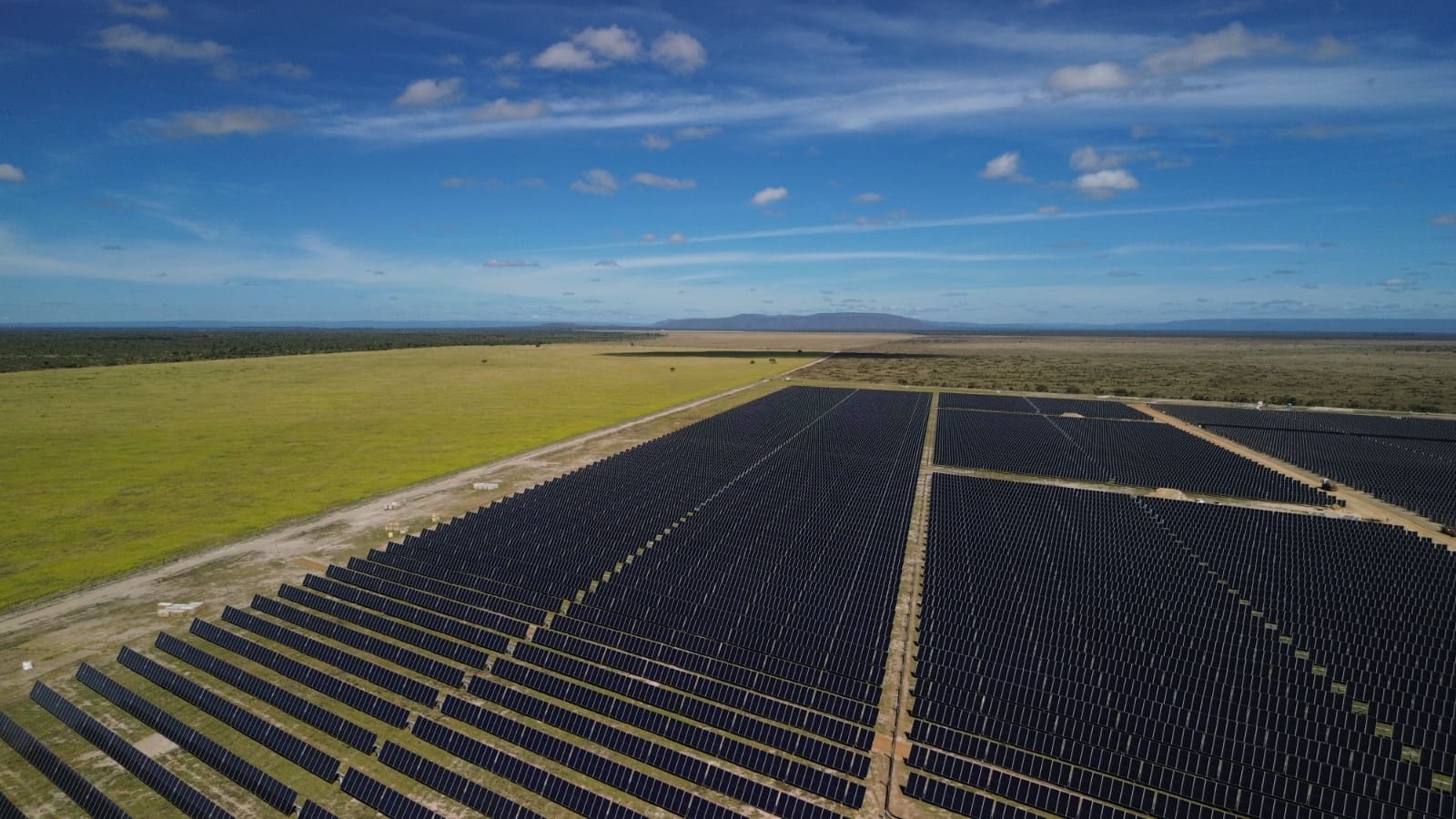
Alert in the electric sector: Atlas Renewable Energy confirms billion-dollar investment and Brazil risks losing a share of the new investment in Latin America to neighboring countries.
-
Billion-dollar partnership in clean energy: The advancement of decarbonization in Japan opens doors for Brazil to become the world’s largest supplier of green hydrogen and ammonia.


The proposal stipulates the implementation of various clean technologies. Among these are photovoltaic panel systems for solar energy capture and wind generators. Additionally, it provides for biomass energy generation units, using organic waste and other sustainable materials.
To facilitate renewable energy sector projects, the State Government may grant land. The choice of areas will be strategic, prioritizing locations with high solar incidence, favorable winds, or large biomass availability. Technical and environmental feasibility studies will be mandatory to ensure the least possible impact.
Cheaper Energy and Economic Boost
One of the main attractions of the project is the possibility of selling excess energy. Citizens and companies in the state could purchase this energy at a rate up to 50% lower than the one charged by the current utility company.
According to the project’s author, the measure promotes a more sustainable energy matrix and strengthens energy security in the state of Rio de Janeiro. “Using state-owned land for the installation of clean energy sites promotes a useful and strategic occupation,” highlighted Knoploch. He believes the initiative will also spur economic development and encourage the use of renewable energy throughout society.
A Giant in Renewable Energy Production in Brazil
The discussion about renewable energy inevitably involves agribusiness. A study by the Getulio Vargas Foundation (FGV) shows that the sector is one of the main suppliers of clean energy in the country. Agribusiness accounts for 29% of all energy used in Brazil. Within the realm of renewable sources, its contribution reaches an impressive 60%.
Luciano Rodrigues, coordinator of the bioenergy center at the FGV Observatory, states that the strategic relevance of agribusiness in Brazil’s energy transition is a new dimension that is being imposed on the sector. “This prominence is not limited to the amount of clean energy offered in the country,” he concludes, pointing out that agro-bioenergy is the main source of the energy matrix for various industries.
The Diesel Challenge and the Opportunity for Renewable Energy in the Field
Despite its potential, the Brazilian agribusiness faces a vulnerability: dependence on diesel. Data from 2022 shows that 73% of the energy used directly in agriculture came from fossil fuels, primarily diesel.
According to researchers at FGV, this dependence makes the sector sensitive to external shocks, such as fluctuations in oil prices or geopolitical crises. Even with favorable characteristics for renewable energy, such as a tropical climate and high productivity, diesel consumption remains a challenge to be overcome for a complete energy transition in the field.





Seja o primeiro a reagir!