





 Portuguese
  English
  Spanish
 6 min of reading
  0 comments


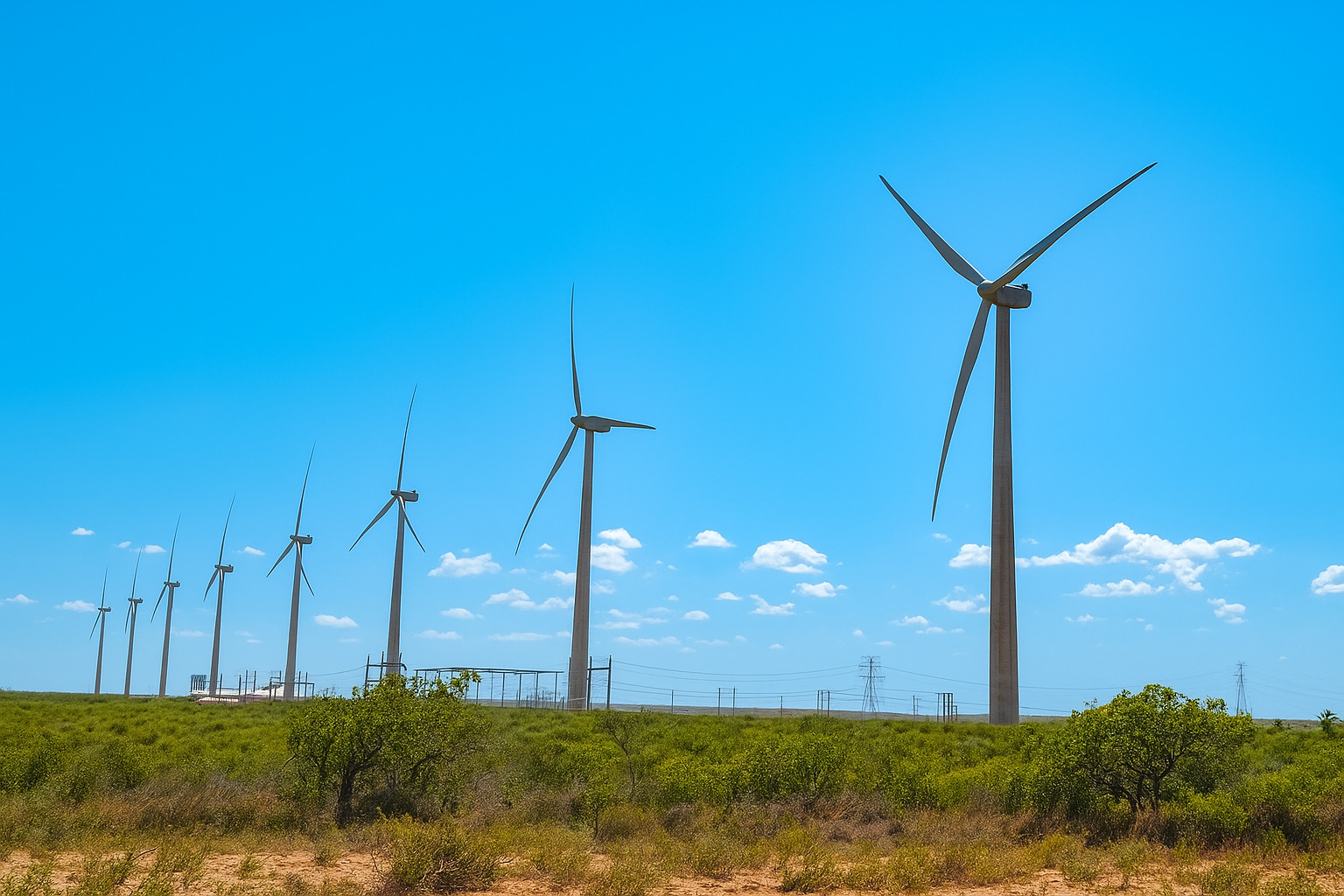
Discover How Rio Grande do Norte Became the Most Sustainable State in Brazil, Leading the Generation of Clean Energy with Wind and Sun, and Transforming Its Economy and Social Development.
The Rio Grande do Norte has thus solidified its position as the most sustainable state in Brazil in clean energy generation. With a predominantly renewable energy matrix, the state has become a national reference. Thus, it shows that it is possible to combine economic development and respect for the environment.
Moreover, this trajectory began decades ago, when pioneering initiatives in solar and wind energy emerged and began to be gradually implemented.
Since the 1990s, Rio Grande do Norte has shown potential for generating renewable energy, especially due to its favorable natural conditions. The constant wind that sweeps the coastal region and the high level of solar radiation indicated the viability of investments in clean energy.
-
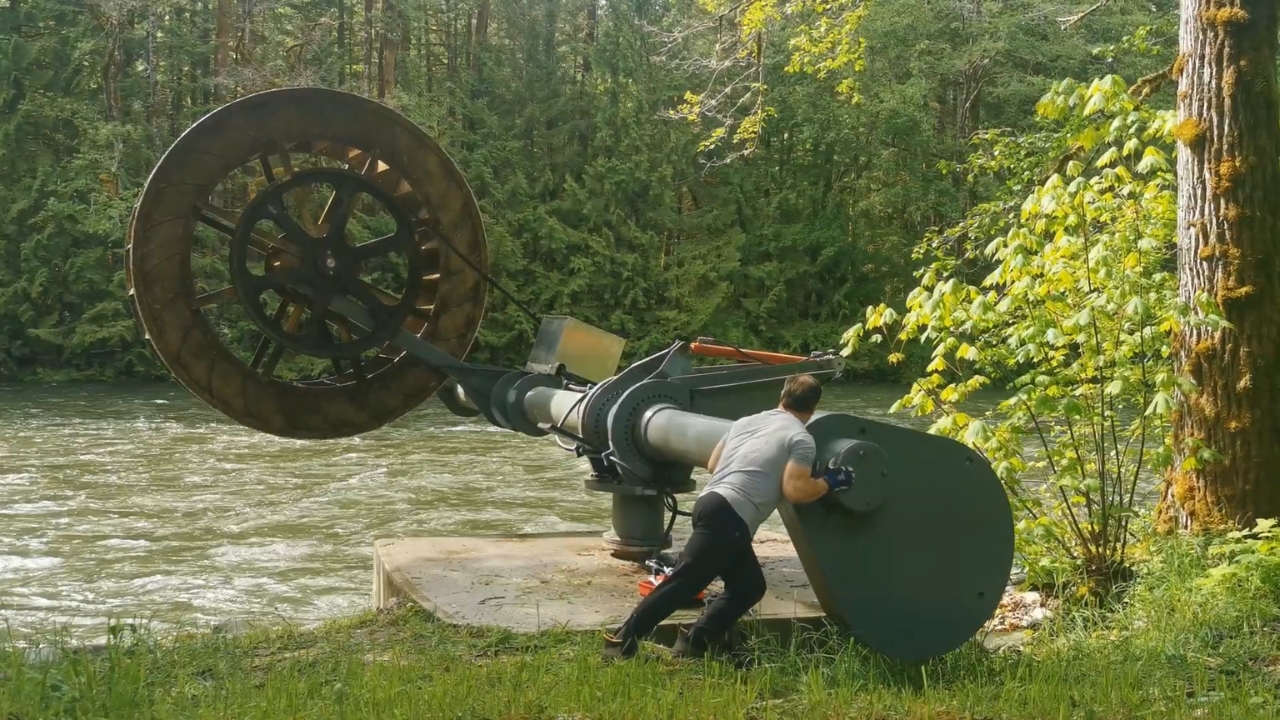
A Canadian retiree creates a hydroelectric system on a real river, generating energy continuously throughout the day and demonstrating how the power of water can supply a house with stability even in a simple structure.
-
Petrobras reaffirms its commitment to the market and ensures that it will carry out the energy transition safely to maintain national sovereignty.

-
Researchers discover a possible hydrogen deposit of up to 46 million tons beneath an ancient coal basin, and the volume could exceed half of the entire global production.

-
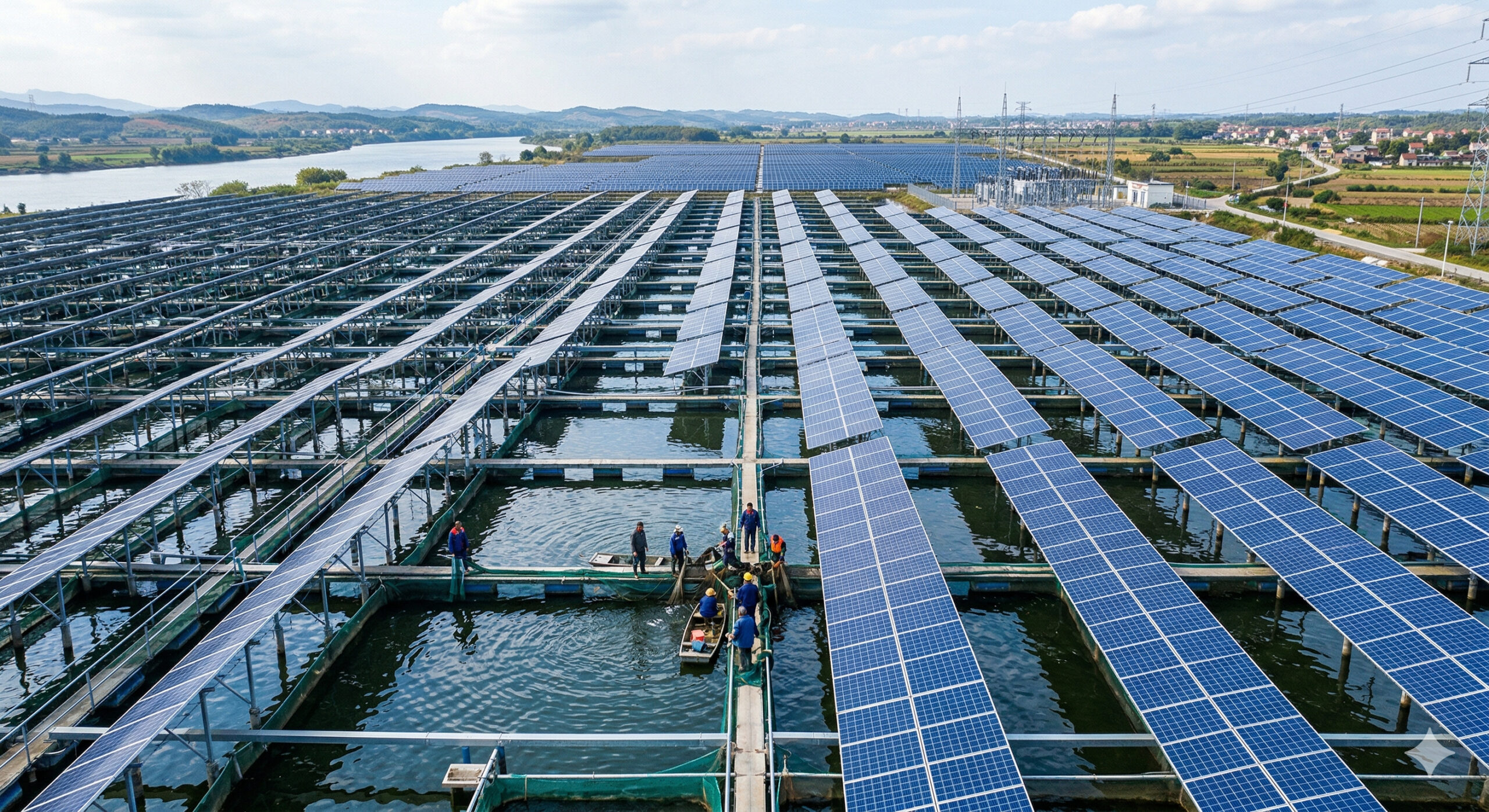
China bets on the Fishery-PV model and transforms fish farms into giant solar plants, covering ponds with panels that generate energy while utilizing the same space for large-scale aquaculture production.

Only from the 2000s, with more structured public policies and incentives for the sector, did the state begin to stand out on the national stage.
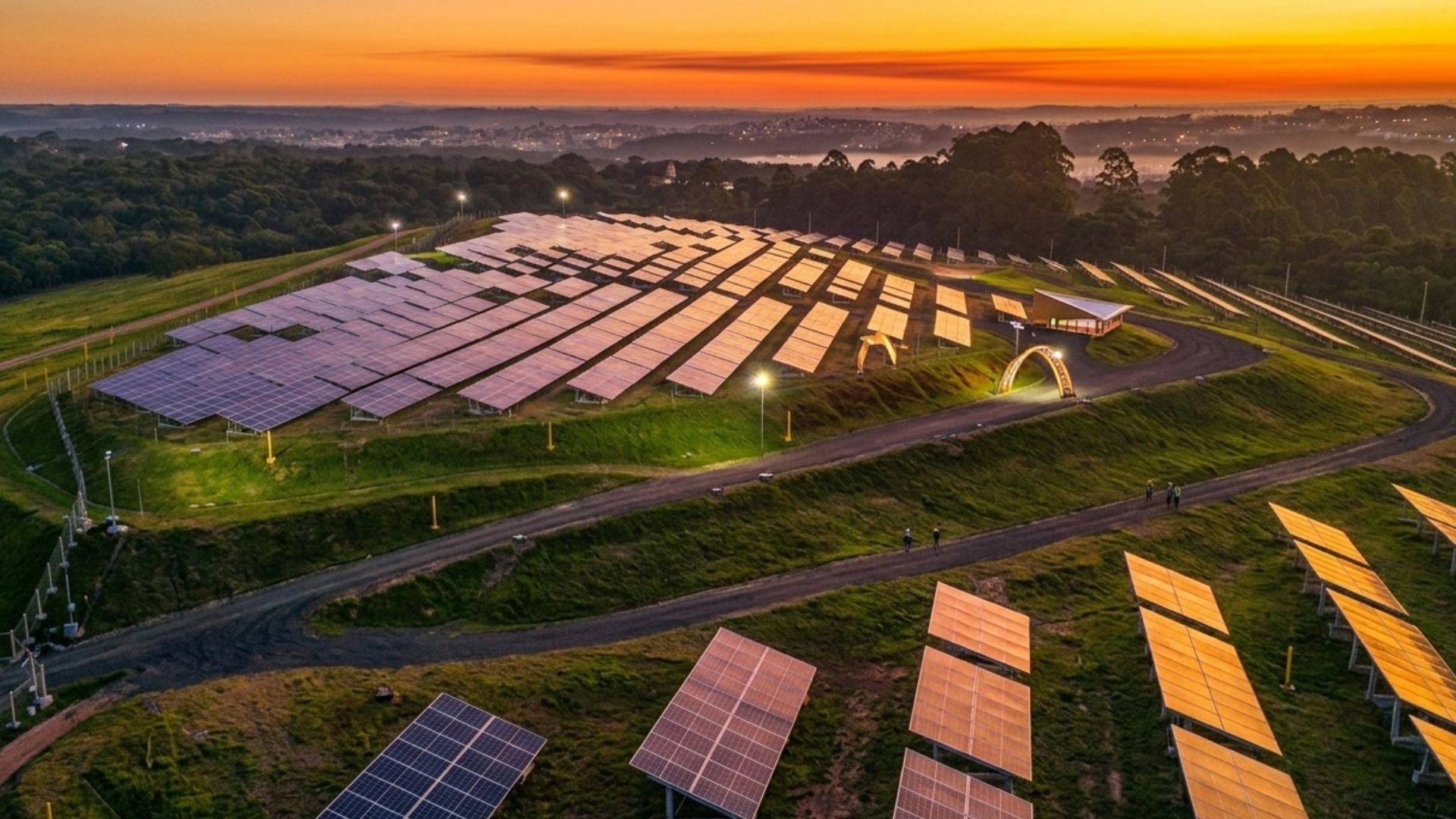
By 2025, approximately 99% of the energy produced in Rio Grande do Norte comes from renewable sources, such as wind and solar energy, according to data from the National Electric Energy Agency (Aneel). Therefore, this figure places the state ahead of all the federative units in the country, reinforcing its title as the most sustainable state in Brazil.
Furthermore, investment in infrastructure for clean energy generation ensures local energy supply and, at the same time, reduces greenhouse gas emissions, consolidating the state’s commitment to sustainability.
This leadership in renewable energy also makes Rio Grande do Norte increasingly attractive for academic and technological research. This way, universities and research centers in the state collaborate with private companies to develop innovative solutions that increase the efficiency of wind farms and solar plants.
Thus, a synergy between scientific knowledge and industrial practice is created.
Leadership in Wind Energy and Economic Impact
The growth of wind energy in Rio Grande do Norte represents an important chapter in this story. In fact, the state produces about 32% of the country’s wind energy, consolidating its absolute leadership in the sector. Therefore, the wind farms in the state generate sufficient energy to meet millions of households, ensuring balance in the Brazilian energy matrix.
In addition to the positive environmental impact, the wind sector drives the local economy with significant investments and job creation. For example, in 2024, investors allocated around R$ 10 billion, generating approximately 13 thousand direct and indirect jobs. Furthermore, the sector boosts auxiliary businesses, such as transportation, logistics, equipment maintenance, and engineering services. This strengthens the entire production chain in the state.
The state’s potential is not limited to land territory. In 2025, Rio Grande do Norte received the first license for an offshore wind energy project in Brazil, which will be installed in Areia Branca. Thus, offshore wind energy harnesses even more constant and strong winds. This increases production efficiency and stimulates research in foundation technologies and towers adapted to marine conditions.
Additionally, offshore projects generate qualified jobs during installation and operation and, at the same time, encourage the emergence of small and medium local companies that supply materials and provide maintenance and maritime logistics services. Thus, these impacts reinforce Rio Grande do Norte’s role as the most sustainable state in Brazil, not only environmentally but also economically.
Ideal Natural Conditions and Attraction of Large Companies
The combination of constant wind and high solar incidence makes Rio Grande do Norte an ideal environment for producing clean energy, which consequently attracts large international companies. For example, the Danish company Vestas has been operating in the state for over 15 years, operating thousands of turbines that supply millions of people.
Thus, the presence of these companies strengthens the sector and creates a multiplier effect on the local economy. This increases the demand for specialized labor and support services.
Moreover, foreign investment stimulates technology transfer and professional training. Thus, partnerships between international companies and local institutions promote advanced training and develop solutions adapted to the local climate and wind. Therefore, Rio Grande do Norte consolidates itself as a technological hub in renewable energy, enhancing its national and international competitiveness.
Education and professional training are pillars of sustainable development in the state. Thus, Senai-RN, in partnership with other institutions of the S System, offers specialized courses for the wind and solar energy sectors. Additionally, it hosts the first Center of Excellence in Green Hydrogen in the country. Consequently, this structure ensures that the sector’s growth accompanies the training of qualified professionals, strengthening the market and stimulating technological innovation.
Popularization of Residential Solar Energy
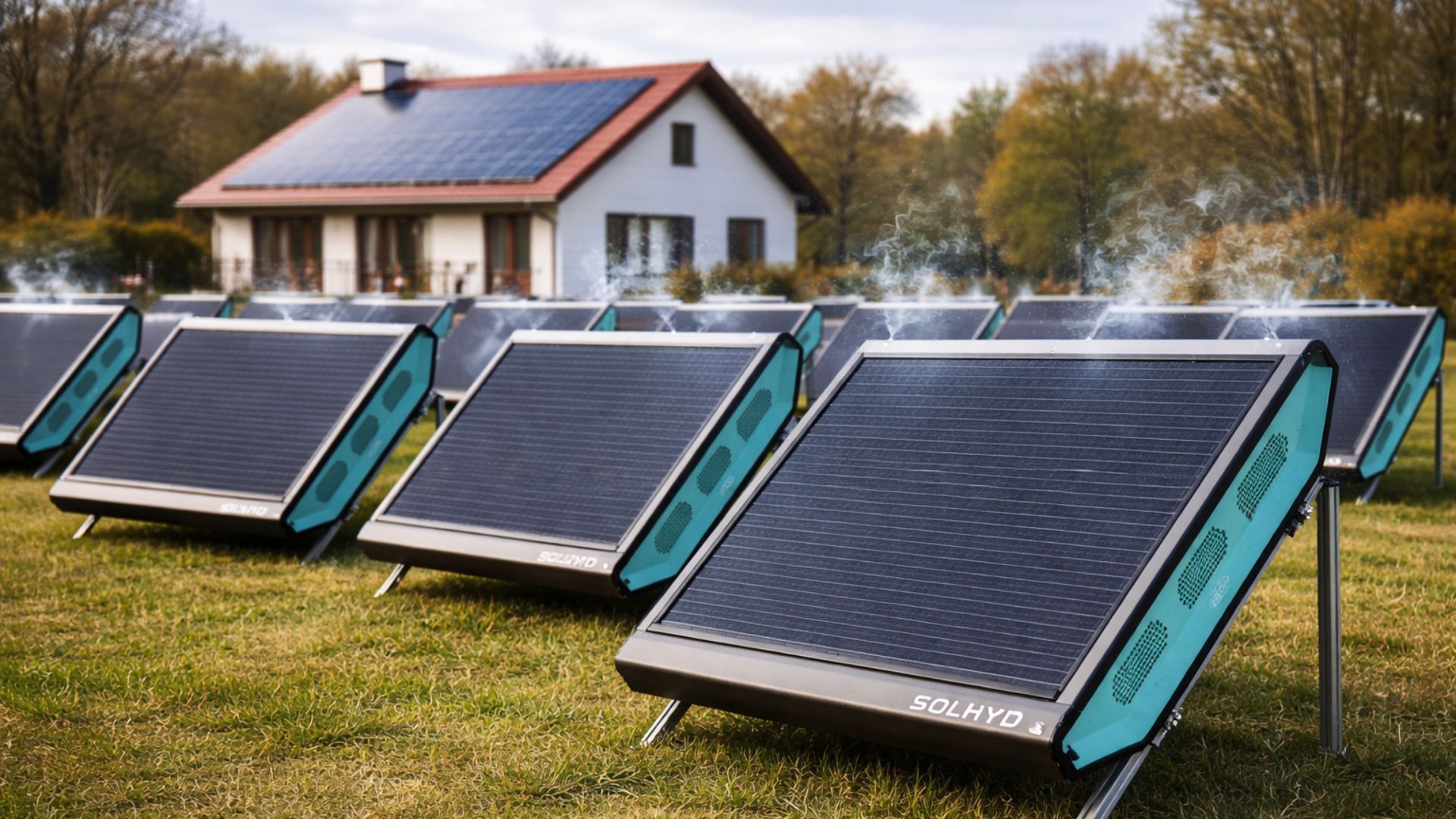
Residential solar energy has been significantly popularizing. Thus, more and more families in Rio Grande do Norte are installing solar panels in their homes, reducing electricity costs and gaining energy independence. For example, cases like that of social worker Karla Montenegro, who saved about R$ 10 thousand a year, demonstrate that sustainability can be practical and generate direct benefits for the population.
Additionally, the adoption of solar energy in homes shows that the energy transition is not limited to large investors. Small consumers also contribute to the clean matrix. This reduces the use of energy from fossil fuels and promotes environmental awareness. Thus, this reinforces the image of Rio Grande do Norte as the most sustainable state in Brazil, making renewable energy a part of everyday life.
Sustainable Development and Historical Planning
Historically, the energy sector in Rio Grande do Norte has developed by harnessing natural resources without compromising the environment. The state understands that sustainability is not limited to energy production but involves urban planning, preservation of natural areas, and public policies that encourage a green economy.
Thus, by combining technology, investment, and environmental awareness, Rio Grande do Norte builds a development model that serves as a reference for other regions in the country.
Moreover, the job market generated by renewable energies is highly promising. Professionals find opportunities not only in operation and maintenance of wind and solar farms but also in engineering, automation, environmental management, and technological research. Thus, this perspective attracts young people, professionals in career transition, and retirees who wish to update themselves. This reinforces the positive social impact of the green economy.
Besides the economic and environmental impact, the production of clean energy in the state improves the quality of life of the population. With self-generated energy and investments in infrastructure, the population gains security in energy supply, cost reduction, and encouragement for the development of new technologies. Thus, this makes Rio Grande do Norte a model of sustainability integrated with human development.
Recognition and Future of Clean Energy
The recognition of Rio Grande do Norte as the most sustainable state in Brazil results from decades of planning, strategic investments, and a culture that values the balance between economic progress and environmental preservation. Thus, the state shows that it is possible to grow and generate wealth without compromising natural resources. This proves that sustainability can be a driver of development and innovation.
Therefore, in summary, Rio Grande do Norte brings together privileged natural conditions, effective public policies, and investment in technology and education. This solidifies the state as a leader in clean energy production. The combination of wind, solar, and new offshore potential transforms the state into a national and international reference.
Furthermore, the continued growth of the sector, together with the training of qualified professionals, strengthens the local economy and ensures that the state remains at the forefront in the race for sustainability.
The history of Rio Grande do Norte demonstrates, therefore, that it is possible to unite economic development, job generation, and environmental preservation, making it a true example of how a state can become the most sustainable in Brazil. Thus, the future of clean energy in the state promises even greater advances, consolidating its position as a reference in sustainability and innovation in the country.







Seja o primeiro a reagir!