





 Portuguese
  English
  Spanish
 2 min of reading


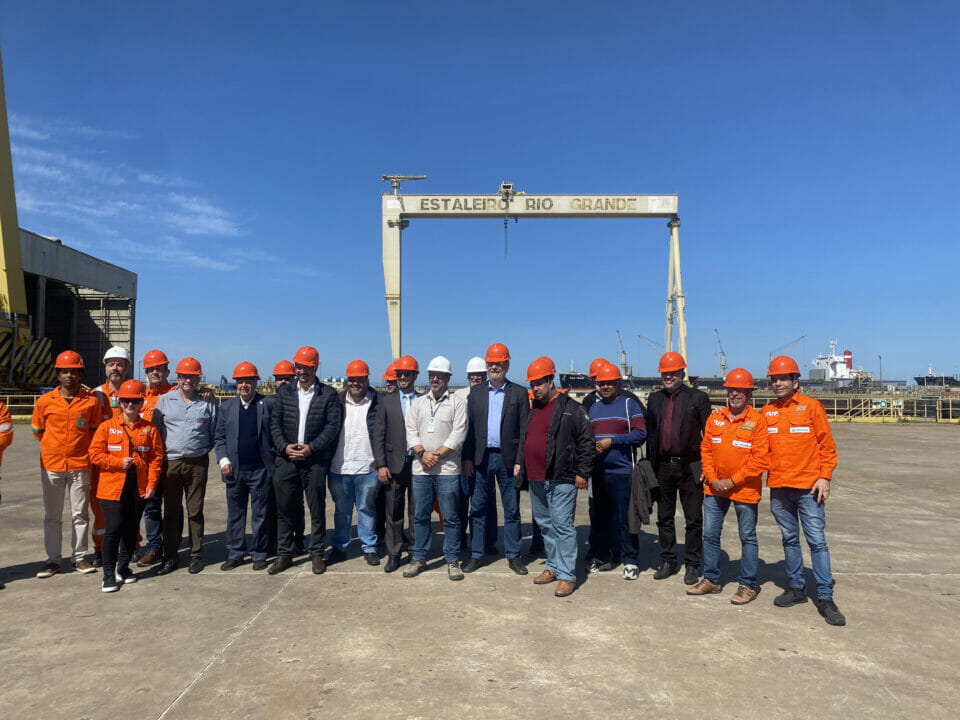
Rio Grande Shipyard and Ecovix Group Capture Parliamentary Attention in Effort to Strengthen the Naval Industry.
In the heart of the naval industry in the South region, the Rio Grande Shipyard, managed by the Ecovix Group, opened its doors for a technical visit from government representatives. Highlighting its operational capacity and potential for immediate recovery, this meeting promises to be a milestone.
With the presence of the president of the Parliamentary Front in Defense of the Naval Industry, Congressman Alexandre Lindenmeyer, the meeting served as an opportunity to observe the vastness of the Rio Grande Shipyard. The congressman emphasized the importance of establishing long-term policies for the industry, avoiding its seasonality.
In the heat of the discussion, Ricardo Ávila, the shipyard’s operations manager, not only presented the behind-the-scenes of the Rio Grande Shipyard but also addressed a crucial topic: professional training. He highlighted the emerging demand for skilled talent in the naval industry. “We must anticipate the future by training today the professionals who will serve the industry tomorrow,” Ávila pointed out.
-
With 74% of companies facing difficulties in hiring, technicians and engineers in renewable energy are becoming scarce in Brazil and are essential to support the expansion of solar, wind, and green hydrogen projects.

-
Europe is trying to create an ammonia-powered marine engine without auxiliary fuel, which could unlock the race for giant emission-free ships. The technology aims to eliminate one of the biggest obstacles to clean maritime propulsion.

-
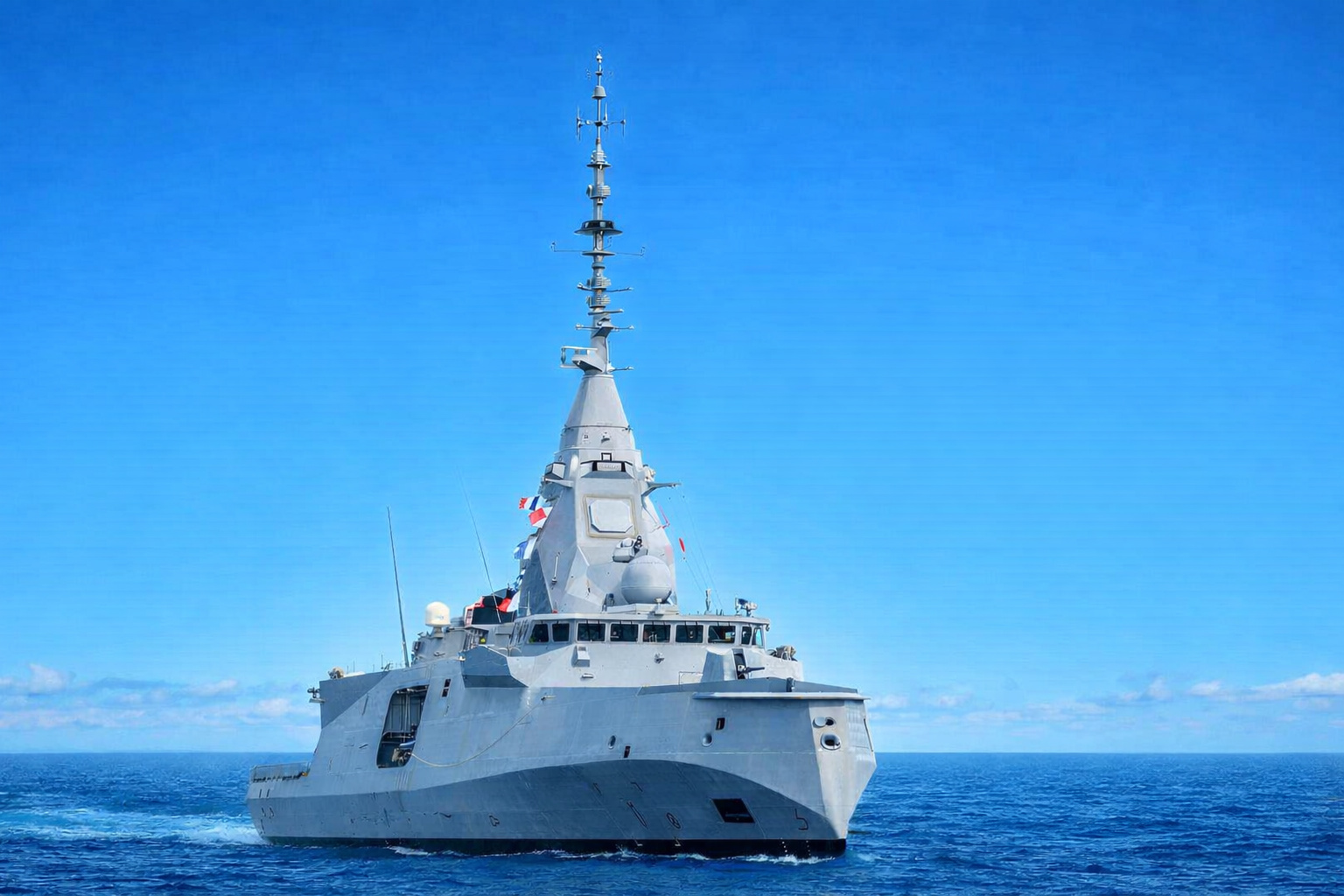
A 4,500-ton frigate with just over 100 crew members, state-of-the-art radar, and cruise missiles is being touted as the new standard of naval warfare in the 21st century.
-
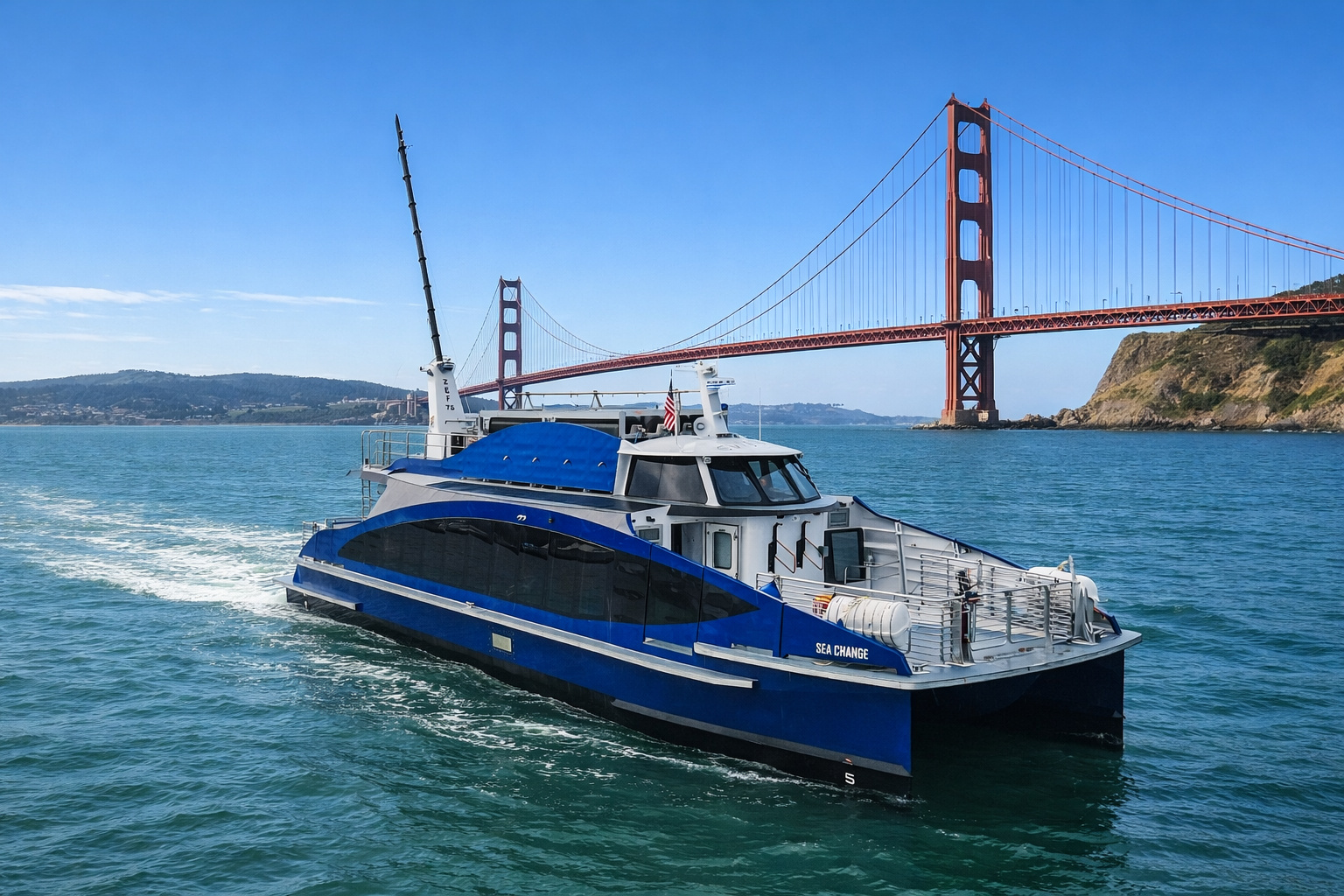
The first commercial hydrogen-powered ferry enters operation in the U.S., eliminates the use of diesel, uses fuel cells to generate clean energy on board, and transforms San Francisco Bay into a landmark of the new era of emission-free navigation.

Vessels and Future Challenges
Currently, the shipyard stands out in the repair of vessels. Its most recent project involved meticulous work on the ODN I drillship from Foresea, mobilizing nearly 700 professionals. And the horizon looks even more promising: in November, the iconic P-32 platform from Petrobras will dock at the Rio Grande Shipyard for a complete dismantling. This major achievement will generate about 200 new jobs and promises to revolutionize the current landscape.
The partnership with Gerdau was also a topic of the meeting. The recycling of scrap metal, resulting from the dismantling, will provide valuable raw material for steel production, consolidating sustainability as a central pillar in the strategy of the Ecovix Group.
Leadership and Future Vision
In concluding the visit, the message was clear: Rio Grande do Sul must lead the agenda for the recovery of the naval industry. With new contracts on the horizon and an unwavering focus on delivery capability, the state has everything to be the flagship in this sector. Detailed publications outlining the actions already taken by the group, accompanied by a diagnosis and proposals to rejuvenate the naval industry across Brazil, are expected by the end of 2023.








Seja o primeiro a reagir!